SNAP Eligibility Tightens with More Restrictions as Benefits are Released to Millions
As SNAP eligibility tightens, millions receive November benefits, but a growing number of enrollees may soon lose their vital food assistance under new GOP-backed rules.
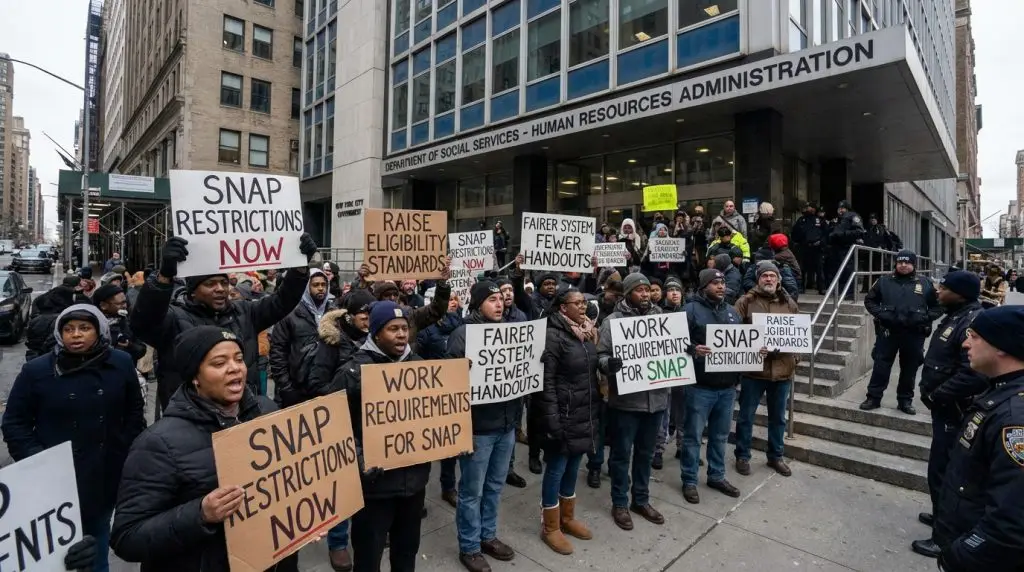
SNAP Eligibility Tightens
SNAP Eligibility Tightens: Millions of Americans Received Their November SNAP Benefits. But concerns are rising that many may soon lose their food aid. New work rules, thanks to recent laws, could make many ineligible.
The changes to SNAP work requirements are part of broader changes to the food assistance program. The Congressional Budget Office says over 3 million could lose SNAP soon. For more on this, check out ABC News. And other reports and news on SNAP.
SNAP Eligibility Tightens: Key Takeaways
- Over 3 million Americans may lose SNAP assistance due to new work requirements.
- Changes include removing exemptions for certain groups, such as homeless individuals and veterans.
- States will share SNAP costs, potentially leading to reduced benefits for some recipients.
- The majority of SNAP-receiving families have at least one employed member.
- New legislation aims to reform the SNAP program, but its impact is still uncertain.
SNAP Eligibility Tightens: November SNAP benefits arrive as new work rules expand across other States
In November, SNAP benefits are being distributed while stricter work rules begin nationwide. The government shutdown affected SNAP, but states are still implementing the new work rules. These rules were part of a bill signed by President Donald Trump this summer. Also see this article on who was shortened for November SNAP distributions.
Government shutdown disruptions and timing of benefit releases
The shutdown disrupted SNAP benefit disbursements. But states managed to send out November benefits as the new rules started. These rules will mean 2.4 million fewer Americans getting food stamps each month for the next decade, the Congressional Budget Office says.
USDA implementation guidance and state readiness by November 1
The USDA gave states guidance to be ready by November 1. States are getting ready for the new rules, which affect more people up to age 64. For details on these changes, check out SNAP eligibility changes.
Why some recipients could start losing benefits as early as March 2026
People who don’t meet the new work rules might lose benefits in March. Whether they lose benefits depends on where they live and when they need to update their food stamps status. Important factors include:
- Recertification timing
- Expanded work requirements
- State-specific implementation timelines
How recertification timing affects continued eligibility
When you need to update your SNAP status, it is key to keeping your benefits. You must follow the new work rules during this time to keep getting benefits. It’s essential to know the SNAP eligibility criteria and how to qualify for food stamps to keep your benefits.
SNAP eligibility tightens under GOP bill: who must meet 80-hour requirements
SNAP eligibility is getting stricter with the new GOP bill. It has tougher work rules. Now, more people must work, volunteer, or get job training to get benefits.
Expanded Age Thresholds and Newly Included Groups Up to Age 64
The GOP spending bill now requires work for people up to age 64. This change means more people must follow the new rules to keep getting SNAP benefits. It affects many groups, including:
- Parents of children aged 14 through 17
- Veterans
- People experiencing homelessness
- Former foster youth
These groups must now work 80 hours a month or risk losing benefits. They can meet this requirement through work, volunteering, or job training.
The 80 Hours Per Month Rule: Work, Volunteering, or Job Training
To follow the new SNAP rules, recipients must work, volunteer, or participate in job training for 80 hours per month. This includes:
- Full-time or part-time jobs
- Volunteering at non-profits
- Job training programs
It’s key to remember that the 80-hour rule is for each month. Not meeting it for three months in three years can lead to losing benefits.
The Three Months in Three Years Limit for Noncompliance
Those who don’t meet the 80-hour rule for three months in three years will lose SNAP benefits. This rule mainly affects non-exempt adults. For more on how the GOP bill changes SNAP work rules, check out CBS News.
“The new work requirements will significantly impact SNAP recipients, particularly those who are already struggling to make ends meet.”
Recipients need to understand the new SNAP rules. Knowing how to qualify for SNAP benefits and following the application process helps ensure they meet the requirements.
State implementation challenges and what applicants should do now
States are facing significant challenges as the new SNAP work requirements begin. The rollout has been messy, made worse by the prolonged government shutdown. State officials and experts agree.

Confusion and varied approaches across states amid rapid rollout
States are concerned about making payment mistakes. This is because they have to pay more for the program if they make too many errors. This has led to varied approaches across states as they try to meet the new rules fast.
The confusion comes from the new rules’ complexity and the tight deadline. Some states are being careful, while others are pushing to change quickly.
Waiver restrictions: only areas with unemployment over 10% qualify
The new rules have made it harder to get waivers. Now, only areas with unemployment rates over 10% qualify. This change affects many SNAP recipients, who may no longer receive benefits.
For more information on USDA implementation guidance, visit the USDA SNAP webpage.
Rhode Island court order on existing waivers and pending USDA guidance
A court order in Rhode Island has made things even more complicated. It has raised questions about existing waivers and the USDA’s pending guidance.
“The new SNAP rules are causing significant confusion and concern among recipients and state officials alike,” said a spokesperson for the Food Research & Action Center. For more details, check their blog post on the new SNAP time limits.
Case studies: Connecticut’s temporary workarounds; Pennsylvania’s early timetable and verification tools
States like Connecticut and Pennsylvania are showing how to handle the new SNAP rules. Connecticut is using temporary workarounds to help, while Pennsylvania has set an early timetable and verification tools to ensure a smoother start.
- Connecticut is giving extra support to those at risk of losing benefits.
- Pennsylvania is rolling out the new rules slowly.
- Both states are using new tools to check if recipients meet the work requirements.
These examples show how states are finding creative solutions to the challenges. As the rollout continues, applicants must stay updated on the changes and how they might be affected.
SNAP Eligibility Tightens Conclusion
Millions of people are worried about their food assistance as new SNAP rules take effect. A GOP-backed bill has made these rules stricter. This could mean many will lose their food benefits because of new work rules.
States are trying to follow these new rules, but it’s hard. A report by the Brookings Institution says SNAP might not help as much in hard times. This could hurt many people who need help the most.
The new rules might also hurt families with disabled members more. Disability Belongs points out that these changes could make it harder for states to manage. This could lead to more costs for states.
It’s crucial for those getting SNAP to know the new rules. They need to understand the work requirements to keep getting help. States must also make sure these changes don’t hurt those who need food assistance the most.
SNAP Eligibility Tightens FAQ
What are the new SNAP work requirements?
Now, some SNAP recipients must work, volunteer, or get job training for 80 hours a month.
Who is affected by the new SNAP eligibility criteria?
The new rules affect adults aged 18 to 64. This includes parents of teens, veterans, and those who are homeless or were in foster care.
How will the new work requirements impact SNAP recipients?
Some may lose benefits if they don’t meet the 80-hour work rule. They also face losing benefits if they fail to comply within three years.
What happens if a state is not ready to implement the new SNAP work requirements?
States that aren’t ready might struggle to run the program. This could disrupt benefits for recipients.
Can states waive the new SNAP work requirements?
Yes, states can waive these rules if their jobless rate is over 10%. But court orders and USDA guidance might affect this.
How can SNAP recipients prepare for the new work requirements?
To get ready, understand the rules. Look for job training or volunteer spots. Also, check with your state’s SNAP program about your work status.
What are the consequences of not meeting the 80-hour work requirement?
Not meeting the 80-hour rule can result in losing benefits for 3 months. If you keep failing, you might lose benefits for even longer.
How will the recertification timing affect continued eligibility for SNAP benefits?
The timing of recertification can impact your SNAP benefits. If you’re not recertified on time, you might lose your benefits.
Where can I find more information about the SNAP program updates and eligibility criteria?
For more info, visit the USDA’s website or contact your state’s SNAP program directly.
How do I qualify for SNAP benefits under the new eligibility criteria?
To qualify, you must meet income and resource limits. You also need to follow the new work rules if they apply to you.
What is the SNAP application process?
To apply, fill out a form with your state’s SNAP program. You’ll need to provide documents and go through an eligibility check.