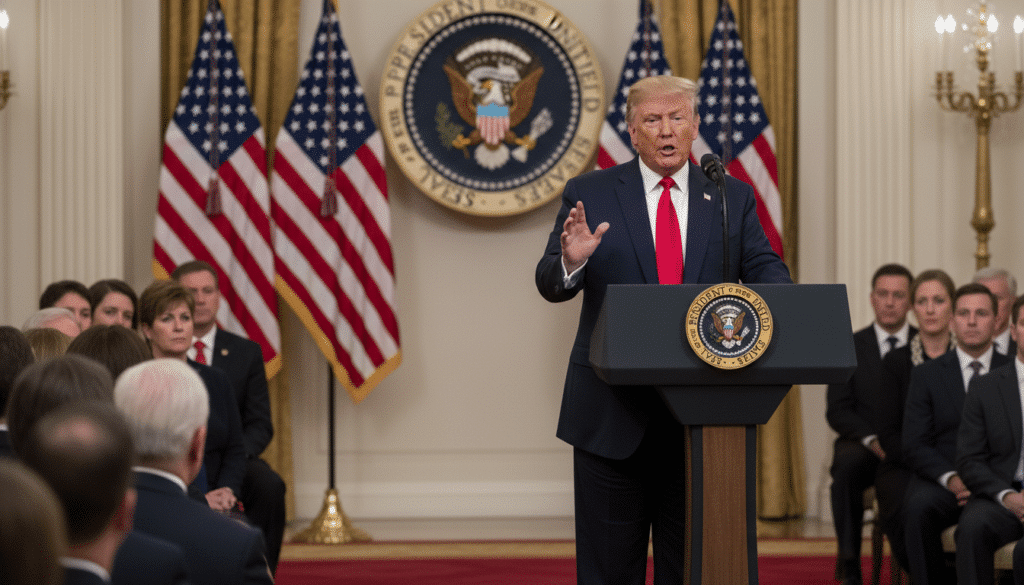
U.S. troops may withdraw as discussions advance under the Iran Peace Proposal, paving the way for enhanced diplomatic negotiations and Middle East stability.
New Iran Peace Proposal
Washington is considering a new Iran Peace Proposal to end the conflict with Israel. This comes after nearly three months of fighting. The talks focus on troop movements and nuclear limits, aiming for Middle East stability. Trump Declares Military Victory in Iran: What it means.
President Donald Trump said Tehran’s latest offer made him pause plans for more fighting. He told reporters at the White House that the U.S. might attack Iran again. He was “an hour away” from approving an attack before he decided to wait.
🔥 See what people are buying
👉 Most Popular Items Right Now →
See Top picks →
Trump believes Iran’s leaders want a deal. He warned that a U.S. attack could happen soon if no agreement is reached. He said the U.S. will accept a deal that stops Iran from getting a nuclear weapon, which he sees as key to peace in the Middle East.
Iranian state media has outlined terms that go beyond just nuclear issues. They include the U.S. pulling out of areas near Iran. This is seen as a major demand in the Iran Peace Proposal as talks continue.
Iran Peace Proposal Key Notes
The Iran Peace Proposal is being discussed as Washington looks for a path to Middle East stability.
Trump said he paused renewed fighting after Tehran delivered a new proposal.
He said he was “an hour away” from approving an attack before postponing it.
Trump warned strikes could resume soon if diplomatic negotiations fail.
He said the U.S. wants a deal that prevents Iran from obtaining a nuclear weapon.
Iranian state media reported that troop withdrawal near Iran is part of the proposal’s terms.
Iran Peace Proposal and the U.S. Withdrawal: What Tehran Is Demanding
In the latest peace proposal, Iran wants security in exchange for cooperation. They say there are fewer military conflicts near Iran as steps are taken to stabilize the area. Supporters believe it’s a test of whether countries can work together for peace.
Iran also wants compensation for damage from U.S.-Israeli attacks. They see this as part of making peace and holding others accountable. Tehran believes both sides must work together to reduce tensions.
More details have come out in international news, including this reported outline of the proposal. Officials and experts are trying to understand what Iran is asking for.
Sanctions relief and economic conditions in the proposal
Iran wants sanctions lifted, frozen funds released, and the U.S. marine blockade ended. They also mention the Strait of Hormuz, as it affects shipping and their negotiating power.
Sanctions relief is seen as essential for a lasting deal.
Frozen assets worth tens of billions of dollars are at stake, with Iran seeking full access.
Shipping constraints are a key issue Iran wants resolved.
The same day, The Wall Street Journal reported U.S. forces seized an Iran-linked oil tanker. The tanker, Skywave, was sanctioned in March for carrying Iranian oil. This shows the tension around enforcing sanctions and cooperation.
How the latest offer compares to prior talks
Iran’s latest offer seems similar to their previous one, despite a more urgent tone. President Donald Trump called the previous offer “garbage,” showing a big gap in negotiations.
A Pakistani source said Islamabad helped pass messages between Iran and the U.S. after hosting talks last month. The source noted that both sides keep changing their demands, which is slowing progress. This highlights the challenges in achieving peace when goals and timelines keep shifting.
Trump’s Strike Warning, Diplomatic Negotiations, and Global Security Stakes
The situation with Iran is changing fast, with the world watching closely. Officials are thinking about the best time, how much leverage to use, and what to say. The goal of getting rid of nuclear weapons is key to any lasting deal.
Trump’s timeline and renewed threat of military action
On Tuesday, President Donald Trump said he was close to deciding on military action. He warned that the U.S. might attack Iran again soon if no deal is reached.
Reuters couldn’t confirm if military plans were ready for new strikes. This uncertainty makes diplomacy harder, as it can upset allies and complicate nuclear disarmament talks.
Vice President JD Vance on progress and negotiating hurdles
Vice President JD Vance said talks with Iran were going well. He believes neither side wants war to start again. He sees a chance for diplomacy to succeed.
Vance talked about the main challenge: dealing with a divided Iranian leadership. He said the U.S. is trying to make its demands clear. This is part of a bigger effort to stop a nuclear arms race in the region.
His words remind us of the importance of finding a solution. This is similar to the efforts in Ukraine’s peace talks, where a few key points need to be agreed upon.
Domestic pressure and the Strait of Hormuz factor
At home, Trump is under pressure to find a deal that opens the Strait of Hormuz. This is important for oil and trade. With gas prices high and elections coming, politics are now part of the global security picture.
Markets reacted quickly to the softer tone. Oil prices fell after Vance’s comments. This shows that diplomacy can affect prices before any formal nuclear disarmament steps.
Energy prices are shaping public patience for prolonged conflict.
Election timing is tightening the window for sustained negotiations.
Shipping risk through Hormuz affects supply chains beyond the region.
Ceasefire status and recent escalatory signals
Reuters said a ceasefire was in place after the U.S.-Israeli bombing campaign. But the region has seen more violence. Israel has attacked Lebanon, killing thousands, and Iran has hit Israel and the Gulf states, killing dozens.
Despite the ceasefire, signs of escalation have appeared. Drones have been launched from Iraq towards Gulf countries, reportedly by Iran and its allies. This keeps global security concerns alive as talks continue.
Tehran has sent a message of deterrence while negotiating. Ebrahim Azizi, head of Iran’s parliament’s national security committee, said Trump paused an attack because he knew Iran would respond strongly.
Trump and Israeli Prime Minister Benjamin Netanyahu want to limit Iran’s support for militias, dismantle its nuclear program, and more. Reuters notes the war has not stopped Iran’s nuclear program or its ability to threaten neighbors, linking diplomacy and disarmament closely.
Inside Iran, Reuters reported the clerical leadership has withstood the attacks. There is no sign of opposition. This resilience affects how both sides think about risk and the next steps for global security.
Iran Peace Proposal Conclusion
The Iran peace proposal has become a critical test for Middle East stability. President Donald Trump might consider a deal but has also threatened quick military action if talks fail. This creates a tense environment, slowing progress.
For U.S. viewers, the key points are clear: Iran seeks an end to conflicts in the region, including in Lebanon. It also wants U.S. forces to leave areas near Iran. Tehran demands sanctions relief, the release of frozen funds, reparations, and an end to the U.S. marine blockade. It emphasizes “maritime security” first.
Details have changed with each offer, as Al Jazeera’s reporting shows. But the core trade-offs remain challenging.
What’s not written down is just as important as what is. Iran’s internal decisions are hard to predict, and U.S. concerns focus on preventing a nuclear weapon. These issues make negotiations delicate, despite calls for global cooperation.
🔥 See what people are buying
👉 Most Popular Items Right Now →
See Top picks →
The Strait of Hormuz is a key area of tension. Any new conflict could disrupt shipping, increase energy costs, and harm Middle East stability. The outcome depends on international cooperation, leading to either de-escalation or increased risk.
Iran Peace Proposal FAQ
What is the new Iran peace proposal currently being discussed?
The Iran peace proposal is being considered as Washington tries to end the conflict it started with Israel nearly three months ago. President Donald Trump said he paused a planned resumption of hostilities after Tehran delivered a new offer aimed at ending the U.S.-Israeli war.
Why did Trump say he postponed a new round of strikes?
Trump said Tehran’s proposal prompted him to hold off. On Tuesday at the White House, he told reporters the U.S. may need to strike Iran again and said he was “an hour away” from approving an attack before postponing it.
What did Trump warn could happen if there is no deal?
Trump said Iran’s leaders are “begging for a deal.” He also warned a new U.S. attack could happen in the coming days if diplomatic negotiations do not produce an agreement.
What does the U.S. say it wants from any agreement with Iran?
Trump said on Monday the U.S. would be satisfied with a deal that prevents Tehran from obtaining a nuclear weapon. That position frames U.S. red lines on nuclear disarmament and broader conflict resolution.
Does the proposal include U.S. troop withdrawal near Iran?
Iranian state media described terms that include the exit of U.S. forces from areas close to Iran. In those reports, troop withdrawal is presented as a key demand tied to Middle East stability and peacebuilding efforts.
What are the core terms that the Iranian state media says the proposal includes?
Iranian outlets reported the plan calls for ending hostilities on “all fronts,” explicitly including Lebanon. They also described demands for the exit of U.S. forces from areas close to Iran and reparations for destruction caused by U.S.-Israeli attacks.
What sanctions relief and economic conditions are tied to the offer?
IRNA cited Deputy Foreign Minister Kazem Gharibabadi as listing the lifting of sanctions, the release of frozen funds, and an end to what Iran describes as a U.S. maritime blockade. These economic asks are central to the proposal’s international cooperation pitch and its leverage over shipping and trade.
How does the reported oil-tanker seizure fit into the sanctions-and-shipping dispute?
The Wall Street Journal reported the U.S. seized an Iran-linked oil tanker in the Indian Ocean overnight Tuesday, citing three U.S. officials. The tanker Skywave was sanctioned in March for transporting Iranian oil, adding pressure to the sanctions-relief debate and highlighting the global security dimension of maritime enforcement.
How is this offer different from earlier proposals, and how did Trump respond before?
The terms described in Iranian reports appeared little changed from Iran’s previous offer. Trump rejected the earlier version last week as “garbage,” signaling that political diplomacy is moving alongside threats of renewed military action.
What diplomatic channel is being used to pass messages between Washington and Tehran?
A Pakistani source said Islamabad conveyed messages between the sides after hosting the only round of peace talks last month. The same source confirmed Pakistan shared the Iranian proposal with Washington, underscoring a third-party role in diplomatic negotiations.
What did the Pakistani source say about the pace and uncertainty of talks?
The source said both sides “keep changing their goalposts,” adding, “We don’t have much time.” The comment reflects growing urgency over the Iran peace proposal and the risk of a breakdown in conflict-resolution efforts.
What exactly did Trump say Tuesday about how close the U.S. came to striking?
At the White House, Trump said he was “an hour away” from deciding “to go today.” He added the U.S. may need to strike Iran again, and suggested a new attack could occur in the coming days if talks fail.
Did Reuters confirm whether the U.S. military was preparing for renewed strikes?
Reuters said it could not determine whether military preparations had been made for strikes that would mark a renewal of the war Trump started in late February. That uncertainty adds to the tension around escalation and de-escalation.
What did Vice President JD Vance say about progress and the chance of war resuming?
Vance said Washington and Tehran had made “a lot of progress” and that neither side wanted to see the military campaign resume. He added, “We’re in a pretty good spot here,” which helped shape market expectations about near-term stability.
What obstacle did Vance highlight about Iran’s negotiating position?
Vance described negotiating with a fractured Iranian leadership, saying it is “not sometimes totally clear what the negotiating position of the team is.” He said the U.S. is trying to make its red lines clear, a common hurdle in political diplomacy and international cooperation.
What broader goal did Vance connect to Trump’s approach?
Vance said one aim is to prevent a nuclear arms race from spreading in the region. That goal links the talks to global security priorities and long-term nuclear nonproliferation outcomes.
Why is the Strait of Hormuz a major factor in U.S. domestic politics right now?
Trump is under intense political pressure to reach an accord to reopen the Strait of Hormuz, a key global shipping route for oil and other commodities. Gas prices remain high, Trump’s approval rating has fallen, and congressional elections loom in November.
How did oil markets react to Vance’s comments on negotiations?
Oil prices settled lower Tuesday after Vance talked about progress and avoiding renewed hostilities. The move suggested traders saw a reduced short-term risk to energy flows and regional stability.
What is the status of the ceasefire, and what is the recent toll of the war?
Reuters said the U.S.-Israeli bombing campaign that killed thousands in Iran was suspended in an early-April ceasefire, which has mostly held. Israel has killed thousands more and displaced hundreds of thousands in Lebanon after invading in pursuit of Hezbollah, while Iranian strikes on Israel and neighboring Gulf states have killed dozens.
What signs of escalation have appeared even as the ceasefire mostly holds?
Drones have recently been launched from Iraq toward Gulf countries, including Saudi Arabia and Kuwait, reportedly by Iran and its allies. The incidents keep fears of wider conflict alive and complicate peacebuilding efforts.
What did Ebrahim Azizi say about Trump’s decision to pause an attack?
Ebrahim Azizi, head of Iran’s parliament’s national security committee, wrote on X that Trump paused an attack because he realized any move against Iran would bring a “decisive military response.” The message reinforced Tehran’s deterrence claims during diplomatic negotiations.
What are the declared war aims of Trump and Benjamin Netanyahu, and what does Reuters say about the results so far?
Trump and Israeli Prime Minister Benjamin Netanyahu have described aims that include curbing Iran’s support for regional militias, dismantling its nuclear program, destroying missile capabilities, and creating conditions for Iranians to topple their rulers.
Reuters assessed that the war has not eliminated Iran’s near-weapons-grade enriched uranium stockpile or its capacity to threaten neighbors via missiles, drones, and proxy militias.
How has Iran’s leadership held up under the campaign, according to Reuters?
Reuters reported that the clerical leadership withstood the onslaught despite a mass uprising at the start of the year, with no sign of organized opposition. That resilience shapes calculations around coercion, diplomacy, and long-term conflict resolution.
What is the main tension driving the latest round of diplomatic negotiations?
The story’s tension is that the reported Iran peace proposal is being weighed against Trump’s renewed threat of a strike. He has publicly signaled both openness to a deal and readiness to order rapid military action if talks fail.
What are the most consequential reported proposal elements for U.S. audiences?
Iranian state media reported the offer includes ending hostilities across the region, including Lebanon, along with U.S. forces exiting areas close to Iran. The same reports describe demands for reparations, sanctions relief, the release of frozen funds, and an end to the U.S. marine blockade.
What remains unresolved, and why does it matter for Middle East stability and global security?
Negotiations remain complicated by unclear Iranian internal decision-making and U.S. red lines focused on preventing Iran from obtaining a nuclear weapon. The global security stakes include the Strait of Hormuz, energy prices, and signs of continued regional escalation even as the ceasefire mostly holds, putting international cooperation and political diplomacy under heavy strain.
To provide the best experiences, we use technologies like cookies to store and/or access device information. Consenting to these technologies will allow us to process data such as browsing behavior or unique IDs on this site. Not consenting or withdrawing consent, may adversely affect certain features and functions.
Functional
Always active
The technical storage or access is strictly necessary for the legitimate purpose of enabling the use of a specific service explicitly requested by the subscriber or user, or for the sole purpose of carrying out the transmission of a communication over an electronic communications network.
Preferences
The technical storage or access is necessary for the legitimate purpose of storing preferences that are not requested by the subscriber or user.
Statistics
The technical storage or access that is used exclusively for statistical purposes.The technical storage or access that is used exclusively for anonymous statistical purposes. Without a subpoena, voluntary compliance on the part of your Internet Service Provider, or additional records from a third party, information stored or retrieved for this purpose alone cannot usually be used to identify you.
Marketing
The technical storage or access is required to create user profiles to send advertising, or to track the user on a website or across several websites for similar marketing purposes.