Growing Concern over Ebola Virus Outbreak Reaching the U.S.
Growing concerns rise as the Ebola outbreak threatens to reach the U.S., prompting discussions on containment efforts and public health responses.
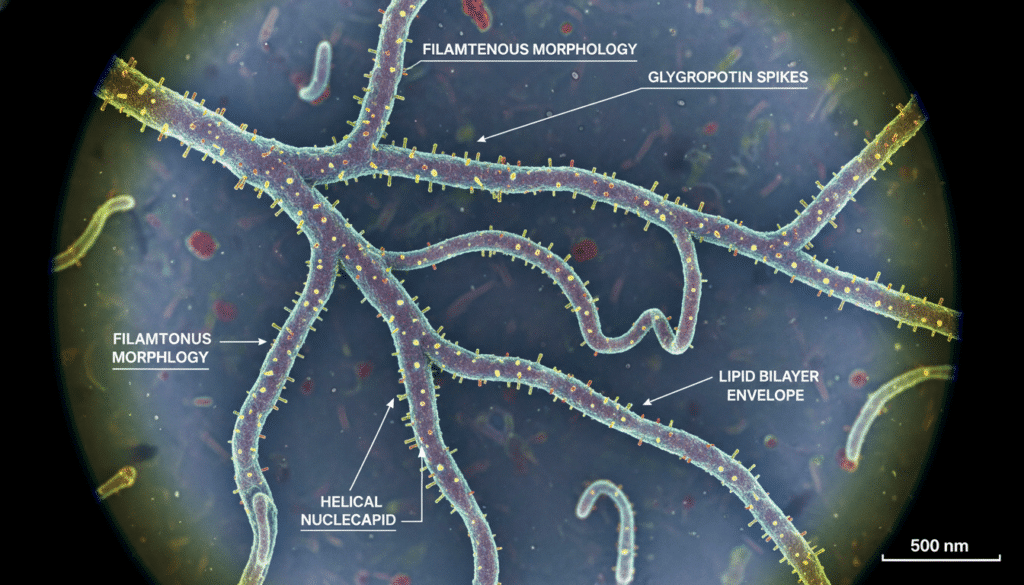
Health officials are closely watching the Ebola virus outbreak. They see a “dangerous convergence of factors” that could lead to a bigger public health crisis. Even though the risk of spread in the U.S. is low, they are cautious.
On Monday, the U.S. tightened travel rules for some. An American with Ebola was flown to Germany for treatment. This shows the urgency and planning to spot Ebola symptoms early and prevent missed exposure. Also see Alarming New Covid-19 Strain Spreads Across 25 U.S. States.
In Central Africa, the outbreak is worsening rapidly. By Tuesday, it was linked to about 130 deaths and over 500 infections in the Democratic Republic of Congo. There are also two confirmed cases in Uganda, according to reports.
The World Health Organization declared an international public health emergency over the weekend. WHO officials say the risk to the U.S. is low. But they also point out the dangers of mobility, instability, and limited response capacity.
For more information on Ebola, check out this Ebola outbreak update. Hospitals are reviewing isolation steps and protective gear protocols. The message for most Americans is to stay calm but vigilant. The Ebola virus is not easily caught in casual settings. But a public health crisis can occur when surveillance and access to treatment fail.
Key Takeaways
- The Ebola outbreak is driving heightened U.S. attention after new entry limits and an American patient’s transfer to Germany.
- The outbreak is suspected to be linked to roughly 130 deaths and more than 500 infections in the Democratic Republic of Congo.
- Two confirmed cases in Uganda add to concerns about the cross-border spread of an infectious disease.
- The World Health Organization declared an international public health emergency in Congo and Uganda.
- Experts say the risk to the U.S. remains low, but they urge awareness of Ebola symptoms after travel or close contact exposure.
- Instability and response limits in affected areas can make containment harder, even with known control measures.
Why the current Ebola outbreak is raising alarms worldwide
This Ebola outbreak is getting worldwide attention because it started quietly and then spread quickly. Health teams are racing to keep up with the spread. They worry that delays could make it hard to stop the outbreak and respond globally.
By the time officials realized the danger in eastern Congo, many were already sick. Jeremy Konyndyk, a former USAID official, compared it to 2014 in West Africa. Back then, there were 49 cases and 29 deaths. Now, Congo and Uganda have reported 80 suspected deaths.
Trump’s drug plan – TrumpRx: Affordable Prescriptions for Everyone.
The timeline was tight. The CDC was told on Thursday by Congo and on Friday by Uganda. Hundreds of suspected infections were being tracked before the alert widened.
Many infections spread through direct contact with blood or bodily fluids. In Congo’s Ituri region, Dieudonné Lossa knew five people who died. He described fear and gatherings before Ebola was known.
Geography and insecurity make things harder. Remote roads, limited clinics, and armed militias disrupt supply lines. Mistrust can block contact tracing and safe isolation, and treatment centers have faced attacks.
WHO action and escalating concern over scale and speed
As reports spread across districts and toward busier towns, the World Health Organization increased coordination. The concern is speed: each missed contact can multiply the number of cases. This means moving staff, protective gear, and diagnostics quickly, even in unstable areas.
Craig Spencer, an emergency physician who was infected in 2014, said it was alarming to learn so much “way too quickly.” He warned that when transmission reaches larger communities, counts can rise sharply. Agencies plan for cross-border monitoring early, even if a pandemic is not expected.
A strain with limited medical countermeasures and a high fatality rate
This outbreak involves a strain for which limited medical countermeasures are available in routine care settings. A high fatality rate can intensify fear, making people avoid clinics. This can slow isolation and weaken containment efforts.
Cross-border risk is also part of the picture, as cases have reached Uganda. Anne Rimoin of the UCLA Fielding School of Public Health has pointed to armed conflict, cross-border movement, and limited access to testing as barriers. These factors test the global response and keep health officials watching for signs that the outbreak is spreading faster than teams can reach it.
U.S. response and risk assessment amid the public health crisis
Federal and local agencies are closely watching the Ebola virus outbreak in East and Central Africa. They say the immediate U.S. threat is low. But any infectious disease can change quickly, depending on late case detection, busy borders, and stretched health systems.
The CDC’s Ebola situation summary updates travel advisories and surveillance steps. U.S. health departments use this to stay on the same page.

New U.S. travel measures and a case treated abroad
On Monday, the U.S. tightened entry rules for travelers from Uganda, the Democratic Republic of the Congo, or South Sudan. This includes enhanced screening and follow-up monitoring. It aims to catch symptoms early and prevent spread.
An American infected with Ebola was flown to Germany for care. This move highlighted the challenges of controlling outbreaks across borders.
Why containment efforts are especially difficult in this setting
Stopping Ebola transmission requires fast testing, careful isolation, and reliable contact tracing. In conflict zones, these steps are hard to maintain. Gaps in reporting make it hard to track where exposure happened.
For this disease, logistics are as important as medicine. The availability of protective gear, safe transport, and lab results affects containment efforts. This is true when cases appear in different health zones.
Global response under strain after funding cuts and political upheaval
Public health teams are working with various groups to fight Ebola. They are preparing hospitals and labs in the U.S. Testing capacity and readiness drills help spot the illness early and manage patients.
But the global response faces challenges when budgets are cut or leadership changes during a crisis. With no widely available vaccine for the Bundibugyo type, many focus on supportive care, quick diagnosis, and border coordination.
Ebola Virus Outbreak Conclusion
This Ebola outbreak is more than just a news story. It’s a mix of delayed detection, border crossings, and a strain without a vaccine. This combination could turn a small outbreak into a big health crisis, testing the world’s response.
In Congo, suspected cases have reached 130 deaths and over 500 infections by Tuesday. Uganda has confirmed two cases. The World Health Organization has called it an international health emergency. Tedros Adhanom Ghebreyesus has warned of the outbreak’s scale and speed.
In the United States, the goal is to stay ahead of the outbreak and keep panic down. Travel rules have been tightened, and an infected American was flown to Germany for treatment. Teams are searching for symptoms and tracing contacts, expecting more cases.
The next steps are basic but difficult to carry out in insecure areas. Agencies must quickly scale up testing, safe burials, and contact tracing. They also need to protect health workers, despite limited resources. A strong global response can help limit the damage if it acts fast and stays focused.