Putin Rejects Ukraine Peace Deal, Cites Unacceptable Terms
Discover why Putin has dismissed the proposed Ukraine Peace Deal, claiming the conditions fail to meet Russia’s stipulations.
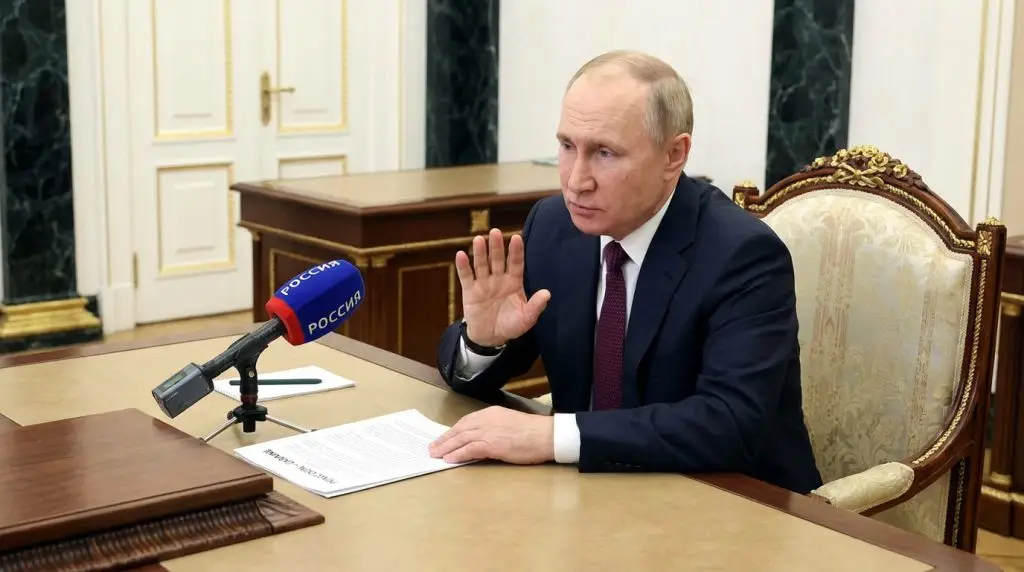
The Kremlin gave a mixed view on the Ukraine Peace Deal after a meeting in Moscow. President Vladimir Putin accepted it outright but found some terms “unacceptable.” Dmitry Peskov said this was the first direct talk with the American team.
Peskov said some parts of the deal were acceptable, but major issues remained unresolved. He called the talks “useful,” but said there was no agreement on territory or security limits. An updated peace plan was discussed, but details have not been shared yet.
Special envoy Steve Witkoff and Jared Kushner briefed Putin after talks in Florida. Peskov praised the ongoing negotiations with the Trump team. He said Moscow is ready to meet frequently to find a real diplomatic solution. The Ukraine Peace Deal is in flux, with terms under review and pressure to keep the talks going.
Ukraine Peace Deal Key Takeaways
- Putin did not issue an outright rejection but labeled parts of the Ukraine Peace Deal unacceptable to Russia.
- Dmitry Peskov described the effort as a regular part of ongoing peace talks.
- Steve Witkoff and Jared Kushner delivered a briefing in Moscow after meetings in Florida with U.S. and Ukrainian participants.
- Core disputes include territory and military constraints, with no compromise yet on the toughest points.
- Proposal details remain secret as the sides explore a diplomatic resolution and next steps.
- Context from independent analyses warns of strategic risks embedded in any rushed deal, as seen in this strategic assessment.
- High stakes persist if talks stall, with reports noting pressure on Kyiv to decide, outlined in this deal overview.
Latest Developments in Peace Negotiations and International Mediation
The pace of peace talks has picked up, but finding a solution is tough. Moscow and Washington are working together, aiming to reduce risks. They say progress depends on refining language and verifying steps.
Kremlin’s Position: Useful Talks, No Compromise Yet
Kremlin officials found the talks helpful and detailed. They said some ideas fit the framework, while others don’t. The message is clear: talks continue, but no deal is ready yet.
According to Russian officials, the review covered prior U.S. documents and a revised structure for peace talks. The tone was constructive, showing ongoing efforts in international mediation.
Peskov’s Clarification: Not an Outright Rejection, Ongoing Working Process
Dmitry Peskov clarified that the meeting was not a flat refusal. He said it was a first, direct exchange in which the parties weighed specific items. He views the process as active and iterative, not final.
He added that negotiators are testing proposals against real conditions on the ground. This approach aligns with the standard conflict-resolution steps used in past peace negotiations.
Five-Hour Moscow Meeting: Witkoff and Kushner Brief Putin
Special envoy Steve Witkoff and Jared Kushner briefed President Vladimir Putin after a weekend round in Florida. They updated Putin on edits to a plan introduced last month. U.S. officials signaled room to refine terms across security and timing.
These talks echo shuttle efforts in Geneva and Abu Dhabi, where a 28-point framework took shape. For context on the Moscow session’s tone and scope, see this latest dispatch, which highlights the focus on practical steps and territorial questions.
Secrecy Around Proposal Details and Next Steps
The parties chose not to reveal draft clauses, verification tools, or timelines. This secrecy shows how fragile the balance is inside the peace talks. International mediation remains vital. Insiders say the next moves hinge on expert groups and possible leader-level check-ins once gaps are narrowed.
Regional platforms may help sustain contact and lower risk. Turkish officials argue Istanbul can host further rounds, reflecting Ankara’s bid to support dialogue through facilitation and maritime security efforts; a broader view of that role appears in reporting on Türkiye’s mediation track.
U.S. and European channels continue to shape draft language as teams weigh guarantees, monitoring, and phased steps. Recent accounts suggest a workable baseline with unresolved points; a concise overview of that evolution is captured in this note on a U.S.-brokered framework, which highlights the focus on keeping the parties at the table while clarifying core terms.
Ukraine Peace Deal: Reactions from Kyiv, Washington, and Brussels
News from Moscow quickly got reactions from capitals worldwide. Kyiv and its allies moved in sync. Washington played a key role in international mediation. Everyone hoped for a Ukraine peace deal to calm the war and start talks.
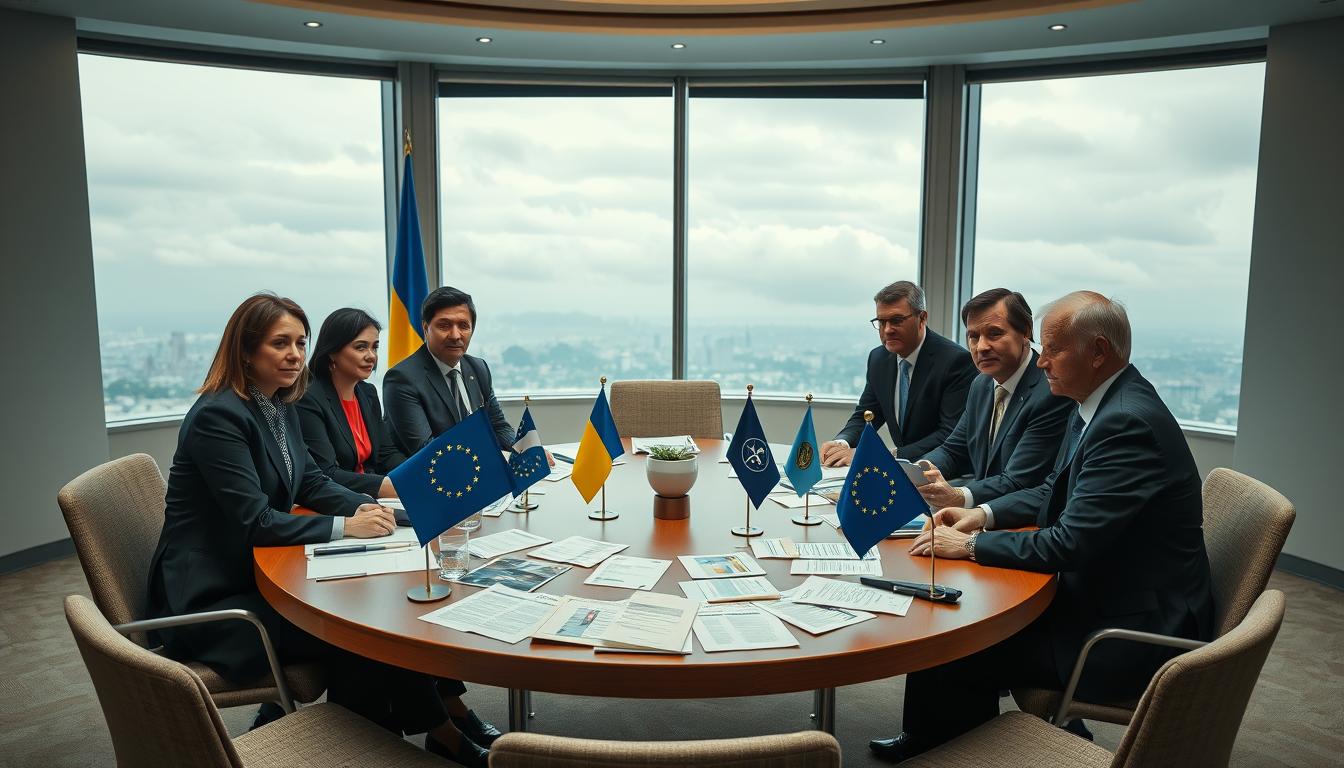
Ukrainian Coordination in Brussels: Umerov and Hnatov Engage European Counterparts
Ukrainian officials worked together in Brussels. They prepared for talks with the European Union. They wanted a ceasefire agreement that wouldn’t give up territory.
European leaders talked about unity and support. They set the stage for a political settlement. Reports from Brussels and other capitals showed support for talks and aid.
Zelenskyy’s Message: Negotiation Process Fully Active
President Volodymyr Zelenskyy said talks with partners are ongoing. He linked progress to steady diplomacy and pressure. This balance aims for a lasting peace deal in Ukraine.
Kyiv is firm on not giving up land but keeps talks open. This approach aims to turn battlefield realities into a real ceasefire agreement.
U.S. Role: From Florida Sessions to Moscow Briefings
The United States helped update a plan before sending envoys to Moscow. Sessions in Florida brought together key figures. This showed Washington’s significant role in international mediation towards a political settlement.
The path from U.S. talks to Moscow briefings showed progress. But details were kept secret and reviewed in forums.
Path to a Ceasefire Agreement and Political Settlement
Diplomats discussed short-term steps such as verification and aid. The goal is a balanced framework for a lasting peace deal in Ukraine. This framework must respect the red lines set by Kyiv and its allies.
- Keep synchronized pressure and talks for a viable ceasefire agreement.
- Define interim measures for a phased political settlement.
- Use sustained international mediation to bridge gaps and monitor compliance.
In Brussels and Washington, officials see this as a step-by-step effort. It tests goodwill while maintaining strong defenses. This approach aims to turn fragile openings into tangible results.
Ukraine Peace Deal Conclusion
The latest signs show a slow move towards peace, but no significant steps yet. Moscow says the Ukraine Peace Deal is not forgotten, but considerable disagreements remain. Talks with U.S. envoys lasted five hours and were seen as helpful, but didn’t solve the most challenging problems. This keeps the peace talks alive, but they are very delicate.
Dmitry Peskov said the talks are ongoing, with some parts agreed upon and others still under discussion. Kyiv is also working on its own plans. In Brussels, Rustem Umerov and Andrii Hnatov are coordinating efforts, while President Volodymyr Zelenskyy says the talks are active. Both sides are exploring ways to find a diplomatic solution that can withstand pressure.
Washington held two important meetings. First, in Florida, Ukrainian officials met with Secretary of State Marco Rubio. Then, in Moscow, Steve Witkoff and Jared Kushner briefed Vladimir Putin. The details are unclear, but external reviews, such as the provision-by-provision analysis, show there’s a lot to work on. The key to resolving the conflict is clear security steps, funding for recovery, and strict enforcement.
In short, there’s progress, but no final deal yet. Any ceasefire or broader political agreement will require ongoing international support, sustained negotiations, and compromises that everyone can live with. Until these elements come together, the Ukraine Peace Deal remains ongoing, and finding a lasting solution remains the continuing quest.
Ukraine Peace Deal FAQ
Did President Vladimir Putin reject the latest U.S.-backed Ukraine peace deal?
The Kremlin says no. Dmitry Peskov clarified that Putin did not outright reject the proposal. He called parts of it unacceptable to Russia, while other elements were received positively. He framed the talks as a normal working process toward a diplomatic resolution.
What was the outcome of the five-hour meeting in Moscow?
Kremlin aides described the talks as applicable but said no compromise plan was reached on the most challenging issues. Special envoy Steve Witkoff and Jared Kushner briefed Putin after Florida discussions that included Secretary of State Marco Rubio and a Ukrainian delegation.
Why haven’t the proposal’s details been made public?
None of the parties has disclosed the contents. Peskov said Russia does not plan to reveal what was discussed. The secrecy reflects sensitive conflict resolution efforts, unresolved disagreements, and the ongoing nature of international mediation and peace talks.
How is Kyiv responding to the latest round of peace negotiations?
Ukraine is coordinating with European allies in Brussels. Rustem Umerov and Andrii Hnatov are regrouping with counterparts to assess the Moscow meeting. President Volodymyr Zelenskyy says the negotiation track remains fully active, with preparations for further engagement with U.S. envoys.
What role is the United States playing in the peace talks?
The U.S. has been central to the process. After the Trump administration presented an original plan to Kyiv last month, top U.S. and Ukrainian officials met in Florida on Sunday to refine it. Steve Witkoff and Jared Kushner then traveled to Moscow to brief Putin on revisions, with Secretary of State Marco Rubio involved in the Florida session.
Are there signs of progress toward a ceasefire agreement?
There is cautious momentum. While no breakthrough was announced, the sequence—from Florida to Moscow, followed by Brussels consultations—suggests active work toward a possible ceasefire agreement and a broader political settlement, pending resolution of key sticking points.
What issues are preventing a compromise?
Officials have not disclosed specifics. Based on the statements, disagreements are likely to involve core security guarantees, timelines, and verification mechanisms. These are typical obstacles in conflict resolution and in the design of ceasefire agreements.
How often will the sides meet next?
The Kremlin says it is ready to meet as many times as necessary to reach a peaceful settlement. Kyiv plans further consultations after Brussels, and U.S. envoys are expected to continue shuttle diplomacy as peace negotiations evolve.
Does Moscow’s stance mean the door is open to a political settlement?
Yes. Peskov’s comments indicate openness to ongoing talks, even as some terms are unacceptable. The working-level effort aims to narrow differences and build a framework for a political settlement under international mediation.
How does international mediation factor into the process?
International mediation anchors the talks. U.S. officials are facilitating exchanges between Moscow and Kyiv, while European partners in Brussels provide regional support. Coordinated diplomacy is key to any durable ceasefire agreement and political settlement.