U.S. Overnight Airstrikes Hit More Than 70 Jihadist Extremest Targets
Update: More than 70 jihadist group camps have emerged across the US, sparking heightened national security and counterterrorism initiatives.
U.S. Overnight Airstrikes
U.S. Overnight Airstrikes Hit More Than 70 ISIS Jihadist camps: In a quick update, U.S. Central Command launched a big attack on the Islamic State in central Syria. They hit ISIS Camps, killing at least 5 ISIS members. This was part of a considerable effort to keep the country safe and fight terrorism.
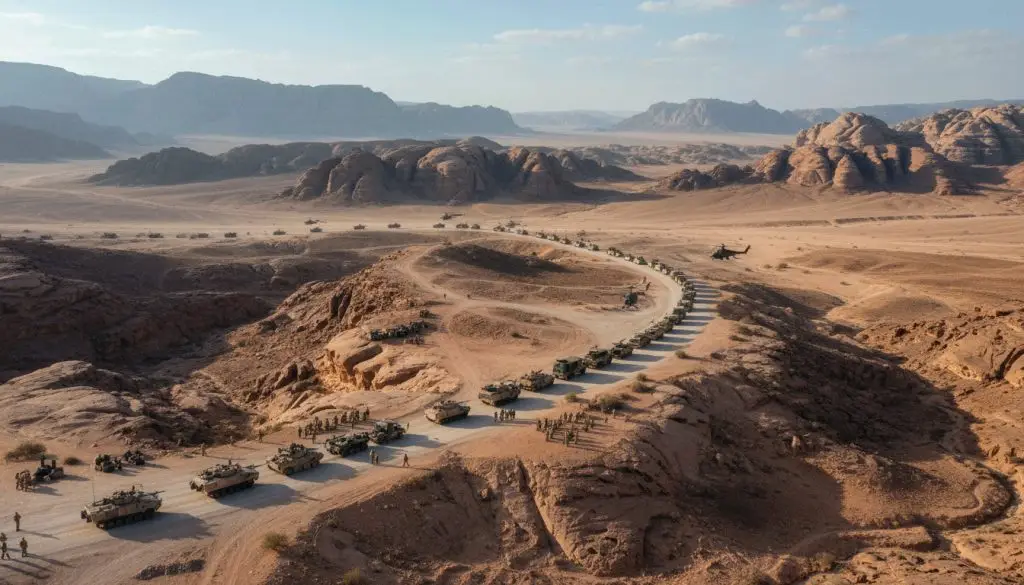
The attack lasted five hours. It used fighter jets, attack helicopters, and more than 100 precise bombs. Early reports said at least five ISIS members were killed in Deir Ezzor, including a drone cell leader. Jordan also said they helped to protect their southern border.
Officials said they aimed for remote areas to avoid harming civilians. There were no ground troops involved. The White House called it a “serious retaliation” for the December 13 attack near Palmyra that killed two U.S. soldiers and a U.S. civilian. They said it’s part of Operation Inherent Resolve and their fight against ISIS in the Badia desert and beyond.
For those interested in national security, check out this news update resource for more information as it comes out.
U.S. Overnight Airstrikes Key Takeaways
- US confirms strikes on more than 70 ISIS targets in central Syria overnight.
- The operation used fighter jets, attack helicopters, artillery, and 100+ precision munitions.
- Jordan reports participation, citing regional security concerns.
- Targets were far from population centers to reduce civilian risk.
- Action framed as retaliation after the December 13 Palmyra attack.
- Early reports indicate ISIS casualties, including a drone cell leader in Deir Ezzor.
Breaking update on overnight US counterterrorism efforts across central Syria
The overnight operation was a big step up in fighting terrorism in central Syria. It happened in rugged terrain from Palmyra to Deir Ezzor, through the Badia desert, and into Homs and Raqqa. The strikes aimed to tackle growing terrorism threats in the east, where ISIS moves freely.
Officials noted the pace and precision were designed to limit harm to civilians while degrading key nodes.
What happened overnight: strikes on more than 70 ISIS Camps
U.S. Central Command said over 70 targets were hit in central Syria. The focus was on ISIS’s key infrastructure and weapons. A Syria-based monitor reported deaths in Deir Ezzor, including someone linked to drones.
The action followed raids in Syria and Iraq, leading to more deaths or detentions. No ground maneuvers were reported.
Jordan’s confirmed role and regional security implications
Jordan’s armed forces confirmed their air force was part of the mission. Amman warned of terrorism spreading from southern Syria into neighboring states. Officials said reconstituted cells could use remote areas for attacks.
This joint effort shows better coordination around the Golan and the Euphrates corridor. Militants are trying to find gaps in the local authorities here.
Locations targeted: Palmyra corridor, Badia desert, Homs, Deir Ezzor, and Raqqa
The operation targeted a mountainous belt north of Palmyra, the Badia desert, and parts of Homs, Deir Ezzor, and Raqqa. These areas hide, smuggle fuel, and have river crossings. They also lie near areas where different security groups fight.
Targeters focused on areas away from crowded neighborhoods in Deir Ezzor and Raqqa. This was to protect families moving on local roads.
Operational details: fighter jets, attack helicopters, artillery, and 100+ precision munitions
The strike used fighter jets, attack helicopters, and artillery. Over 100 precision munitions hit storage sites, command nodes, and mobility assets. The attack lasted hours and was very intense, according to regional security sources.
Weather and terrain in central Syria influenced the timing and flight paths. The approach was designed to minimize harm to civilians while keeping pressure on ISIS in Homs, Palmyra, the Badia desert, and Deir Ezzor.
Update: More than 70 jihadist groups were hit in US overnight Strikes in Syria
US update: Overnight, the US launched strikes against ISIS sites in central Syria. This swift action came after a deadly attack near Palmyra. It shows the US’s ongoing efforts to stop extremist groups before they can regroup.
Why this update matters for national security and counterterrorism efforts
This campaign shows how national security planning has changed. It now focuses on speed, precision, and working with allies. By targeting ISIS’s networks, the US aims to reduce the threat of extremism.
Officials used over 100 precision munitions and air support in the strikes. This approach is part of a long-term strategy to keep extremist groups in check.
Context: retaliation after the December 13 attack that killed two US soldiers and a US civilian
The strikes were a response to the December 13 attack near Palmyra. This attack killed two U.S. soldiers and a U.S. civilian. The attacker was linked to extremist ideas, showing lone actors can cause big problems.
After the attack, U.S. and allied teams took action in Syria and Iraq. They killed or detained suspected operatives. A detailed report on overnight strikes shows hits on ISIS infrastructure and a drone cell leader.
Statements from US Central Command and President Trump on “very serious retaliation.”
U.S. Central Command said the strikes targeted over 70 ISIS sites. These sites were linked to command, weapons, and mobility. The goal was to keep pressure on cells that threaten American forces and partners.
“This was very serious retaliation, and it will continue against those responsible,” President Donald Trump said. He framed the action as a necessary step to restore deterrence.
Mitigating civilian risk: targets far from population centers and no displacement reported
Mission planners chose remote sites to avoid civilian harm. The targets were far from towns and transit hubs. Officials reported no displacement after the strikes.
This focus helps achieve national security goals while protecting civilians. It keeps the strikes targeted at extremist nodes, without increasing the threat at home.
Evolving threat landscape: terrorism, extremism, and domestic threat considerations in the US
The latest update on Syria shows ISIS is active in the Badia. This affects how we see terrorism risks and the domestic threat. U.S. forces in Syria and at Al-Tanf help by stopping jihadist plans.
Reports of five militants killed, including a drone leader, show ISIS is changing its tactics. Jordan’s efforts help keep extremism away from its border. This allows the U.S. to make our air, energy, and travel safer.
. They focus on infrastructure and weapons, avoiding people. This approach helps win local support and reduces the spread of extremist propaganda.
Israel’s actions in Syria and the Golan Heights add complexity. These moves can change how threats spread and are seen online. This affects lone actors in the U.S.
The Naval Air Station Pensacola attack and the El Paso shooting are examples. They show the danger of terrorism and hate crimes. The U.S. Department of State’s Country Reports on Terrorism helps understand these threats.
Keeping safe at home means watching for signs of trouble. Family violence and alcohol misuse can lead to harm. Resources like the National Domestic Violence Hotline help us understand these risks.
“Community vigilance and steady, lawful engagement are key to resilience,” a common refrain in local preparedness guides, frames the link between global shocks and neighborhood safety.
- Operational takeaway: precision strikes and partner coordination limit jihadist activity corridors.
- Homeland lens: online propaganda and copycat dynamics sustain the risks of extremism.
- Public sphere: steady reporting channels and support services reinforce US security baselines.
U.S. Overnight Airstrikes Conclusion
The US launched a strong attack on ISIS in central Syria overnight. Over 70 targets were hit with fighter jets, helicopters, and artillery. More than 100 precision munitions were used.
CENTCOM confirmed the attack’s size. President Donald Trump called it a serious response to the Palmyra attack. This attack killed two U.S. soldiers and a U.S. civilian in December.
The campaign targeted areas in the Palmyra corridor and the Badia desert. It also hit provinces like Homs, Deir Ezzor, and Raqqa. Jordan played a role, showing a shared goal for stability.
At least five ISIS militants were killed, including a drone-cell leader. The targets were far from people to avoid harm. This shows the U.S. is careful to protect civilians.
After the attack, the U.S. and allies have carried out 10 operations in Syria and Iraq. They killed or detained 23 terrorists under Operation Inherent Resolve. ISIS lost territory in 2019, but desert cells remain a threat.
Coordinated action and steady U.S. engagement are key to defeating ISIS. The State Department’s Country Reports on Terrorism outline this strategy.
As partners share information and screen borders, the U.S. sends a clear message. Persistence is key. This attack shows a broader strategy to stop ISIS, protect communities, and keep security high.
U.S. Overnight Airstrikes FAQ
What happened overnight in central Syria, and who confirmed it?
U.S. Central Command (CENTCOM) confirmed an overnight operation. It targeted more than 70 ISIS sites in central Syria. The operation lasted about five hours and focused on ISIS’s infrastructure and weapons.
Why did the United States launch these strikes now?
The strikes were a quick response to an attack in Palmyra on December 13. Two U.S. soldiers and a U.S. civilian were killed. President Donald Trump called the response “very serious retaliation.”
What military assets were used during the operation?
Fighter jets, attack helicopters, and artillery were used. They delivered over 100 precision munitions against ISIS targets.
Where did the strikes occur?
The strikes hit a mountainous belt north of Palmyra toward Deir Ezzor. They also targeted parts of Homs, Deir Ezzor, and Raqqa provinces.
Did Jordan participate, and what did it say about the threat?
Yes. Jordan’s military confirmed its air force was involved. It aimed to stop extremist groups from threatening regional security. Amman warned that ISIS is rebuilding in southern Syria.
Were there reported ISIS casualties?
The Syrian Observatory for Human Rights reported that at least five ISIS members were killed. This includes the leader of a drone cell in Deir Ezzor.
Were ground troops used or civilians displaced?
No ground operations were conducted. Syrian officials said targets were far from people, with no civilian displacement reported.
How does this relate to ongoing counterterrorism efforts?
After the Palmyra attack, the U.S. and allies have launched 10 more operations in Syria and Iraq. They killed or detained 23 terrorists under Operation Inherent Resolve.
What is known about the Palmyra attacker?
Washington says a lone ISIS gunman carried out the attack. Syrian authorities said the attacker was a security forces member. ISIS has not claimed responsibility.
How does this impact U.S. national security and domestic threat concerns?
Disrupting ISIS in Syria lowers the domestic threat in the U.S. It also strengthens counterterrorism partnerships, vital to national security.
What is the broader regional context?
ISIS remains in Syria’s desert regions, despite losing territory in 2019. U.S. forces are in northeast Syria and at Al-Tanf near Jordan. Israel caught a suspected ISIS member in southern Syria, showing a complex security environment.
How are civilian protections being implemented during strikes?
Targets were selected far from populated areas, and precision-guided munitions were used. No displacement was reported, meeting U.S. civilian safety standards.
What message did U.S. leaders send about future actions?
CENTCOM said it will keep pressuring ISIS networks. President Trump said the strikes were severe and that the United States is ready to act again against threats.
How do these strikes affect ISIS’s operational capabilities?
The strikes hit ISIS’s infrastructure, weapons, and a drone-cell leader. This weakens their command, logistics, and surveillance, limiting their attacks.
What role do partners like Jordan play in counterterrorism efforts?
Jordan’s involvement shows regional cooperation. It helps deny extremist groups a haven in southern Syria, boosting coalition efforts and stability.