ICE Protests Intensify as Trump Prepares Troop Deployment in Minnesota
Discover how President Trump readies troops for deployment to Minnesota in response to escalating ICE Protests demanding change in immigration policies.

The Trump administration is preparing up to 1,500 troops for Minnesota. This is due to ongoing ICE protests and increased federal immigration actions. See the recent Minnesota ICE story
In the Twin Cities, tensions are high. ICE protests and other immigration actions have drawn crowds near major transit and government buildings. Enforcement operations are underway.
The Minnesota National Guard is ready to help local law enforcement. This shows officials are preparing for any situation. FOX 9 reports that the Guard is ready to protect the public during protests.
Governor Tim Walz advises people to stay safe and peaceful. He says Minnesota’s public safety team is ready. Immigration activism demonstrations are happening in Minneapolis and nearby areas, with organizers closely watching the situation.
ICE Protests Key Takeaways
- Up to 1,500 troops are being prepared for possible deployment to Minnesota amid ICE protests.
- ICE protests have intensified in the Twin Cities during ongoing immigration enforcement operations.
- The Minnesota National Guard remains on standby to support local law enforcement and public safety agencies if needed.
- Governor Tim Walz called for calm and said public safety resources are already on the ground and coordinated.
- Immigration and Customs Enforcement protests are unfolding alongside broader immigration activism demonstrations across the metro.
- Federal and state leaders are signaling readiness as the situation remains fluid in Minneapolis and surrounding areas.
Why Troops Could Be Deployed to Minnesota as ICE Protests Continue
ICE protests in Minneapolis are growing, and leaders are trying to find a way to respond without making things worse. The situation is tense, with street demonstrations, crowd control, and arrests linked to immigration enforcement.
Immigration policy protests in the Twin Cities have led to increased police presence and clearer messages from officials. Protest organizers aim for visibility and pressure. Officials, on the other hand, focus on safety and keeping public streets open.
Pentagon readiness and “prepare to deploy” orders for up to 1,500 troops
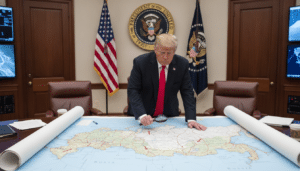
The Pentagon is getting ready to send up to 1,500 soldiers to Minnesota. This is happening as protests against ICE grow outside federal buildings and along important roads.
The idea of using active-duty troops is under consideration but not yet decided. The debate also brings up questions about what federal agencies can do during peaceful protests.
11th Airborne Division’s role and why an Alaska-based unit is being considered
The 11th Airborne Division, based in Alaska, is mentioned in discussions. It’s known for training in cold weather and mountains. These skills could be useful in northern states.
But sending troops from Alaska raises questions. How long it takes to get there, where they would stage, and how they would work with local agencies are all important. These details are why Minnesota officials are watching the planning closely.
Trump’s comments on the Insurrection Act and pressure on Minnesota leaders
President Donald Trump has suggested using the Insurrection Act if Minnesota doesn’t control anti-ICE protests. Governor Tim Walz and Minneapolis Mayor Jacob Frey are unhappy with the federal presence. They say it’s affecting the city.
There are legal limits to what can be done. A federal order restricts certain tactics against peaceful protesters. This is covered in this BBC report, as protests continue downtown.
How “Operation Metro Surge” factors into immigration policy protests in the Twin Cities
“Operation Metro Surge” is a big part of the immigration debate. It involves thousands of ICE agents targeting serious crimes and undocumented immigrants in Minnesota. This operation has sparked protests at ICE facilities and near enforcement offices.
- Supporters say it improves public safety and speeds up deportation cases.
- Critics argue it increases fear, expands detention, and fuels protests against ICE in Minneapolis.
Minnesota National Guard on Standby to Support Local Law Enforcement
ICE Protests are growing in Minneapolis and nearby cities. State leaders are ready to help, but they’re not rushing to show force. The Minnesota National Guard is ready to assist local law enforcement and emergency teams. At the same time, people are organizing rallies against deportations and other events.
Guard statement: protecting life, preserving property, and safeguarding First Amendment rights
The Guard has a clear message. It’s focused on keeping everyone safe and maintaining order. It also wants to ensure that people can express their rights during demonstrations.
This approach is key. It shows that the Guard aims to manage crowds rather than suppress them. It also sets the stage for how the state might respond if things get worse.
What “on standby” means and how activation would work if requested
Being “on standby” means the Guard is ready but not deployed. Governor Tim Walz hasn’t called them in yet. Any deployment would depend on specific needs, such as staffing or emergency response.
In Minneapolis, rallies can quickly turn into spontaneous gatherings. National reports also show federal troops ready to deploy across the state, including troops on standby beyond Minnesota.
Why Guardsmen may wear reflective vests to distinguish themselves from other agencies
If the Guard is called in, they might wear reflective vests. This is to make it easy for people to tell them apart from other agencies. It’s important during ICE protests near federal buildings and transit areas.
Clear signs can help in tense situations. They can show who’s directing traffic or securing areas. This is important during demonstrations.
Recent precedent: National Guard presence during the Derek Chauvin trial in 2021
Minnesota has seen the Guard before. During the 2021 Derek Chauvin trial, they were there to support safety. People gathered in large numbers, and the Guard helped plan for it.
This experience is guiding today’s response to rallies and the Abolish ICE movement. For more on the federal situation, CBC’s reporting explains the military’s readiness amidst the protests.
Tensions After ICE-Related Shootings Spark Immigration and Customs Enforcement Protests
The Twin Cities are feeling the heat as ICE operations grow. After two shootings linked to ICE, protests have become louder and more common. People are worried about the unknown, with unmarked vehicles and unclear information making daily life uncertain.
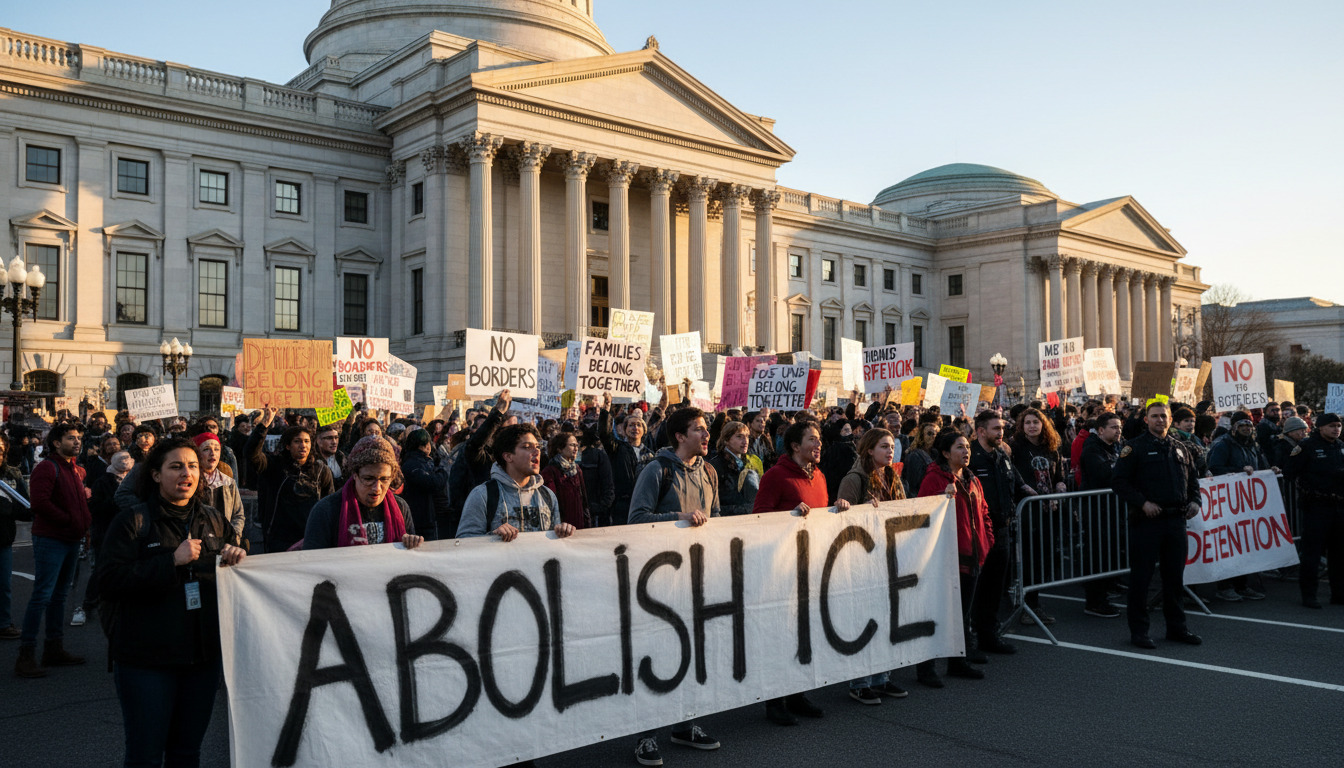
Jan. 7: Fatal shooting of Renee Good during a federal investigation in south Minneapolis
On Jan. 7, 37-year-old Renee Nicole Good was shot and killed by an ICE agent in south Minneapolis. ICE said her car was blocking the road and that she was told to get out. When she tried to drive away, the agent fired, fearing for his life. Others question this story as investigators look into the incident.
As news spread, protests against ICE detention grew near memorials and community events. The case and the federal response continue to be reported, including updates from the BBC’s Minneapolis coverage.
Jan. 14: ICE agent shoots Venezuelan man after traffic stop as officer is attacked with a shovel or broom
On Jan. 14, a Venezuelan man fled a traffic stop in north Minneapolis. The officer was attacked with a shovel or broom, and two others joined in. The agent fired in self-defense, and the injured man was taken to the hospital with non-life-threatening wounds.
The confrontation sparked anger in the neighborhood. Residents felt scared and confused as more agents arrived. Sahan Journal’s reporting in north Minneapolis has documented the scene and community response.
How these incidents intensified the protest against ICE detention and anti-deportation rallies
The incidents highlighted a pattern of aggressive enforcement, say organizers. Nights of rallies and marches increased, with some clashes damaging property and nerves. People are now demanding transparency, limits on stops, and clear rules for the use of force.
When people do not know who is making stops or why, trust breaks down fast, and every encounter feels like it could turn dangerous.
What organizers are demanding across migrant rights demonstrations and the Abolish ICE movement
Groups across migrant rights demonstrations are calling for changes. They want less detention, more legal support, and better oversight of enforcement. Some support the abolish ICE movement, pushing for community-based systems and court access instead of detention.
National pressure adds to the tension, with the White House pushing for faster removals. This has led to internal DHS pushback and explains why local protests keep growing. This is detailed in coverage of internal DHS pushback.
- Independent review of critical incidents and public release of key findings.
- Clear limits on street stops and a stronger process to challenge wrongful arrests.
- Reducing reliance on detention is a central demand in protests against ICE detention messaging.
ICE Protests Conclusion
Minnesota is on high alert as ICE protests go on, and the Trump administration might send up to 1,500 troops. The Minnesota National Guard is prepared to help local police if asked. Many wonder how long it will take for tensions to rise again.
The focus is on how fast the Twin Cities will see more enforcement. This is linked to “Operation Metro Surge” and immigration policy protests. President Donald Trump has hinted at using the Insurrection Act if Minnesota doesn’t control protesters.
Supporters say this action keeps public order. Critics worry it could make things worse. This debate is fueled by recent violence.
Two violent incidents have raised concerns. The first was the Jan. 7 fatal shooting of Renee Good in south Minneapolis. The second was the Jan. 14 shooting of a Venezuelan man after a traffic stop and an alleged attack on an ICE agent.
These incidents led to protests near the scene. They added to the growing protests against the ICE facility. These protests were already drawing big crowds.
Gov. Tim Walz has asked people to stay safe and peaceful. He says public safety resources are ready, and the National Guard hasn’t been called in. Yet, the Guard’s role in 2021 shows how quickly things can change.
As officials consider their next steps, debates over domestic terrorism claims tied to ICE are ongoing. These debates will shape how future protests are handled and seen.