Ukraine War’s Endless Horizon Amid Putin’s Aim
Explore the latest on Ukraine War’s developments as Zelenskyy confronts Putin’s territorial ambitions, shaping global politics and humanitarian efforts.

Ukraine War's is never ending stated Zelenskyy
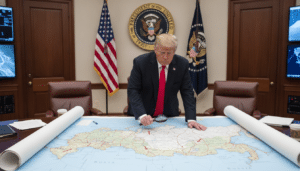
Ukraine War is never ending stated Zelenskyy: In Davos on Jan. 22, President Volodymyr Zelenskyy made a big move. He met with U.S. President Donald Trump. This meeting was important because it could lead to big changes.
The World Economic Forum is a place where deals are made. It’s where the Ukraine War’s strategy is closely watched. Allies and markets pay attention here. Allies and markets pay attention here.
Zelenskyy talked about peace talks. He said the U.S. had agreed to security guarantees in principle. But, he also mentioned a big issue: Ukraine’s territory and Russia’s claims to it.
The tension is high. Russia wants parts of Donetsk, but hasn’t taken them yet. This is part of their demand for Ukrainian territory. A CBS News report explains the situation.
This isn’t just a foreign policy issue. It affects Americans, too. The U.S. approach is changing, and there’s a push for a lasting solution. A new proposal includes security guarantees and ceasefire terms. These are key to solving the crisis, as explained here.
Ukraine War Key Takeaways
- Zelenskyy used Davos to argue that the Ukraine War’s trajectory could change with top-level diplomacy.
- He said U.S.-backed security guarantees were finalized in principle, but details matter.
- The central block to peace talks remains Ukraine’s territory and Russia’s demands, including in Donetsk.
- International relations are shifting as U.S. policy signals change under Trump.
- Any crisis resolution will likely hinge on enforceable guarantees, monitoring, and battlefield realities.
- U.S. audiences have a direct stake because security outcomes in Europe can shape American strategy and costs.
Security Guarantees Finalized After Zelenskyy–Trump Talks in Davos
In Davos, Volodymyr Zelenskyy and Donald Trump focused on the next steps in the Ukraine war. They talked about diplomacy and market pressure. Their words showed a step forward in international relations, something everyone has been waiting for.
Ukraine’s bonds went up by more than 2 cents on Thursday. This small change shows investors are watching closely. Even small changes can make a big difference in a long war.
What Zelenskyy said was finalized: terms of U.S.-backed security guarantees
Zelenskyy said they agreed on security guarantees after talking with Trump in Davos. He wanted U.S. guarantees and money for rebuilding before agreeing to anything.
He talked about getting air defense and other protection in Davos. These plans were shared in Davos talks updates. They aim to protect civilians while talks go on.
Why the key issue remains unresolved: Ukraine’s territory and Russia’s demands
Even with progress on guarantees, the main issue is Ukraine’s territory. Zelenskyy didn’t say they talked about territory with Trump. This leaves a big gap between what they said and what really matters.
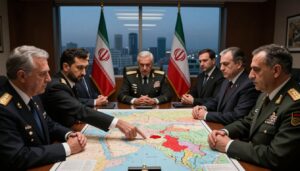
Moscow is not interested in the U.S. peace plan. They want Ukraine to give up part of Donetsk. This area is key to any deal and to the bigger picture of international relations.
How both leaders framed the meeting: “positive” talks and an “ongoing process.”
Zelenskyy saw the meeting as positive. Trump called it good and said it’s “an ongoing process.” When asked about Putin, Trump was clear: “The war has to end.”
Behind Trump’s words, there’s careful negotiation. Details are being worked out in peace deal updates. They aim to match promises with what’s happening on the ground.
- Security guarantees were presented as settled in principle, with a focus on protection and follow-through.
- Territory remained the hardest point, tied to Russia’s demands and Donetsk’s position.
- Both leaders kept expectations in check, signaling steady progress in international relations.
Ukraine War’s Conflict Updates: Abu Dhabi Trilateral Meetings and Moscow Diplomacy Efforts
The next phase of the conflict is about actions, not just words. Ukrainian President Volodymyr Zelenskyy believes the coming days will show if diplomacy can bridge the long-standing gaps.
First Russia–Ukraine–U.S. trilateral meetings set for Friday and Saturday in Abu Dhabi
Zelenskyy announced that Ukraine, Russia, and the United States will meet in Abu Dhabi. This will be their first trilateral talks, starting on Friday and Saturday. He said Ukraine’s team is on its way to the United Arab Emirates for these talks.
Supporters see this as a step towards solving the crisis. Critics, though, say real progress needs hard compromises from both sides.
U.S. envoys’ Moscow trip: Steve Witkoff and Jared Kushner scheduled to meet Putin
U.S. envoy Steve Witkoff and Jared Kushner are heading to Moscow. They aim to discuss a plan to end the war with Vladimir Putin. The meeting is set for after 7 p.m. Moscow time, with a tight schedule before the next talks.
Details of their trip and talks are being closely followed. This is seen as a key moment in diplomacy efforts.
What’s on the table: military-to-military talks and a “prosperity package” discussion
Witkoff mentioned that talks will move from Moscow to Abu Dhabi. There, they will focus on military issues and a “prosperity package.” Zelenskyy also mentioned an economic recovery deal, seen as key for stability.
- Military channels focused on guardrails, monitoring, and incident prevention.
- Economic tracks aimed at recovery planning that could reinforce crisis resolution if violence slows.
Signals from Davos: Witkoff’s remarks on progress if both sides want a resolution
Witkoff spoke at Davos, saying progress is being made. He emphasized that if both sides want peace, it’s achievable. His words aim to keep the talks going, despite growing pressure for results.
Putin discussed possible solutions in a public speech. He mentioned using frozen Russian assets for Ukraine’s reconstruction and a Board of Peace proposed by Donald Trump. These ideas are part of the broader efforts to resolve the crisis, as reported in crisis resolution developments.
Current Situation on the Ground: Military Intervention, Humanitarian Crisis, and Energy Disruptions
The situation in Ukraine was tense on Thursday, with diplomats working hard. Military actions were happening in the air, while emergency teams were on the ground. Energy problems were affecting many areas, not just the areas where the attacks occurred.
Many experts follow the conflict through the Global Conflict Tracker. In the U.S., this timeline helps people understand each new event and talk.
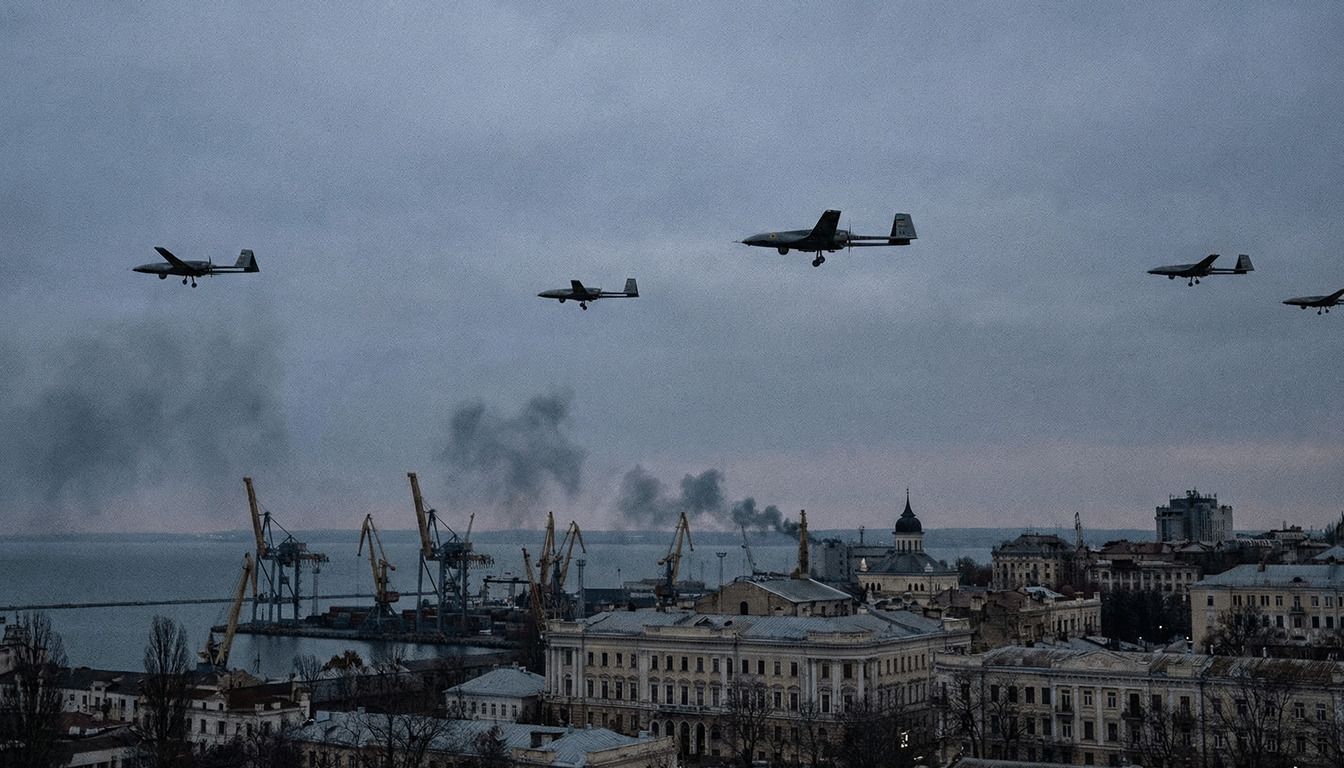
Russia keeps up airstrikes: Odesa drone attack kills 17-year-old; apartment building hit
In Odesa, a drone hit an apartment building, killing a 17-year-old. This attack worsened the humanitarian crisis. Families were making quick decisions about where to stay and what to carry.
People also faced power issues, unstable heat, and long waits for repairs. These problems put a lot of pressure on local services.
Kryvyi Rih strike: ballistic missile hits a residential building; multiple wounded
In Kryvyi Rih, a ballistic missile hit a building, injuring 11 people. This attack showed how war affects daily life for many Ukrainians.
Reports and negotiations were coming in fast. Updates were shared quickly, like peace talks live updates. This contrast between talks and rubble became part of the public’s experience.
Kyiv heating emergency: nearly 3,000 high-rises without heating after recent attacks
In Kyiv, nearly 3,000 high-rises were without heat on Thursday. This was not just about comfort; it was about safety, too.
Zelenskyy said these outages were part of a bigger humanitarian crisis. Strikes on key systems were causing power, water, and heating outages. This made winter nights dangerous for many.
Zelenskyy’s warning on political implications: Russia’s campaign to “freeze Ukrainians to death.”
Zelenskyy said Putin was using winter as a political tool, trying to “freeze Ukrainians to death.” He believed Putin wanted to break the people’s will, not just change borders.
He also questioned why Putin wasn’t facing trial, like Donald Trump’s plan for Nicolás Maduro. This debate was happening as strikes kept changing the situation every day.
Ukraine War Conclusion
Zelenskyy says U.S.-backed security guarantees are set to be announced after his Davos talks with Donald Trump. This is a key step in the Ukraine War’s push for deterrence. Yet, the central dispute is over territory.
Russia’s demands for control over Donetsk and broader territory keep the political implications sharp for Kyiv and its partners. Even as the public case for crisis resolution grows louder.
What to watch next is the fast-moving sequence in international relations. Steve Witkoff and Jared Kushner are expected to meet Vladimir Putin in Moscow. Then, the first Russia–Ukraine–U.S. trilateral meetings are set for Friday and Saturday in Abu Dhabi.
Those sessions will cover military-to-military contacts and a “prosperity package.” The New Ukraine Deal framework adds urgency and a tight timeline to the diplomacy.
On the ground, Ukraine War’s reality keeps intruding on every headline. Airstrikes and casualties in Odesa and Kryvyi Rih, along with Kyiv’s heating emergency, underline the human cost behind each negotiating point.
Those strikes also raise political implications for leaders who must sell any plan at home while trying to hold a line abroad.
A final reality check is that Russia appears built to sustain this fight. This complicates crisis resolution and tests international relations over time. Recent assessments of Moscow’s military and economic posture suggest it can keep pressure on Ukraine while bargaining from the battlefield, as detailed in this CSIS analysis.
That is why the next meetings matter: they may shape the near-term pause in violence. But the long-term question of territory is the hardest one to answer.