Escalating Iran Conflict: US Fighter Jets Go Down
Tensions heighten as US fighter jets are reported down amidst the escalating Iran War, stirring global security concerns.

The Iran War grew quickly over the weekend. The United States and Israel launched strikes inside Iran. This raised big questions about their relations and the future of the conflict in the Middle East.
Iran hit back with attacks on U.S. and Israeli targets across the region. This put air defenses and commanders on high alert.
Reports from Kuwait showed how fast things can change. Kuwait accidentally shot down three U.S. F-15E Strike Eagles during combat. All six crew members ejected safely and are recovering well.
The cost of this conflict is growing. Iran’s Red Crescent said over 550 people have died. In the U.S., four service members have been killed, and at least 10 in Israel, NBC News reports.
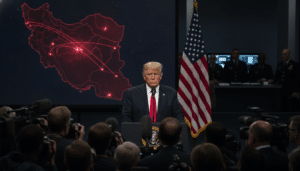
President Donald Trump ordered the attack with Israel. He warned of more American casualties. This is affecting relations with Iran at home and abroad.
The Iran War is also testing defenses and supply lines. Gulf states are preparing for more missiles and drones. The conflict is spreading beyond one front.
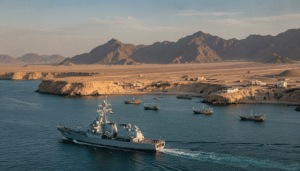
Qatar’s experience shows the impact on daily life and strategy. Iran fired missiles at Al Udeid Air Base. Qatar closed its skies, disrupting flights. This highlights how relations with Iran can affect travel, trade, and energy, according to Network World News.
Iran War Key Takeaways
- The Iran War expanded after U.S.-Israeli strikes triggered a rapid cycle of retaliation.
- Kuwait mistakenly shot down three U.S. F-15E jets during combat; all six crew members survived and are stable.
- Officials report heavy losses: more than 550 dead in Iran, four U.S. service members killed, and at least 10 deaths in Israel.
- Air defense activity across the Gulf is rising, increasing the risk of mistakes in a crowded battlespace.
- President Trump warned more U.S. casualties could follow, raising the stakes for us-iran relations.
- Disruptions in Qatar show how the Middle East conflict can quickly hit flights, shipping, and energy confidence.
Weekend Strikes Ignite a Widening Middle East Conflict
Weekend airstrikes have made the Middle East conflict more intense and fast-paced. Fears of wider conflict are growing by the hour. Airlines, ports, and energy markets are now more cautious about key areas and air paths.
Many in the U.S. see how local attacks can quickly escalate into broader regional problems. Behind the scenes, worries about nuclear growth and missile limits are key to Washington’s views on the crisis.
Iran War U.S.-Israeli airstrikes in Iran and the reported death of Ayatollah Ali Khamenei
U.S. and Israeli forces hit targets in Iran over the weekend. Reports say Iran’s Supreme Leader Ayatollah Ali Khamenei was killed. Iran reports hundreds dead, causing widespread shock and anger.
President Donald Trump called the decision simple. He said Iran refused to talk about its missiles. He also said Iran wouldn’t promise to get nuclear weapons, linking the strikes to nuclear fears.
Rising death tolls as the Persian Gulf crisis deepens
Iran’s death toll has quickly risen, with at least 550 people killed. In Israel, officials report deaths and many wounded from missile strikes. This shows how civilians are caught in the violence.
The crisis is also affecting travel and trade, causing disruptions in major centers. Flight cancellations and airspace closures add to the pressure in a region already sensitive to shocks, according to the latest updates.
Iran’s retaliatory strikes on U.S. and Israeli targets across the region
Iran fired missiles and drones at U.S. and Israeli interests across the Middle East. This has widened the risk zone. Strikes and interceptions were reported in Gulf Arab states, raising fears of instability beyond Iran.
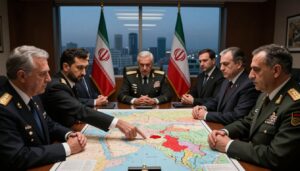
As the conflict expands, governments are trying to balance defense and diplomacy. Iran is pushing for outside help, including messages to Washington, as reported in the ceasefire efforts.
What does “Operation Epic Fury” signal about military tensions in Iran and regional instability
The U.S. campaign is called “Operation Epic Fury”. This name suggests ongoing action, not just a weekend attack. It shows rising military tensions in Iran that could last for days or more, based on responses and counterattacks.
Trump aims to “decapitate” Iran’s leaders, saying it’s a short or long-term goal. This uncertainty is causing more regional instability. Nuclear proliferation concerns are also shaping how leaders justify their actions.
- Air defenses and drone threats are expanding across more borders each day.
- Diplomatic channels are active, but public statements are raising expectations on all sides.
- Markets remain focused on shipping lanes and the next sign of escalation.
Iran War: Downed U.S. Fighter Jets, U.S. Casualties, and Escalation Risks
The Iran war is moving fast, testing coordination across the Gulf. U.S. strikes and Iranian retaliation are changing the game. Sanctions against Iran and the nuclear deal are now facing split-second decisions.
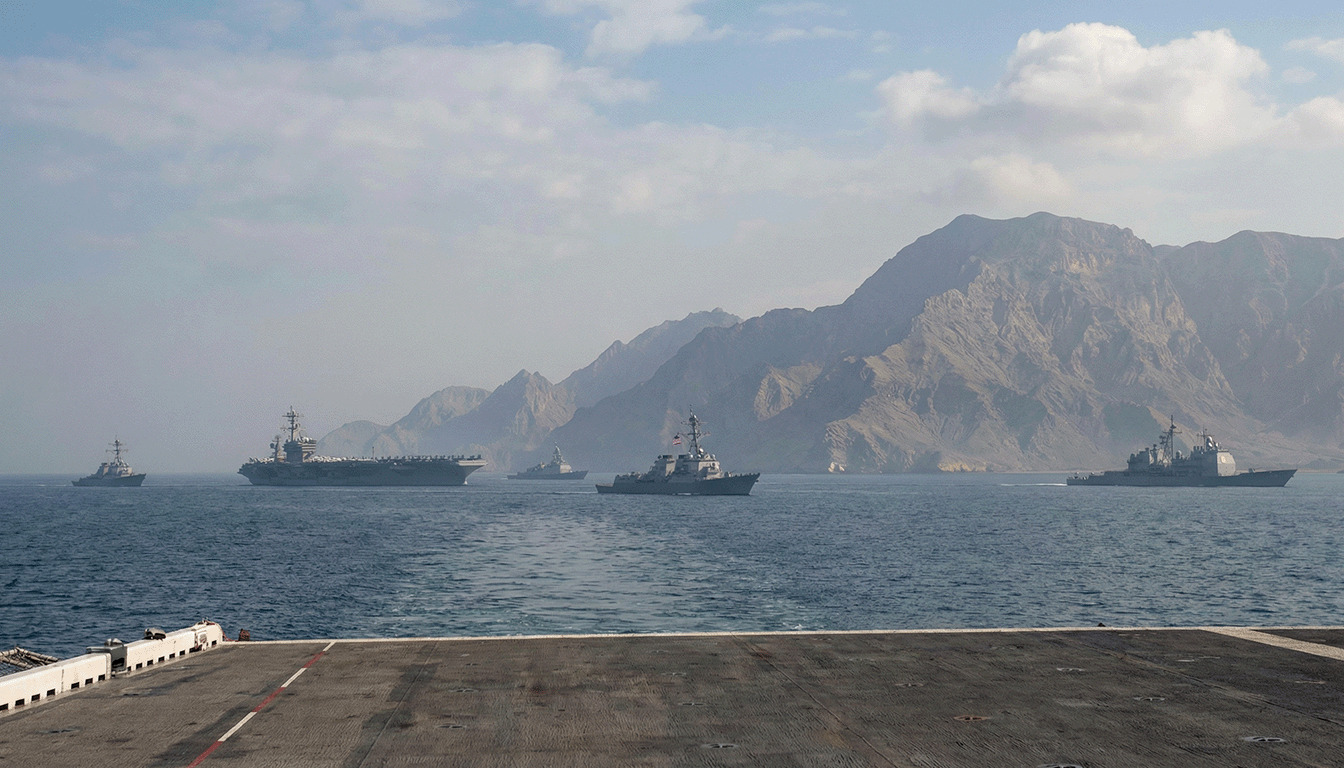
Kuwait mistakenly shoots down three American fighter jets during an Iranian counteroffensive
U.S. Central Command said Kuwait mistakenly shot down three American fighter jets. This shows how air defenses struggle to decide fast what is hostile and what is allied.
This mistake can cause big problems. It can change flight routes, delay missions, and strain partnerships. It also makes the region more dangerous for shipping lanes and bases.
All six pilots ejected safely and remain in stable condition, according to U.S. Central Command
U.S. Central Command said all six pilots ejected safely and are stable. Even with successful ejections, the incident shows how mistakes can be costly in the Iran War. Missiles and drones moving through crowded airspace are a big risk.
For updates on the war, CBS News live updates track attacks across the Gulf and waterways.
Confirmed U.S. and Israeli casualties as the conflict intensifies
U.S. military officials said Monday that four U.S. service members have been killed. At least 10 people were reported killed in Israel. These numbers show how intense the fighting is getting.
As casualties rise, debates at home and abroad get harder. Sanctions against Iran are a key tool. But any push for a nuclear deal with Iran is now weighed against daily risks and global security.
President Trump’s warning that more American casualties were expected
President Donald Trump discussed the decision at Mar-a-Lago in Palm Beach, Florida. In a video on Truth Social, he warned of more American casualties. He said, “Sadly, there will likely be more before it ends; that’s the way it is.”
U.S. commanders are also trying to stop other threats. This includes ISIS networks targeted in separate operations. The overlap adds pressure to resources and planning, keeping the Iran war tied to wider security demands.
Iran War Conclusion
The Middle East conflict is growing fast after the weekend U.S.-Israeli strikes in Iran. Iran fired back across the region. Now, the crisis feels like a long, hard fight, with each strike increasing the chance of a big war. Despite secret talks, there’s no clear sign of a change in demands, as reported in indirect U.S.-Iran talks.
Losses are mounting quickly. Iran has lost at least 550 people, while four U.S. service members were killed. Israel has lost at least 10 people. These numbers show how quickly the crisis is growing and why it’s spreading beyond a single area.
Kuwait’s mistake in shooting down three U.S. fighter jets highlights the danger of poor coordination in busy skies. Luckily, all pilots ejected safely and are recovering well. But this incident warns of the risks of mistakes in the fast-paced conflict.
Tehran has warned it might attack U.S. bases if President Donald Trump expands the fight. This adds more pressure on U.S.-Iran relations, as reported in reports on Iran’s warning to the U.S.
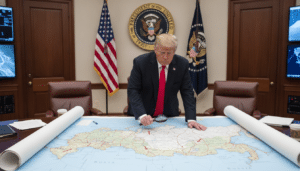
The White House has taken a tough stance, with Trump setting clear goals for the operation. He also warned of more U.S. casualties. He called on Iranians to take control of their government after the U.S.-Israeli operation ends.
With missiles and drones flying across borders, and calls for calm growing, the crisis is a big test for U.S.-Iran relations and the Middle East. This is all happening as described in coverage of the latest exchanges.