Trump Aims to Resolve Iran Conflict, But Key Objectives Remain
Explore how Trump’s administration maneuvers to de-escalate the Iran war with strategic objectives and the impact on US-Iran relations.

The Trump administration says it wants to calm the Iran war, not make it worse. Yet, a week into the fighting, the U.S. doesn’t clearly define what “success” means. They also don’t know when to stop.
This lack of clarity is important. Wars don’t end with slogans. They end with clear goals, timelines, and the power to enforce them. The biggest question is: how does this war end, and who decides?
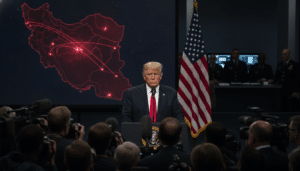
Lawmakers have been told about a narrow mission. Officials say the goals are to deter and pressure Iran. But President Donald Trump’s words suggest a bigger goal, raising expectations and fears.
This tension is at the heart of the debate over Trump’s war aims. Even those who support him and his critics see different outcomes in his words.
In the region, diplomacy is also at play. Iran wants Trump to help with a ceasefire in Israel and Gaza. This shows how one crisis can affect others, making U.S. choices harder, as reported in calls for U.S action.
For Americans, this isn’t just about politics. Congress wants to be consulted, allies want a clear exit plan, and voters want to know if this is a quick action or a long-term test of U.S. power. Until the administration clearly states the conditions for stopping, the war will continue to shape relations and tensions in the Middle East.
Iran War Key Takeaways
- The administration says it wants de-escalation, but the end-state for the Iran war remains unclear.
- After the U.S. opening strikes last Saturday, the key question is how the conflict ends and who defines “winning.”
- Pentagon briefings have framed a limited operation, while Trump’s public message suggests higher stakes.
- Uncertainty is putting strain on us-Iran relations as allies and lawmakers look for an off-ramp.
- Middle East tensions are rising as the Iran fight intersects with Israel-Gaza ceasefire efforts.
- Congress, partners, and the public are watching for firm conditions that would halt U.S. action.
Trump’s Endgame Questions as the US Operation Shifts Phase
As the conflict in Iran moves past the opening strikes, Washington is trying to explain what “winning” should look like. The administration is also weighing how Iran sanctions and market pressure fit alongside military action. With Middle East tensions rising, even close partners are asking what comes next and what ends it.
Oval Office pressure from Germany’s Friedrich Merz and an unclear answer
After reporters cleared out toward the Rose Garden, Germany’s Friedrich Merz pressed President Donald Trump for specifics on how the war ends. A person familiar with the exchange said Trump did not offer a clear answer. The moment added to the sense that the conflict in Iran has entered a new phase without a public roadmap.
Officials say the shift is not just tactical. It also changes the political stakes, as Iran sanctions and battlefield choices start to blend into one message. Across Europe and the Middle East, tensions are being read as a test of US clarity, not just US power.
Allies and lawmakers say the administration hasn’t articulated a clear off-ramp
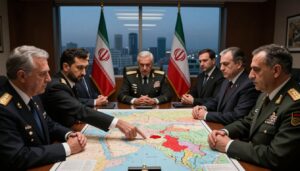
Arab and European officials say talks with US counterparts have not produced a firm off-ramp or set of exit conditions. Several allied sources describe the messaging as incomplete, even as Middle East tensions push regional governments to plan for spillover. A European diplomat said they are unsure what the US wants to accomplish once the fighting stops.
On Capitol Hill, briefings have not answered basic questions about what comes after major strikes and how progress will be judged. Lawmakers also raised concerns about whether US ground forces could become part of the conflict in Iran. Senator Jeanne Shaheen said the mixed signals have left Congress unsure about strategy and duration.
Public skepticism in the US and fears that the conflict could drag on for weeks or months
In the United States, the war has faced broad skepticism, and that doubt grows as timelines sound open-ended. Trump has not fully ruled out a campaign that runs for weeks or months. Analysts warn that prolonged Middle East tensions could raise costs at home, including if energy routes are disrupted.
Diplomatic off-ramps also appear distant. US officials have said Iranian feelers for talks have not turned into negotiations, and they do not expect quick breakthroughs. One summary of the widening risks, including economic pressure tied to Iran sanctions and oil flows, has circulated among allies and analysts, including dangers for the US and Trump.
Mixed signals: narrow Pentagon framing vs. Trump’s “unconditional surrender” demand
Pentagon briefings have framed the mission as limited, with emphasis on military targets. Trump, on the other hand, has demanded Iran’s unconditional surrender. This gap has fueled questions about whether the conflict in Iran is meant to coerce policy change, force leadership change, or both.
White House press secretary Karoline Leavitt said Trump alone will decide when Iran meets that standard. This includes whether Iran no longer poses a threat and whether Operation Epic Fury’s goals are met. Trump has also hinted he wants a heavy role in choosing Iran’s next leader, keeping Middle East tensions high and making Iran sanctions feel like only one part of a much wider bet. Reporting on the demand itself and the uncertainty it created is detailed in Trump’s surrender call.
Iran War Objectives: Missile Launchers, Regime Pressure, and Nuclear Deal with Iran Uncertainty
The campaign’s goals seem clear, but the political aims are broader. The Iranian military is the main target. Regional allies are watching for any spread of the conflict. The situation with Iran’s missiles is changing, with air defenses and strike options playing a big role.
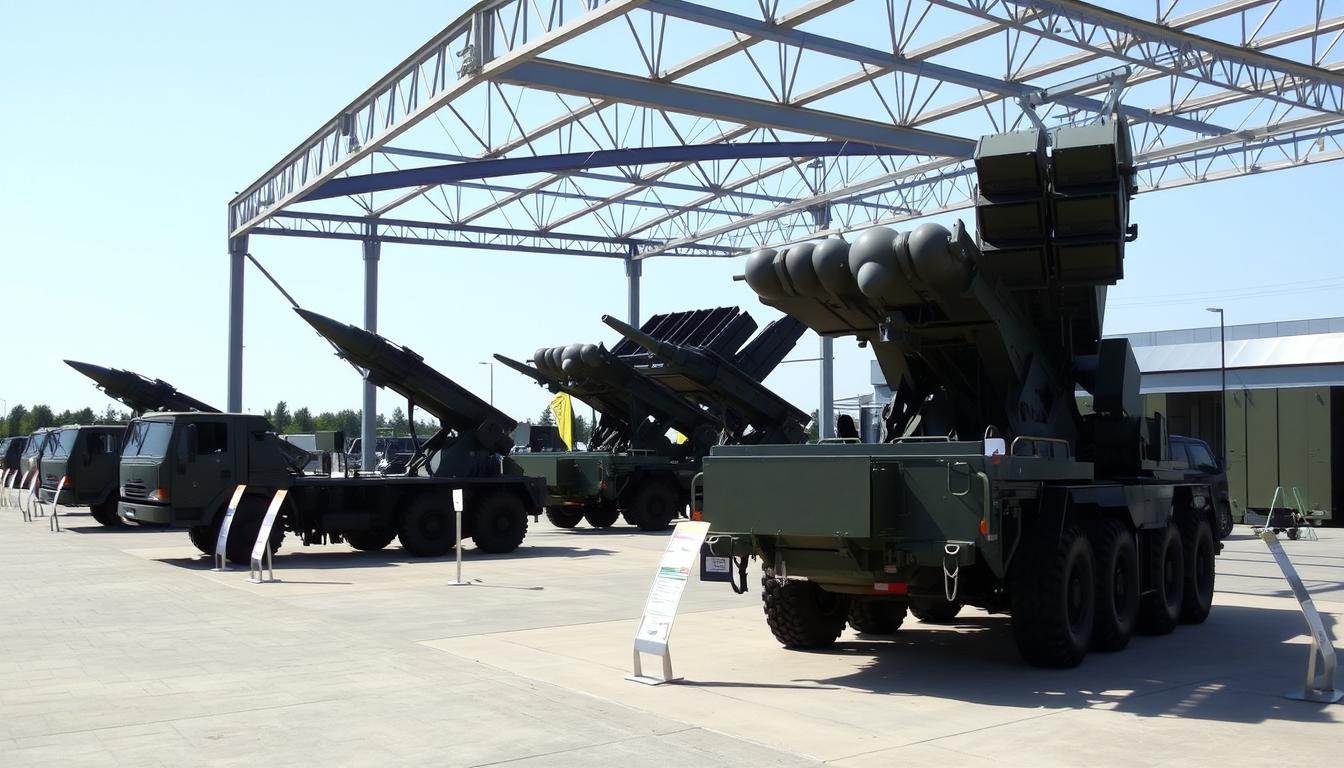
Pentagon briefings emphasize targeting Iran’s ballistic missile launchers, not nation-building
Pentagon officials have made it clear: the goal is to destroy Iran’s ballistic missile launchers and their networks. They reject the idea of rebuilding Iran, aiming to avoid a long U.S. occupation. This focus is on the Iranian military’s launch sites, storage areas, and mobile crews.
Operational claims: reported drops in Iranian missile and drone launches after early strikes
Gen. Dan Caine, the Chairman of the Joint Chiefs of Staff, has shared early metrics. He said ballistic missile launches are down 86%, and one-way attack drone launches are down 73%. These numbers suggest the initial strikes had an impact, reducing the number of attacks U.S. forces and allies face.
Iran missile crisis dynamics and the focus on degrading command-and-control capabilities
The operation’s initial success came from hitting command-and-control nodes, not just launchers. This disruption makes it harder for the Iranian military to coordinate and launch attacks. It may explain why the number of launches decreased after the first strikes.
For more on the conflict, check out tough questions about the Iran war. It explores how military pressure and regional security concerns are linked.
Nuclear risk and the Iran nuclear program: why securing enriched uranium could require ground forces
The biggest uncertainty is the Iranian nuclear program, with stockpiles of enriched uranium stored deep underground. U.S. planners think airstrikes alone might not confirm the location or destruction of this material. This could mean ground forces are needed to find, secure, and remove the uranium.
- Missiles and drones are the most visible threat, with Shahab-3 and newer variants often cited for their reach.
- Enriched uranium levels near 60% add urgency, as a rapid move toward weapons-grade is a known risk pathway.
- Diplomacy has struggled to gain traction, complicating any future nuclear deal with Iran.
Iran War Conclusion
The administration wants to end the war in Iran, but many questions remain. What success looks like, who decides, and what outcome in Tehran is okay are unclear. Until these questions are answered, the war in Iran feels like a high-stakes gamble.
There’s a big gap between what the Pentagon says and what President Trump wants. The Pentagon focuses on missile launchers and avoiding building a nation. But Trump wants Iran to give up completely. Brookings’ analysis shows that even large attacks might not significantly alter Iran’s networks.
Diplomacy hasn’t solved the problem. Allies say they haven’t heard a clear plan to stop the war. Lawmakers also say briefings haven’t explained what happens next. And talks were canceled during unrest in Tehran, adding to the uncertainty about relations with Iran.
There have been some military wins, like fewer missile and drone attacks. This CFR piece explains what might happen next. But the big issues, like stopping escalation and protecting energy routes, remain unresolved. Without a clear plan, the war could drag on rather than end.