Get Ready for Meat Shortages as Over 3,700 Workers Strike
Brace for potential meat shortages as a massive strike hits the industry, with more than 3,700 workers demanding better conditions. Stay informed on the impact.

Get ready for Meat Shortages: Meat counters may look normal today, but concerns about a meat shortage are mounting quickly. In Greeley, Colorado, about 3,800 workers at a major meatpacking plant are preparing to strike. This puts a key link in the U.S. beef supply chain at risk.
If you’re hearing “get ready for meat shortages” more often, this is why. The walkout lands as the U.S. cattle herd sinks to a 75-year low. Beef prices are already stretching household budgets and fueling economic anxiety.
The disruption also arrives amid wider shutdown fears across the industry. Past plant closures show how quickly processing slowdowns can ripple to grocery shelves. For a quick snapshot of the broader pressure points, see meat factory closures across the U.S.
In Washington, the Trump administration has been pushing a trade deal with Argentina aimed at lowering food prices, including beef. But with meat shortages now tied to labor action at a single, high-output facility, the bigger question is how long this squeeze could last—and where shoppers feel it first.
Meat Shortages Key Takeaways
- Meat shortages are becoming more likely as a major strike threat grows in Greeley, Colorado.
- About 3,800 meatpacking workers are set to walk out, risking slower beef processing.
- Meat shortage concerns are rising because the U.S. cattle herd is at a 75-year low.
- Beef prices were already high, adding to economic anxiety for many families.
- Get ready for meat shortages if processing slows and the supply chain backs up.
- The Trump administration’s push to ease trade with Argentina is meant to lower food prices, but the timing is uncertain.
Breaking News: Historic Strike Shuts Down Major Meatpacking Plant
A big strike is happening at the Swift Beef Co. plant in Greeley, Colorado. Union leaders say it’s a big deal for U.S. beef slaughterhouses.
This plant is a big deal for shoppers and restaurants across the country. It’s one of the biggest meatpacking plants. Even a short stop can cause big problems for packing, shipping, and storing orders.
Strike Begins Monday Morning in Greeley, Colorado
The strike starts at 5:30 a.m. MDT on Monday. Kim Cordova, president of United Food and Commercial Workers Local 7, chose this time to start.
Greeley is key in the cattle and processing world. So, the stoppage is getting a lot of attention. Trucks, cold storage, and other processors rely on plants like this to keep running smoothly.
Nearly 3,800 Workers Leave Their Posts
Union officials say about 3,800 workers are striking. This means over 3700 workers are walking out at once. It’s a lot of people to replace in important jobs like slaughter and packaging.
This big strike will affect many things. There will be fewer workers, slower work, and unpredictable schedules. For families, it means uncertain paychecks and routines.
Swift Beef Company Plant: The Epicenter of the Labor Dispute
In Greeley, the Swift Beef Company plant is at the heart of a big fight. It’s about work rules and pay. This plant is huge, so a slowdown can quickly cause a meat shortage.
This shortage can make it hard to find meat, even if you’re far from Colorado.
Understanding the Facility’s Massive Production Capacity
This plant is designed to produce lots of meat. It has long lines, cold storage, and gets cattle from all over. If workers strike, it can’t just slow down without losing meat.
Each day without work means less meat for stores and trucks.
JBS USA might move production to other places. But this can put more pressure on other plants.
Why This Plant Matters to America’s Beef Supply
The strike in Greeley affects more than just the city. It’s because this plant supplies many distributors and food buyers. If there’s less meat, buyers might choose other options.
This can lead to higher prices and less meat available without warning.
- Retail orders can get trimmed when fewer loads ship on time.
- Restaurants may face limited choices on popular items like ground beef and steaks.
- Processors elsewhere can see a surge in demand that they can’t instantly absorb.
Greeley’s Economic Dependence on Meatpacking
Greeley’s economy relies a lot on meatpacking jobs. This includes plant workers, truckers, and suppliers. When a meatpacking plant closes, it can hurt the local economy.
Even a short shortage can hurt small businesses. It can make it hard for them to pay bills and keep schedules.
As the strike goes on, it’s not just a national story. It’s also a local issue that affects many people’s lives in Weld County.
A Historic Moment: First Beef Slaughterhouse Strike in Decades
Meat shortage worries can seem sudden. But labor history sheds light on why this moment is so notable. In Greeley, the ongoing strike is seen as a rare event in a sector that rarely sees such large walkouts.
United Food and Commercial Workers Local 7 President Kim Cordova noted it’s the first U.S. slaughterhouse strike in decades. This is significant because it shows how strikes can affect meat availability, hitting the processing line rather than just the office.
Looking Back at Four Decades of Labor Peace
The 1985 Hormel strike lasted over a year and saw violent clashes between police and protesters, according to the Minnesota Historical Society. It was a warning to both sides about the dangers of street protests.
After that, the industry saw disputes but few full-scale shutdowns at slaughterhouses. Today, worries about a meat shortage are growing fast because of memories of long, hard strikes.
What Changed in the Meatpacking Industry
Over time, wages and power dynamics shifted. In the 1960s and 1970s, meatpackers earned more than average manufacturing workers. But by 1983, their wages fell below the average and continued to decline. By 2002, meatpacking wages were much lower than the average manufacturing wage, as Human Rights Watch reported.
- Plants moved from urban, multi-story facilities to rural, single-floor sites designed for speed and volume.
- Automation and faster line speeds increased output, but made many jobs tougher and less secure.
- Injury rates rose after national bargaining weakened, adding stress to an already demanding workplace.
These changes explain why a meat industry strike can cause widespread worry. When staffing, safety, and pay become issues, the dispute can turn into a supply problem. This affects how strikes impact meat availability in grocery stores and restaurants.
What Led to the Strike: Union Allegations and Contract Disputes
Tensions grew for weeks at the Greeley plant. Union leaders say the strike was not their goal. But it became a risk as trust faded.
By Sunday night, the dispute turned into a full-blown strike. This could quickly change daily output.
United Food and Commercial Workers Local 7 President Kim Cordova Speaks Out
United Food and Commercial Workers Local 7 President Kim Cordova spoke up. She said 99% of workers voted to authorize the strike. This shows deep frustration.
Cordova believes the dispute is about respect, pay, and rules. Workers also worry about the strike’s impact on their jobs.
Cordova sees the vote as a way to get serious talks. She doesn’t want it to be just a headline.
Claims of Worker Retaliation by JBS USA
Union officials say JBS USA retaliated against workers. They claim unfair labor practices during talks. The union’s general counsel, Matt Shechter, says the company tried to scare workers into quitting the union.
These claims add pressure beyond the plant. A strike can affect meat supply across the region. Even a short stoppage can cause big problems.
Failed Contract Negotiations and the Midnight Deadline
The contract was set to expire at midnight Sunday. Shechter says no talks happened over the weekend. The company refused to negotiate on Saturday.
This left workers with few choices as the deadline approached. The breakdown made negotiations a test of endurance. A quiet plant means a strike’s impact is real.
JBS USA and Swift Beef: Understanding the Company Behind the Controversy
The walkout at Swift Beef Co. in Greeley shines a light on JBS USA. This shows how a small issue can cause big problems in the meat supply. It affects everyone from ranchers to meat buyers.
Even a short stop in production can affect delivery times and the amount of meat ordered. This is true in a market that’s already tight.
JBS USA’s Dominant Role in American Beef Production
JBS is a big player in U.S. beef, along with Tyson, Cargill, and National Beef. When a large plant stops, it can quickly affect the entire system. This is because these plants handle a lot of the daily slaughter.
Learn more about how this affects the industry in this fact-check on meatpacking companies. It helps understand why problems seem bigger than they are.
- Fewer, larger facilities often mean fewer nearby backup options.
- Shipping routes and cold storage plans can change within days.
- Retailers may adjust promotions when supply turns uncertain.
The Company’s Side of the Story
JBS says workers who don’t want to strike will have jobs and be paid. The company plans to work two shifts on Monday. It might also move production to other JBS facilities to reduce disruption.
JBS claims it follows all labor laws. It aims to minimize impact on customers and the market while finding a fair solution in Greeley.
Past Controversies and Legal Challenges
The union accuses JBS of unfair labor practices. These claims are key because they affect staffing, line speeds, and shifting production. This is important for how strikes affect meat availability.
For shoppers, the main concern is when the strike ends. If it lasts, they might see fewer choices, mainly on popular cuts.
The Cattle Crisis: America’s 75-Year Low in Livestock Population
The strike is hitting ranchers, packers, and shoppers hard. The U.S. herd is already small. This makes meat shortages more likely before any plant slowdown.
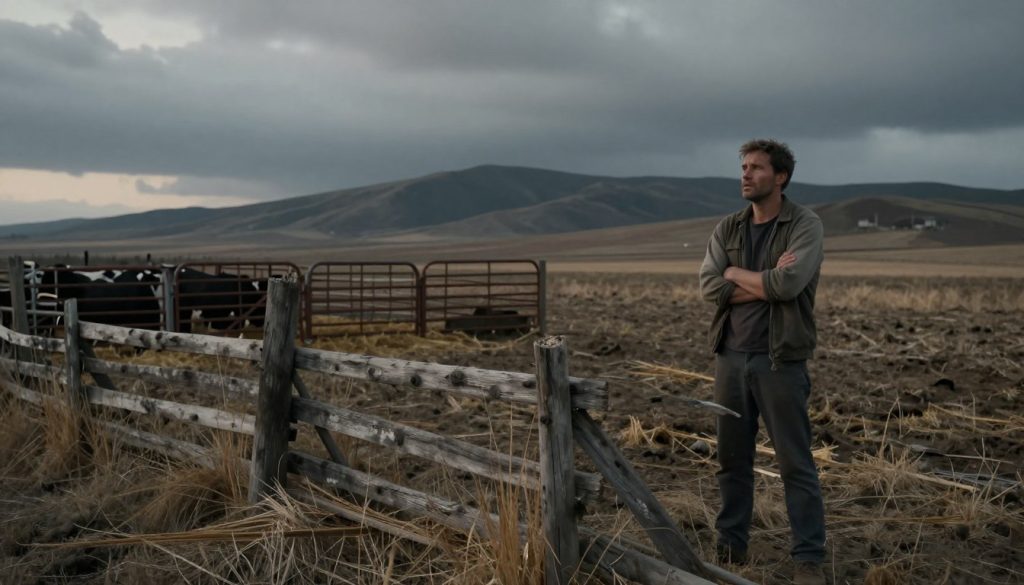
January 1 Inventory Reveals Only 86.2 Million Head of Cattle
The January 1 count showed 86.2 million head of cattle. This is the lowest in about 75 years. It’s a big sign for beef and dairy supplies.
With fewer animals, processors have less room for delays. This is why meat shortages can happen quickly.
Understanding the 1% Year-Over-Year Decline
The total herd is down 1% from last year. This small drop can make a big difference in supply. It adds pressure to wholesale markets.
With fewer cattle and a big processing stop, meat scarcity risks grow. For families watching their budgets, meat shortages mean higher prices and fewer choices.
- A smaller herd means less room for delays.
- Tighter feed and replacement cycles can slow rebuilding.
- Processing bottlenecks can turn low supply into visible meat shortages.
Get Ready for Meat Shortages as Over 3700 Workers Go on Strike Today
When over 3,700 workers go on strike, it can quickly affect meat sections at Walmart, Kroger, and Costco. Even a brief stop at a busy plant can reduce the amount of fresh product. This means shoppers might face meat shortages, even if shelves don’t look empty at first.
Immediate Impact on Beef Availability in Grocery Stores
A strike by about 3,800 workers can slow down meat processing. This is where meat shortages often start. Stores rely on quick delivery schedules so that delays can lead to fewer choices or smaller packages.
JBS plans to run two shifts on Monday and move some production to other facilities. This might help, but it won’t stop the meat shortage if the strike lasts. Shoppers might first notice changes in popular cuts and ground beef, as these are the quickest to sell out.
How Long Could These Shortages Last?
How long shortages last depends on negotiations, not just how much meat is available. The contract expired at midnight Sunday, and talks stalled over the weekend. This uncertainty makes it hard for stores, trucking, and cold storage to plan.
Industry warnings show how quickly problems can spread across plants and regions. This includes past shutdowns due to staffing and safety issues. For more on how processing slowdowns affect retail, see this report on meat supply pressure. In this situation, many will hear the same warning: get ready for meat shortages.
Regional Supply Chain Disruptions to Expect
Where you live affects how you’ll see meat shortages. Areas near big plants might see shortages in stores and jobs. Other places might see delays.
If over 3700 workers strike for more than a few days, shoppers can expect these changes:
- Spotty restocks in busy stores as deliveries get rerouted
- More substitution across cuts, with less choice in fresh trays
- Price tags are changing faster as supply tightens in certain ZIP codes
Rising Beef Prices and Growing Economic Anxiety
In the United States, beef prices have been high for a while. This has made many families feel the pinch at the grocery store. When food prices rise, people buy less, which worries the economy even more.
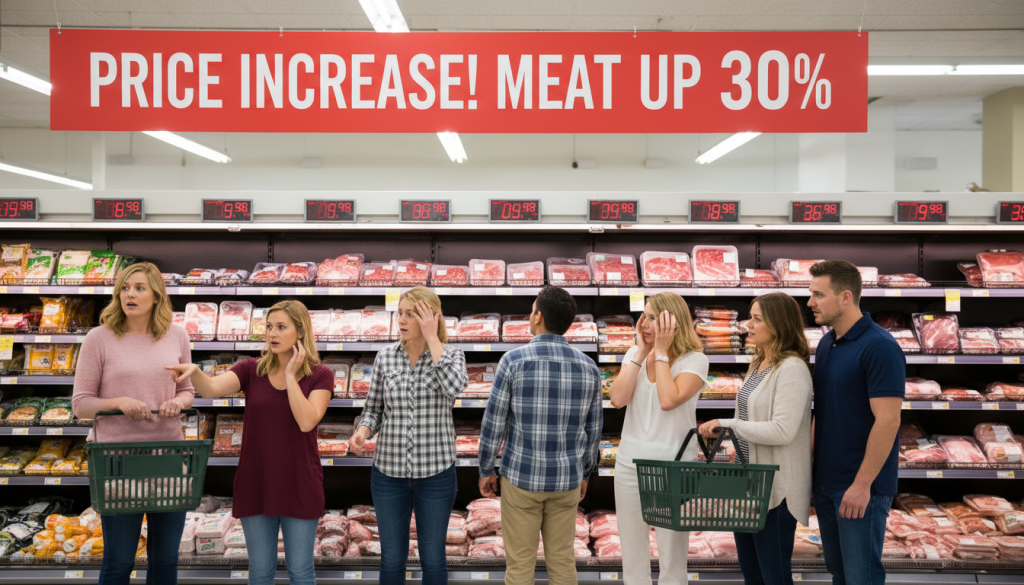
Beef Prices Were Already at Record Highs
Even before the current issue, the cattle industry was tight. The U.S. cattle herd is at a 75-year low, with 86.2 million head. This means there are fewer cattle to meet demand, making the market more sensitive to disruptions.
Expected Price Spikes Due to Supply Disruption
A big plant shutdown can slow down processing, even if there are enough cattle. This is what happens when a labor strike hits the meat supply: fewer animals get turned into meat, and less ends up in stores. With less supply and the same demand, prices are likely to go up.
- Wholesalers may bid up limited loads to keep shelves stocked.
- Retailers can trim promotions and raise everyday prices.
- Shoppers may shift to cheaper cuts, tightening those supplies too.
The Ripple Effect on Restaurant Menus and Food Service
Restaurants and food-service buyers keep a close eye on these changes. They order in bulk, not by the pound. If meat shortages get worse, they might change portion sizes, swap items, or raise menu prices. Some might use more chicken or pork until the meat supply gets back to normal.
What Consumers Should Do: Preparing for Potential Meat Scarcity
Shoppers might see different supplies in stores soon. This is because strikes affect meat differently in each area. Stores might have less meat, smaller packs, or sell out faster.
Smart Shopping Strategies During the Strike
Watch your local store’s stock days and sale cycles. JBS plans to keep some operations running with two shifts. A steady plan is better than buying too much.
- Buy one extra shelf-stable staple per trip—beans, rice, oats, or canned tomatoes—then rotate using the oldest-first rule.
- If you find a value pack, portion it into meal-size bags and freeze the rest for up to 48 hours.
- Compare unit prices and lean on store brands to stretch the same budget during meat shortages.
For a simple pantry plan, food-shortage prep tips can guide you. They help you avoid waste.
Alternative Protein Sources to Consider
When meat is scarce, try different proteins. This way, dinner doesn’t necessarily depend on just one meat. It’s also good if meat shortages hit your area hard.
- Eggs, yogurt, and cottage cheese for quick meals.
- Canned tuna or salmon for sandwiches, bowls, and pasta.
- Dry lentils and beans for chili, tacos, and soups.
- Frozen vegetables to bulk up meals without frequent store runs.
For budget-friendly meals, these ideas use common ingredients. They help when prices rise.
How Quickly Will Supplies Return to Normal?
There’s no set time. Weekend talks didn’t happen, and negotiations will resume when ready. It takes time to rebalance everything after an agreement.
For now, shop like it’s routine. Check stock, adjust meals, and keep a small buffer—this way, you’re ready for shortages without hurting others.
Government Response: Trade Deals and Emergency Measures
The federal government is now focusing on imports and trade to ease meat shortages. They aim to calm concerns without waiting for herds and staff to rebuild. Shoppers are watching every move as plant slowdowns affect meat supply.
Trump Administration’s Argentina Beef Trade Agreement
The Trump administration is using a trade deal with Argentina to lower food prices, including beef. They hope to balance domestic output with imports. But imports take time to arrive, while plant slowdowns can hit fast.
Can Imported Beef Offset Domestic Shortages?
Imports can increase supply, but they might not match what a big U.S. processor can produce in a week. The U.S. cattle inventory is at 86.2 million head, a 75-year low. This means meat shortages could last even with imports.
For those watching their budgets, the key question is whether imports can lower prices during shortages. The answer depends on where you live, as distribution and product mix vary.
Other Policy Measures Under Consideration
More emergency steps are being considered, but details are scarce. The White House has used trade tools before, like a temporary import duty. You can read more about it in this White House fact sheet.
- Trade actions can quickly change costs, potentially affecting prices during a labor strike.
- Some items might be exempt, which could impact how much relief consumers get.
- New steps would need clear, public updates to show they address meat shortages.
Meat Shortages Conclusion
What started in Greeley, Colorado, could soon spread nationwide. About 3,800 workers, represented by UFCW Local 7, were set to strike at Swift Beef Co. at 5:30 a.m. MDT Monday. The contract expired at midnight Sunday, with no talks over the weekend.
This strike is also about trust. The union claims unfair labor practices, while JBS USA says it follows the law. The company plans to keep working where it can.
Even a short stop in production matters a lot. The U.S. cattle herd is at a 75-year low, with 86.2 million head. This is down 1% from last year.
Beef prices are already high, making things worse. Families and businesses are worried. Meat shortages could hit far beyond northern Colorado.
Grocery shelves, restaurant menus, and food budgets will all feel the pinch. Until a deal is made, the risk of shortages stays high.