Stay informed on the latest U.S. Worldwide Travel Alerts amid escalating tensions in Iran. Get safety updates for global travel.
Worldwide Travel Alerts
The U.S. Department of State issued a “worldwide caution” security alert on Sunday. This alert is linked to the ongoing war in Iran. It urges Americans abroad to “exercise increased caution,” adding urgency to travel plans.
Concern is highest in the Middle East as the conflict spreads. Governments and airlines are adjusting routes and security measures in real time.
🔥 See what people are buying
👉 Most Popular Items Right Now →
See Top picks →
According to the Associated Press, over 2,000 people have died in the conflict. This started with U.S. and Israel airstrikes in Iran in late February. The State Department’s warning signals a broad risk picture that can change quickly.
The Strait of Hormuz is now a key focus. It’s a critical waterway for global oil flows. President Donald Trump wants it reopened, which could affect fuel prices and travel plans.
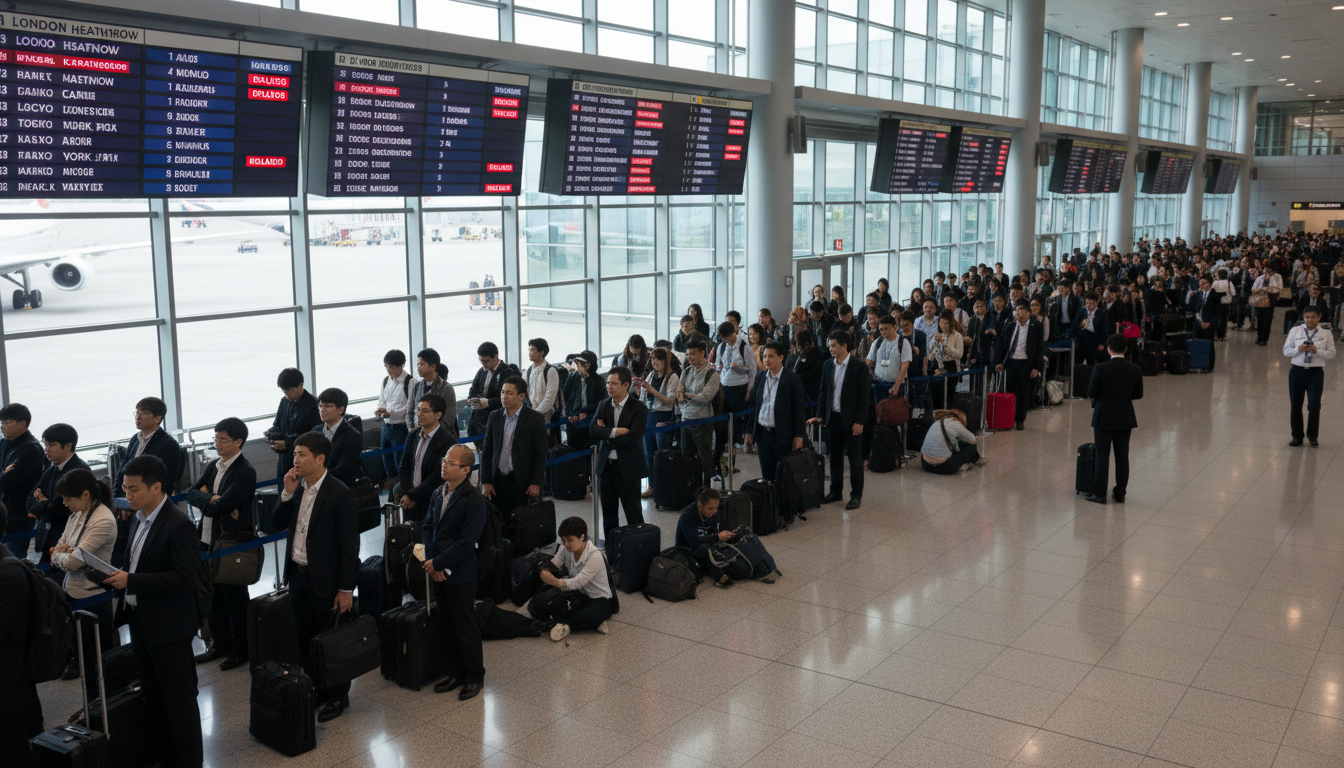
For travelers, the message is urgent and practical. Safety alerts can mean security threats and transport disruptions. Americans overseas may face sudden changes in airspace, delays, and tighter screening.
Worldwide Travel Alerts Key Takeaways
The State Department issued a Sunday “worldwide caution” alert linked to the war in Iran.
Americans abroad are urged to exercise increased caution, especially in the Middle East.
The Associated Press reports more than 2,000 deaths from late-February U.S. and Israel airstrikes in Iran.
The Strait of Hormuz is a major pressure point, with President Donald Trump calling for its reopening.
Worldwide Travel Alerts can also mean flight reroutes, delays, and sudden airspace restrictions.
These global travel alerts may change quickly as conditions shift across the region.
State Department Issues “Worldwide Caution” Security Alert for Americans Abroad
The U.S. State Department has issued a “worldwide caution” alert. This alert is for Americans already traveling abroad, not just those planning to go. It warns of a higher risk and advises travelers to stay informed about local conditions.
What the “worldwide caution” means and who it applies to
The alert tells U.S. citizens abroad to exercise increased caution. It’s a broad alert, covering many countries. It reminds travelers to check official advice often and stay flexible with plans.
Where the risk is highest: increased caution urged, especially in the Middle East
The Middle East is the main concern due to the ongoing conflict. Travelers there may face more checkpoints, protests, and strict public rules. Many rely on travel security updates to stay informed about daily changes.
Why disruptions are possible: periodic airspace closures and shifting travel notice updates
The State Department warns of possible travel disruptions due to airspace closures. This could lead to rerouted flights, long delays, or cancellations. It also notes that travel notice updates can change quickly.
Potential targets beyond the region: U.S.-associated locations could face threats worldwide
The alert also warns of risks outside the Middle East. It states,
“U.S. diplomatic facilities, including outside the Middle East, have been targeted.”
It also warns,
“Groups supportive of Iran may target other U.S. interests overseas or locations associated with the United States and/or Americans throughout the world.”
This alert follows a pattern set by the Department. It issued similar alerts in February and June 2025. Travelers are advised to closely follow travel security updates and notice updates.
World Wide Travel Alerts: What Travelers Should Do Now
Global travel alerts can change quickly. Americans abroad should use official guidance and stay reachable. They should also check updates before moving between cities or crossing borders.
Planning is key now. Airspace closures can disrupt routes and force last-minute rebooking. Knowing where to look and what to do next is most useful.
Follow local guidance from the nearest U.S. embassy or consulate
The State Department advises following the nearest U.S. embassy or consulate. Local staff can share practical steps, like curfews and safe meeting points.
If flights are diverted or delayed, consular guidance helps determine safer timing and transportation options. It also clarifies which documents to keep ready and how to contact help.
Enroll in STEP (Smart Traveler Enrollment Program) for emergency travel alerts and travel risk notifications
STEP is a key tool for reaching Americans during a crisis. Enrollment supports emergency travel alerts and travel risk notifications for the traveler’s destination.
Travelers can prepare a basic “go” plan with meds, IDs, and water. A short preparedness checklist helps keep essentials organized without overpacking.
Track travel security updates through official State Department channels, including WhatsApp
The State Department posts security alerts and has a WhatsApp channel for updates. This helps travelers spot changes, even when email is missed.
They should watch for messages about transportation, borders, and local security guidance. Saving key numbers and turning on phone alerts makes global travel alerts easier to act on.
Check country-specific global travel alerts and international travel warnings updated on a regular cycle
Country advisories are updated regularly, often every six to 12 months. Travelers should review them before departure and during the trip.
They may also want to plan for airport friction at home. During a federal government shutdown, Immigration and Customs Enforcement agents will be deployed to airports starting Monday.
Atlanta, Houston, and New Orleans have reported hours-long waits due to strained TSA staffing. Private contractors at San Francisco International Airport have largely spared it from similar delays. It was not clear how many agents would be sent or to which airports, and the plan drew backlash from labor leaders and Democrats.
Worldwide Travel Alerts Conclusion
The U.S. State Department has issued a worldwide caution alert. It advises Americans traveling abroad to be extra cautious. The biggest concern is in the Middle East due to the Iran war.
Travel planning is tricky because security threats can spread. They might even target U.S.-linked areas, as seen in recent reports. Also, sudden changes in airspace or airports can mess up travel plans.
Travel disruptions can happen fast. This includes airspace limits, flight cancellations, and changes in entry rules. These changes are detailed in recent coverage.
Practical steps are key. Follow the advice from the U.S. embassy or consulate. Sign up for STEP for emergency alerts. Also, keep an eye on State Department updates, including on WhatsApp.
🔥 See what people are buying
👉 Most Popular Items Right Now →
See Top picks →
Review country advisories regularly. This is because global situations can change quickly. The Gaza crisis and push for diplomacy, as reported in recent articles, can affect travel alerts fast.
Worldwide Travel Alerts FAQ
What did the U.S. Department of State issue on Sunday, and why does it matter for travelers?
The U.S. Department of State issued a “worldwide caution” security alert tied to the ongoing war in Iran. It tells Americans abroad to “exercise increased caution.” This alert is important because it signals a higher security risk. It means there could be travel safety alerts, changes in guidance, and disruptions that can affect trips with little notice.
What does a “worldwide caution” mean, and who does it apply to?
A “worldwide caution” is a broad State Department warning for Americans already abroad. It instructs them to “exercise increased caution,” reflecting heightened risk connected to the Iran war. This risk can affect U.S. travelers across multiple regions.
Where is the State Department most concerned right now?
The Department said concern is focused on the Middle East, where the conflict continues and has broadened across the region. Americans are urged to be careful there due to the heightened threat environment and rapidly changing conditions.
What conflict context is driving these worldwide travel alerts?
The Associated Press reported that more than 2,000 people have been killed in the conflict. This escalation has pushed global travel alerts and travel advisory alerts to the forefront. Risks now spread beyond a single country.
Why is the Strait of Hormuz now a key flashpoint for international travel warnings?
The Strait of Hormuz is critical to the global oil supply. President Donald Trump has demanded its reopening after Iran effectively closed it. This move can deepen regional instability and ripple through transport, security, and pricing.
What practical travel problems could Americans abroad face because of this alert?
Americans abroad may face security risks and transportation and routing complications. The alert highlights a more unpredictable environment. Plans can change quickly, leading to tighter screening, canceled routes, and sudden limits on onward travel.
What travel disruptions did the State Department warn about directly?
The State Department warned that periodic airspace closures “may cause travel disruptions,” affecting flight routes, schedules, and the feasibility of connecting or onward travel. These conditions can change rapidly, leading to abrupt re-routes and delays in and around affected corridors.
Why are travel notice updates so important during the Iran war?
The State Department pointed to shifting conditions that can trigger changes in official guidance. That makes travel notice updates essential. Embassy guidance, airline routing, and local security rules can shift from day to day during a fast-moving conflict.
Can threats extend outside the Middle East during this crisis?
Yes. U.S. officials warned that places associated with the U.S. may become targets even outside the region. The alert stated: “U.S. diplomatic facilities, including outside the Middle East, have been targeted.”
What did the State Department say about groups supportive of Iran and the worldwide targeting risk?
The alert warned: “Groups supportive of Iran may target other U.S. interests overseas or locations associated with the United States and/or Americans throughout the world.” This language highlights the need to treat these as worldwide travel alerts, not just a regional advisory.
Has the U.S. issued similar worldwide caution alerts during this conflict before?
Yes. The State Department issued a similar alert on Feb. 28 at the beginning of the war and again in June 2025 amid conflict between Israel and Iran. The pattern shows how quickly conditions can shift into renewed emergency travel alerts and travel security updates.
What is the State Department’s core recommended action for Americans abroad?
Americans abroad should follow guidance from the nearest U.S. embassy or consulate, as conditions in the Middle East and beyond evolve quickly. Embassy and consular instructions can help travelers respond to sudden safety changes, routing shifts, or exit options.
Why does embassy or consulate guidance matter so much during airspace closures?
Because periodic airspace closures can cause sudden changes to flight availability, routing, and even border access. Embassy and consulate teams are often the best source for local movement advice, safety steps, and the most current travel risk notifications when commercial options change fast.
What is STEP, and how does it help with emergency travel alerts?
STEP is the Smart Traveler Enrollment Program. It allows U.S. officials to quickly contact Americans in an emergency and send relevant travel alerts and travel risk notifications based on location and on-the-ground conditions.
Where can Americans find official travel security updates, including on WhatsApp?
The State Department offers official channels for travel security updates, including a WhatsApp channel where Americans can follow the latest security alerts. Using official channels helps travelers avoid misinformation during rapidly changing events.
How should travelers use country-specific travel advisories alongside worldwide travel alerts?
Travelers should review country-specific advisories before and during trips, as they provide detailed guidance by destination. The State Department updates these advisories every 6 to 12 months based on factors such as crime, natural disasters, and other conditions, making them a steady source of global travel alerts, international travel warnings, and travel notice updates.
What U.S. airport staffing issue was reported alongside the alert, and why might it affect travelers?
Amid a federal government shutdown that has left Transportation Security Administration workers unpaid for the sixth week, U.S. officials said they are deploying Immigration and Customs Enforcement agents to airports starting Monday. This could add uncertainty for travelers, as it strains staffing during peak travel periods.
Which airports have seen long waits, and which ones have been largely spared?
A: Atlanta, Houston, and New Orleans have seen hours-long waits due to strained TSA staffing. San Francisco International Airport has largely been spared similar delays because private contractors staff its security checkpoints.
What remains unclear about the plan to send ICE agents to airports, and what backlash has been reported?
It was not clear how many agents would be sent or to which airports. The plan faced backlash from labor leaders and Democrats, including a statement from Everett Kelley, president of the American Federation of Government Employees, arguing that ICE agents are not trained or certified in aviation security.
What is the bottom line for Americans abroad right now?
A Sunday “worldwide caution” security alert is in effect, instructing Americans abroad to exercise increased caution, with heightened emphasis on risk in the Middle East as the Iran war widens. Travelers should plan for two realities: security threats that can extend worldwide to U.S.-associated locations, and periodic airspace closures that can trigger sudden travel disruptions.
What are the most actionable next steps travelers should take today?
Travelers should rely on the nearest U.S. embassy or consulate for guidance, enroll in STEP to receive emergency contact capability and alerts, follow State Department travel security updates (including via WhatsApp), and keep checking country-specific advisories on a regular six- to 12-month update cycle as ongoing worldwide travel alerts and travel advisory alerts evolve.
To provide the best experiences, we use technologies like cookies to store and/or access device information. Consenting to these technologies will allow us to process data such as browsing behavior or unique IDs on this site. Not consenting or withdrawing consent, may adversely affect certain features and functions.
Functional
Always active
The technical storage or access is strictly necessary for the legitimate purpose of enabling the use of a specific service explicitly requested by the subscriber or user, or for the sole purpose of carrying out the transmission of a communication over an electronic communications network.
Preferences
The technical storage or access is necessary for the legitimate purpose of storing preferences that are not requested by the subscriber or user.
Statistics
The technical storage or access that is used exclusively for statistical purposes.The technical storage or access that is used exclusively for anonymous statistical purposes. Without a subpoena, voluntary compliance on the part of your Internet Service Provider, or additional records from a third party, information stored or retrieved for this purpose alone cannot usually be used to identify you.
Marketing
The technical storage or access is required to create user profiles to send advertising, or to track the user on a website or across several websites for similar marketing purposes.