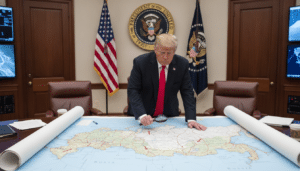
Iranian Cyberattack Targets U.S. Infrastructure
An Iranian Cyberattack has targeted U.S. infrastructure, raising concerns over cybersecurity threats from Iran and highlighting the need for enhanced defenses.
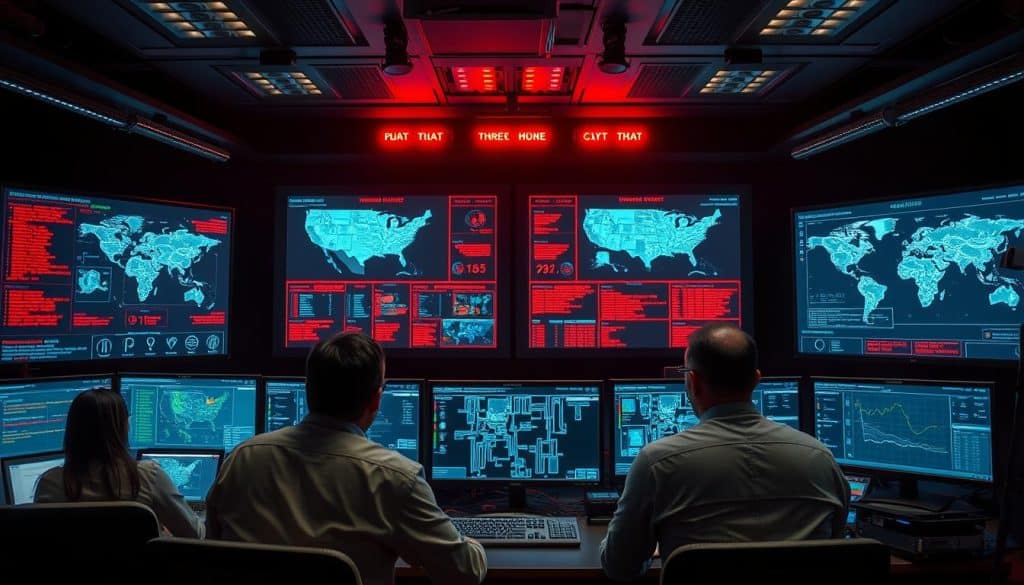
A new advisory from the Cybersecurity and Infrastructure Security Agency (CISA) warns of an Iranian cyberattack. It targets systems that keep our daily lives running. Iranian hackers are using weaknesses in software used by U.S. water and energy providers.
At the heart of the warning are internet-connected PLCs. These industrial computers control pumps, valves, and other key functions. If PLCs are exposed online, Iranian threats can shift from data theft to disruption. Is a global war looming? This is what the U.S thinks. U.S military pilot found in the Iranian desert, latest news.
The joint alert highlights Iran’s growing cyber warfare capabilities. Tensions in the region are high. For more on the advisory and its implications, see this CISA advisory coverage. It details disruptions in some environments.
The article will discuss which federal agencies signed the warning. It will also explore the intent behind the attack. The focus will be on operational technology, including PLCs and industrial control systems.
It will explain the risks tied to PLCs and industrial control systems. Mention will be made of Rockwell Automation and its Allen-Bradley products. The article will compare this activity to Iran-linked incidents in 2023. It will also discuss wider events shaping today’s threat climate, including the latest regional escalation. This will explain why defenders are on high alert.
Iranian Cyberattack Key Takeaways
- CISA issued a new advisory on Tuesday, warning of an Iranian cyberattack affecting critical U.S. services.
- Iranian hackers are reported to be targeting software used by water and energy providers.
- Internet-connected PLCs are a key concern because they can control real-world operations.
- Exposed control systems increase the chance of disruption, not just espionage.
- The advisory points to growing Iranian cyber threats and rising attention to Iran’s cyber warfare capabilities.
- Rockwell Automation and Allen-Bradley are expected to be part of the technical discussion ahead.
What the New CISA Advisory Reveals About Cybersecurity Threats From Iran
A new federal alert sheds light on the cybersecurity threats posed by Iran to U.S. operators. It shows intruders probing exposed systems, aiming for disruption and downtime. The advisory also highlights how Iran’s cyber activities can blur the line between intelligence collection and operational risk.
The advisory warns defenders to focus on internet-accessible control technology. It points out how Iranian cyber espionage can be part of louder, more disruptive attacks. This happens when attackers find weak spots and poor segmentation.
Federal agencies behind the joint warning: CISA, NSA, FBI, U.S. Cyber Command, DOE, EPA, and the Cyber National Mission
The advisory was made by CISA, NSA, FBI, U.S. Cyber Command, DOE, EPA, and the Cyber National Mission Force. This broad lineup shows deep concern, from incident response to national defense.
One report on the advisory is in the advisory reporting. It talks about agencies working together as incidents happened. This shows how cybersecurity threats from Iran are seen as both a security and continuity-of-operations issue.
Why U.S. water and energy providers are in focus right now
The advisory focuses on U.S. water and energy providers. These operators are key to public health and grid reliability. When control networks are internet-accessible, small changes can lead to safety issues and costly recovery.
Kimberly Mielcarek, vice president at NERC, said Tuesday. She mentioned the E-ISAC sent an “all-points bulletin” to energy members. She also said NERC’s Watch Operations team is monitoring the grid and working with other agencies.
- High-impact services make attractive leverage points during tense moments.
- Industrial environments can have older devices and long patch cycles.
- Remote access paths, if unmanaged, can expand the blast radius of Iran’s state-sponsored cyber activities.
What the advisory says about intent: “Iranian-affiliated advanced persistent threat actors” seeking disruptive effects
The advisory doesn’t name a specific Iranian hacking group. Instead, it talks about “Iranian-affiliated advanced persistent threat actors” targeting U.S. critical infrastructure. They aim to “cause disruptive effects.”
A source close to the incidents said companies got a warning from two federal agencies before the advisory. DOE was involved in responding to the breaches. A DOE spokesperson said protecting America’s critical energy infrastructure is a top priority. DOE worked with other agencies on “critical recommendations” to improve cybersecurity against cyber actors.
How the campaign may be escalating amid ongoing regional hostilities
The advisory says Iranian-affiliated APT targeting campaigns against U.S. organizations have recently escalated. This is likely due to hostilities. This framing helps defenders track the threat across multiple sectors.
Acting CISA Director Nick Andersen said last month CISA had “not seen a rise in threat actor activity” linked to Iran. Yet, the agency is working with industry to track the threat. Coverage, including U.S. intelligence warnings, shows analysts watching for overlapping signals.
Iranian Cyberattack Exploits PLCs and Industrial Control Systems Across U.S. Critical Infrastructure
Federal officials warn of an Iranian-linked campaign targeting industrial control systems. These systems are vital for water and energy services. The activity is seen as part of cyber warfare in Iran, where small breaches can have big impacts on daily life.

Programmable logic controllers, or PLCs, are at the heart of this issue. These industrial computers manage critical functions like pumps and valves. If a PLC or its software is accessible from the internet, it can open a door into a network.
How internet-connected programmable logic controllers (PLCs) can expose operational networks
The advisory advises operators to limit internet access to PLCs. It suggests treating remote access as a high-risk entry point. It also emphasizes the importance of quick checks for unusual behavior, aligning with Iran’s cyber defense measures.
- Remove control software from direct internet exposure.
- Check available logs for suspicious traffic.
Tracking wider risk signals, we see a pattern of disruption. This pattern is seen in global escalation planning, even with small initial points of entry.
Rockwell Automation/Allen-Bradley PLCs reportedly actively exploited, with other vendors potentially targeted
Federal agencies say Rockwell Automation/Allen-Bradley PLCs are being exploited. Other vendors’ PLCs may also be targeted. CISA added a major vulnerability affecting Rockwell systems to its catalog in early March, noting an exploit targeting PLCs.
Rockwell’s Ed Moreland said the company takes security seriously. It has been working closely with government agencies. If devices are suspected to be targeted, contacting Rockwell is recommended.
How does this compare with Iranian hacking incidents in 2023 linked to CyberAv3ngers and the IRGC?
The current activity is similar to Iranian hacking incidents in 2023. These were linked to CyberAv3ngers, affiliated with Iran’s Islamic Revolutionary Guard Corps. The attacks included hacking into Israeli-made digital control panels at U.S. water treatment facilities in Pennsylvania.
The 2023 incidents happened after the Oct. 7, 2023, Hamas attack on Israel. They followed Israeli strikes in the Gaza Strip. This timing shows how cyber warfare can mirror real-world conflicts.
What’s known and unknown: unclear exact targets, but confirmed focus on critical infrastructure systems
The exact targets are not clear. But the advisory confirms a focus on U.S. critical infrastructure. PLC access is a recurring theme.
For defenders, the immediate steps are practical. Limit internet exposure, review logs for suspicious traffic, and coordinate with vendors. These steps are key to safer operations for any utility facing modern threats.
Iranian Cyberattack Conclusion
A recent advisory highlights a key point: Iran is targeting U.S. water and energy providers with cyberattacks. These attacks use internet-connected devices to gain access to critical systems. This makes the threats from Iran a serious concern for U.S. infrastructure.
The advice is clear and urgent. Companies are told to limit internet access for control software. They should also check for unusual access patterns and secure remote management. Teams working with Allen-Bradley equipment must coordinate with Rockwell Automation to ensure safety.
There are questions left unanswered. The advisory doesn’t name a specific group, and the targets are unclear. Yet, many agencies see the risk as urgent. DOE and NERC’s E-ISAC are urging constant monitoring and quick reporting as the situation unfolds.
This urgency is part of a larger security landscape. Regional tensions can quickly affect digital operations and cause disruptions. For example, recent issues in Qatar airspace show how fast problems can spread. In this context, Iran’s cyber threats are a major concern for U.S. operators who need to be ready, not uncertain.