How to Survive a Summer Power Outage: Essential Tips That Work
Learn essential outage survival tips to stay safe and comfortable during power failures with backup plans, emergency supplies, and smart strategies.

How to Survive a Power Outage: Power blackouts are becoming more common in America. What was once rare is now a regular disruption for millions each year. Most families think a few flashlights and candles will do, but they’re not enough for long outages.
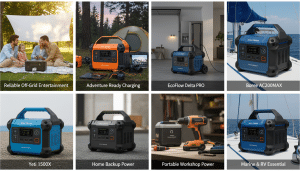
Find the best portable power stations on Amazon for home backup, camping, and emergencies → Best Portable Power Stations (2026).
When Hurricane Beryl hit Houston, some were without power for 11 days. Midwest derechos left others in the dark for nine days. These examples show a big gap in emergency planning for homes. The challenges on Day Five are very different from those on Day One. See our picks for the best portable power stations for a blackout. Best Portable Power Stations for Home Backup Guide)
Modern backup solutions have changed how we prepare for emergencies. Portable power stations are safer and quieter than old generators. They give reliable power during storms and grid failures. Learning how to prepare for winter power failures can be the difference between comfort and crisis.
This guide offers practical tips for surviving outages. You’ll learn not just what supplies to have, but how to plan for multi-day and multi-week blackouts. The aim is to empower you with steps you can take, not overwhelm you with lists.
How to Survive a Power Outage: Key Takeaways
- Extended power blackouts can last 9-11 days during severe weather events, requiring different preparation than short interruptions
- Portable power stations provide safer, quieter backup electricity compared to traditional gas generators
- Strategic planning for Day Five scenarios matters more than just having flashlights for Day One
- Modern emergency preparedness combines multiple layers of backup power and essential supplies
- Real-world testing shows preparation gaps between what people think they need and actual requirements
- Actionable planning beats overwhelming checklists for effective household emergency readiness
Understanding Power Outages and Their Causes
Electricity is usually reliable, but many things can stop it from reaching homes. Knowing why this happens helps families get ready and understand their risks. These reasons include big weather events and even small things like animals and old equipment.
Knowing why blackouts happen is key to planning for them. Different reasons need different plans, so it’s important for every home to know this.
What Triggers Most Electrical Disruptions
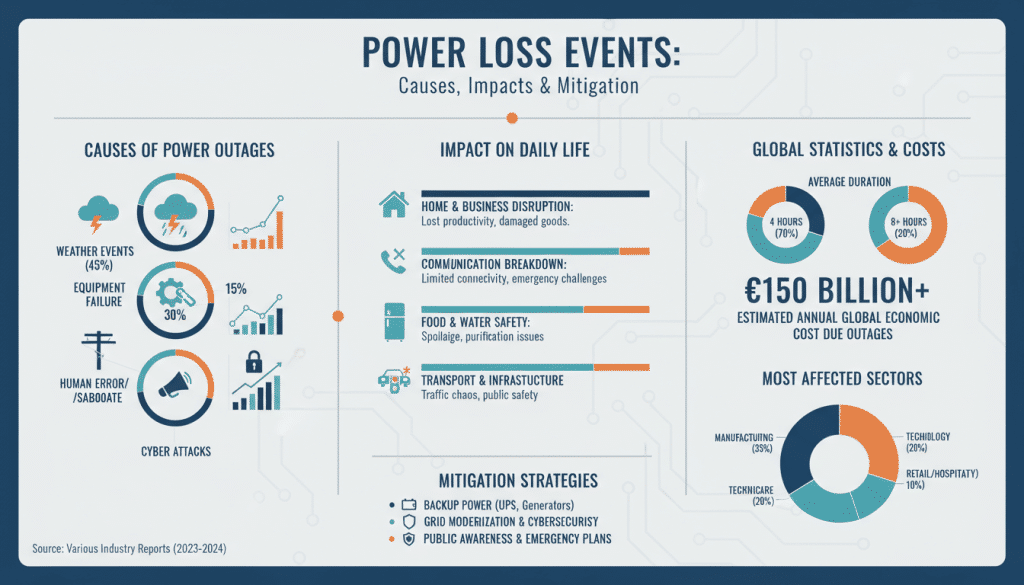
Severe weather is the main reason for power outages. Thunderstorms, high winds, and freezing rain often cause long power cuts. Ice on power lines can break them, and lightning strikes can cause brief losses.
When lightning hits, special breakers open and close to protect the grid. This safety feature causes brief power losses that people notice right away.
Nature also disrupts electricity in simple ways. Birds nesting in substations can cause fires and short circuits. Squirrels chewing on wires can also cause outages. Falling branches during storms are a common cause of prolonged blackouts.
Equipment failures happen often, even with good maintenance. Weather can damage cables over time. Corrosion and old transformers can also cause problems.
Old infrastructure means these failures happen more often. Some equipment has been in use for 40 or 50 years, much longer than it should be.
Human mistakes also cause power disruptions. Car accidents hitting utility poles can cut off electricity. Landscapers trimming trees can also cause damage to power lines. Construction crews digging without checking for cables can cause long outages.
These reasons show why blackout safety planning is important for every home. Power outages can happen for many reasons, both expected and unexpected.
Categories of Power Loss Events
Not all power outages are the same. Knowing the types helps families prepare better for each situation.
Momentary outages last only seconds to minutes. These brief interruptions usually come from lightning that triggers automatic circuit breakers. The lights flicker, but power returns quickly. These outages rarely need emergency preparation.
Short-term outages last from one hour to several hours. These can be caused by small storms or equipment failures. Families might need flashlights and patience, but refrigerated food stays safe, and homes stay warm or cool.
Extended outages can last days or even weeks. Big storms, hurricanes, or widespread damage cause these long blackouts. These situations require detailed outage-prevention plans, including food storage, backup heating or cooling, and power sources.
The difference between these categories is huge. A home ready for a two-hour outage will struggle with a five-day blackout. Each type needs more preparation and supplies as the duration increases.
How Natural Catastrophes Create Widespread Blackouts
Natural disasters don’t just cut power—they cause bigger problems across entire regions. Hurricanes like Hurricane Beryl in 2024 show this effect well.
Strong winds can knock down thousands of power poles at once. Flooding can cover substations and equipment. Crews can’t reach damaged areas due to blocked roads and hazards. This leads to millions without power for weeks.
Ice storms can stop electrical systems in ways warm-weather events can’t. Freezing rain can weigh down power lines, causing them to snap. This can bring down entire transmission networks across states.
Midwest derechos, powerful windstorms, can flatten power infrastructure as they move. These storms can cause widespread destruction across multiple states, requiring weeks to repair.
Wildfires can force utilities to turn off power to prevent starting new fires. This improves blackout safety but leaves communities without power during emergencies.
Earthquakes pose unique challenges. They damage power lines and can break underground gas lines. They also damage water treatment plants and transportation networks needed for repairs.
These disasters create big emergencies that families often don’t see coming. When power is out for weeks, water treatment plants may fail, sewage systems back up, and supply chains collapse. Gas stations can’t pump fuel, and grocery stores can’t restock.
Understanding these effects shows why serious outage prevention planning is more than just having flashlights and batteries. Families need plans for water, food, sanitation, and communication that account for failures beyond just the electrical grid.
Preparing Your Home for an Outage
Smart homeowners prepare for power outages before they happen. They plan and gather essential supplies early. This turns a stressful situation into a manageable one.
Knowing what supplies you need and where to keep them is key. Everyone should know where emergency items are stored. This makes it easy to find them when needed.
Building Your Emergency Response Kit
A good emergency kit is the heart of home preparedness. It should be in a spot everyone can reach quickly. Accessibility is critical when seconds count during a blackout.
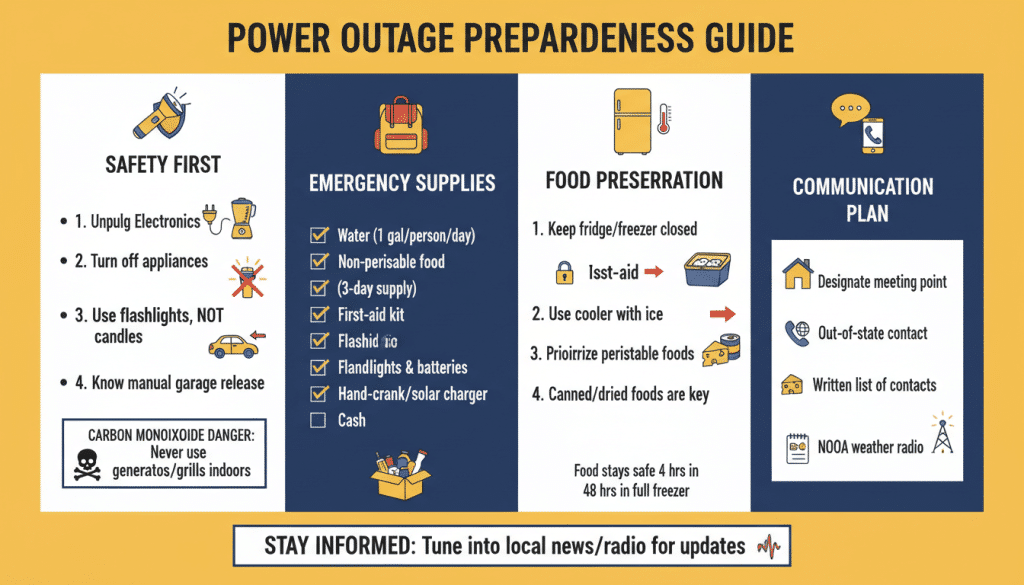
Start with flashlights and extra batteries as your main light source. Make sure everyone knows where they are. Avoid candles to prevent fires.
Include a battery-powered or hand-crank radio to stay informed. A first aid kit with bandages and pain relievers is also essential. Don’t forget basic tools like a multi-tool and duct tape.
Keep important documents in waterproof containers in the kit. These include insurance policies and emergency contact info. Having cash in small bills is also useful.
Critical Supplies for Extended Outages
Having enough supplies is key to surviving outages. Choose items that don’t need electricity. Many families prepare by stockpiling essential items.
Non-perishable foods are a must-have. Include canned goods, protein bars, and dried fruits. These foods don’t need cooking or refrigeration.
Water storage is vital. Aim for two gallons per person per day for two weeks. Use food-grade containers and replace the water every six months.
Keep phones charged and have data plans ready. A power bank for charging devices is also useful. Consider portable power stations for bigger needs.
Stock up on warm clothing and blankets for winter outages. Keep personal hygiene items like toilet paper and hand sanitizer ready.
Here are some must-have supplies:
- Canned foods with extended shelf life (soups, vegetables, beans, meats)
- Ready-to-eat protein sources (tuna packets, beef jerky, nut butters)
- Bottled water and water purification tablets
- Battery supplies in various sizes for different devices
- Manual kitchen tools (non-electric can opener, utensils)
Safeguarding Your Home and Family
Home safety is more than just having supplies. Taking preventive steps protects your home and family. These steps are easy but very effective.
Turn off appliances not meant to run without power before an outage. This includes cookers and hair straighteners. They can be dangerous when power returns.
Unplug sensitive electronics, such as TVs and computers, to avoid damage from power surges. Surges can destroy expensive equipment quickly.
Leave a light on to know when power returns. This helps everyone respond safely and start restoring normalcy.
Make sure smoke and carbon monoxide detectors work. These are critical during outages when alternative heating methods increase risks.
Learn to open electric garage doors manually. Being trapped or locked out during an outage is a big problem. Most garage doors have a manual release mechanism.
Keep vehicle fuel tanks half full at all times. Many service stations can’t pump fuel during outages. This keeps you mobile when needed.
Save work regularly if you work from home. Close doors to unused rooms to keep warm in cold weather. These actions help make outages more comfortable.
Close doors to unused rooms to keep warm. This helps conserve body heat and makes blankets more effective.
Staying Informed During an Outage
Dealing with power outages gets easier when you have many ways to get news and updates. Knowing what’s happening helps you make smart choices. Families who stay connected during blackouts make better decisions about safety and when to seek shelter.
Getting updates quickly helps you know how long the outage will last. This info affects your plans for food, travel, and emergency prep. The Red Cross suggests using many ways to stay during power outages.
Battery-Powered Emergency Radios
Emergency radios are key for getting official news when tech fails. They don’t drain your phone’s battery as smartphones do. Many families found this out during long blackouts when cell towers failed.
These radios can pick up NOAA Weather Radio signals for severe weather alerts. They keep working even when the internet is down. Hand-crank models are great because they make their own power, so you don’t need batteries.
Local authorities use these radios to broadcast important messages, such as evacuation orders. Families who rely solely on the internet might miss these updates. A basic emergency radio is cheap but very reliable when you need it most.
Emergency Alert Systems and Utility Contacts
Signing up for local emergency alerts before outages means you get notified right away. Most places offer free text messages for emergency updates and power fixes. These services work without the internet.
Reporting power cuts helps utility companies fix problems fast. Call 105 to reach your local power company for updates. They can tell you when power will be back on.
Utility companies also have apps and websites with outage maps. These show where the power is out and when it might come back. Checking these sites often helps you know when to expect power.
Having reliable local news sources is also key. TV, radio, and newspaper websites often have the latest on local outages. National news usually doesn’t cover local issues, so local sources are best for neighborhood news.
Strategic Smartphone Use for Updates
Portable power stations for any emergency or blackout.
Mobile phones are very important during long blackouts, but they need to be used carefully. Charging your phone before the outage is the first step. A power bank can extend your phone’s life for hours or even days.
Downloading important apps before emergencies is smart. This includes:
- Utility company apps for outage maps and updates
- Weather apps for radar images and alerts
- Messaging apps for when data is limited
- Emergency alert apps from local governments
Having enough mobile data is key when Wi-Fi is down. Many people found that cell data worked even when home internet didn’t during storms. Knowing how to use mobile hotspots helps share data across devices.
Some people even charged their phones in their cars during outages. This way, they could stay connected and get updates. Using a car to charge your phone saves generator fuel or battery for other needs. Running your car for 20 minutes can charge your phone for hours.
Using power-saving features can make your battery last longer during outages. Turning down your phone’s brightness and activity helps. Checking for updates less often saves energy. It’s better to use your phone for calls and texts than for social media.
Staying informed helps families make better choices. One family got a message that power would be back in three days, not 12 hours. This info helped them move important items and book a hotel room. Another family learned that repair crews were in their area, so they stayed home rather than leave.
Apps that use little data are great for staying in touch. Text messages use less battery than calls or video chats. Having a communication plan before outages reduces stress and saves battery.
Managing Food and Water Resources
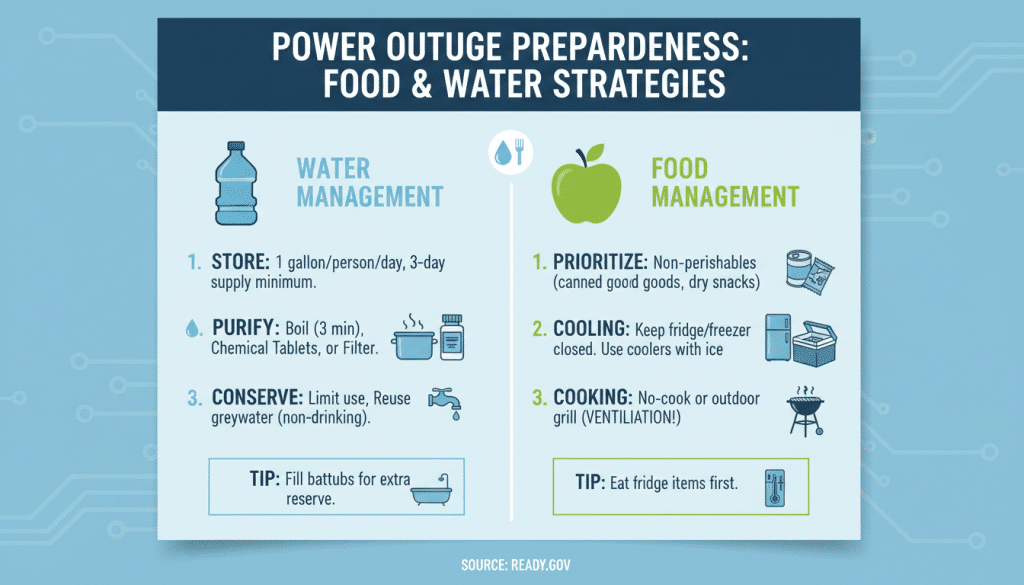
When electricity goes out, families must act fast to save food and water. They need to decide what to do with refrigerated and frozen items and how to get safe drinking water. Knowing the right steps can stop food poisoning and keep everyone hydrated.
Food spoils quickly without power. Water can become unsafe if treatment plants stop working. These problems require quick, smart solutions to keep families healthy.
Protecting Refrigerated and Frozen Items
Refrigerators keep food safe for about four hours if the doors stay closed. This is important advice from the Food Standards Agency. Every time you open the fridge, cold air escapes and cannot be replaced.
Freezers have more time but are also limited. A full freezer stays safe for 48 hours if the doors are closed. But if it’s half full, it only lasts 24 hours because it warms up faster.
Time is of the essence when power goes out. Families should quickly decide what to do with perishable items. Dairy, meat, and prepared foods need fast action.
- Keep refrigerator and freezer doors closed except for essential access
- Group freezer items together to create a cold mass that retains temperature longer
- Transfer items needing regular access to coolers filled with ice or ice packs
- Cook perishable meats within the first few hours on outdoor grills or propane camp stoves
- Move high-value items like expensive cuts of meat to neighbors with generators, if possible
Cooking meat before it spoils is smart. It saves expensive food and makes meals when you need them most. A small power station can keep a chest freezer running almost indefinitely, protecting food during long outages.
Ensuring Safe Drinking Water
Tap water may not be safe during long power outages. Water treatment plants need electricity to work. Without it, water can become contaminated.
Communities often tell people to boil water during these times. This is because, without treatment, harmful bacteria can enter the water. Sewer systems can also fail without power, causing more problems.
Having enough water is key. Experts recommend at least 2 gallons per person per day for 2 weeks. This is for drinking, cooking, basic hygiene, and helping neighbors.
When stored water runs out, there are ways to purify it:
- Boiling: Bring water to a rolling boil for one minute at sea level (three minutes at high altitudes) to kill pathogens
- Water purification tablets: Follow package directions for proper tablet-to-water ratios and waiting times
- Portable water filters: Use emergency-rated filters designed to remove bacteria, protozoa, and viruses
- Household bleach treatment: Add 8 drops of unscented bleach per gallon, mix thoroughly, and wait 30 minutes before drinking
Each method has its own benefits. Boiling kills everything but needs fuel. Tablets are easy to carry. Filters work fast without fuel. Bleach is cheap and easy to find.
Recognizing Spoiled Food
Knowing when food is bad is important. Any perishable food above 40°F for more than two hours should be thrown away. This temperature is when bacteria grow fast.
The smell test is not reliable. Many dangerous bacteria don’t smell bad. Always trust your eyes when checking food.
Some foods need extra care after power outages:
- Meat, poultry, and seafood spoil fastest and pose the highest contamination risks
- Dairy products, including milk, cheese, and yogurt, become unsafe quickly without refrigeration
- Eggs and egg-containing dishes harbor Salmonella when temperature-compromised
- Prepared foods and leftovers lack preservatives that extend shelf life
Before throwing away food, take pictures of it. These photos can help with insurance claims if the outage was caused by damage. Detailed visual records streamline the claims process and help families recover financial losses from spoiled food.
When power comes back, don’t try to save bad food. It’s better to replace it than risk getting sick. Safe disposal keeps everyone healthy.
Providing Heat and Light
When it gets dark and cold during a power outage, having light and warmth is key. These needs are urgent to avoid injuries from exposure to dark spaces and cold. Luckily, there are many ways to stay safe and warm until the power comes back on.
Planning ahead is important. Everyone should know where the emergency lights are so they can find them fast.
Safe Lighting Solutions Beyond Electricity
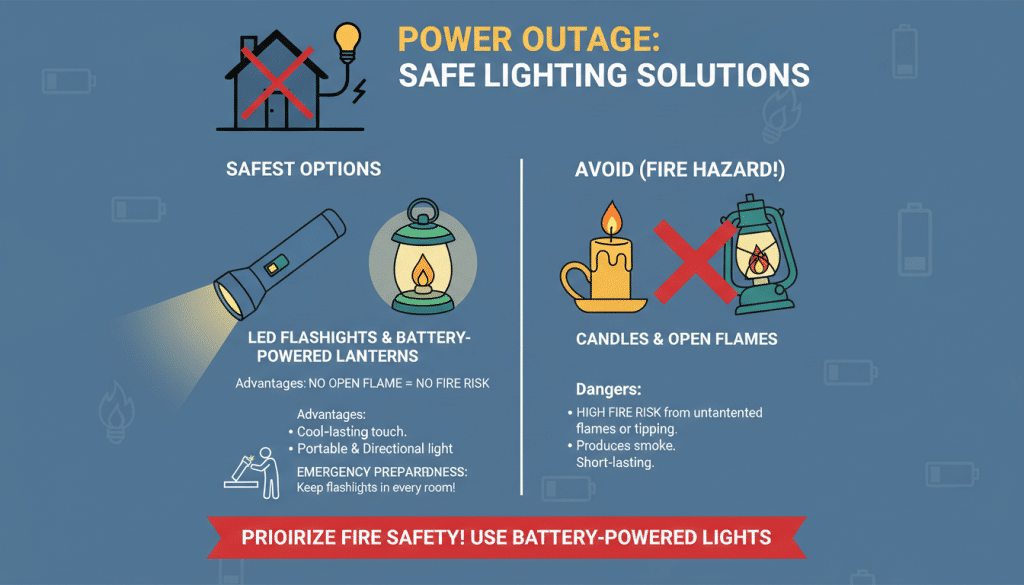
LED flashlights and battery-powered lanterns are the safest choices for light during outages. They are safer than candles or open flames because they don’t start fires. It’s a good idea to have flashlights in every room. See the highest rated room. See the highest-rated LED flashlights on Amazon.
Portable power stations are great for long-term lighting needs. They can power LED lights and small lamps for hours or days. They are quiet, don’t make harmful fumes, and are safe to use indoors.
Headlamps are useful for hands-free lighting when you need to work during an outage. A good tip is to leave one light switch on so you’ll know when power returns.
Here are some key lighting strategies:
- Put flashlights in bedrooms, kitchens, and bathrooms for easy access
- Store extra batteries in a special emergency kit location
- Test all lighting equipment every three months to make sure it works
- Avoid candles and open flames because they are very dangerous
- Use glow sticks as a safe backup for kids’ rooms
Maintaining Warmth Without Electrical Heat
Winter power outages make it hard to keep warm. Staying warm is very important when the heat goes out. It’s best to use a mix of methods to stay warm.
Wearing layers and using blankets is a good start. Thick sweaters, thermal underwear, and wool socks keep you warmer than one heavy coat. Keep these items ready to use, not stored away.
Keeping the house warm is also important. Close doors to rooms you don’t use to keep warmth where you are. Drawing curtains and blinds over windows helps keep the heat in.
Boiling water before the outage and storing it in thermos flasks is a good idea. It can be used for hot drinks or to warm up water bottles. Sleeping bags for cold weather are another good way to stay warm at night.
Having the right supplies for winter helps keep your family safe and warm during outages. Portable power stations can run electric blankets or small heaters for a bit, keeping you warm without heating the whole house.
Generator Operation and Safety Protocols
Never run generators indoors or in attached garages—this is a critical safety rule to avoid deadly carbon monoxide poisoning. Generators produce a colorless, odorless gas that can be deadly in closed spaces. Keep generators at least 20 feet away from windows, doors, and air vents.
Generators can be a problem at night because they are loud and light up through the curtains. This makes homes easy targets. It’s important to balance safety with being careful during outages.
Planning for fuel is key because gas stations may close or have long lines during outages. Use approved containers for fuel storage and keep them away from living areas in well-ventilated spots. Generators need regular checks and tests to work properly during emergencies.
Professional electricians should install transfer switches for generators to safely power home systems. Without proper transfer switches, portable generators can only power certain devices, such as water heaters.
Here are some generator safety tips:
- Keep generators at least 20 feet away from building openings
- Use battery-operated carbon monoxide detectors near sleeping areas
- Store fuel in approved containers away from heat sources
- Get annual maintenance checks for reliable operation
- Have fire extinguishers near generator locations
Portable power stations are a good alternative to traditional generators. They don’t produce carbon monoxide, are quiet, and can be used safely indoors. This makes them great for apartments, seniors, and places where generator noise or emissions are a problem.
Portable power stations offer quiet, safe, and effective backup power. They may not power whole homes like big generators, but they are safe and versatile. They are a key part of any emergency plan.
Ensuring Medical Needs Are Met
For families with members who have chronic illnesses or disabilities, losing electricity can be very dangerous. Medical devices, temperature-sensitive medications, and mobility equipment all need constant power. Planning ahead is key to safely managing an outage.
Good emergency preparedness means knowing what medical needs require electricity. Families should make detailed lists of all equipment, medications, and support services their loved ones need every day. This is very important when power cuts last for hours or days.
Managing Prescription Medications
Prescription medications that need to stay cool pose big challenges during blackouts. Insulin, certain biologics, and some liquid antibiotics need refrigeration to work properly. The FDA says these medications can remain safe in a closed refrigerator for about 4 hours after a power outage.
To keep medications safe longer, families can move them to coolers with ice packs. Keeping them in the coolest part of the home, away from windows and heat, also helps. For longer outages, portable power stations can power small medical refrigerators.
Having at least a two-week supply of all prescription medications is very important. This ensures families don’t run out during disasters when pharmacies might be closed. Emergency kits should include medication lists with dosages, prescribing physicians, and pharmacy contact information.

Knowing pharmacy emergency refill policies before disasters helps save time. Many pharmacies offer early refills during emergencies. Talking to healthcare providers about backup prescriptions adds extra security for those with chronic conditions.
Backup Medical Equipment
Medical equipment like CPAP machines, oxygen concentrators, nebulizers, and suction machines is essential. Without electricity, these devices stop working, posing immediate health risks.
Many medical devices include battery backup options that require regular maintenance and testing. But these batteries usually only last a few hours. Portable power stations and generators can provide longer runtime for essential medical equipment during long outages.
Figuring out power needs helps families choose the right backup systems. Equipment manuals list the required wattage, helping caregivers choose the right power stations. Medical equipment suppliers and healthcare providers can help create backup plans tailored to specific devices.
Mobility equipment such as stair lifts, bath hoists, and adjustable beds also loses functionality during power cuts. Checking that stair lifts have manual release handles allows users to safely return the lift to ground level during outages. This simple feature prevents people from getting stuck between floors.
Testing backup systems before emergencies helps find any problems. Running medical equipment on backup power monthly ensures it works properly. Keeping equipment manuals handy provides troubleshooting help when issues come up.
Assistance for Vulnerable Family Members
Elderly family members, young children, and those with disabilities need extra help during extended blackouts. Identifying these vulnerable individuals before outages allows families to make specific safety plans. Community networks and utility company programs offer extra protection.
Energy suppliers and network operators maintain Priority Services Registers for customers who need extra help. These programs offer priority restoration, welfare checks, and tailored support during power outages. Benefits include emergency contact numbers, advice hotlines, hot meals, and even home visits when needed.
Signing up for Priority Services gives vulnerable individuals access to resources others might not get. Welfare teams keep registered customers updated during outages. This proactive communication helps families decide whether to stay home or seek alternative accommodation.
Creating informal check-in systems within neighborhoods creates safety nets for vulnerable residents. Neighbors can watch out for each other, share resources, and alert authorities if someone needs help. These community connections are often very helpful during widespread, extended outages.
Knowing when to seek emergency services or evacuation is critical during prolonged power loss. If medical needs can’t be met at home, facilities with backup generators offer safe alternatives. Hospitals, emergency shelters, and specialized care centers welcome those whose health depends on a constant supply of electricity.
Regular checks and maintenance of backup power supplies and equipment are important. If there are concerns about the functionality of medical equipment, it is key to talk to healthcare providers or equipment suppliers as soon as possible. Professional advice ensures backup systems work as needed when families need them most.
Keeping Entertained and Connected
Surviving an outage isn’t just about food and water. It’s also about keeping everyone’s spirits up and staying connected. Families often underestimate the mental and social challenges of long power outages. When the excitement fades, finding ways to entertain and connect becomes key.
Long blackouts are much harder than short ones. Families need plans for both immediate fun and the fatigue that comes later.
Activities That Don’t Need Power
When the lights go out, old-school fun can light up the house. These activities don’t need batteries or charging, making them great for long outages.
Board games and card games are great for all ages. Keep classics like Monopoly and Scrabble in your emergency kit. Puzzles are perfect for daylight hours near windows.
Reading is a great pastime without screens. Stock up on books, magazines, or comics for everyone. A headlamp or lantern makes reading at night safe and cozy.
- Storytelling sessions where family members share memories or create fictional tales
- Arts and crafts projects using basic supplies like paper, markers, and scissors
- Outdoor activities during daylight hours, weather permitting
- Journaling or letter writing to document the experience
- Music making with acoustic instruments or simple singing
Putting together an outage entertainment kit before an outage ensures you’re ready. Include things for kids, teens, and adults to avoid fights over what to do.
Strengthening Family Bonds
Long outages offer a chance for real family bonding in our screen-filled lives. Seeing it as an adventure, not a disaster, helps everyone cope better.
Cooking meals together over camp stoves or grills turns a chore into a fun project. Playing games by lantern light creates unforgettable moments. Families often find they enjoy talking more without screens interrupting.
But by Day Four or Five, the excitement wears off, and the real hardship begins. Sleep loss, physical discomfort, and constant hassle start to take their toll.
One reader got tired of cold showers, generator noise, neighbors’ complaints, and just being tired of being tired by Day Seven.
This isn’t just about being tired; it’s about the duration. Knowing it’s coming and planning for it is the only real preparation. Small gestures, such as treats from emergency supplies or planned activities, help ease frustration.
Finding the humor in tough situations helps emotionally. Working together on tasks builds teamwork. These experiences, though hard, often create lasting memories and strengthen relationships in ways that everyday life can’t.
Maintaining Neighborhood Connections
Community ties are key in handling long blackouts. Keeping in touch with neighbors creates support networks that help everyone.
Checking on vulnerable neighbors, such as the elderly or those with health issues, is a top priority. A quick visit to make sure they’re okay and have what they need builds trust and keeps the community safe.
Sharing information helps the whole neighborhood. Updates on when power will be back, local resources, or which stores are open are useful. Some neighborhoods even set up informal check-in systems.
- Pool resources for shared meals or generator use when appropriate
- Establish neighborhood watch arrangements for enhanced security
- Share contact information for emergency situations
- Coordinate ice runs or supply trips to reduce individual travel
But survival also means setting boundaries. Being ready while neighbors aren’t can make things awkward. Families should decide in advance what they’re willing to share and what they need to keep for themselves.
Talking about this before someone asks helps avoid awkwardness and resentment. It’s okay to help neighbors while also protecting your family’s needs. Clear, kind communication keeps relationships strong while maintaining necessary boundaries.
The social side of power outages is just as important as the practical stuff. Keeping entertained, keeping family spirits up, and connecting with the community helps families not just survive but thrive during outages. They come out with stronger bonds and valuable lessons.
Evaluating Community Resources
Community support systems are key when home prep isn’t enough during long blackouts. Knowing what resources are available before an outage helps families act fast. Many places offer help, such as shelters and priority services for those in need.
To access these resources, it’s important to know what’s out there and how to get in touch. The same planning that goes into preparing for nuclear threats in America helps build awareness of community support. Taking time to find local services ensures families can get help when they need it most.
Finding Help Through Emergency Facilities
Local emergency services are critical during long power outages, keeping homes safe. Municipalities open cooling centers in summer and warming centers in winter. These places offer safe environments for families to stay for hours or overnight.
Many places have charging stations for devices and access to information. Libraries, community centers, and fire stations often serve this purpose. Knowing these spots before an outage helps families plan.

Emergency contact information is vital when the power goes out. Call 911 for emergencies, and know the number 105 for your DNO. This connects you to your local power line owner.
Save these numbers in phones and emergency kits. Phone batteries can die during long outages. This list should include:
- Local utility company non-emergency line
- Community emergency management office
- Nearest hospital or urgent care facility
- Local police non-emergency number
- Red Cross chapter contact information
Distribution network operators give outage updates and restoration estimates. Knowing your DNO before an outage helps you report issues faster and stay informed.
Building Connections With Neighbors
Neighborhood support networks are powerful during power outages. Informal connections between neighbors often offer faster, more personal help than official channels. These bonds grow through regular communication and shared experiences.
Many neighborhoods have social media groups or communication trees for sharing info during emergencies. These networks spread word about resources, coordinate wellness checks, and help vulnerable residents. When one neighbor finds a charging station or store with supplies, everyone learns quickly.
Community-organized wellness checks ensure elderly or vulnerable residents get regular contact during outages. Neighbors take turns visiting those who live alone or have medical needs. This simple practice has prevented serious health emergencies and provided reassurance during stressful times.
Some communities organize the use of shared generators or coordinate bulk fuel purchases. While individual households may struggle to afford or store fuel, neighbors working together can pool resources effectively. This cooperation extends the benefits of blackout safety to more families while building social connections.
Real-world examples show the power of neighborhood networks. One reader shared how, on day three of an outage, he cooked pork steaks and brats on his grill and invited neighbors over. This gathering served multiple purposes—it used food that would have spoiled, strengthened community bonds, and provided mutual support during difficult circumstances. These moments of connection often become cherished memories that outlast the hardship of the outage itself.
Neighborhood watch arrangements provide security benefits during extended blackouts. Residents looking out for each other deter crime and quickly identify problems. The social capital built through these relationships creates resilient communities better equipped to handle future emergencies.
Accessing Official Support Programs
Government assistance programs provide targeted support for those who need extra help during power outages. Energy suppliers and network operators maintain Priority Services Registers for vulnerable customers. These registers identify residents who require enhanced assistance during service interruptions.
Priority services include several categories of vulnerable individuals. Elderly residents, people with disabilities, those dependent on medical equipment, and families with young children qualify for registration. Once enrolled, these customers receive priority restoration during outages, welfare checks from utility teams, and enhanced communication about restoration progress.
If someone needs extra support during power cuts, they should sign up for priority services before an emergency occurs. Welfare teams keep registered customers updated on emergency numbers, provide tailored support such as hot meals and advice, and even conduct home visits when needed. Contact energy suppliers or network operators directly to request addition to these registers.
Documentation requirements for assistance programs vary by jurisdiction. Families should gather necessary paperwork before emergencies strike. Important documents include:
- Medical documentation for priority service registration
- Photographs of spoiled food for insurance or relief claims
- Utility bills showing the service address
- Identification documents for all household members
- Receipts for emergency-related expenses
FEMA assistance may be available after major disasters, which can lead to extended power outages. These programs typically activate following disaster declarations and provide financial help for uninsured losses. Residents should document damage thoroughly and file claims promptly when these programs open.
Local emergency management offices coordinate community-wide response efforts and connect residents with available resources. State utility commissions offer complaint and assistance processes when utility company responses prove inadequate. Understanding these escalation pathways helps families advocate for themselves during emergencies.
Reporting unexpected power cuts quickly helps utilities respond effectively. Calling 105 connects residents to the appropriate distribution network operator who can dispatch repair crews and provide estimated restoration times. These reports also help utilities identify patterns and prioritize response efforts to restore power to as many people as possible as quickly as possible.
Affordable power stations to keep your family safe in emergencies. Best Portable Power Stations.
After the Power Returns: Next Steps
When the power comes back on, don’t turn everything on right away. This can damage your circuits and appliances. First, make sure the medical equipment is working before you turn on other devices.
Inspecting Your Home for Damage
Test big appliances one by one. Make sure your fridge is cold before eating stored food. Check your water heater and HVAC system, too. Take photos of any broken equipment for insurance claims.
Restocking Your Emergency Supplies
Use the end of an outage to get ready for the next one. Replace batteries, fuel, and non-perishable food quickly. Charge all backup systems and devices. Fill up your car’s gas tank soon.
Reflecting on Lessons Learned
Reviewing what worked and what didn’t makes future outages easier. Talk about which supplies were most useful. Write down your thoughts to improve next time. Staying prepared makes each challenge a chance to grow. Keep updating your emergency plans and supplies.