Inside the Mission to Protect the President
Discover insights into the question, “Is our president safe?” evaluate the effectiveness of our Mission to Protect the President

Mission to Protect the President
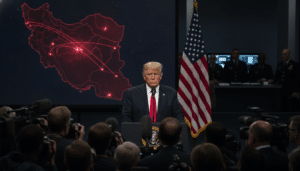
Mission to Protect the President: In the United States, the President’s safety is once again a major topic. This is because of several attempts against President Donald Trump over two years. One time, a bullet even grazed Trump’s ear, leading to many questions.
After two more alleged incidents, the situation has changed. Some lawmakers are not as quick to call for new hearings or full investigations. They worry about whether the President is safe and whether the current security measures are sufficient.
The latest incident was at the White House Correspondents’ Association Dinner. There were reports of a third alleged assassination attempt. But many people doubted these claims online, calling them staged.
Sen. John Kennedy (R-La.) told Fox News Digital that more investigations are a waste of time. He said, “Security held. The guy didn’t get through. Wasn’t even close.” Critics say this is just moving the goalposts. Supporters see it as proof that the system worked well.
But the debate keeps going. What did the WHCA Dinner incident show about security in crowded places? What is considered an “attempt,” and why does it matter? And when we ask if the Secret Service is doing its job, what does that really mean?
Mission to Protect the President: Key Takeaways
- Presidential security is under renewed scrutiny after multiple alleged incidents involving President Donald Trump.
- The bullet-grazing episode triggered a rapid surge in congressional interest, but later cases drew less urgency.
- The WHCA Dinner became a new test case, with online rumors complicating public understanding.
- Sen. John Kennedy argues further investigation is largely unnecessary because the barrier was held.
- Public questions remain: is our president safe?, what counts as an “attempt,” and what standards should apply now?
- The president’s safety concerns increasingly include misinformation that can distort accountability and trust.
Mission to Protect the President: Is our president Safe?
In a tense election year, many wonder: Is our president safe? Recent events have made this question common in everyday conversations.
Every incident tests the security of leaders. Crowds, cameras, and tight schedules can make small risks big.
What the latest White House Correspondents’ Association Dinner incident revealed about presidential security
At the White House Correspondents’ Association Dinner, a shooting happened. A suspect was stopped while trying to get into a packed ballroom. Donald Trump and others were inside.
The suspect, Cole Allen, ran past a security checkpoint. He had a rifle, a handgun, and knives. The Secret Service stopped him before he could enter the ballroom.
This breach raised questions about screening and control. It showed how quickly a checkpoint can become chaotic.
Three alleged assassination attempts in two years, and why “attempt” definitions matter
The dinner shooting was the third alleged attempt in two years. It followed a shooting in Butler, Pennsylvania, and a case in Florida.
People debate what counts as an “attempt.” They consider intent, distance, and capability. Even when the outcome seems the same, opinions vary.
This debate affects how voters see secure leadership. It determines whether a stop is treated as a success or a warning of failure.
Congressional reaction shift: from rapid investigations to hesitation
After Butler, Congress quickly investigated the Secret Service. They asked how a gunman got close. Details of that day have been widely reported.
After the WHCA incident, lawmakers met with the Secret Service Director. But they haven’t called for hearings yet. In Florida, they folded that case into their ongoing inquiry.
There’s a split among lawmakers. Some want a full review, while others think the system worked. They disagree on what’s needed for head of state safety.
Online skepticism and “staged” claims: how misinformation complicates secure leadership
Online, many doubt the WHCA incident was real. Rumors spread quickly, fueled by incomplete information.
Sen. Bernie Moreno of Ohio called for help for those spreading conspiracy theories. Yet, the mistrust affects security efforts. It changes how people react to security measures.
In this climate, the question of the president’s safety is complex. It’s influenced by online rumors as much as by agents’ real efforts.
Secret Service performance under pressure: safeguarding the president and executive protection measures
Pressure tests show the gap between plans and reality. We often see only the end result of presidential security, not the steps leading up to it.
Debates about keeping the president safe focus on two main points. Did the threat get stopped, and was it too close in the first place?
What “doing their job” looks like in real time at major events
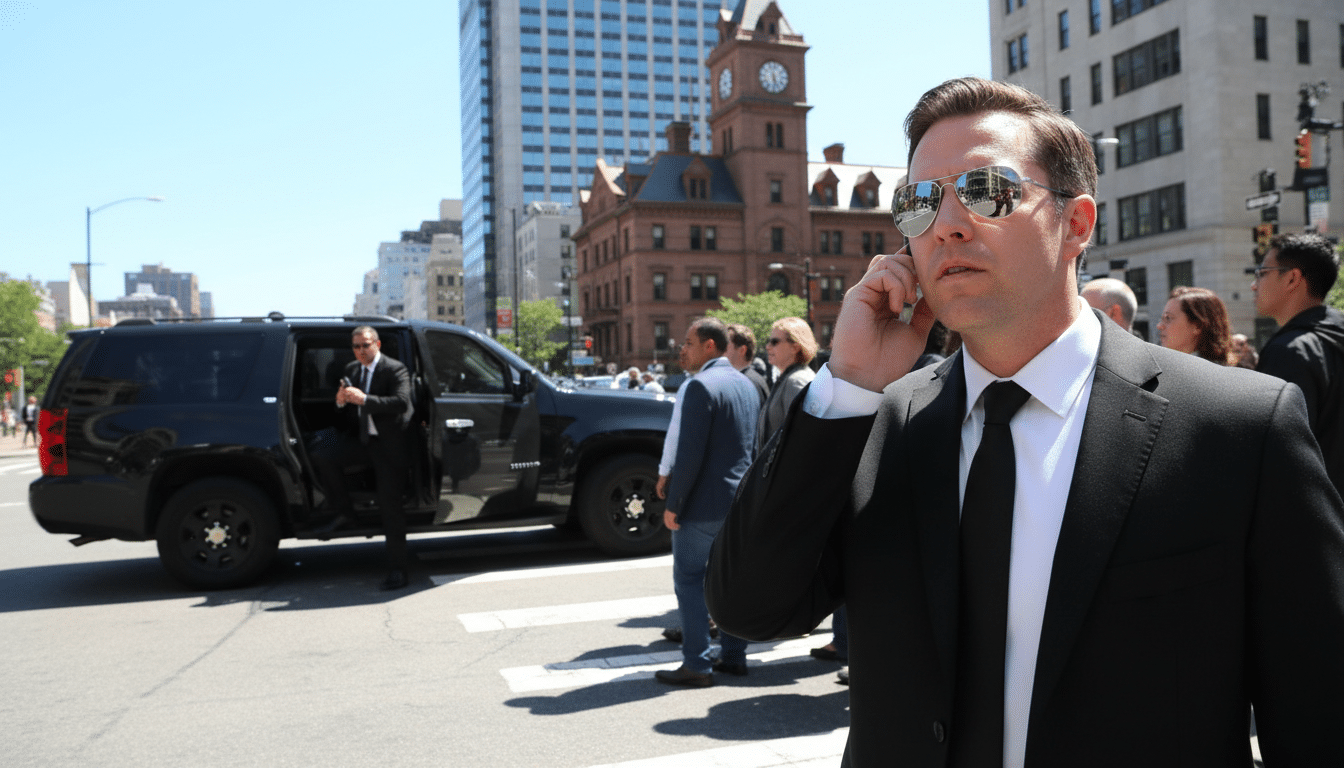
At events like the White House Correspondents’ Association Dinner, time is tight, and crowds are dense. Screening, magnetometers, and checks must be quick yet controlled.
In a notable incident, an attacker allegedly bypassed a checkpoint with weapons. The Secret Service stopped and neutralized the suspect before he could reach the ballroom where Donald Trump was.
This outcome shows the importance of safeguarding the president. Yet, it also raises questions about earlier failures in executive protection measures.
Lessons from Butler: preventable failures and recommendations for safeguarding the president
Butler, Pennsylvania, is a lesson in failure. A gunman tried to assassinate Trump, with a bullet grazing his ear.
A Senate investigation found the shooting was preventable. It highlighted failures in protocol, planning, and funding. The inquiry offered more than 40 recommendations to improve presidential security.
These recommendations are key to ensuring the president’s safety. They focus on basic, often overlooked, aspects of security.
- site surveys that match the venue’s sightlines and rooftops, clear command roles across agencies and local partners,
- staffing and equipment that keep pace with travel demands
Hearings vs. briefings: accountability tools for presidential security
After the WHCA Dinner incident, lawmakers received briefings from Secret Service Director Sean Curran. These included sessions with the House Oversight and Senate Judiciary committees. So far, there have been no public hearings or new investigations.
Briefings can be quick and protect sensitive tactics. Hearings, on the other hand, can push for funding and policy changes that affect presidential security.
Sen. Josh Hawley told Fox News Digital that this was “the third assassination attempt on the life of the president in two years.” He urged Sen. Rand Paul to hold a hearing. Paul suggested starting with briefings to improve the president’s safety.
What could come next: evolving threats and the president’s safety concerns
Threats are now more complex, like a lone attacker with a simple plan. Rep. Ralph Norman has raised concerns about a suicide bomber or an army of people. This prompts presidential security to consider broader perimeters.
Politics also affects capacity. Sen. Bernie Moreno was comfortable with White House chief of staff Susie Wiles discussing the WHCA incident. He also criticized Democrats over funding for the Department of Homeland Security.
The debate remains: should stopping a suspect at the last barrier be seen as success, or as a sign of earlier failures in executive protection measures?
Mission to Protect the President: Conclusion
The Butler shooting led to swift action by lawmakers, resulting in more than 40 recommendations. In contrast, the White House Correspondents’ Association Dinner incident has seen a slower response. Congress is leaning towards briefings with Secret Service Director Sean Curran, not immediate hearings or a new probe.
There’s a clear gap in the facts. Agents stopped the WHCA suspect before he reached the ballroom, showing Sen. John Kennedy’s point that “security held.” Yet, the suspect had a rifle, a handgun, and knives, raising questions about the protection.
Fear can often outpace reality, affecting decisions on the head of state’s safety. Despite a drop in violent crime, many believe it’s rising. This perception gap fuels online rumors, making clear facts essential for secure leadership.
Washington is also seeing a tougher stance on the streets, with federal forces now involved in security. The next challenge is how Congress will view the WHCA incident. Will it be seen as a success, or a near-miss that calls for stronger oversight?