Energy Shock: Gas and Mortgage Rates Rise as Middle East Conflict Deepens
Explore how the ongoing middle east conflict is impacting US mortgage rates and gas prices. Get the latest updates on this pressing economic ripple effect.
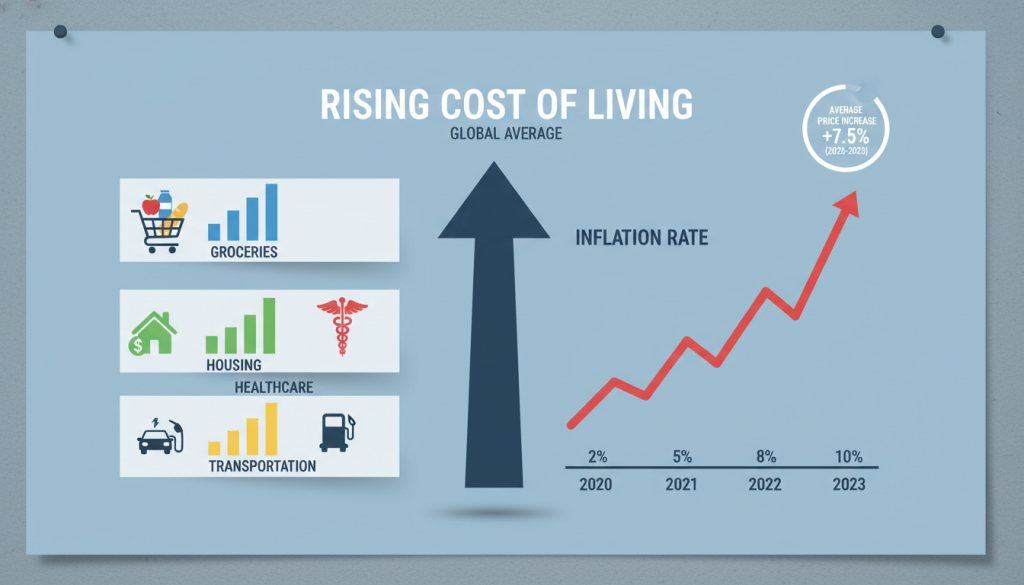
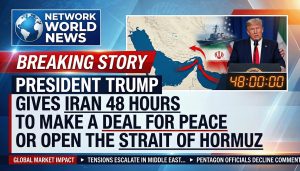
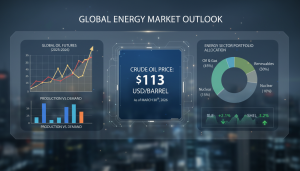
The Middle East conflict is affecting daily life in the United States, starting with energy. Brent crude hit $100 a barrel, and gas prices jumped to $3.59 a gallon. This is a 22% increase from last month.
These changes worry about inflation and can raise borrowing costs. Treasury yields are reacting to these shifts.
Investors are concerned about the lasting impact of the conflict. The International Monetary Fund fears it could increase inflation and delay rate cuts. Higher oil and shipping costs are expected to affect prices.
For more on the IMF’s warning, see this report.
The market unease is reflected in key indicators that lenders watch. The 10-year Treasury yield rose to 4.173%. The latest CPI reading shows inflation remains a concern. For more on oil, CPI, and Treasury, see this report.
At the same time, the conflict is affecting domestic politics. The Trump administration is focusing on housing affordability. But the war risk is overshadowing the White House’s economic message.
The next sections will explore the latest mortgage-rate move and the impact of two new executive orders. These actions could affect buyers and renters.
Rate moves are already seen in countries closely tied to bond markets. In Canada, for example, fixed mortgage rates went up as five-year yields increased. This shows how quickly war news affects the financial markets. For more, see this report on bond yields and mortgages.
Prices Climb as Middle East Conflict Continues: Key Takeaways
- The Middle East conflict is pushing oil and gas higher, raising fresh inflation concerns for U.S. households.
- Markets are reacting through Treasury yields, a key channel that influences mortgage rates.
- Middle East instability is increasing the risk that central banks keep rates higher for longer.
- The Trump administration is pursuing housing affordability measures amid rising volatility.
- Middle East security concerns are becoming a political stress test ahead of November’s midterm elections.
- Mortgage-rate pressure can spread quickly across countries when bond yields jump.
Mortgage rates rise as markets react to Middle East conflict and inflation fears
U.S. mortgage prices are changing with the news. Traders are closely watching the Middle East war. They worry that fuel price hikes could lead to higher inflation and borrowing costs.
Freddie Mac snapshot: 30-year fixed rate jumps to 6.11%
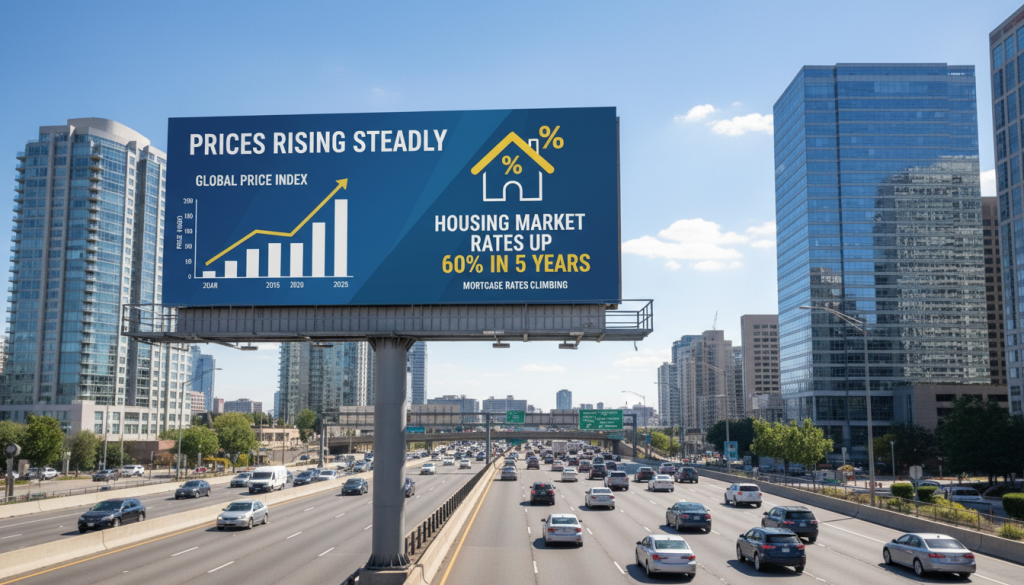
Freddie Mac said the 30-year fixed mortgage rate is now 6.11%, up from 6.00% last week. Despite this increase, it’s lower than last year’s 6.65%. But small changes can affect monthly payments, making some buyers hesitant.
Market movements show how mortgage rates are linked to bonds, energy, and risk sentiment. For more on how the Iran conflict affects mortgage rates, check out this report.
Why energy shocks matter for borrowing costs
Energy prices affect shipping, manufacturing, and food costs. When oil prices go up, investors expect higher inflation. This can lead to higher Treasury yields and mortgage rates.
Inflation data also plays a role. Recent numbers show some areas are slow to cool down. For a detailed look at inflation drivers, see this inflation summary.
Federal Reserve uncertainty and the White House focus on affordability
The Federal Reserve’s next steps are uncertain, with energy costs and inflation fears in the mix. Markets are quick to react to speculation about rate cuts and their impact on mortgage prices.
President Donald Trump wants lower interest rates and has suggested replacing Jerome Powell with Kevin Warsh. In January, he also asked Fannie Mae and Freddie Mac to buy $200 billion in mortgage bonds. These moves highlight the importance of affordable housing, but don’t promise cheaper mortgages for everyone.
Trump executive orders target housing affordability as gas prices climb amid the Israel-Palestine conflict and regional
Gas prices are rising, and markets are on edge. The White House links housing costs to global issues. The Israel-Palestine conflict has kept energy traders focused on supply risks, affecting everyday bills. President Donald Trump signed two executive orders to make homeownership easier.
Higher fuel costs squeeze construction, shipping, and commuting budgets. A recent report on rising energy prices shows how geopolitical shocks can strain the economy. For households watching mortgage quotes, any new inflation matters.
Mortgage credit order: CFPB rules, community banks, and “prudent underwriting.”
The first order focuses on mortgage credit and federal rules. It aims to expand access without repeating past mistakes. Community banks and credit unions could play a bigger role if costs and loan products were simplified.
Supporters say clearer guidance can help lenders approve more borrowers. Critics fear looser rules can increase risk if job growth slows or debt rises. The Middle East peace process can influence rate expectations through energy and inflation.
Development order: permitting changes to lower costs and speed building
The second order aims to speed up housing supply. Faster permitting and more predictable timelines can reduce costs for builders. The goal is to keep output steady, cooling price growth.
Material prices and freight charges are sensitive to shipping routes and insurance costs. Diplomacy in the Middle East can lead to calmer trade flows, steadying input costs. Builders watch these signals when setting bids and schedules.
How Congress and industry pushback shape the housing supply debate
Executive actions face budget limits, statutes, and court challenges. Lawmakers can influence outcomes through oversight and infrastructure funding tied to new housing. Industry groups often disagree: some want speed, while others fear rushed reviews can lead to legal fights.
Local officials resist one-size-fits-all timelines, citing needs for water, roads, and schools. Lenders and builders seek clarity that they can price into contracts. This tug-of-war can slow results, even with bold policy headlines.
Prior affordability ideas and the political balancing act
The administration has proposed various affordability moves, including changes to Fannie Mae and Freddie Mac. A report on housing affordability proposals outlined ideas such as larger mortgage-bond purchases and new loan terms. Each aims to unlock listings or reduce payments, but shifts risk to lenders, taxpayers, or both.
Politics adds complexity, as voters feel the housing and gas costs immediately. The Israel-Palestine conflict remains a constant headline. Uncertainty abroad makes economic tradeoffs at home harder. Middle East peace efforts and conflict resolution are watched for their impact on energy shocks and housing costs.
Prices Climb as Middle East Conflict Continues: Conclusion
The Middle East conflict is making people nervous about the market. It’s driving up energy costs and adding to inflation worries. This can lead to higher borrowing costs quickly, even before the data shows it.
For many families, the concern is simple. If gas and other essentials keep rising, it will be harder to afford a mortgage.
Weekly numbers are already showing the impact. Freddie Mac said the 30-year fixed rate went up to 6.11%. Even though it’s lower than last year, the Middle East tensions are making traders cautious. This caution often affects interest rates.
The Trump administration has taken steps to help. They’ve issued two executive orders to make it easier to get a mortgage. They also want to lower construction costs by speeding up permits and making it easier to develop and insure properties.
The goal is to improve supply and access, even as inflation changes. But the future is uncertain. Analysts say the big question is whether energy prices will rise enough to alter inflation and financial conditions.
One market outlook on the conflict suggests that a $10 increase in oil prices could add 0.1 to 0.15 points to PCE inflation over a year. As the Federal Reserve considers its next move and Congress debates housing-supply bills, the Middle East conflict and security concerns may keep things uncertain for buyers, builders, and lenders.