Essential Supplies to Have on Hand for Winter Emergencies
Stay prepared for winter emergencies with our essential supply guide. Keep your family safe and comfortable during cold weather crises.

Winter Emergencies can make simple tasks take a long time. They affect more than just those who go outside. Liz Crandall, a former U.S. Forest Service field ranger, says everyone needs to take the same precautions.
For winter emergencies, start by checking the weather forecast. A quick weather check can help you pack extra clothes and fill up your gas tank. It’s also wise to bring supplies that work without electricity or phone service.
The Mountaineers, based in Seattle, developed the “Ten Essentials” in the 1930s. These items help when plans go wrong. They are simple, don’t need electricity, and are great for winter emergencies.
Cold exposure is a big risk in winter. Crandall says hypothermia is a major cause of injury and death. A good start is a checklist-based kit for your home and car. Check out this winter emergency kit guide and use free resources like these emergency preparedness checklists.
Key Takeaways
- Winter Emergencies can affect any household, even without outdoor travel.
- Snowstorm preparedness starts by checking the forecast before they leave home.
- The Mountaineers’ Ten Essentials concept shows why checklists reduce mistakes.
- Hypothermia risk can rise fast during outages, delays, or wet clothing.
- They should plan for both at-home and on-the-road winter emergencies.
- Reliable, printable guides help them build a kit that works without power.
Winter Emergencies: What to Prepare for Before the Storm Hits
Winter Emergencies often start with small gaps. An empty gas tank, a dead phone, or a pantry that depends on the stove are common. Planning ahead helps households, drivers, and hikers stay safe when conditions change fast. Many cold-weather safety tips are simple but work best when put in place before the first flakes fall.
Reliable preparation means using trusted public guidance, like winter storm readiness steps. Then, tailor supplies to how people live and travel. For winter power outage preparedness, assume one long night without lights, heat, or cell service. This mindset drives smarter choices in food, water, and backup warmth.
Common winter threats that drive supply needs
Whiteouts above the tree line can erase landmarks in minutes. Short winter daylight hours make it harder to spot hazards like icy terrain and downed branches. Rapidly changing conditions can turn a routine drive into a long delay.
A dangerous cold also drains phone batteries quickly. A single device should not be the only plan. Carry a flashlight with extra batteries and a battery-powered NOAA Weather Radio or portable radio for alerts. These tips help people stay informed even when screens go dark.
Why outages can last longer than expected
Ice loads, fallen trees, and drifting snow can slow utility crews and block roads. A quick flicker of the lights can turn into a full day without power. Winter power outage preparedness should cover heat, water, and safe lighting. Set aside high-calorie, non-perishable foods such as dried fruit, nuts, and granola bars that do not require cooking or refrigeration.
Backup heat needs careful choices. Fireplaces, wood stoves, and properly ventilated space heaters can help. But home fires rise in winter when people improvise. Test smoke alarms monthly, keep a fire extinguisher accessible, and ensure a carbon monoxide detector works and that the outside vent stays clear of debris and snow.
- Flashlights, extra batteries, and a charged phone with a reliable charger
- No-cook food and stored water, plus a manual can opener and basic first-aid supplies
- Extra prescription medicine and a small supply of hygiene items
Planning for home, travel, and pets at the same time
Smart planning extends beyond the living room. At home, refuel heating oil, propane, or firewood before supplies run low. Fuel carriers may not reach some areas for days after a storm. For generator use, never run a generator in an enclosed space, including garages.
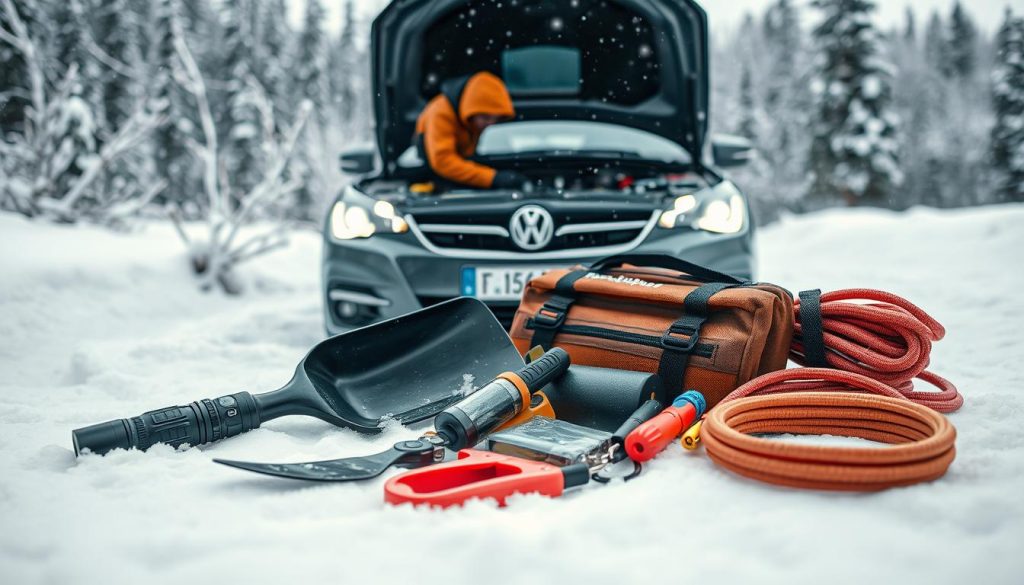
For travel, stash traction and recovery gear in the trunk. A shovel, a sack of sand or cat litter, a tow rope, and booster cables are useful. Warm layers, blankets or sleeping bags, and a water container help if stranded for hours. A paper road map and compass can work when mobile service is unreliable.
Pets need their own plan, not leftovers. Emily Fay of Lexington Emergency Management has urged residents to set aside extra pet food and create warmer resting spots with blankets and a draft-free shelter. During Winter Emergencies, these small steps support cold-weather safety tips that protect every member of the household, including animals.
Home Emergency Kit Essentials for Snowstorm Preparedness
When the forecast gets serious, a simple kit can keep a household steady. It covers food, water, light, heat, and health needs without grid help.
Many families make the kit once and check it before winter hits. A clear plan and supplies that fit the home reduce stress when roads close, and deliveries stop.
Water and shelf-stable food that require no cooking
Store two liters of water per person or pet per day. In cold weather, insulated bottles work better than hoses that can freeze.
Choose foods that last long and don’t need cooking: canned meals, dried foods, and energy bars. Some add Farm to Summit dehydrated meals and hot cocoa for quick energy and comfort.
A manual can opener is more important than you think. For a detailed checklist, compare your supplies with an emergency preparedness kit checklist and adjust for your household size.
Manual tools that work without power
In winter emergencies, power can fail, and phone batteries drain fast. A wind-up or battery flashlight, a radio with extra batteries, and a headlamp help move safely after dark.
Basic hand tools are also key: work gloves, a pocketknife, duct tape, and a whistle to signal for help. In whiteout, a paper map and compass guide when landmarks are gone.
First-aid supplies and extra prescription medicine
A first-aid kit should include supplies for cuts, burns, and sprains. Many choose a large kit like the First Aid Travel First Aid Kit (300-piece). Add hand sanitizer, unscented bleach for cleaning, and spare masks if needed.
Plan for extra prescription medicine and copies of key records, such as ID and insurance. Cash in mixed bills helps when card readers are down.
Baby supplies and other household-specific needs
Every home has unique needs. Families with infants need formula, diapers, wipes, and a way to safely warm bottles.
Households can also pack backup chargers, spare keys, warm layers, and heavy blankets or sleeping bags for cold weather. If pets are in the home, extra food, a warm shelter, and non-freezing water are important.
For more family planning resources, use official downloads from FEMA, the CDC, and the American Red Cross. Find these free PDF resources.
A small “morale” item, like a deck of cards or a favorite snack, can help too. In long storms, calm choices are essential, not a luxury.
Winter Power Outage Preparedness and Emergency Heating Solutions
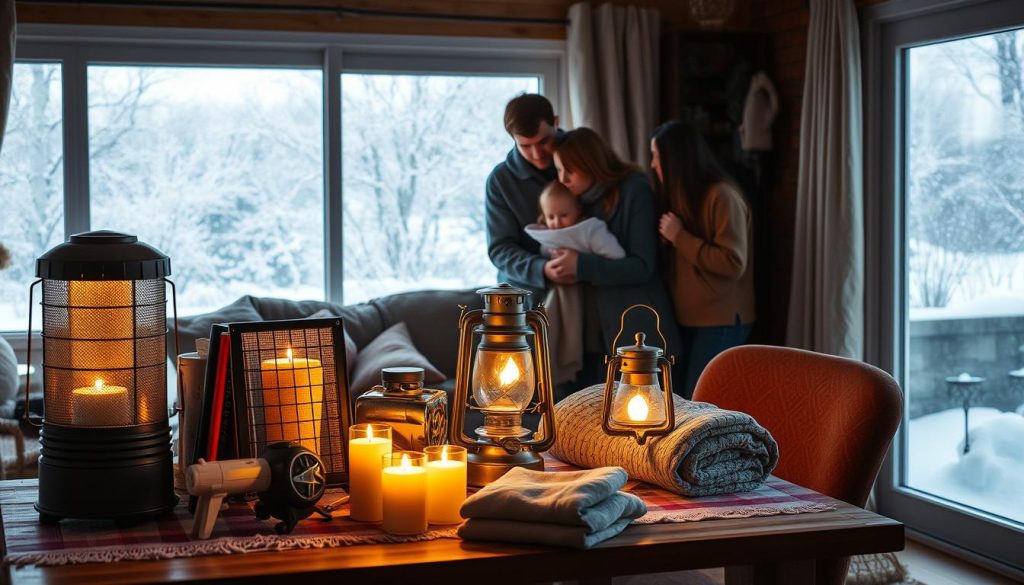
When the power goes out, small issues quickly become big problems. Good winter power outage preparedness includes light, heat, food safety, and clear communication. It also protects your home from surge damage and frozen pipes when power returns.
Light and information: flashlights, extra batteries, and a NOAA weather radio
They can stash flashlights in easy spots, like the kitchen drawer and the bedside table. Add extra batteries in the same bin. A headlamp is handy for jobs like checking a breaker panel or carrying water.
For updates, a battery-powered NOAA weather radio keeps alerts coming when Wi-Fi is out. A hand-crank option is useful for a second night of winter emergencies.
Charging and communication: phone chargers and backup power banks
Cold air drains phone batteries quickly. Keep a car charger, a wall charger, and a backup power bank together. Texting often works when voice lines are jammed, and it uses less signal.
For trips where service is spotty, Garmin inReach Mini 2 adds peace of mind beyond a cellphone. For local group coordination, Rocky Talkie radios are built for rough weather and can clip to a pack.
Safe backup heat: fireplace, wood stove, and properly ventilated space heaters
Emergency heating solutions work best when planned before the first hard freeze. If a home uses a fireplace or wood stove, schedule regular cleaning and store fuel in a dry, safe place.
Space heaters should run in a well-ventilated area with clear space around them. A quick safety check matters for oil or gas stoves, where shut-off valves should be installed by a qualified technician.
For cooking, plan outdoor-only options and keep supplies on hand: charcoal, matches, newspapers, and lighter fluid for charcoal grills, or a full propane tank for gas grills. A tea kettle and a French press also make warm drinks possible when the kitchen is dark.
For a deeper checklist tied to winter power outage preparedness, they can review winter power outage tips and match it to their home setup.
Generator and carbon monoxide safety essentials
Generators need routine care, not last-minute guesses. Top off fuel, replace stale gas, and stay on schedule for oil, filters, and spark plugs. Extension cords should be undamaged and rated for generator use, and a transfer switch should be installed by an electrician long before a blizzard.
Any fuel-burning device belongs outdoors and away from windows and doors. Fresh air and distance reduce carbon monoxide risk.
Food planning also supports emergency heating solutions during winter emergencies. Keep fridge and freezer doors closed, and fill empty space with water containers or ice so cold air holds longer; a full freezer may stay frozen about 24 to 36 hours if unopened. A bag of ice cubes helps spot temperature swings—if it melts and refreezes into a block, food may have warmed too much.
Dry ice can extend freezer time in a pinch, and adding refrigerator thermometers helps track safe ranges. For extra reading, they can download free readiness guides from FEMA, CDC, and the Red Cross and store them on a phone and in a printed folder.
- Before troubleshooting, they can check breakers and fuses; if power lines look damaged, they should stay back and call the electric company.
- When power returns, they can unplug sensitive electronics to avoid surges, leave one lamp on as a signal, and let taps drip if electric heat is off and pipes may freeze.
- If evacuation is likely, they can shut off the main breaker, drain water lines, protect traps with a small amount of antifreeze, and move valuables off the basement floor.
Cold Weather Safety Tips for Frostbite Prevention and Hypothermia Symptoms
During a deep freeze, small choices matter. These cold-weather safety tips focus on steady warmth, dry layers, and quick action when skin or behavior changes. For families, it also means planning for everyone in the house, including pets.
Warmth supplies to stock: blankets, sleeping bags, and extra clothing layers
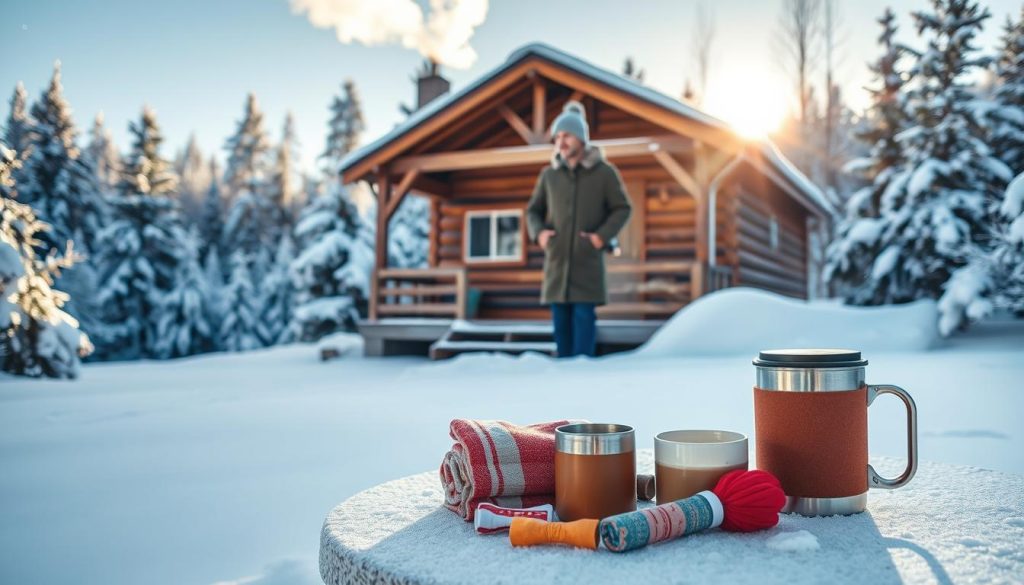
When the heat goes out, the goal is to trap body heat in one room and reduce drafts. Extra blankets, sleeping bags, and dry layers of clothing can keep a household stable through the night. Many people also add a compact emergency blanket or bivy, such as the Modern Needs Emergency Blanket, because it packs small and reflects heat back.
Hand warmers are another smart add-on for quick, targeted warmth inside gloves, jacket pockets, or boots. They support frostbite prevention when hands and feet cool faster than the core, during shoveling, waiting for a tow, or walking a dog in high wind.
Must-have clothing items: extra socks, hats, gloves, and dry backups
Cold-weather comfort often comes down to dry backups. Extra socks, hats, and gloves should be easy to reach, not buried in a bin. Wet cuffs and damp socks can speed heat loss, even indoors.
- Base layer: wool or synthetic to move sweat away from the skin
- Midlayer: fleece or light insulation to hold warmth
- Insulating layer: thicker insulation for low activity periods
- Shell: wind and water protection to block the chill
Many hikers and workers rely on merino base layers from Smartwool and Icebreaker. For sudden cold snaps, a packable down piece like the Arc’teryx Cerium Hoody can add warmth without much bulk.
Recognizing hypothermia symptoms early and staying dry
Moisture control is a quiet safety tool. Cotton holds sweat and melted snow, which can drain heat and raise risk during travel delays or outdoor work. Drying out quickly supports frostbite prevention and helps keep judgment clear.
Families should watch for hypothermia symptoms like strong shivering, numbness, weakness, a glassy stare, apathy, confused decisions, or fainting. If symptoms appear, they should get out of the cold fast, remove wet clothing, and warm the trunk first with blankets. Guidance like this is outlined in the Red Cross hypothermia and frostbite care.
Keeping pets warm and sheltered during extreme cold
Pets need their own plan during outages and bitter winds. A dry bed, a dedicated pet blanket, and a warm indoor spot away from drafty doors can reduce stress and heat loss. These cold-weather safety tips also include keeping paws dry after walks and limiting time outside whenthe wind chill is severe.
If a pet’s ears, tail, or paws look pale or feel very cold, it can signal trouble and should be treated as urgent frostbite prevention. Quiet, slow movements and warm, dry shelter help, while the household keeps an eye out for hypothermia symptoms like weakness or unusual sluggishness.
Winter Car Maintenance and a Vehicle Survival Kit for Ice Storm Safety Tips
Freezing rain can make a simple trip into a Winter Emergency. It strains roads, tow trucks, and cell service. A simple plan can keep drivers calm and safe.
Pre-trip winter car maintenance checklist
Before you leave, fill up the gas tank. Storms can stop gas deliveries, and detours add miles. A full tank helps with short idling if needed.
Plan a backup communication method, as cold drains batteries and towers can fail. For remote areas, a Garmin inReach Mini 2 can be a lifesaver when signals are lost.
Traction and recovery gear: cat litter or sand, shovel, and tow rope
Simple tools can prevent a small slide from becoming a long wait. Kitty litter or sand in the trunk can provide grip on ice.
A compact snow shovel clears snow from tires and the exhaust. A tow rope is useful, but only when it’s safe and the pull points are rated.
Visibility tools: ice scraper, snow brush, and spare wiper supplies
Clear glass and lights are as important as traction. Pack a snow brush and ice scraper to clear windows, mirrors, cameras, and headlights before driving.
Also, store spare wiper supplies, such as winter washer fluid and extra blades. Good visibility is key to winter car maintenance and reduces stress during emergencies.
Get-started-and-go items: jumper cables, battery booster, and tool kit
Cold starts are tough on older batteries. Keep jumper cables in the car all season. A battery booster can help when help is slow to arrive.
A basic toolkit and personal items, such as a hat, gloves, snow boots, a blanket, and snacks, complete the plan. These tips help you stay safe if a short drive turns into a long wait.
Winter Emergencies Conclusion
Winter emergencies don’t wait for anyone. That’s why having a steady routine is key. A good home kit includes water, non-perishables, a first aid kit, and essential tools that work without electricity.
Battery-powered items like radios and flashlights are also important. They help keep everyone informed and calm during a storm.
When power goes out, having a backup heating plan is vital. This plan should include safe heat, reliable lighting, and a way to charge phones. A generator is a good option, but it needs fresh fuel, basic maintenance, safe cords, and a wiring protection plan.
Staying warm and safe in the cold is all about layers and dry clothes. Mittens are warmer than gloves, and a hood can protect your face from the wind. Many families also follow winter preparedness tips to keep medications up to date and have supplies for pets.
A vehicle kit is also important when roads get slippery. It should include traction and visibility tools, such as kitty litter or sand, a shovel, and an ice scraper. Jumper cables for cold starts are also a must. With a blanket and snacks, you can stay warm on the move and stay safe during winter emergencies.