Iran War Fuels Skyrocketing Oil Prices: What it means for you
Explore the impact on your wallet and the global economy as Oil Prices Skyrocket as Iran war gets into full swing, triggering an energy crisis.
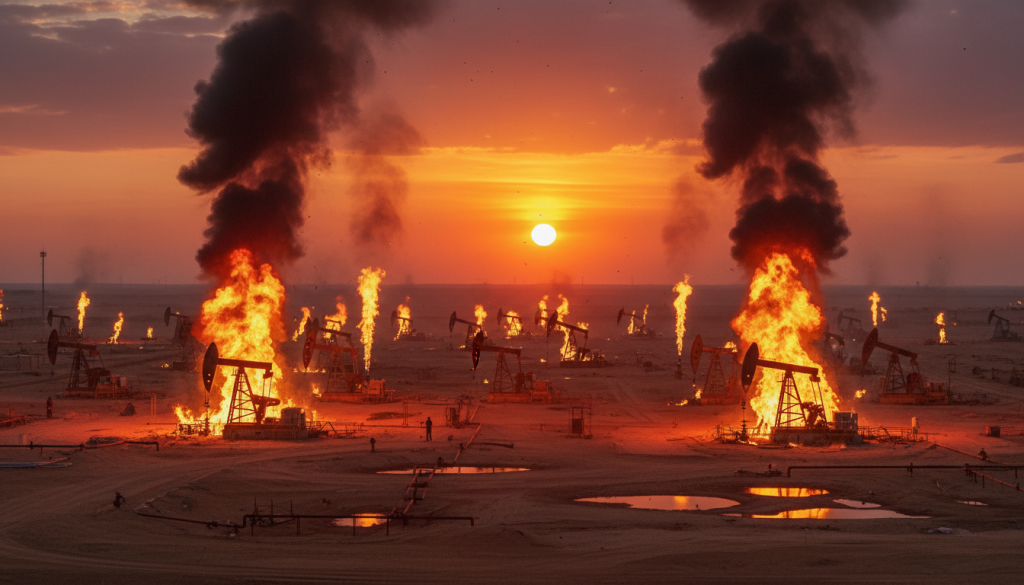
Skyrocketing Oil Prices: Oil prices jumped on Monday, affecting the global economy fast. For U.S. readers, this adds to worries about an energy crisis. It could lead to higher inflation and slower spending, both of which are key to U.S. growth.
The price hike came as Iran attacked Israel and Gulf countries. Traders saw a wider war risk, affecting major oil fields, ports, and shipping routes. This is based on oil market moves tied to the.
Global markets showed stress quickly. Japan’s Nikkei 225 fell up to 7% in early trading. Other Asian indexes also dropped, as investors sought safer bets during the energy crisis.
Why it matters at home is clear. When crude oil prices rise, so do gasoline and diesel prices. Then, shipping and airline costs increase, followed by everyday prices. This can hurt household budgets and shake confidence in the global economy.
Especially, trouble near the Strait of Hormuz can disrupt flows. This is a risk outlined in this breakdown of Hormuz supply threats.
Skyrocketing Oil Prices Key Takeaways
- Oil prices surged on Monday as geopolitical tensions intensified in the region.
- Markets reacted quickly, with Japan’s Nikkei dropping sharply in early trading.
- Rising crude can push up U.S. gasoline, diesel, and transportation costs.
- Higher energy bills can add to inflation and squeeze consumer spending.
- The Strait of Hormuz remains a major risk point for the global economy.
- Even short disruptions can raise shipping costs and ripple through supply chains.
Oil Prices Skyrocket as Iran War Gets Into Full Swing
Oil prices have skyrocketed as the Iran war intensifies. Traders are taking this seriously, seeing it as more than just news. The fear of sudden supply disruptions is driving this increase.
What happened on Monday, and why the markets reacted fast
On Monday, Iran launched more attacks, raising concerns about a wider conflict. The UAE reported 15 ballistic missiles and 18 drones fired at it. Officials say there have been 253 missiles and 1,440 drones fired in total.
Turkey also reported a ballistic missile intercepted by NATO defenses. Israel launched airstrikes in Tehran, Isfahan, and southern Iran. Witnesses reported fresh airstrikes in Tehran.
Markets quickly reacted. Brent crude jumped 8.5% to $92.69 a barrel. WTI rose 12.2% to $90.90, according to oil price moves tracked by Global. The Nikkei 225 dropped sharply, showing how quickly war risk can spread.
Leadership shift in Tehran and the role of the Revolutionary Guard
Political changes in Tehran have added to the tension. The Revolutionary Guard’s actions can affect Iran’s defense of key areas and energy sites.
There’s also outside pressure. A renewed tariff threat has brought attention to trading ties with countries such as China and the UAE. These ties influence expectations in the oil market, as reported in reporting on the shifting diplomatic stance.
Why the oil market is pricing in supply disruptions
The Strait of Hormuz is a major concern. It’s a key passage for the world’s oil. Even rumors of delays can tighten the market.
- Shipping risk: Higher insurance premiums and longer routes can quickly shrink available supply.
- Production risk: Strikes or security alerts can slow output and maintenance across the region.
- Policy risk: Sanctions, tariffs, and inspections can clog trade even without a full blockade.
Supply disruptions are a big factor in price swings. Even steps like ensuring ships crossing the Strait don’t calm the market. With the Iran war escalating, traders are adding more risk to oil prices.
How surging energy costs hit U.S. consumers, inflation, and the global economy
As the Iran war escalates, energy markets are getting nervous. When oil prices jump, it’s not just a screen issue. It affects everything from freight costs to what you find on store shelves.
Gasoline and diesel are often the first signals, and they can reset expectations fast. Even small week-to-week jumps can change how families and employers plan for the month ahead.

Why higher oil prices can push inflation up
Oil is key to moving things around. When crude prices go up, it costs more to truck goods, fly, and make plastics. This can push inflation up in many areas.
Conflict risk keeps prices high. Disrupted shipping and tight supply lines add extra costs. This is detailed in shipping risk near the Strait of.
What it means for household budgets and consumer spending
For households, the squeeze is real. Higher fill-ups, pricier deliveries, and steeper utility costs add up. If oil prices keep rising, families might cut back on dining out, trips, and big buys.
Some of the pain can spread beyond energy. If shipping costs climb with other price pressures, shoppers may see more frequent price hikes on everyday items. This is a concern raised alongside broader inflation risks in warnings about rising consumer prices.
Global spillovers: market volatility and emergency policy responses
Energy shocks can shake markets because they hit growth and profits at once. Higher fuel costs can make investors wary of travel, shipping, and other fuel-heavy sectors. This can cause bond yields and stock indexes to swing.
This dynamic has played out as oil prices skyrocket amid headlines. Market moves and policy talk track the conflict’s path in recent market coverage.
Trade tensions can make things worse. When tariffs or supply restrictions lift import costs, and energy is expensive, companies might raise prices or change where they source goods. This adds another variable for the global economy, as seen in tariff-driven market shifts.
- More volatile fuel costs can tighten shipping and delivery schedules.
- Price swings can reshape inventory plans for retailers and manufacturers.
- Policy responses can lag, even when the conflict remains intense.
Skyrocketing Oil Prices: Conclusion
As the Iran war escalated on Monday, oil prices skyrocketed. This shows how quickly an energy crisis can spread. Traders feared damage to pipelines, ports, and refineries.
Geopolitical tensions are rising in Israel and the Gulf countries. Even brief strikes can lead to higher fuel costs for weeks.
Several flashpoints are now at risk of supply disruptions. Investors are watching the leadership change to Ayatollah Mojtaba Khamenei. They also track the Revolutionary Guard‘s strategy and targets.
Missile and drone activity near the UAE and Turkish airspace is being monitored. Major sites like Saudi Arabia’s Shaybah oil field are also under scrutiny.
For U.S. households, the worry is not just gas prices. The effects on shipping and air travel are also a concern. These increases can make other prices go up, too.
This energy crisis can tighten budgets and slow spending. It keeps inflation risks in the news.
Policy makers and markets are looking for ways to respond. Options include G7 strategic reserve releases and direct measures such as South Korea’s fuel-price caps. These aim to limit disruptions and calm volatility.
For a closer look at how these swings affect inflation and everyday costs, they can review gas prices and inflation impacts.