
Is Global Warming Real? The Truth Behind the Ice Storm
Explore the link between the ice storm sweeping across America and global warming. Understand the scientific consensus on climate change’s reality.

An ice storm has hit America, raising a common question: Is global warming real if we’re seeing ice and cold? It’s a valid doubt, given that climate change is often linked to heat rather than cold.
This week’s weather is more than just a debate online. It poses a real danger, with icy roads, flight delays, and emergency teams on standby for power outages and fallen trees.
In North Texas, an Arctic air mass brought freezing rain, ice, and sleet. Travel warnings were issued, and locals were advised to protect their pipes and charge devices, as reported in North Texas storm updates.
Further east, Georgia and South Carolina faced ice and sleet, making roads hazardous. Emergency operations were activated, and residents were urged to report outages and stay updated, as detailed in regional ice storm coverage.
Forecasters also noted La Niña’s role in shaping winter weather patterns. This is important in the context of the climate crisis, as discussed in La Niña winter outlook reporting.
This article aims to clarify what short-term weather can and cannot prove. It will also highlight why authorities treat ice storms as serious threats, even as climate change continues.
Global Warming Key Takeaways
- Global warming and an ice storm can coexist, as weather and climate change are distinct.
- This extreme weather event poses immediate risks, including hazardous travel, flight disruptions, and power outages.
- North Texas has seen freezing rain, ice, and sleet after an Arctic air mass arrived.
- Parts of Georgia and South Carolina have faced hazardous roads, with bridges and overpasses being particularly dangerous.
- Ice poses a significant threat to infrastructure, as it can cause tree limbs to snap and damage power lines.
- The article will connect local impacts across America to the broader climate crisis, without confusing a cold snap with a climate verdict.
Ice Storm Sweeping Across America: What’s Happening and Why It Matters
An ice storm can look quiet, but it can quickly change daily life. Across America, the latest round of extreme weather is mixing sleet, freezing rain, and bitter air. This mix strains roads, power lines, and nerves.
The environmental impact can start small—one glazed tree limb—then spread block by block. Ice adds weight, and wind adds force.
Due to this ice storm sweeping across america is global warming really real? That question is popping up in living rooms and group chats. For now, the focus is simpler: what is falling, what is freezing, and what needs to be done before conditions worsen.
North Texas live updates: Arctic blast brings freezing rain, sleet, and dangerous travel
In North Texas, an Arctic air mass pushed in on Friday. It set the stage for icy roads and for trees coated with ice. More wintry precipitation was expected Saturday night into Sunday morning.
Local coverage tracked the timing closely. They explained how cold air at the surface can turn plain rain into a slick glaze. Readers following North Texas live updates saw repeated reminders that even short drives can become high-risk when bridges and overpasses freeze first.
Weather alerts in effect: Winter Storm Warning, Extreme Cold Warning, and Ice Storm Warning
Forecast offices stacked alerts to match the hazards. A Winter Storm Warning was set through noon Sunday. An Ice Storm Warning covered several East Texas counties until 6 p.m. Sunday. An Extreme Cold Warning stretched through 9 a.m. Tuesday.
They matter because alerts shape how schools, airports, and utilities plan staffing and equipment. In an ice storm, the clock is unforgiving: once precipitation starts freezing on contact, conditions can deteriorate in minutes.
What forecasters warn could happen: power outages, impassable roads, and bitter cold
Forecasters stressed a familiar chain reaction. Ice weighs down limbs and lines, then gusts do the rest. If power goes out, the cold stops being an inconvenience and becomes a safety threat overnight.
- Roads can turn impassable in pockets, especially on shaded routes, ramps, and overpasses.
- Downed branches can block streets and slow emergency response.
- Outages can expand quickly when ice keeps building during bitter, deadly cold.
Even when skies look clear, refreeze can keep trouble spots slick. That is why this extreme weather can linger well after the last band moves through.
On-the-ground preparations: winterizing homes, protecting pipes, and preparing for outages
Households often focus on what they can control. Many people winterize by replacing worn weatherstripping, clearing gutters, and checking attic insulation. Trimming branches away from roofs and power lines can also reduce damage during an ice storm.
Pipe protection is another priority. Common steps include insulating outdoor faucets, disconnecting hoses, and dripping faucets on exterior walls during prolonged cold. When people leave town, opening cabinet doors under sinks can help warm air reach plumbing.
Communities also plan for gaps in routine. Batteries get checked, phones get charged, and families set simple backup plans for heat and light. Across America, those small steps can limit environmental impact too—less water loss from burst pipes and fewer emergency trips on hazardous roads.
Due to this ice storm sweeping across America, is global warming really real?
When roads get icy and power lines droop, many wonder: Is global warming real? The ice storm poses real challenges, including slippery roads and delayed flights. Yet the debate over global warming focuses on long-term trends, not just one storm.
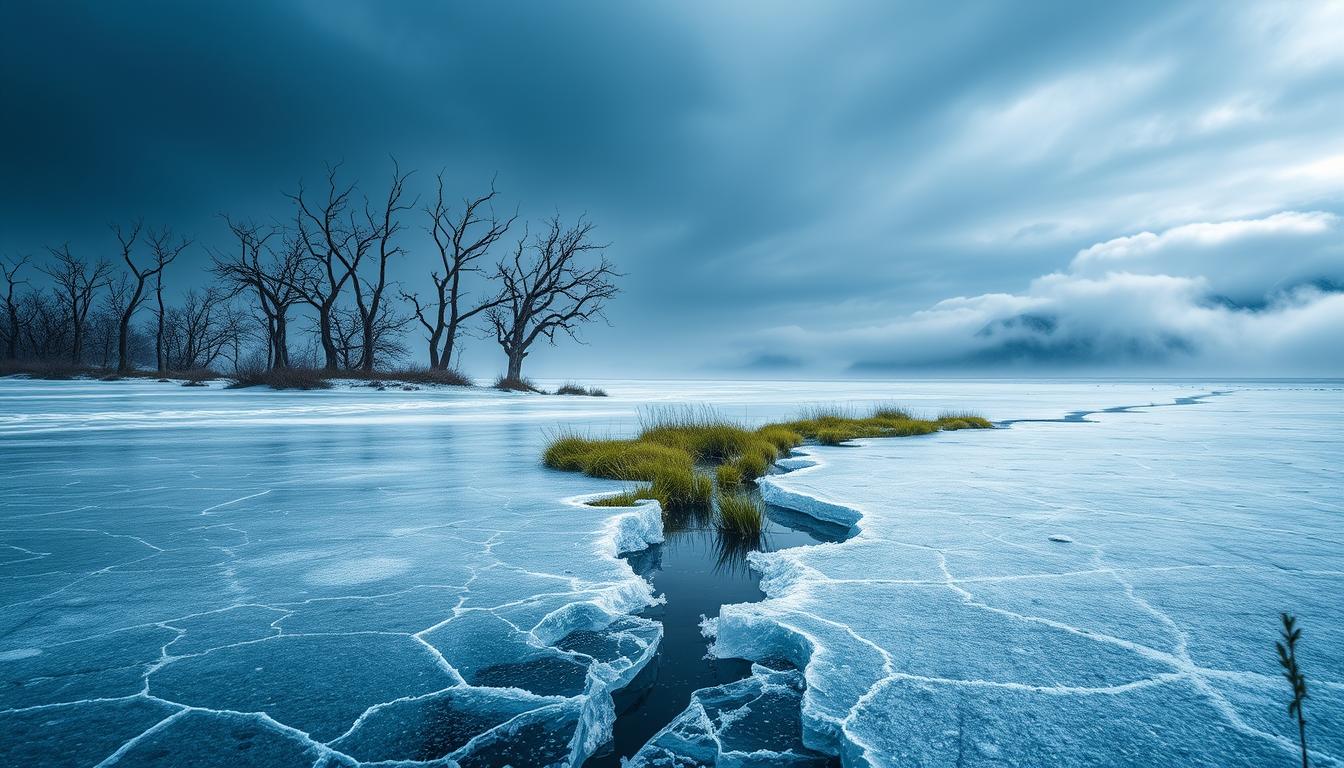
How an ice storm fits into the bigger climate change picture
An ice storm occurs when cold air hovers near the ground and warm, wet air rises above. This mix can quickly turn rain into ice. Recent reports show how fast these storms can spread, from North Texas live updates to warnings across other areas.
This storm is a study in risk, not proof of anything. It shows why we focus on short-term planning for extreme weather. This includes local forecasts, road crews, and utility preparations. These efforts are important, even as we discuss the climate crisis over long periods.
Extreme weather vs. long-term global warming: why cold outbreaks don’t “disprove” warming
Global warming means rising temperatures over the decades. An ice storm is a short-term, extreme weather event that can occur even as the climate warms. Cold outbreaks can move south, depending on weather patterns.
People often feel the cold and doubt warming talk. But climate change reports clearly separate weather variability from long-term trends. This helps everyone understand without confusion.
Scientific consensus and the climate crisis: what researchers generally agree on about warming trends
Scientists use long-term global data to show trends, not to argue during storms. This data includes surface readings, ocean data, satellites, and ice records. It shows the direction of climate change over time.
Researchers and planners also discuss how extreme weather affects systems such as power grids and hospitals. They focus on readiness, such as which components break first and how quickly repairs can be made.
Environmental impact and infrastructure strain: why ice accumulation is a major risk
Ice does more than make roads slippery. It adds weight to trees and lines, increasing the risk of damage. That’s why warnings stress travel dangers and outage risks during cold weather.
Local agencies share tips to reduce harm in cold weather. They talk about protecting pipes, sheltering pets, and trimming limbs. In icy areas, they provide outage reports and preparedness tips, like those in ice storm warnings and response updates.
- Seal drafts with fresh weatherstripping and clear gutters before ice piles up.
- Keep indoor faucets dripping and open cabinet doors to help protect pipes.
- Bring pets inside and cover sensitive plants to limit cold damage.
Global Warming Conclusion
The ice storm moving across America is more than just news. It tests public safety and infrastructure. Roads are slick, flights are delayed, and emergency teams are on the move.
Utility crews are getting ready, airports are changing their plans, and local leaders are warning people to stay indoors. This is because conditions are getting worse.
This storm also keeps the climate debate alive. A cold snap doesn’t change global warming. It’s just a short-term weather event in a bigger climate picture.
The science is clear: long-term warming trends persist, even amid winter’s harsh weather.
Reports from the ground show how people are dealing with the storm. In North Texas, alerts for extreme cold and ice are changing daily plans. State officials are telling drivers to cut down on trips.
UNC-Chapel Hill has banned travel, and Duke Energy has sent crews to handle power outages. This shows how everyone is working together to stay safe.
The ice storm’s effects can last long after it’s gone. Ice can stay and refreeze, making roads dangerous. It’s important to charge devices, have batteries ready, and know where to go if needed.
Protecting pipes is also key. This helps reduce risks as the storm continues to change hour by hour across America.


