Lake Tahoe Hikers Missing in California Avalanche.
Urgent search underway for hikers missing after a California avalanche in the Sierra Nevada region. Stay updated on rescue efforts.
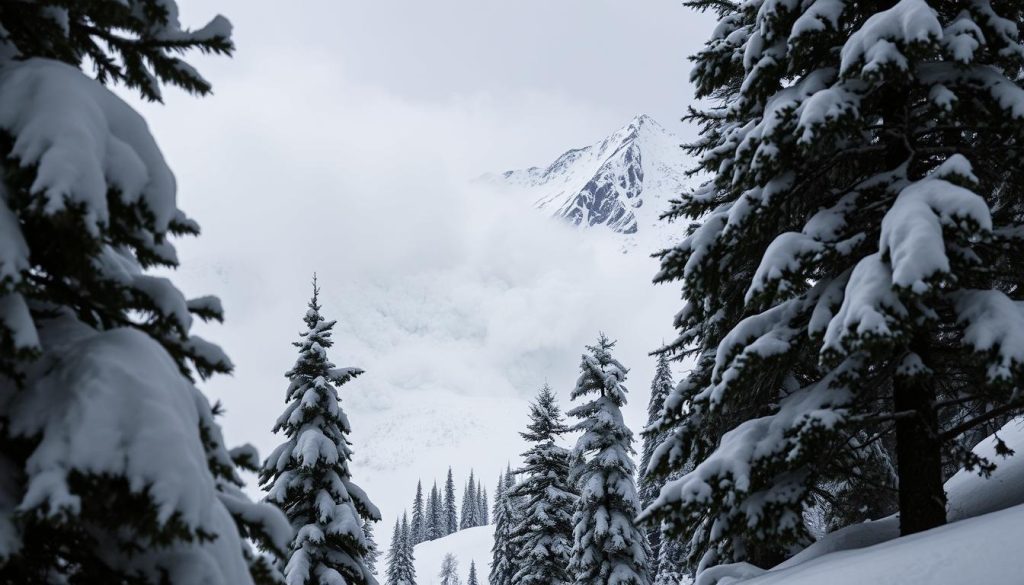
A California avalanche in the Sierra Nevada north of Lake Tahoe has turned a guided backcountry skiing trip into a tragedy. As of Wednesday, eight skiers were found dead. One person is missing and presumed dead, according to Nevada County Sheriff Shannan Moon.
The slide hit near Donner Pass and Castle Peak as a powerful storm cycle loaded the terrain with new snow. In conditions like these, avalanche risk assessment can shift fast. This is even more for groups carrying safety gear and following a plan.
The outing was run by Blackbird Mountain Guides. Most updates have come through the Nevada County Sheriff’s Office. Crews worked through harsh weather and steep ground. More details are available in this LA Times live report.
California Avalanche Key Takeaways
- A California avalanche near Lake Tahoe left eight people confirmed dead and one missing.
- Nevada County Sheriff Shannan Moon said the missing skier is presumed dead as conditions slowed the search.
- The incident occurred near Donner Pass and Castle Peak during a heavy winter storm.
- The group was on a guided backcountry skiing trip with Blackbird Mountain Guides.
- Officials stressed that avalanche risk assessment is critical when storms rapidly load weak layers.
- The Nevada County Sheriff’s Office has been the main source of confirmed updates.
What Happened Near Donner Pass and Castle Peak
On the backcountry side of Donner Pass, a guided ski tour encountered a fast-moving slide near Castle Peak. This area is known for deep snow, wind loading, and sharp terrain changes. These factors make it hard to assess avalanche risk.
Backcountry group details: 15 people returning from a three-day trek
Blackbird Mountain Guides said the party had 15 participants, including 11 clients and 4 guides. They were staying in remote huts below 9,110-foot Castle Peak. They were heading back to the trailhead when conditions changed.
Trips like this often follow avalanche safety tips. These include staying close together in suspect zones and using clear voice cues. But even experienced groups can face sudden instability when weather and snowpack stack up.
Avalanche location and terrain: rugged slopes near Donner Pass, below 9,110-foot Castle Peak
The avalanche hit rugged slopes in the Castle Peak area, not far from Donner Summit. Responders described a scene with steep rollovers and open bowls. These can funnel debris and limit safe escape routes.
For anyone traveling there, avalanche mitigation strategies start before the climb. They choose routes that avoid slide paths. On days with active loading, terrain choice is as important as gear.
Timeline of the slide: swept through Tuesday morning as the group headed back to the trailhead
The slide swept through Tuesday morning as the group moved out from the huts toward the exit route. Nevada County Sheriff Capt. Russell Greene said, “Someone saw the avalanche, yelled avalanche, and it overtook them quickly.”
That kind of rapid onset is why avalanche risk assessment is not a one-time call. It needs to be revisited at each slope when wind and fresh snow are in play.
Search response: emergency crews dispatched around 11:30 a.m. and a six-hour effort to reach survivors
Emergency crews were dispatched around 11:30 a.m. local time. Access proved slow in the storm. It took about six hours for teams to reach and evacuate survivors, as snowfall and avalanche risk kept routes narrow.
Greene said the bodies were located fairly close together. But they were not recovered on Tuesday because conditions were too dangerous. Teams left the mountain late Tuesday and planned to return when it was safe; CBC News later reported additional details.
In incidents like this, avalanche safety tips and mitigation strategies focus on time, exposure, and clear communication. They do not erase risk, but they can shape decisions when a slope starts to feel wrong.
California avalanche Update: Victims, Survivors, and Official Statements
As crews worked the slopes near Donner Summit, the California avalanche became a test of patience and planning. In moments like this, backcountry skiing turns from a day in fresh snow to a hard lesson in avalanche risk assessment.
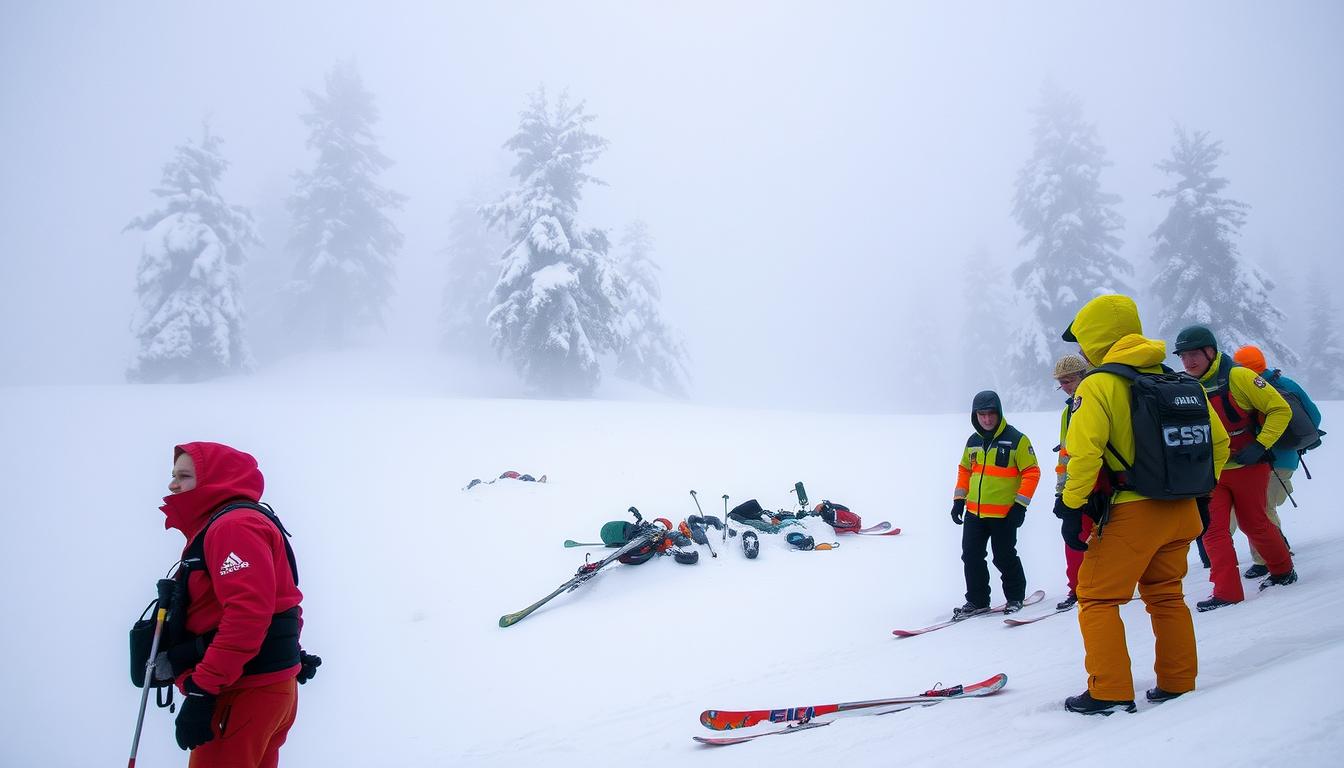
Officials continued to share details while withholding names out of respect for families. Updates posted through the latest reporting matched what local agencies said in briefings.
Confirmed fatalities and missing
Sheriff Shannan Moon said eight skiers were found dead. One person remained missing and was presumed dead as the search area tightened.
Moon also described the group as nine women and six men. She said four men and two women survived, and that all families had been notified.
California Avalanche Rescues and Injuries
The Nevada County Sheriff’s Office said six people were rescued and evacuated with varying injuries. Two were taken to the hospital for treatment, and one remained under care.
Moon said the survivors included one guide and five clients. Capt. Russell Greene said emergency beacons and iPhone SOS helped them reach search crews, while beacons were also used during recoveries.
Authorities’ briefing
During a Wednesday news conference, Moon said the operation had moved from rescue to recovery. Teams approached carefully, as a new slide could follow in the same terrain.
- Snowpack stability remained a key concern, with crews watching wind-loaded features.
- Responders weighed terrain exposure as part of ongoing avalanche risk assessment.
- Search decisions were shaped by visibility, time, and the threat of more movement.
Community impact
Placer County Sheriff Wayne Woo said one victim was the spouse of a member of Tahoe Nordic Search and Rescue. He said the loss was challenging, both operationally and emotionally, for people who often respond to emergencies in their own backyard.
The toll also revived memories of past Sierra tragedies, including the 1982 Alpine Meadows Ski Resort avalanche that killed seven and left one survivor. For many in the region, the message about backcountry skiing remained the same: conditions can change quickly, and every trip requires a clear-headed assessment of avalanche risk.
Storm Conditions, Avalanche Warning, and Sierra Nevada Avalanche Risk
The Sierra Nevada avalanche danger grew quickly. A strong storm moved into Northern California, loading steep areas fast. These changed plans every hour.
Winter storm and snow conditions
Forecasters said up to 30 inches of new snow fell in Northern California. This heavy snow can create unstable layers in the backcountry.
Weather experts also discussed broader patterns. A recent update on La Niña showed how storm tracks can steer cold air. This shapes the risk of rapid loading.
Travel disruptions and winter weather advisories
The storm caused winter weather advisories and tough travel. Interstate 80 was closed near Truckee and Donner Summit on Tuesday. This was due to deep snow and ongoing impacts.
Several Tahoe-area ski resorts also limited operations. Some runs or full days were paused as conditions got worse. Road updates were a clear sign of the high-stress cycle in the mountains.
Avalanche forecast and avalanche warning
The Sierra Avalanche Center issued an avalanche warning early Tuesday. It was for the Central Sierra Nevada and lasted until Thursday. The forecast said natural and human-triggered slides were possible.
In the Castle Peak area, officials were unsure if a group traveled despite the warning. Sheriff Shannan Moon said the incident was under investigation. A Fox Weather timeline showed how quickly conditions changed during the storm.
Hazard messaging
Steve Reynaud warned of a big threat on Wednesday. He said very large avalanches were possible. He also said that HIGH avalanche danger persisted and that travel in avalanche terrain was unsafe.
This message was similar to the warnings before the slide. A Sunday Instagram post from Blackbird Mountain Guides discussed a weak layer. They urged caution and to watch @savycenter. On Wednesday, the company said it was supporting search and rescue in the Castle Peak area and directed questions to the sheriff’s office.
California Avalanche Conclusion
Authorities say the California avalanche near Donner Pass and Castle Peak has left eight dead. One person is missing and presumed dead, and six were rescued. As conditions changed, officials moved from rescue to recovery. They worked carefully in steep, unstable terrain.
The tragedy happened during a powerful storm. The Sierra Avalanche Center issued a HIGH danger level warning. This shows the importance of checking the avalanche forecast before heading out.
Responders also highlighted the need for emergency beacons and knowing how to use them. They stressed the importance of turning around early and spacing out on suspect slopes. Avoiding travel in, near, or below avalanche terrain is also key when the forecast shows likely slides.
The investigation into the avalanche is ongoing. Officials said the timeline will depend on weather and safe access. This information comes from NBC News reporting.