Law Enforcement Now Working with ICE to Expedite Deportations
Discover how Law Enforcement in many cities now working with ICE to expedite Deportations is impacting immigration enforcement and public safety.
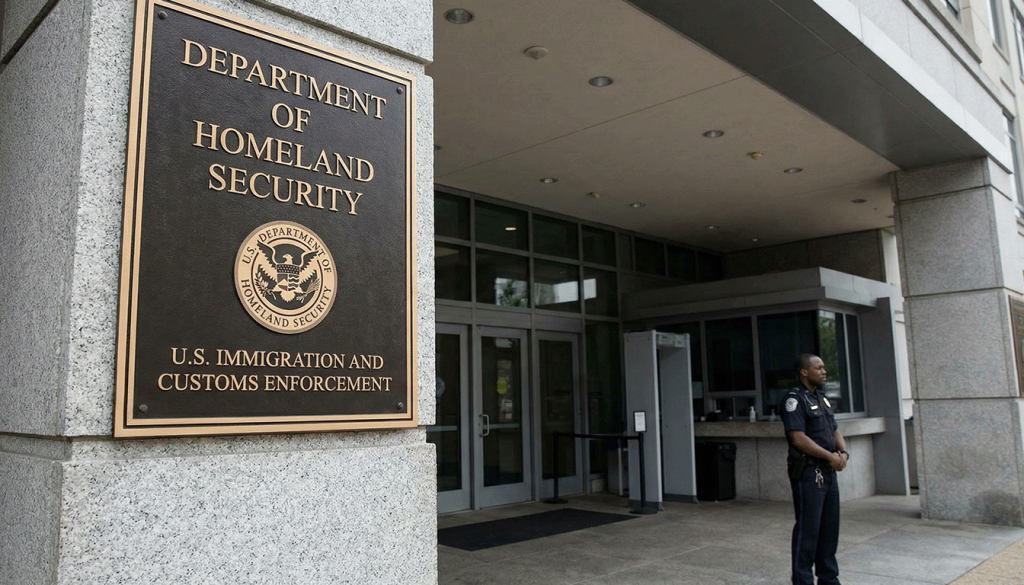
ICE is changing how immigration enforcement works in the United States. This change is happening quickly. New agreements are enabling local law enforcement and federal agencies to work more closely together.
This means how stops, holds, and deportations happen in communities is changing. At the heart of this change is a big increase in collaboration between ICE and local departments during President Donald Trump’s second term.
A review of ICE detention practices has raised safety concerns. This is because arrests are occurring more frequently, and identity checks are becoming more complex.
FWD.US, a nonpartisan policy group, has analyzed records. Their findings show a growing number of agencies working together. Washington is pushing for greater involvement in immigration enforcement at the local and state levels.
This push is matched with national operations aimed at increasing arrests and deportations. Other government agencies are being pulled into these efforts. A report on ICE’s nationwide campaign planning indicates a scope that extends beyond ICE. This raises the stakes for local partners.
Expansion also brings risks. An AP review of ICE misconduct cases found criminal charges against employees and contractors. This adds urgency to debates over oversight as collaboration grows.
This article explores big questions facing the United States. It examines how quickly partnerships are spreading and where immigration enforcement is focused. It also examines the impact on public safety and how communities are responding to more deportations.
Key Takeaways
- ICE is expanding immigration enforcement by formalizing collaboration with local law enforcement.
- FWD.US analyzed ICE data and found a rapid rise in agreements with government agencies.
- National deportation strategies are pushing local participation in more cities and states.
- Broader multi-agency involvement is changing how immigration enforcement operates in the United States.
- Oversight concerns are growing as reports highlight misconduct involving employees and contractors.
- The next sections examine where collaboration is highest and the potential impacts of deportations on communities.
Surge in ICE–law enforcement collaboration across cities and states
In the United States, immigration enforcement is increasingly a local responsibility. This shift is seen in city halls, sheriff’s offices, and state agencies. They are taking on new roles.
This new partnership is also driven by federal pressure for faster results. Yet, some places face protests and court battles over the extent of these partnerships.
ICE agreements up 950% in Trump’s second-term first year
New data from FWD.US shows a 950% increase in agreements in President Donald Trump’s second term. By Jan. 26, 1,168 agencies were involved, up from 135 under President Biden and 150 at the end of Trump’s first term.
This growth is driven by larger federal operations in major cities. These operations are more visible in daily life. Reports on these raids and the politics around them show how capacity expanded in 2025 and early 2026. This includes large urban deployments described in urban raid capacity.
How the “task force” model deputizes local officers for immigration enforcement
The task force model lets local law enforcement work with ICE. They can enforce immigration laws during regular patrols. This includes stops and arrests based on immigration status, as well as handling calls for service.
This model has a long history and has faced controversy. It was discontinued in 2012 due to concerns about racial profiling. It was restarted in early 2025 with new recruitment and incentives.
Inside the federal system, there is a push for better coordination. This aims to make operations faster. Coverage of internal DHS efforts highlights the goals of cross-agency collaboration and the challenges of expediting deportations.
Participation now spans 39 states, with the total number of officers unclear
FWD. The US found that agencies in 39 states are involved. But the total number of officers is unclear. This leaves a gap in understanding the scale of the effort.
ICE says these partnerships support its mission. They rely on working with state, local, and tribal partners. The impact on communities depends on how each agency defines its role, trains its staff, and balances public safety with federal requests.
- Agency participation is growing faster than officer totals can be verified.
- Local law enforcement may take on new duties without shedding old ones.
- The task force model can expedite action but also intensify scrutiny of stops and arrests.
Where participation is highest and how it varies by state and local government agencies
In many cities, government agencies are deciding how to work with ICE. They want to keep their daily work going smoothly. This has led to a mix: some agencies join quickly, while others take their time or choose not to join.
Sheriff’s departments often lead because their work can match federal needs.
The growth of these partnerships is accelerating, even with small weekly changes. For more details, check out this 287(g) expansion breakdown.
Top participation by state
Some states have more agreements than others. Florida leads with 342 agreements. Texas follows with 296. Tennessee, Pennsylvania, and Alabama also have numerous agreements.
- Florida: 342
- Texas: 296
- Tennessee: 63
- Pennsylvania: 58
- Alabama: 52
Even within states, the number of agreements can vary. Some sheriff’s departments have more than one agreement. But nearby agencies might not join.
Local resistance vs. state pressure
Local choices don’t always match state politics. The Dallas Police Department, for example, turned down a proposal tied to ICE. They worried it could distract them from their main work.
In Montgomery County, Maryland, local leaders said they don’t work with ICE. They focus on local issues, not immigration. The county is near Washington, D.C., and leaders say they know their limits.
In Louisiana, near New Orleans, local leaders don’t want to work with ICE. But Governor Jeff Landry wants them to help federal immigration efforts.
Why do some agencies decline agreements?
Agencies that don’t join often cite staffing and time constraints. They need to focus on local safety and victim support. For sheriff’s departments, it’s about what they can handle.
Cities also worry about losing community trust. This can affect safety in small ways. Tensions around ICE have led to protests in some places, as reported in this article. These concerns guide how agencies set their priorities, even with federal pressure.
Law Enforcement in many cities is now working with ICE to expedite Deportations
In the United States, more local police are working with ICE. They say it helps deport people faster. But critics worry it mixes local and federal work too much.
Many have followed immigration enforcement reports to understand this change. It shows a bigger push into the country, not just at the border.

Program incentives: $7,500 in equipment per trained officer, $100,000 for new vehicles, and overtime up to 25% of salary
ICE offers significant incentives for local police to collaborate. They promise support that can help stretch tight budgets.
- $7,500 in equipment per trained officer
- $100,000 for new vehicles
- Overtime pay up to 25% of an officer’s salary
For agencies facing staff shortages, these benefits seem like a quick fix. They help expand immigration enforcement work tied to deportations.
Projected financial impact: agencies could gain $1.4 billion to $2 billion this year, tied to Trump’s One Big Beautiful
FWD.US thinks state and local departments could get $1.4 billion to $2 billion this year. This money is linked to Trump’s One Big Beautiful Bill. They say it would be a huge boost for law enforcement funding.
This funding could influence decisions in city halls and sheriff’s offices. Leaders may feel pressured to expedite deportations while maintaining strong patrols.
Public safety debate and community effects as immigration enforcement expands locally
The debate often centers on what local police should focus on. Some say working with ICE can expedite the removal of criminals. Others worry it could erode trust by making people fear deportation.
Felicity Rose of FWD. The US has noted that increased enforcement could lead to higher quotas and surveillance. In the past, this has scared people away from schools and healthcare, fearing deportation.
Public opinion snapshot as deportations expand and enforcement tactics draw scrutiny
As deportations increase, public views have changed. An NBC News poll showed 60% disapprove of Trump’s immigration actions. Only 40% approve.
Scandals have put a spotlight on federal teams in cities like Minneapolis and Los Angeles. As local police work more with ICE, they may face more questions about immigration and public safety.
Conclusion
ICE has grown its work with local police across the U.S. This growth is huge. FWD.us reports a 950% increase in partnerships during Trump’s second year. As of Jan. 26, 1,168 agencies are working together.
In many cities, this change is affecting how police handle immigration. It’s now part of their daily work and decisions.
This effort covers 39 states. But a big question is how many officers are involved. Knowing this is key to planning and checking on public safety.
The “task force” model can take local police resources away from other important work. City leaders fear it may deter people from reporting crimes. Past studies show the impact often falls on workers, not bosses, as seen in ICED OUT.
Agencies are getting help from the federal government. They’re getting new tools, vehicles, and overtime pay. The One Big Beautiful Bill also provides additional funding to accelerate these efforts.
There’s also military help inside facilities, as reported by US Marines assisting ICE.
Supporters say this helps expedite deportations and improves coordination. Critics, though, fear it could lead to more civil rights issues. They worry it mixes local police work with federal deportations.
With billions of dollars allocated to enforcement, the debate will only grow louder. The American Immigration Council highlights this growing concern.