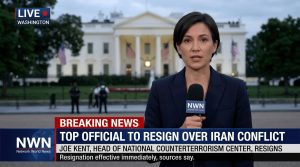
Oil Prices Jump After Iran-U.S. Confrontation.
Get the latest on how the Iran-U.S. tensions are impacting oil prices and the ripple effects on the energy market. Stay ahead with our analysis.
#image_title
Oil prices surged over 10% in Sunday night trading. This was a quick reaction to President Donald Trump’s order for military strikes on Iran. The sudden rise was due to concerns of a bigger conflict and tighter supply.
The first trading session after the weekend was tense. U.S. and Israeli attacks on Saturday reportedly killed Iran’s Supreme Leader, Ayatollah Ali Khamenei. This raised fears of retaliation and disruptions to key shipping lanes.
Early reports showed slowed traffic near the Strait of Hormuz. This is a critical area that affects oil prices globally.
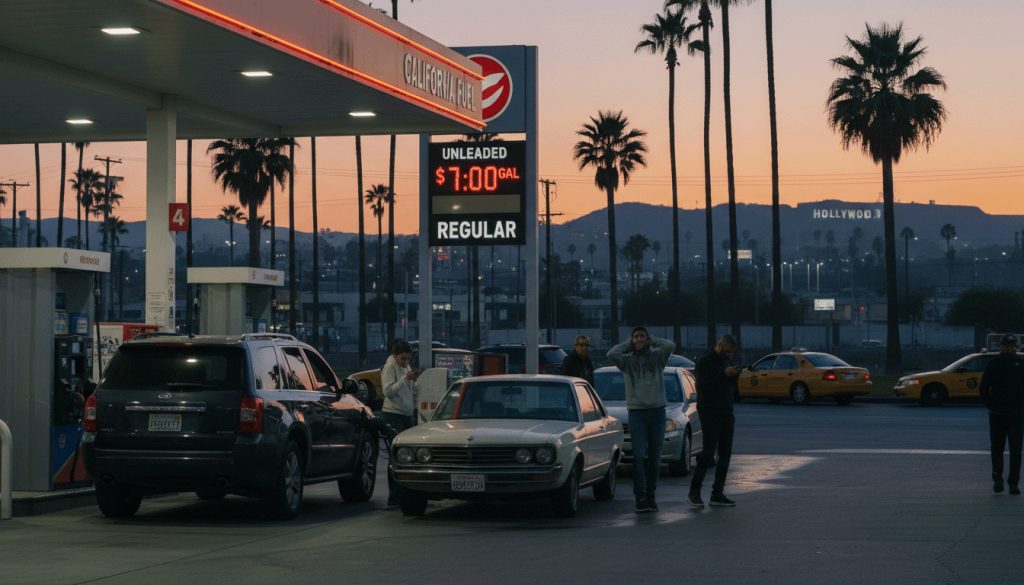
For U.S. drivers, higher oil prices mean more at the pump soon. Analysts and experts said a quick price increase could add to election worries. Leaders face pressure to keep fuel prices stable.
Before the strikes, Trump talked about “American Energy Dominance” in Texas. He said he was focused on people’s lives and the country’s health, not oil prices. Yet the global market saw the risks immediately; Kremlin envoy Kirill Dmitriev predicted $100+ per barrel oil soon.
In Washington, the White House shared a photo of the Situation Room. It included Energy Secretary Chris Wright, a former oil executive. The White House and the Energy Department didn’t comment on limiting the impact on pump prices, as news about crude oil prices kept expectations high.
Overseas trading added to the market’s uncertainty. Brent crude jumped in off-hours deals. Analysts discussed the possibility of $90 to $100 oil if the conflict continues. The Strait of Hormuz’s status is key, as any restriction can quickly change oil trends and tighten supply, as seen in energy market coverage.
Even before this weekend, tensions were rising. Reports of unrest in Tehran and trade threats had kept oil prices high. This was due to the ongoing risk premiums, as reported in political coverage.
Key Takeaways
- Oil prices rose more than 10% in Sunday night trading as the energy market priced in the risk of conflict.
- Crude oil price news turned sharply after Trump’s strikes on Iran and reports of a major leadership loss in Tehran.
- Traders are focused on the Strait of Hormuz because disruptions there can quickly shift global petroleum trends.
- Analysts warned that higher oil prices could be passed along to U.S. gasoline prices in a matter of days.
- Trump promoted “American Energy Dominance” while downplaying price fears, even as volatility increased.
- Foreign officials, including Kirill Dmitriev, publicly floated the idea of $100-plus oil if tensions persist.
Oil Prices surge as Iran-U.S. conflict escalates in the Persian Gulf
Oil prices jumped sharply as traders worried about the Persian Gulf after President Donald Trump’s strikes on Iran and Iran’s quick response. This move affected futures markets because any threat to key shipping lanes can quickly tighten supply. This happens even before global oil demand changes at the pump.
More than 10% jump in Sunday night trading
In early Sunday night trading, oil prices surged by more than 10%. This showed the market was quickly adjusting to the situation. The rally was due to fear of wider disruption, not a slow shift in consumption.
Some Arab partners had warned the Trump administration that targeting Iranian leadership could pull energy into the conflict. They were concerned about tanker safety and the chance that shipping could become a lever. This was because Brent crude and wti crude are key gauges for how fast stress is spreading.
U.S. crude opens near $75 as crude oil price news breaks
When U.S. trading reopened, the main domestic benchmark opened around $75 per barrel. This was the first full session after the strikes and immediate retaliation. The jump came alongside nonstop news on crude oil prices, as investors worried about how long elevated insurance and freight costs might last.
Analysts also pointed to spillovers beyond fuel, as higher transport costs can affect goods prices. This matters because it can dent sentiment around global oil demand. Even if near-term buying stays driven by caution.
Brent crude, WTI crude, and the Strait of Hormuz risk premium
The risk premium built quickly after Iran retaliated by striking oil tankers moving through the Strait of Hormuz. This chokepoint carries more than 20% of the world’s seaborne crude. Trading firms that hire tankers paused some shipments through the area, while other vessels took longer, pricier routes to reduce exposure.
This shipping squeeze explains why Brent and WTI crude oil climbed in tandem. Even as traders waited for clearer signals on duration. For additional market context on how high prices could rise if disruptions persist, recent analyst notes highlighted how sensitive pricing can be to conditions around Hormuz.
The corridor’s geography adds to the fragility: at its narrowest point, it is about 21 miles wide, and the shipping lanes are tight. A separate overview of conflict scenarios described how quickly insurance premiums can jump and how rerouting can add time and cost. This amplifies volatility in oil prices and feeds fresh expectations about global oil demand amid a breakdown in war-impact.
Oil price analysis: what could keep prices elevated and what could cool them
This oil price analysis asks a simple question: Does risk fade fast, or linger in the shipping lanes? Today, headlines can move barrels as quickly as pipelines.

Why analysts say the rally could persist
Analysts and geopolitical advisers see a higher floor for crude if hostilities continue to flare near key transit routes. Tanker strikes, delayed loadings, and cautious insurers can push up freight costs. This often shows up quickly in refined fuel prices.
Landon Derentz of the Atlantic Council believes the next one to eight months could see sharp swings. Markets struggle to price the odds of escalation. This uncertainty can shape an oil price forecast, even when supply looks adequate.
Some traders closely monitor the Strait of Hormuz risk. Its role in global flows and the knock-on impact for inflation is significant. A clear snapshot of those inflation worries is provided by energy-cost spillovers tied to the Middle East crisis.
De-escalation scenario and the “short-lived” spike outlook
Gregory Brew of Eurasia Group believes gasoline was already creeping higher as the odds of conflict rose. Yet, he expects a short-lived bump if tensions ease within weeks. Risk premium can drain out as fast as it arrived.
Past drawdowns matter for sentiment, including the quick price drop after Israel’s war with Iran last June. For households, that kind of pullback can ease pressure well before election season, depending on how petroleum trends develop at the pump.
Outside geopolitics, demand signals can also drive prices either way. Investor optimism about progress in trade talks and steady consumer spending can support fuel use. This is described in recent market coverage that tracks jobs, incomes, and household demand.
Supply backstops: strategic reserves, U.S. production, and OPEC signaling
On the supply side, Derentz points to global crude reserves as a near-term cushion. The U.S. Strategic Petroleum Reserve is also an option. He also said U.S. producers could raise output in six to nine months if high prices keep incentives in place.
David Goldwyn stresses the value of coordinated messaging to calm traders, even before extra barrels arrive. In practice, that includes opec communication and broader alliance signals that replacement supply is being organized.
Markets also take cues from risk assets. When equities rally, it can lift expectations for commodity demand and reinforce bullish petroleum trends. This cross-market dynamic is noted in a recent stock-market update that links oil to broader sentiment and yields.
U.S. political pressure and consumer gas prices
Michelle Brouhard of Kpler has noted that high pump prices can become a fast political constraint. Drivers feel it day to day. This sensitivity can feed back into an oil price forecast as officials push for visible relief measures.
Derentz has also said affordability must be part of the public story, even when leaders focus on security risks. For readers tracking the energy market, the near-term watch list often comes down to:
- Any new disruption risk around Hormuz shipping and insurance coverage
- Signals on opec supply plans and quota flexibility
- Whether demand stays firm as petroleum trends meet changing consumer budgets
Conclusion
Oil prices jumped after the Iran-U.S. standoff, rising more than 10%. This increase wasn’t just about today’s oil. It was more about the fear of what might happen next.
The Strait of Hormuz is key because it carries over 20% of global seaborne crude. This makes it a critical spot in the oil world.
In the early hours, U.S. crude opened near $75 per barrel. The energy market quickly added a conflict premium. News of tanker strikes and paused shipments made traders worry about tighter logistics.
For a better understanding, traders looked at the curve and options signals. These were detailed in oil market crisis mode.
The future of oil prices depends on whether the fighting spreads or calms down. If it gets wider, oil prices might stay high. This could also lead to higher inflation.
But if the fighting eases, the price surge might be short-lived. The IMF has warned that higher crude and shipping costs can affect markets and prices. This was mentioned in recent conflict updates.
In the U.S., how Washington and its allies react to rising fuel costs is important. They could use strategic reserves, production incentives, and market messaging to ease the pressure. This could help during a sensitive political time.
Yet, oil price analysis will continue to follow the headlines, ship tracking, and any changes around the Strait of Hormuz.