Retaliatory Visa Bans Target US Citizens
Explore the latest on Retaliatory Visa Bans Target US Citizens, as diplomatic tensions prompt new travel restrictions and impact international relations.
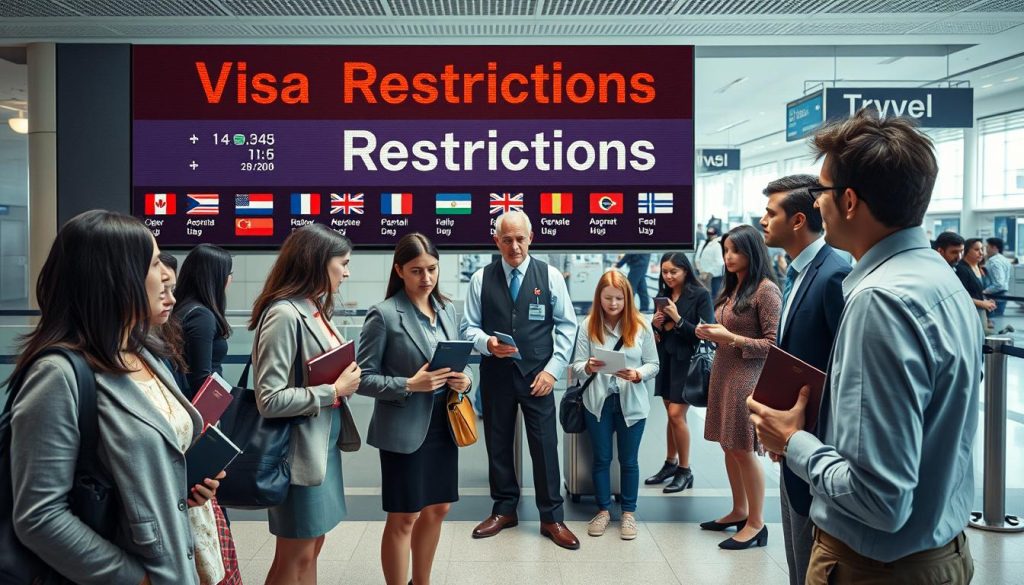
Retaliatory visa bans are now targeting US citizens. This is part of a growing trend of travel restrictions. President Donald Trump’s expanded travel ban to 20 more countries and the Palestinian Authority’s move last December have led to this. For more on how travel rules can change with politics, check out a report on federal travel restrictions.
At least three governments have limited entry for Americans. This has caused sharp diplomatic tensions. It can change a trip plan in an instant.
As of January 2026, 39 countries face either complete U.S. visa bans or tighter rules. This broad reach is leading to visa bans aimed at US citizens. It’s all about strict reciprocity.
For travelers, this means more paperwork, more refusals, and fewer last-minute options. TheStreet first reported on this trend in travel coverage on Jan. 2, 2026. It shows how these moves affect U.S. passport holders.
In several cases, travel restrictions are not just threats; they are active policies. They have start dates and narrow exceptions. A closer look at the retaliatory visa bans shows how quickly diplomatic tensions can affect airport lines and border checkpoints.
Retaliatory Visa Bans Key Takeaways
- Retaliatory visa bans target U.S. citizens in response to the United States expanding its travel ban policy.
- As of January 2026, 39 countries face either complete U.S. visa bans or partial visa restrictions.
- Several governments cite reciprocity as the reason for new travel restrictions on Americans.
- Visa bans can affect tourism, work travel, study plans, and transit routes for U.S. citizens.
- Diplomatic tensions are increasingly reflected in entry rules, not just official statements.
- U.S. travelers may need to prepare for sudden policy shifts, added screening, or denied entry.
Retaliatory Visa Bans Target US Citizens
When the U.S. tightened entry rules, other countries quickly responded. This led to changes in airports and consulates. These actions have put more pressure on international relations.
Travel restrictions can change quickly, affecting many travelers.
What triggered the diplomatic tit-for-tat
President Donald Trump’s expanded travel ban was the spark. It added 20 more countries and the Palestinian Authority to the list. The ban was due to security concerns and high visa overstay rates.
This move was made at a tense time for international cooperation.
Reports on the policy rollout, including details on timing and scope, have been covered. For example, expanded travel ban details have been reported. This led to quick responses from other countries aimed at Americans.
Why reciprocity is driving visa restrictions
Many governments saw their response as fair reciprocity. If their citizens faced stricter U.S. screening, U.S. citizens should face the same. This has led to measures like slower processing or outright denial.
This shows that diplomatic tensions are not just about borders. They are also about using travel restrictions as leverage.
How these visa bans affect U.S. citizens and travel planning
U.S. citizens now face more uncertainty when planning trips. Visa restrictions can lead to sudden changes, delays, or outright bans.
- Itineraries may need to be changed the same week if consular rules shift.
- Business trips can stall when appointments and clearances are delayed.
- Personal travel may be denied at check-in or upon arrival.
Policy changes are not new, but they’re more visible now. This is true when retaliatory measures are announced just before they take effect. Even unrelated political issues can lead to travel restrictions, as seen during government shutdowns covered in government shutdown analysis.
African nations respond with reciprocal visa bans and entry limits
When the U.S. widened visa restrictions, Sahel countries quickly followed. For U.S. citizens, planning trips became more complicated. Visa bans are now seen as a part of foreign policy, not just border rules.
Retaliatory visa bans target U.S. citizens harshly, with no end date for the entry limits. Changes in Niger, Chad, Burkina Faso, and Mali are being closely watched. For more, see why some African countries are banning U.S. citizens.
All four countries are showing they will match the U.S. step for step. The details differ, but the effect is the same: stricter visa rules.
- Some measures stop new visas from being issued at all.
- Others focus on matching U.S. entry conditions, step for step.
- All of them raise the stakes for travelers who rely on predictable consular processing.
Niger announces a sweeping, permanent ban.
Niger’s ban is the strictest. Officials say no visas will be issued to U.S. citizens. Entry for Americans is also banned indefinitely.
This policy is permanent, not temporary. U.S. citizens may need to find alternative travel plans or postpone their trips.
Chad suspends visas for Americans after U.S. ba.n
Chad banned U.S. citizens after being added to the U.S. no-entry list. It will not issue visas to U.S. citizens, except for officials.
The ban has a narrow exception for U.S. officials. For more on the timeline and how visa bans are seen as retaliation, see retaliatory travel and visa bans.
Burkina Faso adopts “equivalent visa measures” amid security concerns
Burkina Faso will apply “equivalent visa measures” to U.S. citizens. This means no new visas for now. Officials say it’s about mutual respect and equality.
Security is a big concern. Travel to Burkina Faso is already limited. The U.S. advises against traveling there due to violence and terrorism. Visa rules can change quickly, with little notice.
Mali applies matching entry conditions for U.S. citizens
Mali’s approach is more about matching conditions. U.S. citizens will face the same rules as Malian citizens entering the U.S.
This mirrors U.S. policy and sends a clear message. For those tracking travel impacts, media and partnership contacts are key for updates.
Broader international relations fallout and reactions from other countries
The latest visa moves are affecting more than just Africa. Some governments are choosing to make public statements instead of taking quick action. This slower approach can raise tensions but keeps the door open for talks.

More nations express disappointment but avoid bans
Many countries have shown they are unhappy with the new travel rules, but haven’t banned travel. The African Union called for “constructive dialogue” and warned about the impact on people and trade, as BBC reported. The UN’s human rights chief also spoke out, focusing on international law and fairness.
This mix of protest and caution shows how fast foreign policy can change. Even without bans, the message affects airlines, schools, and employers that rely on travel.
Antigua and Barbuda pushes back on citizenship-by-investment claims
Antigua and Barbuda focused on its reputation and rules, not border issues. Prime Minister Gaston Browne said the government was deeply disappointed and denied claims about its citizenship rules. The argument is about standards and how countries are judged.
- Officials highlighted tighter screening and compliance steps.
- The pushback aimed to protect investor confidence and mobility access.
Dominica seeks clarification on student and business visa restrictions
Dominica is talking to the U.S. Embassy to understand the visa limits. This matters because travel restrictions affect students, startups, and business visits. It makes planning for the future less predictable.
Why travel restrictions are becoming a standard foreign policy tool
Visa limits are a quick and visible tool in foreign policy. They are easy to announce and enforce, affecting many travelers. Governments often choose these measures over deeper diplomatic tensions.
In the Americas, security concerns also play a role in these decisions. A recent example is the debate over sanctions and military actions, as seen in this report on cartel policy. For U.S. travelers, these policy disputes can lead to new entry rules and visa restrictions.
Retaliatory Visa Bans Conclusion
Retaliatory visa bans target US citizens as border policy fights intensify. After the US expanded travel restrictions, many countries retaliated with their own visa bans. Niger and Chad have imposed permanent and indefinite bans on US travelers.
Burkina Faso and Mali have also matched visa measures, adding extra checks at borders. For more on this escalating dispute, see expanded travel restrictions and reciprocal actions. These moves could harm tourism, which is vital for local businesses.
By January 2026, the US had banned travel to 39 countries. This wider ban increases the likelihood that more countries will impose similar restrictions.
For Americans, the key takeaway is that visa bans can happen with little notice. These bans can lead to extra paperwork, longer waits, or changed travel plans. In a tense world, travel restrictions can also affect business and diplomatic relations.
Retaliatory Visa Bans FAQ
What triggered retaliatory visa bans that target U.S. citizens?
President Donald Trump’s expanded travel ban in December added 20 more countries and the Palestinian Authority. This move led at least three countries to impose visa restrictions on U.S. citizens. Some countries even blocked entry.
How widespread are U.S. travel bans and visa restrictions as of January 2026?
By January 2026, the U.S. had restricted 39 countries. This has raised diplomatic tensions and led to reciprocal responses.
Why are governments citing “reciprocity” when restricting Americans?
Governments say they are acting on reciprocity. They aim to treat American travelers the way their citizens are treated in the United States. This is both a diplomatic message and a pressure tactic.
What do retaliatory measures look like for U.S. passport holders?
Retaliatory measures include visa suspensions and full bans on issuing visas. Americans face sudden travel restrictions, canceled trips, and disrupted business travel.
Which countries have imposed the toughest retaliatory visa bans on Americans?
A: Niger has taken the strongest step, completely banning U.S. citizens from entering. This shows a hardline approach.
What did Chad do in response to U.S. action?
Chad suspended visas for U.S. citizens after being banned from entering the U.S. This mirrors U.S. treatment of Chadian travelers.
What “equivalent visa measures” did Burkina Faso impose on U.S. citizens?
Burkina Faso banned U.S. citizens from entering. It remains committed to mutual respect and reciprocity in international relations.
How does the security situation in Burkina Faso affect travel decisions?
The security situation in Burkina Faso is already a concern. The U.S. State Department Level 4 “Do Not Travel” advisory adds to the risk.
What did Mali change for Americans, and is it a full ban?
Mali said U.S. citizens would face the same conditions as Malian citizens entering the U.S. This is seen as matching entry conditions, not a blanket ban.
How many African countries are now restricting Americans through reciprocity-based policies?
A: Chad, Niger, and possibly others have imposed bans or restrictive measures on Americans. This affects travel plans.
Did every country respond with retaliatory visa bans against U.S. citizens?
No. Some countries chose to express disappointment and engage diplomatically instead of imposing bans.
What was Antigua and Barbuda’s reaction to the U.S. restrictions?
Prime Minister Gaston Browne expressed disappointment. He also disputed President Trump’s claims about citizenship by investment.
What did Dominica do instead of issuing visa bans?
Dominica is talking to the U.S. Embassy about its inclusion in visa restrictions. This highlights the impact on education and business ties.
What reasons did the Trump administration cite for expanding U.S. travel restrictions?
The administration cited high visa overstay rates and security concerns. These reasons are used by other countries to justify their own restrictions.
What practical steps should U.S. citizens take before international travel right now?
Verify entry requirements before and close to travel. Review travel advisories and be prepared for last-minute changes.
What does this wave of visa bans signal about foreign policy and diplomacy?
It shows that travel restrictions are used as a foreign policy tool. They can quickly escalate tensions and affect international relations.
Where was this reporting first published?
The reporting was first published by TheStreet on Jan. 2, 2026.
Could more countries impose retaliatory visa bans targeting U.S. citizens?
Yes. With 39 countries facing U.S. bans, more reciprocity-based responses are likely. This is where governments feel U.S. restrictions are unfair.
Are retaliatory visa bans the same as a travel ban?
No. Retaliatory policies can include visa suspensions or stricter documentation. Travel bans block entry more broadly.
How do these retaliatory visa bans affect business, student, and diplomatic travel?
They can delay contracts and disrupt supply chains. Restrictions on student and business visas reduce exchange and ties, widening tensions.