Executive Order Signed to Reclassify Marijuana Use in the U.S.
Discover the latest development as the U.S. moves to reclassify marijuana, changing the legal landscape for cannabis use and regulations.

Executive Order Signed to Reclassify Marijuana Use in the U.S.
Executive Order to Reclassify Marijuana: President Donald Trump has signed an executive order. It tells federal agencies to move marijuana from Schedule I to Schedule III. This significant change in marijuana classification is based on medical research and strict science-based rules.
Marijuana is now a controlled substance under federal law. But, this doesn’t make it legal to use recreationally everywhere. It changes marijuana policy by requiring the Drug Enforcement Administration to review it more quickly and to seek public input. The White House calls it the most significant change in nearly 50 years.
The order also tells the Department of Health and Human Services to study marijuana’s benefits and risks further. They need to make sure people can get CBD when it’s safe. It also asks Congress to look at a hemp rule that limits products with more than 0.4 milligrams of THC. For more details, check out this PBS report on the order.
Experts think this change could make taxes easier for the marijuana industry, even though federal enforcement tools stay the same. With more people supporting reform, the administration sees this as a smart move. It makes marijuana policy match evidence and public health.
Executive Order to Reclassify Marijuana Key Takeaways
- Executive order directs agencies to Reclassify Marijuana from Schedule I to Schedule III.
- Marijuana remains controlled under federal law; recreational use is not legalized nationwide.
- HHS is tasked with expanding research on the medical benefits and risks of CBD and improving access to CBD.
- Congress is urged to revisit hemp limits that cap products at 0.4 mg total THC.
- A shift may reduce the industry’s tax burden while preserving federal enforcement authority.
- Public support for reform is high, lending momentum to updated cannabis regulations.
What the Executive Order Does for Marijuana Classification and Policy
The order sets a clear path for a federal schedule change while maintaining guardrails. It opens doors for science while also enabling stricter oversight. This balance shapes how agencies handle cannabis reclassification and how people understand marijuana’s legal status under a cautious marijuana policy.
Expediting a federal schedule change from Schedule I to Schedule III
The directive fast-tracks a move from Schedule I to Schedule III, signaling a shift toward evidence and patient needs. By easing research barriers, agencies can test safety, dosing, and interactions. Readers can track the change through this federal schedule change update as the process advances.
- Schedule I: no accepted medical use; limited research access
- Schedule III: recognized medical uses; controlled but research-ready
This step supports cannabis reclassification while preserving scrutiny that fits a modern marijuana policy.
Attorney General Pam Bondi’s directive to accelerate marijuana rescheduling
The order tasks Attorney General Pam Bondi with speeding up rescheduling. Her office coordinates timelines with the DEA and DOJ, reducing lag between review and action. This approach keeps the process transparent and aligned with public health needs, without changing marijuana’s legal status overnight.
“Efficiency matters when rules limit research that can guide doctors and patients,” a senior official noted.
Clear milestones help regulators cut red tape and keep cannabis reclassification on track.
HHS’s role in research and medical value assessment
HHS is charged with deepening review and expanding clinical studies on pain, dosage, and risk. That includes better trial design, data-sharing, and safety monitoring. As research ramps up, the marijuana policy framework can draw on peer-reviewed results.
- Prioritize chronic pain and related conditions.
- Standardize study protocols and registries.
- Report findings to guide prescribing and labeling.
With more substantial evidence, cannabis reclassification gains a medical backbone while keeping marijuana’s legal status clear at the federal level.
How the legal status of marijuana remains controlled under federal law
Even with Schedule III, marijuana remains a controlled substance. Possession and distribution are subject to federal limits unless rules say otherwise. The order does not decriminalize use; it reshapes the path to research and regulated access under a consistent marijuana policy.
Agencies will enforce core controls, and courts will read the statutes as written. Broader changes would require Congress to ensure that cannabis reclassification does not outpace the law’s text or intent. For related policy context across federal programs, see how coverage debates unfold in health policy discussions that often intersect with medical access and cost.
Reclassify Marijuana: Implications for Research, Industry, and Tax Policy
The push to Reclassify Marijuana is changing labs, clinics, and finances. Officials say it’s a science-first move, not legalizing cannabis. They’re setting up new ways of conducting studies and following the rules.
Unlocking medical research and evidence on cannabis benefits and risks
With a move to Schedule III, researchers hope to get better materials and methods. This could speed up tests on pain, sleep, mood, and addiction. It also helps track any harms.
Leaders like Nora Volkow at NIDA want to be careful about youth use. But they also want to grow the evidence base.
Advocates say this change would let federal partners share data and methods. A recent report on the executive action shows new study designs. The goal is to get stronger findings to support better care and reduce risk.
Potential tax relief for cannabis companies under Schedule III
If reclassification occurs, businesses might be able to deduct expenses they can’t deduct now. This could free up money for compliance, hiring, and safer products. It could also change ad budgets, a point critics watch.
While firms welcome relief, there are rules. State-licensed operators need clear accounting and auditing. Any tax change follows federal rules; it doesn’t make cannabis legal or open new retail channels.
Impact on marijuana rescheduling timelines and compliance
Agencies are working through the DEA and HHS steps in sequence. Timelines are fast, but not fixed, so companies and universities are making checklists. They track registration, storage, and reporting duties to avoid gaps as rules evolve.
For multistate operators, aligning with FDA-style research standards could reduce friction. The same goes for hospital systems planning clinical protocols. A steady process means fewer surprises and cleaner audits.
Decriminalize cannabis vs. reclassification: what changes and what doesn’t
Reclassification changes scheduling; it doesn’t mean legalizing cannabis. Federal law on possession and transport stays the same. States keep their own rules for retail and patients.
In short, marijuana rescheduling focuses on science and compliance, not amnesty. Policymakers say efforts to decriminalize cannabis need separate action and debate. For now, the focus is on data, safety, and oversight.
Further reading on policy context can help readers understand how federal benefits debates intersect with regulatory timelines. See evolving coverage of national programs at this political brief.
CBD Access, Hemp Rules, and Congressional Action on Cannabis Regulations
Federal agencies are updating their policies to reflect new scientific findings and patient needs. This effort links changing cannabis rules with a review of marijuana’s legal status. It also looks at the upcoming federal schedule change.
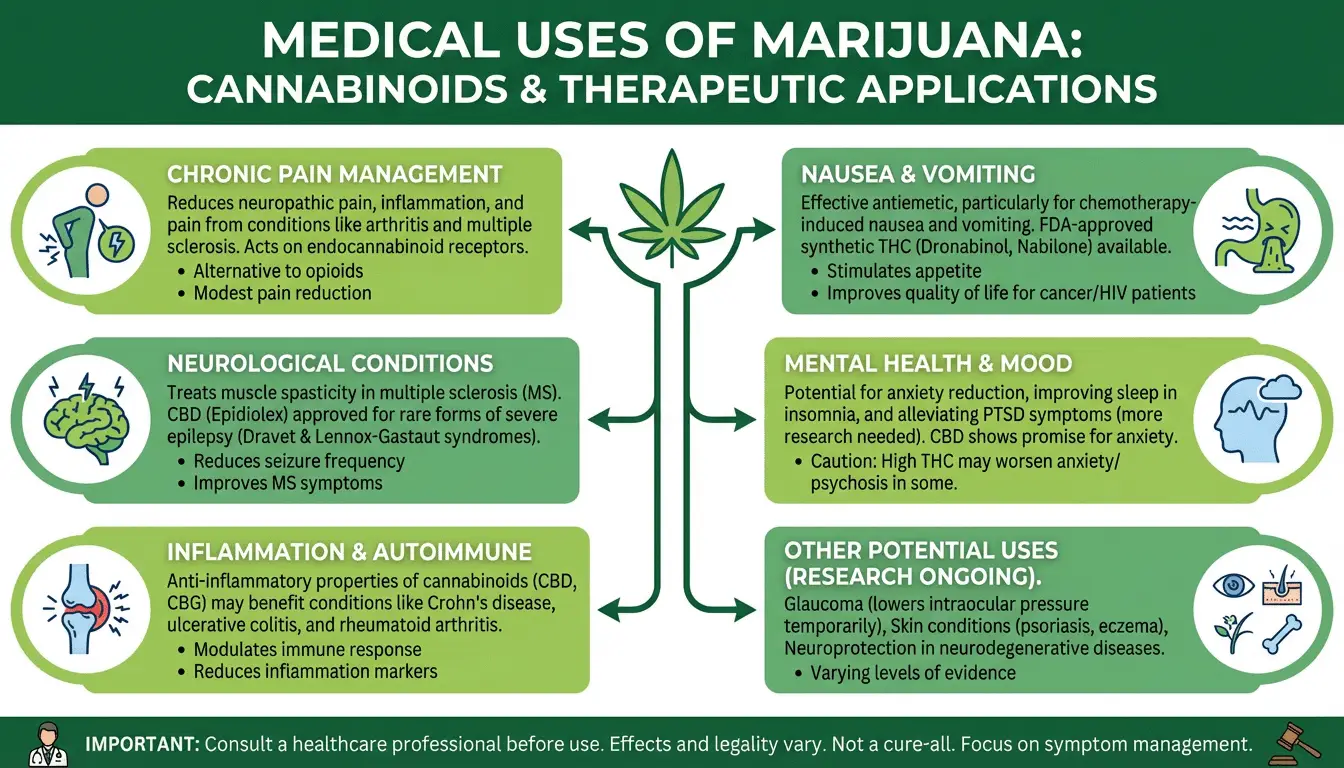
White House directive to improve access to CBD products
The Executive Order asks HHS to gather real-world evidence on safe access to CBD. It aims to set standards for doctors and users. For more information, see the official fact sheet on the federal schedule change.
James Blair’s role in working with Congress on CBD availability
Deputy Chief of Staff James Blair works with lawmakers to make full-spectrum CBD more accessible. He ensures public health is protected while updating policies based on new research. This aligns with the changing legal status of marijuana.
Revisiting the hemp law restricting products over 0.4 mg total THC
Congress has set a 0.4 milligram THC cap for hemp products. The administration wants lawmakers to review this limit. This is to keep non-intoxicating CBD products available, alongside the federal schedule change and marijuana classification debate.
Balancing safety: restricting high-risk products while expanding access
The policy aims to increase access to low-risk CBD while limiting dangerous products. It provides clear guidelines for retailers, doctors, and patients. This balance supports consistent cannabis rules without changing the federal marijuana legal status.
- Evidence first: HHS will refine models that assess benefits and risks in real-world use.
- Access with guardrails: Congress is urged to keep CBD options open while limiting high-THC outliers.
- Coordinated policy: Agencies align on marijuana classification as the federal schedule change advances.
Executive Order to Reclassify Marijuana Conclusion
The executive order to Reclassify Marijuana marks a big change. It moves cannabis to Schedule III, keeping it a controlled substance. This change is based on science and safety, not just hype.
Attorney General Pam Bondi is working fast to make this happen. The Health and Human Services department is also studying cannabis more. This means we’re moving from talk to action, backed by objective evidence.
This change could make it easier for people to get medical marijuana. It also opens up research that was once blocked. Plus, it could lead to tax breaks for those who follow the rules.
For more on this big move, check out this overview of the federal move.
The White House also wants to make CBD easier to get. Congress is also looking to change hemp laws. This could affect how much THC is allowed in products.
James Blair’s work shows a plan to balance things. It aims to keep safety rules while giving more freedom. This is different from making marijuana legal, which is up to Congress and states.
This big change in rules is a big deal. It helps patients, makes things easier for businesses, and clears up confusion. As things move forward, the US is moving towards making decisions based on facts, as explained in this policy analysis.
Executive Order to Reclassify Marijuana FAQ
What does the executive order do to reclassify marijuana under federal law?
The order tells agencies to move marijuana from Schedule I to Schedule III. This change acknowledges its medical use but keeps it controlled. It’s seen as a science-based move, not full legalization or decriminalization.
How does the move from Schedule I to Schedule III affect marijuana policy?
Moving to Schedule III means marijuana is recognized for its medical value and has a lower abuse risk. This opens the door for more research and more straightforward rules. But federal possession laws stay in place, keeping enforcement strong.
Who is responsible for expediting marijuana rescheduling under the order?
Attorney General Pam Bondi is in charge of speeding up marijuana’s rescheduling. She will work with the Department of Justice to streamline and clarify the process.
What role does HHS play in the marijuana reclassification process?
HHS will dive deeper into scientific studies, expanding research on marijuana’s benefits and risks. They aim to provide evidence for better policy and medical use, including more studies and access to research materials.
Does reclassification legalize marijuana at the federal level?
No. Even with the change to Schedule III, marijuana is not legal for most people under federal law. The order is about reclassifying, not legalizing marijuana.
How will reclassifying marijuana impact medical research?
Moving to Schedule III makes it easier for clinical trials and studies. This could lead to stronger evidence on its therapeutic uses and safety.
Could cannabis businesses receive tax benefits under Schedule III?
Yes. Businesses might be able to claim deductions that are currently not allowed for Schedule I substances. This could help with IRS issues and improve the industry’s finances.
What changes for compliance timelines and marijuana rescheduling?
The order asks for a faster timeline, led by the Attorney General. Agencies will guide to help researchers and businesses follow federal rules as policies evolve.
Is this a step toward decriminalizing cannabis?
No. This is about rescheduling marijuana within the Controlled Substances Act, not decriminalization. Federal laws on possession will stay, but research and medical use will grow.
How does the order address access to CBD products?
HHS is tasked with making CBD more accessible through safe and evidence-based ways. They aim to increase availability while protecting against unsafe products.
What is James Blair’s role in CBD policy and cannabis regulations?
Deputy Chief of Staff James Blair will work with Congress to make CBD more accessible. He will ensure public health is protected while supporting legislative efforts.
Why is Congress being asked to revisit the hemp THC limit?
The order asks Congress to review the law limiting hemp-derived products to 0.4 milligrams of THC. The goal is to update rules so full-spectrum CBD can be used safely without causing intoxication.
How does the policy balance expanded access and safety risks?
Agencies will make CBD more accessible while keeping dangerous products out. This approach balances public health with consumer needs.
How does this affect marijuana’s legal status in states with legalization?
State laws on medical or adult use remain in place. But federal law controls interstate commerce and federal property. This change does not make state programs legal under federal law.
Will this change banking or interstate commerce for cannabis?
Not right away. Moving to Schedule III doesn’t allow for interstate sales or solve banking issues. Congress would need to act further to change commerce laws.