Government Shutdown Eminent as Federal Budget Expires
Explore the ripple effects of the partial government shutdown kicking in as the budget deadline passes without agreement.
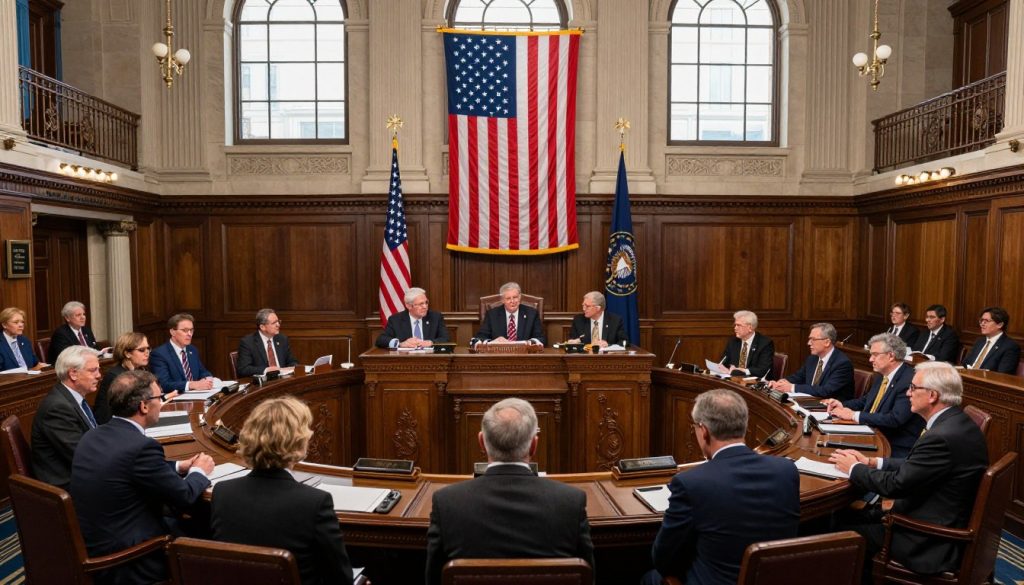
A partial government shutdown started when the budget deadline hit at 12 a.m. Saturday. Congress failed to pass half a dozen spending bills. This led to a lapse in federal funding, forcing agencies to begin shutdown procedures.
Even as leaders talk and trade offers, the shutdown continues.
The shutdown began on the weekend. This means many significant consequences will emerge as the next workweek begins. Agencies will decide which services to continue and which to scale back.
They will also figure out how to notify workers.
Lawmakers have been trying to finish full-year funding through September 2026. They use separate appropriations bills for this. Six are already law, while six remain stuck.
This uneven situation leaves a map of what is and is not affected by the federal funding lapse.
For live updates on the budget deadline and the partial shutdown, coverage has tracked late Senate movement and agency planning.
Government Shutdown Key Takeaways
- A partial shutdown started when the budget deadline passed at 12 a.m. Saturday.
- The federal funding lapse stems from Congress failing to pass several spending bills on time.
- Some consequences may be delayed until the next workweek because the lapse began over a weekend.
- Six appropriations bills are enacted, while six remain unresolved, shaping the scope of the government shutdown.
- Impacts will vary by department, depending on which agencies are affected by the expired funding.
- The situation is fluid as lawmakers work toward longer-term funding through September 2026.
What Triggered the Partial Shutdown After the Budget Deadline
In Washington, politics moved quickly, but time was even quicker. Lawmakers were racing to pass six funding bills. When the deadline passed, the shutdown’s effects began to spread.
Funding expired at 12 a.m. Saturday, after Congress missed the spending-bill deadline
Funding ended at 12 a.m. Saturday because Congress missed the deadline. This failure turned budget talks into a test of action, not just words. The Office of Management and Budget told departments to prepare for a shutdown.
Many large departments were shut down, while others continued operating. This stop-and-go is what people notice first, from delayed services to changing staffing plans.
Senate action late Friday: five-bill package approved and DHS funded for two weeks
After days of talks, the Senate voted late Friday. They approved a five-bill package by a 71–29 vote. A separate stopgap for DHS was also passed. This move gave a narrow path forward but left many questions.
- Five non-DHS bills advanced together as a single bundle.
- DHS was set on a two-week extension at current levels while talks continued.
Why the agreement isn’t final yet: the House must vote when it returns Monday
The Senate’s action didn’t end the standoff because the House must approve the bill. The House will return Monday, leaving a weekend for negotiations. This kept pressure on leaders, even if the shutdown could be short.
Procedure also mattered. Speaker Mike Johnson could face a tough vote count. The bill’s passage may require a two-thirds majority, which could affect negotiations.
Political sticking point: immigration enforcement and demands tied to DHS funding negotiations
The biggest issue was DHS and immigration enforcement. In the House, some Democrats wanted limits on Immigration and Customs Enforcement after a deadly shooting. In the Senate, the debate grew after a deadly shooting by federal agents in Minneapolis.
Chuck Schumer said Democrats wanted reforms tied to DHS funding. These included ending roving patrols and banning masks. Republicans said these demands should go to the White House, not Congress. This back-and-forth kept negotiations going but left the shutdown unresolved.
Past standoffs show how long shutdowns can last. A recap of a prolonged shutdown and the scramble to reopen agencies offers context in this account of the lengthy government.
As deadlines pile up, the daily strain grows. Payroll worries and travel slowdowns become more common when staffing is thin. A closer look at disruptions during an extended lapse is provided in “What Shutdown Week Three Means,” which shows how quickly services can be affected.
Government shutdown
A partial funding lapse might seem distant at first, but it quickly affects work and paychecks. By next week, federal agencies adjust their plans. This can impact travel and the economy.

Which federal agencies are affected by the funding lapse
Many big agencies are hit by the funding pause. This includes the Department of Defense and the Department of State. Also, the Department of Labor and the Department of Health and Human Services are affected.
Some work continues without new money. Immigration enforcement continues due to prior funding. This allows key work to continue.
Which agencies already have funding through September and are not affected
Some agencies are funded until September. This includes the Department of Veterans Affairs and the Department of Agriculture. The Food and Drug Administration and NASA are also covered.
This funding helps soften the economic impact. But it also means some services are uneven. Offices may have different hours or pause projects.
Why shutdowns happen: the Antideficiency Act and the appropriations process
Shutdowns occur because of the Antideficiency Act. It stops spending without Congress’s approval. When deadlines are missed, agencies must stop many activities.
Normally, Congress passes 12 bills by Oct. 1, but packages are often bundled at the last minute. For more on the current shutdown, see this overview of the partial government shutdown.
What happens to federal workers and services: essential work, furloughs, and backpay
When funding stops, agencies sort tasks. Essential workers keep going without pay. Nonessential workers are furloughed.
Air traffic controllers and security staff are essential. They work even during a shutdown. However, fewer staff can lead to delays and tighter schedules.
A long shutdown has happened before. A 43-day shutdown showed the stress it causes. For more on that, see this 43-day shutdown recap.
Government Shutdown Conclusion
The partial government shutdown began when the budget deadline passed at 12 a.m. Saturday. It shows how tough it is for Congress to pass spending bills on time. Despite late-night talks in the Senate, the shutdown moved forward.
The country is now watching closely as the shutdown’s effects grow. Agencies without funding face big challenges. The next steps are a House vote on Monday on a Senate package and a two-week extension for DHS.
If the House votes yes, the package needs the president’s signature to end the shutdown. For a simple guide on shutdowns, check out Brookings’ shutdown overview.
The politics are unpredictable. Republicans hold a slim majority, and some want changes at DHS as part of the deal. Leaders are trying to count votes and decide if Democrats will help keep the budget moving.
The economy could feel the effects soon. Agencies might suspend nonessential work, but essential staff could continue working without pay. This could hurt morale and systems. Past shutdowns show how air travel and other services are affected by staffing issues. The Committee for a Responsible Federal Government explains the costs of broken talks.