Obamacare: New Vote Forced by Republicans at White House
GOP members shake the political landscape, compelling a Congressional vote on the Affordable Care Act as Republicans Disrupt White House, Force Vote on Obamacare.
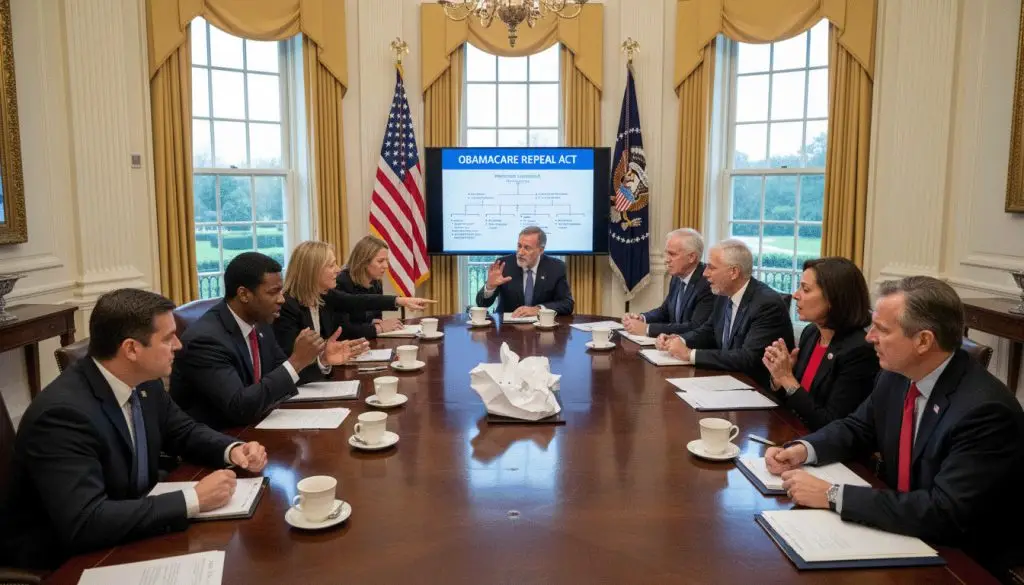
Obamacare Repeal Act
Obamacare Repeal Act: Four House Republicans from Pennsylvania and New York surprised everyone by supporting a Democratic plan. They wanted to extend Obamacare subsidies. This move shows the deep divide in healthcare policy as the year ends.
Their effort led to a House vote, possibly in January. Democrats are fighting to keep tax credits that help millions. Without these, premiums could rise sharply. For more on the battle, see this report on Obamacare.
House leaders proposed a health care package but left out subsidy extensions. Fitzpatrick and Lawler felt their ideas were ignored. They say this shows a failure to address healthcare costs. Their actions highlight the impact on families.
Even if the House votes yes, the Senate’s path is uncertain. A three-year extension failed, but some Republicans supported it. GOP leaders say a clean extension hides deeper issues. The pressure is high as deadlines approach.
For more on the push for a vote, read this exclusive report. This analysis on extending subsidies and the 43-day standoff here provides context.
Obamacare Repeal Act Key Takeaways
- Four Republicans broke with Speaker Mike Johnson to trigger a House vote on ACA subsidies.
- The discharge petition hit 218 signatures, setting up a possible January floor vote.
- Democrats, led by Hakeem Jeffries, aim to extend enhanced tax credits before they expire.
- House GOP leadership advanced a package without an ACA subsidy extension.
- Fitzpatrick and Lawler said leadership blocked a temporary bridge and key amendments.
- Senate prospects are uncertain despite a handful of Republican votes for a three-year extension.
- Rising premiums and coverage stability keep healthcare at the center of American politics.
Breaking Down the GOP Revolt and the Push for an ACA Subsidy Extension
A tense week on Capitol Hill revealed a rift in the GOP. The debate was about the Affordable Care Act and subsidies that help millions. This drama shows how healthcare reform affects American politics.
Swing-district Republicans faced rising premiums at home, while party leaders weighed broader market ideas against near-term costs for families. This clash led to a rare procedural move with big policy stakes.
What triggered the Republican split with Speaker Mike Johnson
Speaker Mike Johnson proposed a narrow solution to keep subsidies alive. He suggested pairing them with income caps and reforms. But, leadership chose a 100-plus-page GOP health package without any subsidy extension.
This decision led to a split among four centrists. They argued that letting subsidies lapse would increase premiums quickly. This would hurt their districts before any long-term healthcare reform could start.
Key players: Brian Fitzpatrick, Robert Bresnahan, Ryan Mackenzie, and Mike Lawler
Brian Fitzpatrick said leadership’s choice forced the outcome. He warned that a full lapse would be worse than a clean three-year fix. Mike Lawler, facing pressure in New York, said there was no other viable path when premiums were set to rise.
In Pennsylvania, Robert Bresnahan and Ryan Mackenzie joined Fitzpatrick. Their stance showed how the Affordable Care Act is a live issue in suburban seats central to American politics.
How the discharge petition reached 218 signatures under Hakeem Jeffries
House Democrats, led by Hakeem Jeffries, organized a discharge petition. It aimed to force a floor vote on a three-year subsidy extension. When Fitzpatrick, Bresnahan, Mackenzie, and Lawler signed, the petition reached 218, the magic number needed to trigger action.
This move could lead to a congressional vote early in the new year. The stakes are high for both parties, with voters watching the impact on their pocketbooks tied to the Affordable Care Act.
Policy stakes: Enhanced pandemic-era subsidies, rising premiums, and Affordable Care Act impacts
The enhanced subsidies have lowered monthly costs for many ACA enrollees. If the credits expire, premiums would jump. The sharpest pain would be felt by middle-income families who do not qualify for Medicaid.
Democrats want a three-year extension, while some Republicans prefer a shorter bridge with tighter income limits. The GOP package expands market options but omits immediate aid. This leaves near-term affordability—and the politics of healthcare reform—at the center of American politics.
Republicans Disrupt White House, Force Vote on Obamacare
In a week of political turmoil, House moderates moved to force a vote on obamacare. Leaders struggled to unify the conference. A rare cross-aisle push set up a key congressional vote on the ACA. Pressure is high as subsidies near expiration, and premiums are set to rise for millions.
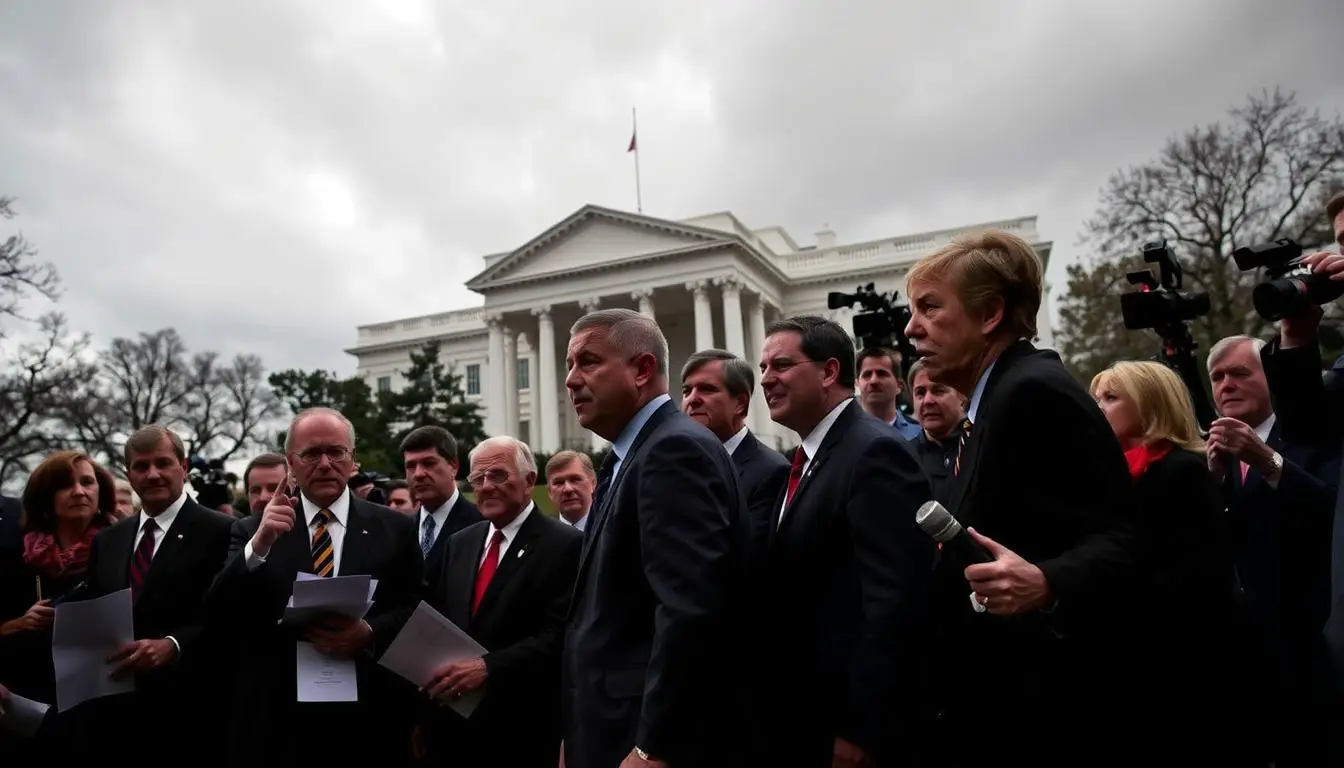
House leadership dynamics: From proposed compromise to blocked amendments
Speaker Mike Johnson proposed a middle path. It paired a short subsidy bridge with reforms like income caps. Then, leadership sided with conservatives and advanced a 100-plus-page package.
This package expanded options for small businesses and the self-employed, but left out any fix for ACA subsidies.
The shift from possible deal to procedural roadblock sharpened divides. As Republicans disrupt White House routines, the fallout underscored how the next congressional vote on ACA aid could shape open enrollment and pocketbook math in real time.
Fitzpatrick and Lawler’s failed bid to add a temporary subsidy extension
Rep. Brian Fitzpatrick and Rep. Mike Lawler pressed to attach a temporary subsidy extension to the GOP package. They filed several amendments and testified at leadership’s request; all were denied.
Fitzpatrick warned that a total lapse would hit families harder than a clean three-year patch. Lawler said a blocked vote left him no choice but to back a discharge petition.
Their move aligned with a bipartisan push in the Senate, where four Republicans recently supported a three-year extension that fell short of the 60-vote threshold, as reported in the ongoing ACA debate.
Messaging wars: “Failure of leadership” vs. “propping up a failed marketplace.”
Moderates branded the blockade a “failure of leadership” that risks higher premiums for families buying coverage on Healthcare.gov and state exchanges. Conservatives countered that new funding would only prop up what they see as a failed ACA marketplace.
“Extending these subsidies hides the real costs of Obamacare,” GOP leaders argue, while Democrats say letting them lapse would hit older buyers and high-cost regions first.
Senate voices like John Thune echoed cost concerns, even as figures such as Susan Collins and Lisa Murkowski backed the extension on affordability grounds. The clash shows how the ACA defines party lines, issue by issue.
SEO context: republicans disrupt the white house, force a vote on obamacare, congressional vote, ACA
The fight now hinges on whether the House adopts a three-year extension before year-end expirations squeeze budgets. A successful discharge petition by Democrats—boosted by four GOP signatures—guarantees a floor vote, according to coverage of the House petition strategy.
It’s a stark snapshot of political turmoil, where Republicans disrupt White House messaging to test loyalty and policy at once.
Even if the House advances the plan, Senate math remains tough, with earlier efforts falling short of 60 votes and no final agreement on expiring tax credits, as tracked in broader ACA subsidy coverage. For now, families are urged to check notices, compare plans, and re-run eligibility.
At the same time, leaders weigh whether the next congressional vote will deliver relief or deepen the standoff noted during the shutdown talks and later in Senate scheduling timetables.
Obamacare Repeal Act Conclusion
The break by centrist Republicans has led to a House vote on a three-year extension of enhanced Affordable Care Act subsidies. This move highlights a deeper rift within the GOP. With 218 signatures from Hakeem Jeffries, the discharge petition aims for a January window.
It aims to prevent premium spikes as current tax credits expire. Speaker Mike Johnson’s decision to exclude an extension and block compromise amendments sparked the move by Brian Fitzpatrick, Robert Bresnahan, Ryan Mackenzie, and Mike Lawler. This shows the stakes for healthcare affordability and the direction of healthcare reform.
Even if the House advances the plan, the Republican-led Senate remains a stern test. A similar three-year extension failed there, though four GOP senators backed the Democratic bill.
Leaders like John Thune argue that new funding hides underlying cost growth in the Affordable Care Act.
This clash—short-term relief versus long-term cost control—defines the fight in American politics. It will shape monthly bills for millions of ACA enrollees.
Voters are watching pocketbook outcomes more than process. Independent surveys show strong support for keeping enhanced credits. Many enrollees say they cannot absorb sharp increases.
Reporting from outlets like The New Republic and industry trackers at Healthcare Dive highlight how lapses could push families off coverage. This could pressure state markets.
The next votes will test whether Congress prioritizes stability in healthcare or pursues a harder edge on cost and coverage.
The path forward will likely run through a broader spending deal and continued cross-party bargaining. Senate signals about reopening the government and scheduling health votes suggest the timeline is tight but open.
This episode leaves a clear marker: the Affordable Care Act remains the center of healthcare reform.
The GOP debate over strategy will shape American politics well beyond this vote.
Obamacare Repeal Act FAQ
What does “Republicans disrupt White House, force vote on Obamacare” actually mean?
It means a group of House GOP members joined Democrats. They forced a vote on keeping the Affordable Care Act subsidies better. This move goes against Speaker Mike Johnson’s control and will likely happen in January.
What triggered the Republican split with Speaker Mike Johnson?
The split started after talks on ACA subsidies. Leadership wanted to extend them, but with some changes. They decided not to include the extension in their health package, leading to a revolt.
Who are the key players in this GOP revolt?
Brian Fitzpatrick, Robert Bresnahan, Ryan Mackenzie, and Mike Lawler, all from Pennsylvania and New York, led the revolt. Minority Leader Hakeem Jeffries organized Democrats. Senate Republican John Thune is against extending the subsidies.
How did the discharge petition reach 218 signatures under Hakeem Jeffries?
Democrats pushed for a three-year extension of ACA tax credits. When Fitzpatrick and others signed, the petition hit 218. This means a House vote is guaranteed in January.
What are the policy stakes for ACA consumers?
Millions of people have seen lower premiums thanks to the subsidies. If they end, premiums could rise. Democrats want to extend them for three years. Republicans wanted a short-term fix but their package didn’t include it.
What does “House leadership dynamics” mean in this context?
It refers to the shift from a possible compromise to a broad GOP health package. The refusal to vote on amendments hardened the rift within the party.
What happened to Fitzpatrick and Lawler’s attempt to add a temporary extension?
They tried to add a bridge to the GOP bill, but leadership rejected it. Fitzpatrick said letting subsidies lapse is worse than a clean extension. Lawler felt forced to sign the petition.
Why do some Republicans call it “propping up a failed marketplace”?
Conservatives say subsidies hide the ACA’s cost growth. Moderates argue that letting subsidies lapse would cause immediate premium hikes, showing a failure in leadership.
What’s next for the House congressional vote on the Affordable Care Act subsidies?
With 218 signatures, the House must vote, likely in January. If passed, it extends subsidies for three years. But final approval is uncertain.
How challenging is the path in the Republican-led Senate?
Difficult. A similar extension failed before. Senate leaders, including John Thune, say it hides the ACA’s cost issues, making it hard to pass.
How will this affect premiums and enrollment on the ACA marketplace?
If extended, many will keep lower premiums and avoid coverage changes. If not, premiums could rise, leading to fewer enrollments and higher costs.
Why did Pennsylvania and New York Republicans break ranks?
They faced pressure from swing districts. They wanted to protect constituents from sudden costs.
What’s in the GOP health package if not ACA subsidies?
It includes expanding insurance options for small businesses and the self-employed. The subsidy extension is the main point of contention.
What do “healthcare reform” and “American politics” factor into this?
The fight is about ACA affordability and the GOP’s vision for healthcare reform. The outcome could influence voter views before the next legislative phase.
What is a discharge petition, and why is it significant here?
It’s a tool that forces a bill to the floor with 218 signatures. Its success here means a House vote on the subsidy extension, despite leadership opposition.
How are Democrats framing the move led by Hakeem Jeffries?
They see it as a way to prevent premium hikes and keep care affordable for millions. They aim to fix affordability while broader debates continue.
Does this mean Obamacare is expanding?
Not structurally. The measure extends tax credits for three years, keeping current affordability levels. Broader reforms are not part of this vote.
How does this episode reflect GOP internal divisions?
It shows a split between conservatives and moderates. The clash over a floor vote highlights the rift.
What should ACA enrollees watch for in the coming weeks?
Watch for the House vote, Senate response, and guidance on premium payments if subsidies lapse. The January vote is critical for 2025 premiums.
Why is the phrase “force vote on Obamacare” trending in coverage?
It highlights the rare use of a discharge petition for a vote on ACA affordability. The unusual move, the GOP revolt, and high stakes for premiums have driven headlines.