Trump Admin Halts Citizenship Requests Amid Immigration Pause
Breaking news: The Trump Administration puts a temporary halt on citizenship requests as part of a wider immigration suspension. Stay updated.

President Donald Trump has stopped citizenship requests and all naturalization. This has left many lawful residents waiting. They have done everything the system asked of them.
For some, the final step was simple. They were to show up, take the oath, and get a citizenship status update. But now, they are told to wait, with no clear end date.
The administration cites a deadly shooting in Washington, D.C., as the reason for this change. Critics say it’s like collective punishment. It’s for people trying to apply for citizenship through legal channels.
Citizenship Requests Key Takeaways
- Naturalization ceremonies were suspended, slowing citizenship requests across the United States.
- Some residents who are ready to apply for citizenship are now stuck waiting for the oath step.
- The policy shift followed a deadly incident in Washington, D.C., cited as a trigger for tighter screening.
- Critics argue the pause punishes people who followed the legal pathway and passed required checks.
- With about 800,000 naturalizations a year, delays can derail a timely citizenship status update for many.
- Applicants from major source countries such as Mexico, India, and the Philippines underscore the scale of the disruption.
What the Trump Administration’s immigration pause means for naturalization
Naturalization adds about 800,000 new Americans each year. Many come from Mexico, India, and the Philippines. When ceremonies stop, it affects families, employers, and communities. They were expecting a routine update on their citizenship status, not a sudden freeze.
More details about the growing backlog and those caught mid-process have come out in this report. Questions are growing about how long citizenship requests will be on hold.
The pause changed the final steps to become a U.S. citizen. Families are most worried about the timing of the oath ceremony, not the interview or test.
Fast-changing rules made strong citizenship documents key. People needed to stay ready with their paperwork, as appointments changed suddenly.
Thanksgiving announcement and the trigger event in Washington, D.C.
After a deadly shooting in Washington, D.C., President Trump linked it to an immigration pause. This announcement left many unsure about the citizenship process.
Community groups and legal clinics advised keeping important documents. Many checked their application status more often, expecting delays or updates.
USCIS suspension of naturalization ceremonies for impacted countries
U.S. Citizenship and Immigration Services then stopped ceremonies for 19 countries. This hit those who had already been approved, waiting only for a date.
Lawmakers said the stop looked unfair, based on where people were from rather than their eligibility. In a letter to DHS and USCIS, Reps. Lizzie Fletcher, Pramila Jayapal, and many Democrats asked for answers and a reversal.
Travel ban expansion from 19 countries to 39 countries in December
In December, the list of countries grew from 19 to 39. This wider list meant more applicants could face delays in their final step.
People were told to keep their documents organized. Keeping addresses and travel history up to date was important. Small errors could delay rescheduling.
How can applicants be approved but unable to take the oath
Some applicants passed the civics test and interviews but couldn’t take the oath. An approval notice didn’t always mean they were fully naturalized.
- They could be told their ceremony was postponed with no new date.
- They might be asked to bring the same citizenship documentation again, even after prior review.
- They could be advised to check the citizenship application status frequently, as updates may appear without a mailed notice.
In practice, the pause turned the end of the citizenship process into a waiting game. People were stuck between “approved” and “sworn in.”
Citizenship requests thrown into limbo for residents on the verge of becoming U.S. citizens
For many permanent residents, the last step to citizenship seems simple. They just need to show up, take the oath, and become Americans. But sudden pauses and cancellations have left many citizenship requests stuck.
As the backlog grows, families are looking for clear updates and timelines. They also seek expedited citizenship processing for urgent needs, such as jobs or travel.
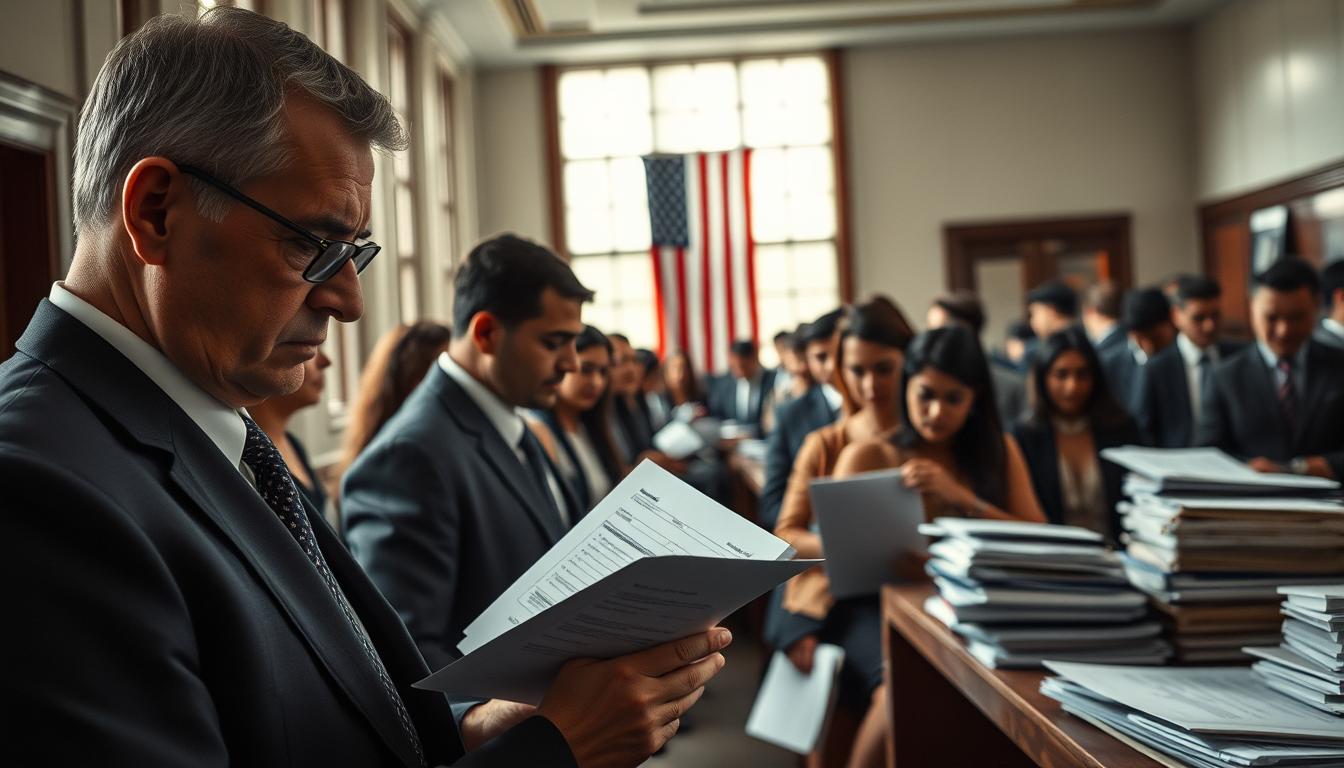
Applicants who already passed the citizenship test but can’t complete the oath ceremony
Some applicants have cleared the civics test and English requirements. They have approval notices but no ceremony date.
This limbo can feel endless. The oath is not just a formality; it’s the final legal step. Many turn to citizenship application assistance to track updates and changes.
Rep. Adriano Espaillat describes confusion, stress, and last-minute uncertainty
Rep. Adriano Espaillat has shared the confusion from those who thought they were done. He warns of the last-minute uncertainty that leaves applicants fearing they will be stopped.
For residents who live, work, and raise children in the U.S., the emotional strain is real. The delay affects basic life plans, not just because of a desire for special treatment.
Sen. Dick Durbin cites constituents pulled from scheduled citizenship ceremonies
Sen. Dick Durbin has said constituents were pulled from scheduled ceremonies. This leaves people unsure what “approved” truly means.
In response, many gather documents again and save every notice. They ask for citizenship application assistance to avoid missing new dates or steps.
Fear spreads beyond the list, with reports of canceled appointments and anxiety about showing up
Fear is not just for those on the list. Residents from other countries have also reported canceled appointments. They worry about showing up at a federal building.
Rep. Pramila Jayapal has noted that people are unsure whether to attend. More details have appeared in coverage of the ceremony suspensions, adding to the uncertainty.
- Applicants double-check mail and online accounts for updates.
- Families postpone travel and adjust work plans amid uncertainty.
- Some request expedited citizenship processing when urgent needs arise.
USCIS vetting rationale, political pushback, and what it signals for the citizenship application process
Families are now stuck waiting, unable to plan celebrations. The pause has also made everyone think twice about citizenship documents. It seems like every detail of the application process is under scrutiny.
DHS statement: “paused all adjudications” for high-risk countries to maximize screening
DHS has put a hold on all cases from certain countries. They want to check everything more carefully. This means applicants who thought they were done may have to wait longer.
Lawyers and HR teams see a bigger trend in enforcement. They think this could affect how decisions are made. The push for faster deportations adds to the pressure, as seen in DHS deportation speed-up reporting.
Critics call it collective punishment and question the logic for long-vetted residents
Critics say the freeze unfairly targets whole groups. Many have lived in the U.S. for years and passed many checks. They believe long, lawful residence should count, even with detailed documents.
They also worry about uneven standards and discretion. A recent talk on expanded screening, including social media checks, shows how online activity can affect naturalization vetting by USCIS and social media signals.
Advocates’ argument: eligibility requirements already screen out serious criminal issues
Advocates, like Shev Dalal-Dheini, say the security logic doesn’t fit the system. They point out that serious crimes already block approval. Many applicants have been checked many times before the oath.
- Disqualifying criminal conduct blocks approval early.
- Applicants pass language and civics tests, submit documents, and pay fees for years.
- Many go through a lawful status, like permanent residency, before applying for citizenship.
Congressional pressure: calls for counts of affected people, re-review steps, and a timeline
Rep. Pramila Jayapal wants USCIS to share numbers and details. She says families plan around deadlines and paperwork. Transparency is key.
Immigration researchers link the pause to a bigger enforcement effort. They talk about how this can change legal paths over time. This is discussed in analysis of enforcement expansion and its impact on citizenship.
Citizenship Requests Conclusion
The halt on naturalization ceremonies has put many citizenship requests on hold. Across the United States, people who passed interviews and tests can’t take the final step: the oath. This pause makes planning difficult for those who have followed all the rules.
The Trump administration says it’s for security and tighter vetting after the Washington, D.C., shooting. But critics, including elected officials and immigration advocates, see it as unfair. They say it unfairly penalizes those who have been thoroughly vetted.
As Congress pushes for answers, the process remains unclear. Many now check their citizenship application status more often, hoping for a new ceremony date. Each update can change plans overnight, keeping stress high for applicants and their communities.
For those planning to apply for citizenship, this moment is a reminder to stay organized and alert. They should save copies of notices, track every appointment, and watch for new instructions. Until ceremonies restart, the path to full citizenship may depend on policy shifts as much as personal readiness.