Iran War: U.S. Missile Strikes in the Hundreds on Iranian Infrastructure
Stay updated on the latest developments in the Iran War, including military conflicts, nuclear negotiations, and U.S. sanctions impacting the Middle East.
U.S. Missile Strikes in the Hundreds on Iranian Infrastructure
For U.S. readers, March 27 marked a significant day in the Iran War. It brought fresh reports and quick responses from officials. The conflict is escalating, raising questions about the sustainability of U.S. strike operations. Will U.S troops be deployed in Iran?
At the heart of this story is the use of precision weapons. There’s also a focus on U.S. stockpiles and production. Officials have shown confidence in Operation Epic Fury, despite growing tensions in the Middle East.
A detailed rundown of the events on March 27 is available. It includes updates on diplomacy and shipping risks. You can find it in Iran War live updates.
The same week also saw nuclear deal negotiations resurface. Iran wants Washington to engage in talks to calm the region. Israel, on the other hand, is focused on nuclear and missile targets. For more on Iran’s request for U.S. mediation, see Iran’s request for U.S. oil.
The Iran War is also influenced by past policy choices and sanctions. The history of the JCPOA is relevant, as the nuclear deal negotiations meet battlefield momentum. For a deeper understanding of the agreement’s timeline and changes under Donald Trump, see the Trump Iran deal explainer.
Iran War Key Takeaways
- March 27 is the key deadline for the latest Iran War reporting and U.S. messaging.
- Operation Epic Fury is the operation name tied to official statements about the campaign.
- Precision-weapon spending is drawing new attention to U.S. stockpiles and production pace.
- Middle East tensions are expanding beyond strikes, including shipping and regional spillover.
- Nuclear deal negotiation is back in play as conflict pressure rises and diplomacy narrows.
- The Iranian military conflict is increasingly linked to broader security and energy risks.
Iran War: U.S. Tomahawk Missile Use and Pentagon Stockpile Concerns
The Iran War is ongoing, with a focus on long-range strikes. In Washington, the focus has shifted to the less visible math of inventories and resupply. This math can shape the next turn in the crisis.
Reuters snapshot from March 27, and what the Washington Post reported
On March 27, Reuters reported on The Washington Post’s story. The Post said the U.S. fired over 850 Tomahawk cruise missiles in four weeks. Reuters noted it couldn’t verify the Post’s account, but it’s significant for markets and allies.
The report came at a tense time. The U.S. has sanctions on Iran, military pressure, and quiet diplomacy. This mix can raise the stakes for U.S. forces in the region. Iran strikes the world’s largest oil refinery in retaliation for U.S. warship strikes.
Over 850 Tomahawk cruise missiles were fired in four weeks of war with Iran
The Post reported the U.S. fired over 850 Tomahawk cruise missiles in four weeks. This suggests sustained strike operations, not just isolated volleys.
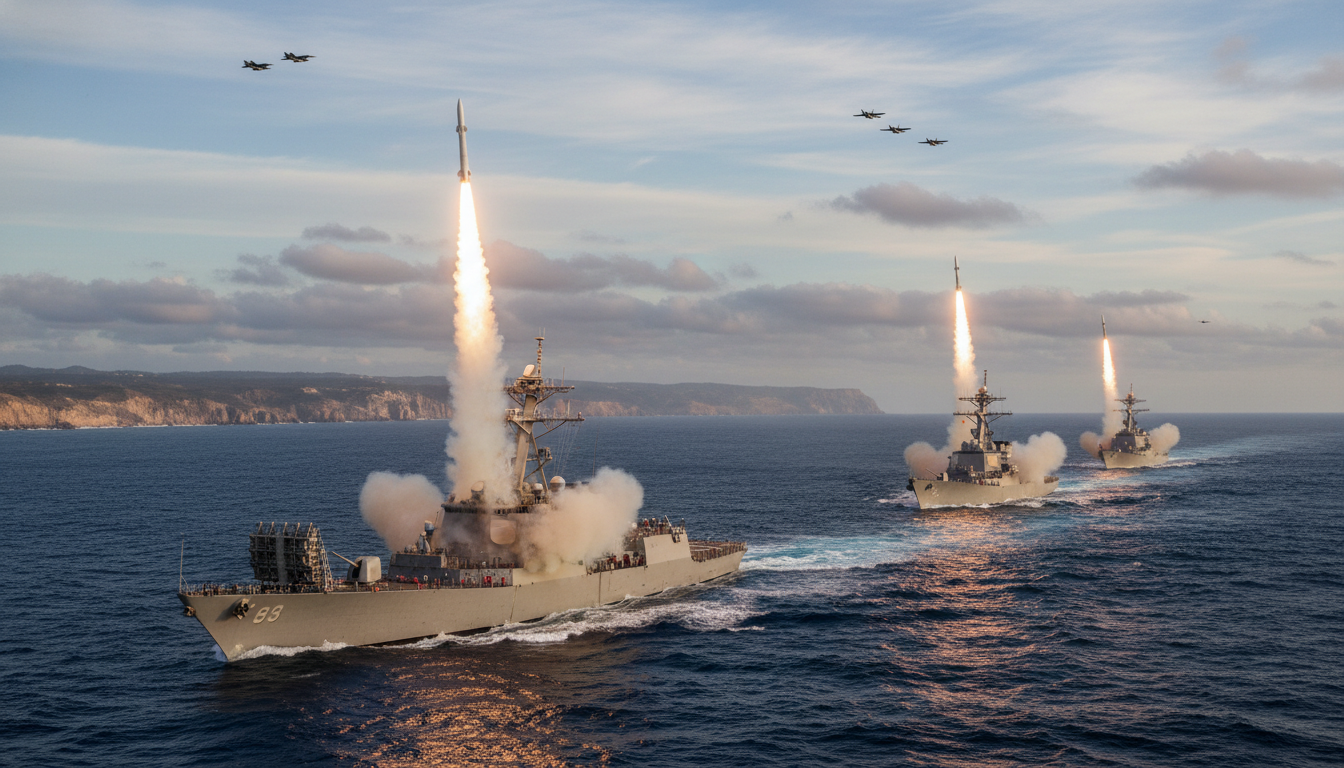
Tomahawks launch from Navy ships and submarines. They are built for stand-off range and precision. This frames how quickly high-end munitions can be used once the tempo rises.
Why the rapid burn rate of precision weapons is alarming some Pentagon officials
Some Pentagon officials are worried about the burn rate of precision weapons. They’re concerned not just about today’s operations but also about covering other contingencies if the crisis widens.
This pressure can affect neighboring countries, such as Iraq. When Baghdad is pulled between competing security demands, U.S. operations can get harder to manage.
Internal discussions on increasing availability and speeding production
Internal discussions have looked at making more Tomahawks available. This includes speeding up production and improving availability. Planning involves lead times, parts supply, and ship loading schedules, not just budget numbers.
These debates sit alongside other leverage points, such as U.S. sanctions on Iran and partner security commitments. Reporting on escalation risk, like the missile strike on Al Udeid Air Base, shows how quickly the Iran War can intersect with wider air defense demands.
Questions have been raised about Tomahawk supply and replenishment. Reporting on Tomahawk stockpile concerns keeps attention on readiness. In the background, Iraq-Iran relations and the Persian Gulf crisis remain key variables, shaping the war’s duration and resource use.
Operation Epic Fury and Official U.S. Responses on Munitions Readiness
The Iran War is moving fast, and U.S. officials are sticking to a key message. They say the U.S. is ready, supplied, and has many options. This message is important as tensions in the Middle East grow and the risk of a wider conflict increases.
The situation is complex. There are many factors to consider, like regional hotspots, shipping lanes, and air defenses. The Revolutionary Guard’s role is also a major concern, as it can affect escalation and deterrence.
White House statement on munitions and stockpiles
White House press secretary Karoline Leavitt told Reuters, “The U.S. military has more than enough munitions, ammo, and weapons stockpiles to achieve the goals of Operation Epic Fury laid out by President Trump — and beyond.”
This statement aims to show that the U.S. has the endurance needed for the Iran War. It suggests the conflict is a long-term effort, not a quick fix.
Leavitt on ramping up American-made weapons through contractors
Leavitt also mentioned that President Trump is focused on strengthening the armed forces. He plans to work with defense contractors to build more American-made weapons faster. She called these weapons the best in the world.
This focus on production and contracts is part of a bigger debate. It’s about how the U.S. can meet its military needs over time. This includes discussions on escalation risk and its management.
Pentagon response to Reuters on having what it needs
The Pentagon, now called the Department of War, said it has everything it needs. This was in response to a Reuters inquiry.
Chief Pentagon spokesman Sean Parnell explained, “The Department of War has everything it needs to execute any mission at the time and place of the President’s choosing and on any timeline.”
How the messaging shapes public understanding amid Gulf risks
The White House and Pentagon are sending a unified message. They say the U.S. is flexible and ready, even as some question the readiness of stockpiles. This message aims to reassure allies, warn enemies, and reduce doubt about the U.S.’s staying power.
This message is important in a region where tensions can escalate quickly. Recent actions against armed threats, like retaliation against ISIS, highlight the need for quick and effective operations.
- They emphasize supply depth and rapid replenishment to support sustained operations.
- They keep deterrence messaging broad as Iranian military conflict dynamics evolve.
- They leave room for shifts tied to Revolutionary Guard involvement, maritime security, and air-defense pressures in the Persian Gulf.
Iran War: Conclusion
The March 27 update on the Iran War has Washington facing a tough choice. Over 850 Tomahawk missiles were used in just four weeks. This has raised serious concerns about the pace at which these weapons are being used up.
Reuters couldn’t confirm the Washington Post’s report right away. This has left the exact situation unclear. But the official word from the White House is clear. They say the U.S. has enough missiles for Operation Epic Fury.
The Pentagon also says they have enough for the President’s plans. This news is important because a long war could strain U.S. sanctions on Iran. These sanctions affect allies, energy, and military plans.
Off the battlefield, Iran’s situation is getting more tense. Protests and crackdowns are getting more attention. This includes reports that Trump canceled meetings with Iranian officials, as seen in Trump cancels Iran meetings amid Tehran riots.
These political shocks could change the mood for talks on a nuclear deal. Leaders might think talks reward violence or weaken their position. So, they might not want to negotiate.
Now, people will watch if efforts to produce and make weapons available start to happen. They will look for signs like new contracts or faster delivery times. They will also assess whether the Iran War escalates into a broader crisis in the Persian Gulf.
In this situation, talks on a nuclear deal and U.S. sanctions on Iran could change fast. Both will play a big role in how long this conflict lasts.