Rescue Efforts Underway for Missing F-15 Pilot in Iran
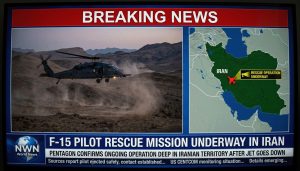
Rescue efforts are underway for the missing F-15 pilot in Iran as the Air Force launches a search operation amid growing concerns over the pilot’s safety.
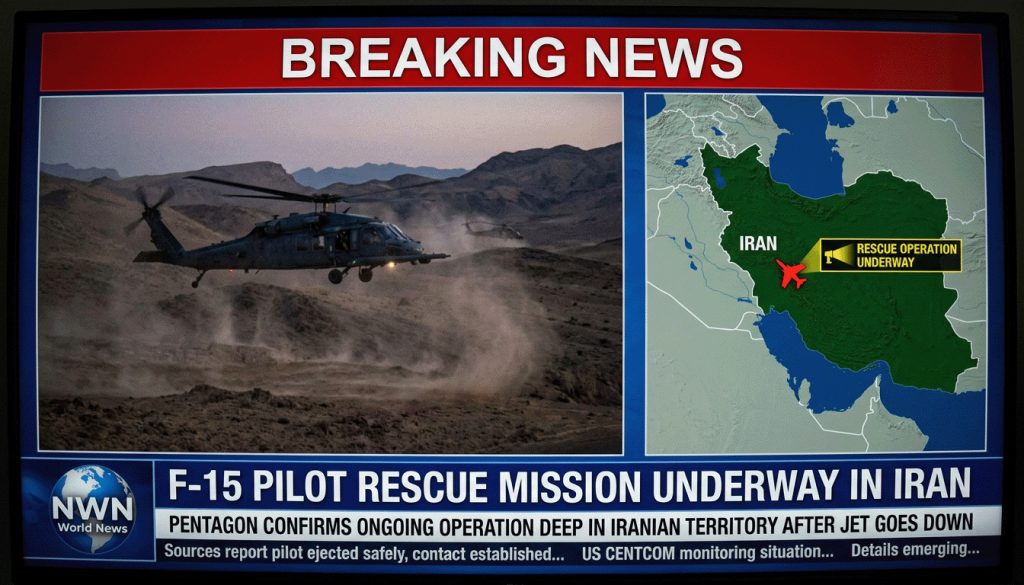
Missing F-15 Pilot: U.S. officials and partners are working to confirm reports of a U.S. F-15 pilot found in Iran. The situation is changing fast, with updates coming in live. This is a developing story. Trump gives ultimatum to Iran: Open Strait of Hormuz or peace within 48 hours.
A confirmed recovery of the missing F-15 pilot would be a big relief. It would show that the U.S. has learned a lot from past combat search-and-rescue missions. These missions can change quickly, depending on weather, terrain, and danger.
Rescue missions in such areas are well-planned. They use special aircraft, secure communications, and teams ready to act fast. This is called combat search and rescue, or CSAR.
As the search continues, we focus on verified facts and safety. We will learn more about the pilot’s status and the recovery effort soon. Sticker Shock at the Pumps: Gas and Oil Prices Skyrocket due to Iran Conflict.
Missing F-15 Pilot Key Takeaways
- Early reports suggest a fighter jet pilot may have been rescued, but confirmation is pending.
- Live updates are expected as officials verify details on the missing F-15 pilot.
- An air force rescue mission over contested terrain can change quickly and carries a high risk.
- Combat search and rescue (CSAR) is designed for speed, coordination, and survival under pressure.
- Specialized units and pre-positioned assets often determine how fast a recovery can happen.
- The next confirmed developments will shape how the broader search effort proceeds.
Latest updates on the aircraft disappearance and pilot search operation in Iran
New details are coming in about the aircraft disappearance. Early accounts have changed several times. U.S. officials and major outlets are treating the situation as fluid.
The pilot search operation is ongoing. Attention is split between immediate recovery and the crash investigation. Both efforts are important and can happen at the same time.
Early reports of a rescued fighter jet pilot
Initial reports said the pilot was rescued after the F-15 was brought down over Iran. These early updates spread quickly. But officials used careful language as they verified the details.
Confirmation can lag behind the first headlines. This delay could deepen the mystery surrounding military aviation. It’s harder when access to the area is limited, and claims rise fast.
Search is ongoing deep inside Iran for a second crew member
According to CBS, the BBC’s U.S. partner, the search is ongoing deep inside Iran for a second crew member. This detail has kept the pilot search operation in high gear. Pressure is building by the hour.
Verified video emerged from Iran. It showed U.S. military helicopters and at least one refueling aircraft over Khuzestan province. This activity suggests a wide effort. It can support recovery, coordination, and medical evacuation if contact is made.
Operational conditions and security risks are driving the mystery in military aviation.
Combat recovery missions are extremely time-sensitive. Enemy forces are likely deployed to locate the same personnel that the rescue teams are trying to recover. This clock shapes every decision, from flight routing to how long aircraft can remain overhead.
Iranian officials urged citizens to find the missing U.S. crew member alive. State media reported rewards for capture. These signals add risk and raise the stakes around the aircraft disappearance and the wider military aviation mystery.
Laurel Rapp of Chatham House told 4’s Radio 4’s Today that capturing the crew member would be a “huge prize” and a “very powerful bargaining chip” for Iran. This backdrop runs alongside the crash investigation. Planners weigh security, diplomacy, and unanswered questions.
missing F-15 Pilot rescue mission: how CSAR works, who conducts it, and why it’s so complex
When a missing F-15 pilot is reported in hostile airspace, the response is quick. Combat Search and Rescue, or CSAR, is ready for these moments. It works under threat, time pressure, and limited information.
CSAR is different from standard search-and-rescue. It focuses on finding and helping isolated personnel while facing danger. Every decision is made with caution, knowing hostile forces might be nearby.
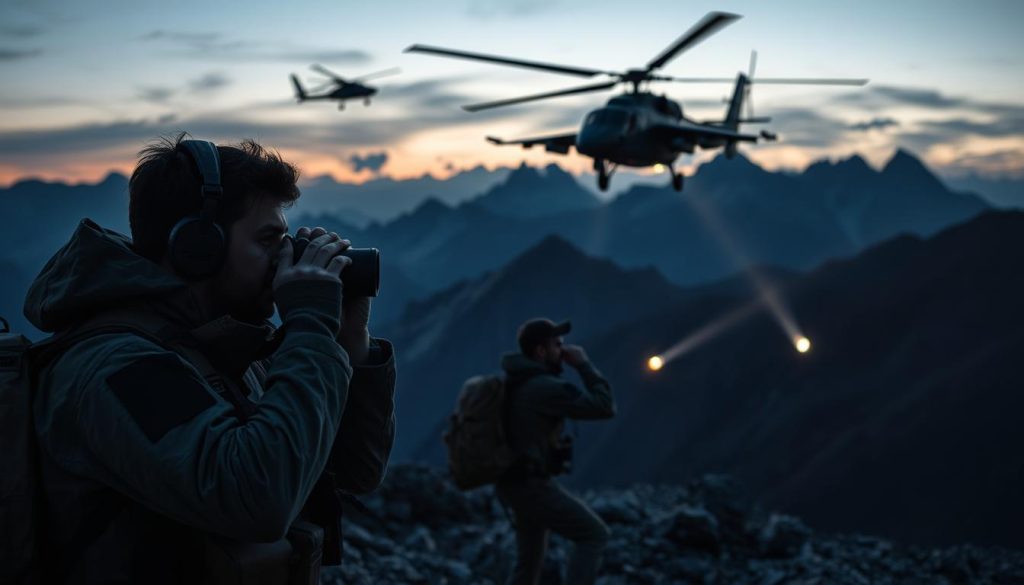
Experts often discuss modern CSAR tactics. This CSAR breakdown shows why teamwork is as important as speed.
What does Combat Search and Rescue (CSAR) mean in a hostile environment
In a contested zone, CSAR aims to locate and safely recover people. Crews fly low, manage electronic threats, and prepare for small-arms fire and missiles.
Even with a signal, verifying identity is a critical step. Locator beacons can be copied or jammed, so checking identity is a detailed process.
How an air force rescue mission is typically executed
An air force rescue mission is a complex operation. Teams manage the air picture, protect the route, and wait for a safe moment to rescue.
The HH-60W Jolly Green II helicopters are key to recovery. They have defensive systems and door guns. The HC-130J Combat King II extends reach with refueling and coordination.
Other aircraft provide cover and suppression. A-10 Thunderbolt II crews act as commanders, and fighters guard the rescue path.
Pararescue Jumpers and Combat Rescue Officers: elite teams behind recovery operations
Pararescue Jumpers, or PJs, find survivors, treat injuries, and manage extraction under fire. They move quickly and provide medical care without slowing down.
Combat Rescue Officers lead the effort. They connect air crews, command nodes, and the recovery team. Their job is to keep the plan clear in changing situations.
On-the-ground search tactics and immediate priorities
Once the area is narrowed down, the priority is identification and secure communication. Downed aviators use survival radios and pre-briefed steps to confirm their identity.
The pilot search operation then focuses on speed and minimizing time exposed on the ground. The goal is to stabilize, extract, and depart quickly. Every extra minute increases the risk to everyone involved.
Missing F-15 Pilot Conclusion
Rescue teams are working hard to find a missing F-15 pilot. CBS says one pilot might have been saved, but the details are unclear. The mystery of the aircraft’s disappearance is growing until more information is shared.
This mission is dangerous because time is of the essence. Combat Search and Rescue missions happen in risky areas. Every minute increases the chance of harm or capture.
Laurel Rapp of Chatham House warns that Iran might use a captured crew as leverage. This adds to the political pressure on the search efforts.
Weather, terrain, and hostile forces can complicate the recovery effort. Teams must coordinate aircraft, sensors, and medical care. They need to act fast when there are few clues.
If confirmed, this case will add to the U.S. history of CSAR under tough conditions. It shows the importance of elite teams, coordination, and quick action. The search for the missing F-15 pilot is a test of speed, discipline, and resolve in Iran.