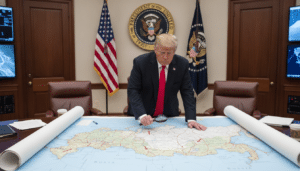
Supreme Court Work-Around for Tariffs with New Laws.
Explore the latest Supreme Court strategies for navigating tariffs through new legislation. Stay informed on changes affecting US trade and commerce.
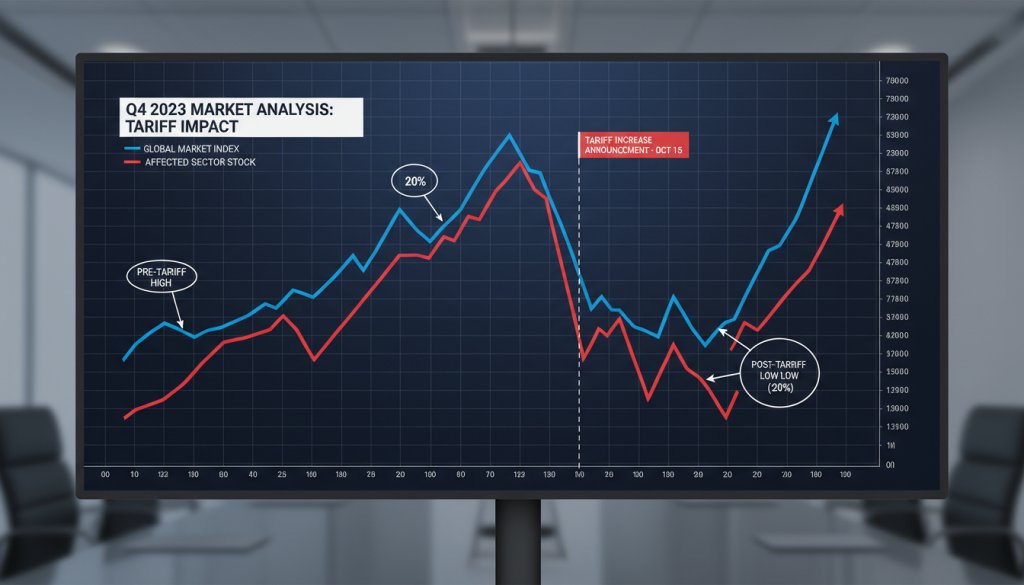
The Trump administration started a new trade investigation on Wednesday. It’s about how foreign manufacturing affects U.S. industry. This move comes after the Supreme Court rejected tariffs tied to an “economic emergency” claim, as detailed in the Supreme Court tariffs ruling.
The White House is now planning to use different laws to rebuild import taxes. They aim to replace hundreds of billions of dollars in lost collections. This is to reshape international trade fees into new, stronger tools.
For the United States, the stakes are high. Trying to restore tariffs could lead to market swings and political friction. This could harm global supply chains, as analysts have warned in recent reporting on tariff costs.
The timing is also politically charged. With a war in Iran and midterm campaigns underway, Democrats are questioning Trump-aligned Republicans. They want to know if importers and consumers should get tariff refunds after the Court’s decision, an issue raised again in coverage of the legal fight.
New Tariffs Taxes Key Takeaways
- New federal trade investigations are being used to rebuild tariffs under different laws.
- The Supreme Court ruling narrowed the tools a president can use to impose broad import taxes.
- The administration wants to recover large sums by reshaping international trade fees.
- A tariff reset could raise prices in import-heavy categories and pressure supply chains.
- Refund demands are becoming a campaign issue heading into the midterms.
- U.S. trade relationships may face fresh strain if new tariffs return at scale.
Supreme Court Ruling Resets the Tariff Playbook
The Supreme Court made a big change in February 2026. They ended a broad tariff approach based on an economic-emergency theory. This change is important because it prevents open-ended tariff rates that could change or be extended without warning.
For importers, it also brings back old questions. They now wonder how customs duties were assessed and who paid them.
The administration is making a change, not stepping back. They are seeking legal ways to support trade protectionism and maintain tariff revenue. The new options are shown in the administration’s tariff playbook.
“The policy remains the same,” U.S. Trade Representative Jamieson Greer said. He added that “the tools may change” due to court decisions and other factors. The goal is to protect American jobs.
The ruling adds uncertainty for trade partners. It makes them wonder how new measures will fit with current talks and past agreements. Tariff rates from the old structure may now be challenged, causing issues with pricing, contracts, and supply terms.
As new investigations start, companies are watching. They want to see how customs duties will be recalculated without breaking deals.
- More targeted actions could replace one-size-fits-all tariffs, reshaping tariff rates by product or country.
- Shorter timelines and stricter procedures may limit surprise moves, even when trade protectionism remains the same.
- Disagreements may grow over where customs duties are landed in the supply chain, especially when costs are passed through.
New Tariffs Taxes
Tariffs are getting more attention as policymakers try to handle changing supply chains and trade barriers. A tariff is like an import tax that can make foreign goods more expensive. It can be a fixed rate or a percentage of the value of the goods. For a quick start, many people look at tariff basics.
In the U.S., tariffs work alongside other tools, such as anti-dumping duties. These duties target goods considered unfairly priced. Together, they can change how companies source goods, make contracts, and affect what customers pay at the store.
New legal path: Section 301 of the Trade Act of 1974
The administration is exploring Section 301 of the Trade Act of 1974. This path can lead to new import taxes after an investigation. U.S. Trade Representative Jamieson Greer says the process will happen before any deadline is set. This keeps companies on alert for new trade barriers.
Officials also think Section 301 could be used to address forced labor. This could broaden how the statute is used. Other areas being considered include digital service taxes, drug pricing, and ocean pollution. These areas might not be subject to anti-dumping duties.
Administration messaging and policy goals
The effort is seen as protecting workers, ensuring supply security, and gaining leverage in talks. This messaging is important because tariffs can be seen as a targeted solution. But critics say they act like a broad tax, affecting prices.
Leaders are also trying to show they are careful with timing and information. Recent market volatility has made it clear how tariff news can impact stocks. Questions about possible insider-trading concerns show why clear signals are important to investors and the public.
What the investigation will examine
The investigation will look at how certain practices affect U.S. commerce. It will examine pricing, subsidies, data rules, and compliance systems. It may also look at how trade barriers affect different sectors, including where tariffs and anti-dumping duties overlap.
- Whether pricing and cost structures point to unfair trade practices
- How supply-chain dependencies affect resilience for key goods
- What enforcement would be required at ports, in audits, and in reporting
Countries and economies named in the probe
The scope of the probe might be wide, focusing on major trading partners and key sectors. The list of countries and economies will likely include specific products. This is because trade barriers and anti-dumping duties are applied where the evidence is strongest and the impact is clear.
For importers, planning will depend more on the details than on headlines. They need to understand origin rules, component tracing, and how tariffs can change based on the investigation.
How New Trade Investigations Could Reshape Import Taxes and Trade Barriers
New trade investigations are moving fast, and importers are watching every signal. Changes in tariff rates can quickly affect pricing, sourcing, and delivery plans. This can lead to unexpected customs duties and fees across a supply chain.
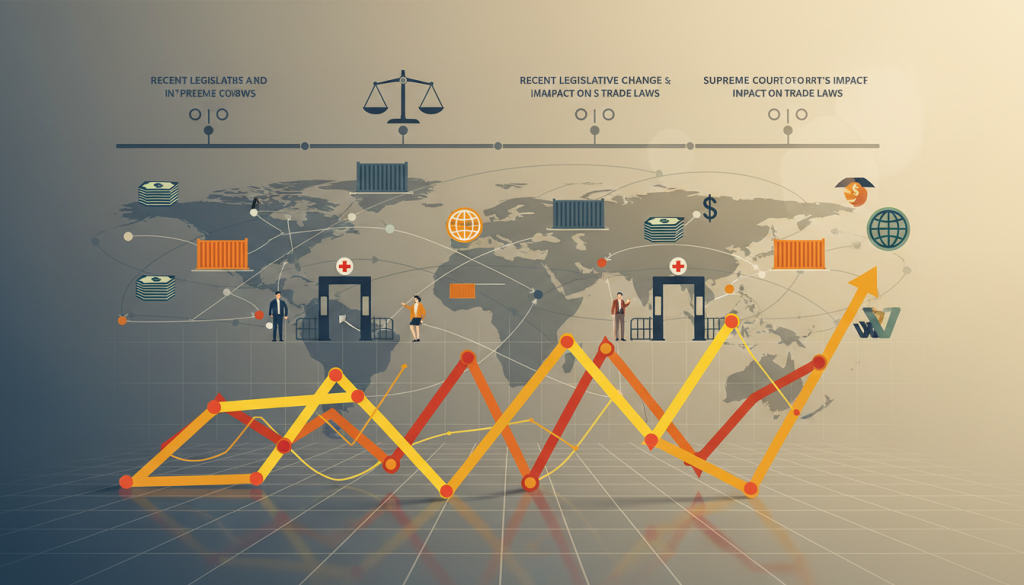
Timeline pressure: expiring Section 122 tariffs
The administration is working under a clear clock. A 10% duty on many foreign-made goods under Section 122 of the 1974 Trade Act is set to expire after 150 days, landing on July 24. This deadline is shaping what comes next, including how quickly agencies can move from research to action.
Trump has said he planned to raise that import tax to 15%, but it had not happened at the time of the report. USTR Jamieson Greer said the team is “keying off” the deadline while bringing “potential options” to Trump as soon as possible. For businesses, this creates uncertainty about near-term tariff rates and the related customs duties that may apply at entry.
Relationship to last year’s trade frameworks and baseline tariff rates
Companies are also weighing how new probes might stack on top of existing rules. Even when a headline tariff changes, the baseline tariff rates on the tariff schedule matter, too. This is where planning gets tricky: a finished good may be subject to one rate, while key inputs trigger different customs duties and international trade fees.
Trade tensions abroad are adding pressure, too. In North America, new vehicle and metals tariffs, along with Canada’s response, have raised concerns about costs and job impacts, as described in trade tension updates. These moves can influence how quickly firms shift suppliers and how they forecast tariff rates quarter to quarter.
Parallel actions and other legal tools
Investigations do not happen in isolation. Courts, agencies, and market reactions can all change the path, sometimes simultaneously. Importers are tracking how legal disputes could affect refund rights and timing, including how the Court of International Trade is handling IEEPA-related cases, as outlined in customs guidance.
Markets are reacting as well, with tariff rate changes affecting electronics, autos, and consumer goods. Recent swings tied to China-linked tariffs have been closely watched, including reactions in major indexes and among affected brands, as covered in market coverage. For many importers, the practical concern is simple: how to manage customs duties and international trade fees while policy tools shift in parallel.
New Tariffs Taxes Conclusion
The Supreme Court ruling ended a tariff system based on an economic emergency. But it didn’t stop the debate over tariffs. Now, the administration is using Section 301 investigations to increase import taxes and protect trade.
This change is important because it can lead to new duties and limits on imports. It does this without the old legal trigger.
Officials say this move is to protect American jobs. This message is resonating in a challenging political time. The government also needs to find new ways to make up for lost revenue.
Tariff refunds are becoming a big issue in the midterm elections. Research on the economic effects of tariffs shows timing is critical. Demand slows down first, followed by inflation later, making policy choices harder.
Keep an eye on what the investigations uncover. They will reveal information on industrial capacity, subsidies, and trade balances. This will help the White House set new tariff rates and change import taxes for major trading partners.
The July 24 expiration of Section 122 tariffs adds to the urgency. It could force quicker decisions on trade protectionism.
The U.S.-India dispute shows how quickly tensions can rise. New duties are linked to energy and security claims. This could lead to higher prices for clothes and medicines.
Coverage of the tariffs on India highlights the risk of strained talks. Both sides are considering new deals. For businesses, the next few months will decide if tariffs become a targeted tool or a broader reset of import taxes.