Trump Calls on NATO to Secure Strait of Hormuz.
President Trump urges NATO involvement to enhance security in the strategic Strait of Hormuz amid escalating geopolitical tensions.

President Donald Trump is urging NATO allies to protect the Hormuz Strait. This is because the Iran conflict has severely disrupted the route. In his remarks, Trump emphasized that countries relying on this route should take more responsibility for their security.
The situation is tense, with tanker traffic slowed and risks increasing by the hour. Trump believes the U.S. should not always bear the burden of securing this critical energy route. He thinks other countries, which rely heavily on it, should contribute more.
Markets are feeling the impact. Oil prices have surged above $100 a barrel, with the Hormuz Strait at the heart of these concerns. Diplomats are also actively involved, as seen in NPR’s coverage of the Hormuz. They are working to ensure safe passage and ease the pressure on shipping lanes.
Key Takeaways
- Trump wants NATO partners to help secure the Hormuz Strait amid growing disruptions.
- Hormuz’s significance is rising fast because the route is critical to global energy supply.
- The Iran conflict has pushed maritime security from a policy debate to an urgent task.
- Trump argues the burden should shift toward countries that depend most on Hormuz.
- Oil prices above $100 a barrel are amplifying pressure to reopen the Hormuz Strait.
- Diplomatic talks are underway as allies weigh options to restore confidence in shipping.
Trump “Demands” Allied Support as the Strait Remains Effectively Closed
President Donald Trump has urged allies to help with maritime security. This move is causing concern in markets. Insurers, shipowners, and energy buyers are closely watching the situation.
For more context on the diplomatic push, DW’s live coverage reports that European officials are discussing naval options. They are also debating their roles.
What Trump said on Air Force One about countries protecting their “own territory.”
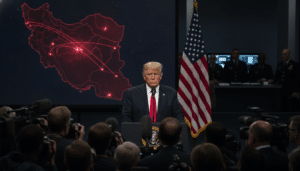
On Sunday, Trump spoke from Air Force One. He said other countries should protect their own territory. He didn’t name specific countries but emphasized the importance of the strait.
He explained that the Strait is key to getting energy. He believes countries that benefit from these shipping lanes should help keep them open. This is important during the Hormuz conflict.
Why the Strait matters to energy importers, including China
Trump mentioned China as a major buyer of crude oil. He wondered why the U.S. should protect the Hormuz Strait. He said it’s mainly for China and other countries.
For countries that import a lot of oil, the Hormuz Strait is vital. It affects their refineries, freight rates, and inflation. These issues can impact consumers far from the Gulf.
What does “effectively closed to oil tankers” mean for shipping activity and risk
When the strait is “effectively closed,” it doesn’t mean it’s empty. It means the risk is so high that many ships pause or reroute. Some ships might try to pass through, though.
- Bloomberg reported on two LPG ships going through Hormuz to India. This shows some are willing to take risks.
- It also mentioned a second Dynacom oil tanker passing through. Other owners are choosing not to, showing different levels of risk tolerance.
The Hormuz conflict can reduce traffic and extend delivery times. It also increases the need for reliable escorts and deterrence. Even when oil moves, the risks are high.
Hormuz
In U.S. briefings and market chatter, “Hormuz” is more than a headline. It is a tight stretch of water that sits between major producers and the open sea. A Hormuz map helps readers see why a few miles can shape the flow of cargo worldwide.
Hormuz significance for global energy flows, with roughly a fifth of global oil moving through in normal times
In normal conditions, about a fifth of global oil moves through the strait, along with many other shipments. Tankers depend on narrow traffic lanes, timed transits, and stable rules at sea. The Strait of Hormuz overview lays out the basics, including the chokepoint’s size and how shipping is organized.
That makes nearby infrastructure matter day-to-day. When schedules slip, terminals back up and vessel queues grow. Even the mention of delays near Hormuz port can change how traders price risk.
Hormuz oil and pricing pressure as crude tops $100 a barrel
With crude above $100 a barrel, the Strait’s risk premium becomes harder to ignore. A threat to throughput can raise prices quickly because buyers plan for items that may not arrive on time. In that kind of market, each reroute, escort, or inspection adds cost.
Insurance rates and longer voyages can also filter into shipping fees and refined fuel prices. The result is sharper volatility, even if the volume loss is small on paper. For importers, the fear is not only scarcity, but unpredictability.
Hormuz geopolitics amid the Iran conflict is disrupting trade routes
The Iran conflict has pushed maritime security back to the center of U.S. policy goals. As risk rises, shipowners may slow-steam, hold offshore, or divert to reduce exposure. That shifts trade routes and strains port capacity across the region, including connections tied to Hormuz port.
Analysts also track how fast a limited clash could disrupt traffic and trigger price spikes. One recent explainer on how a war scenario could affect the United States describes why even short disruptions can ripple through energy markets.
Using a Hormuz map to explain chokepoint geography, nearby ports, and Hormuz Island’s location
A Hormuz map clarifies the geometry that drives the anxiety: a narrow passage, defined lanes, and little room for error. It also shows the approaches used by large vessels and the regional port network that supports resupply, pilots, and inspections. Those details help explain why security decisions can affect daily commerce.
For geographic context, Hormuz Island sits near the shipping corridor and works as a clear reference point on charts. Its position helps readers picture surveillance lines, transit timing, and the proximity of civilian shipping to military assets. In practical terms, the Strait’s map view turns an abstract crisis into a visible bottleneck.
NATO, Coalition Talks, and What Maritime Security Could Look Like
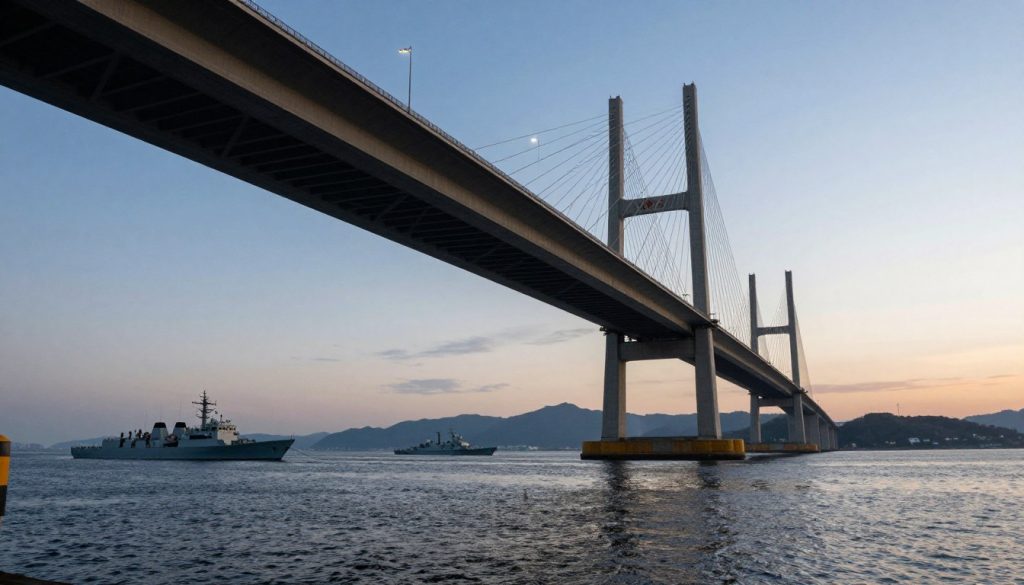
NATO is now in the middle of a heated debate about protecting ships. The idea of a Hormuz bridge is simple. It aims to turn political promises into real action that makes shipping safer.
Trump’s talks with “about seven” countries and what contributions could involve
President Donald Trump said the U.S. is talking with “about seven” countries to help ships through the strait. He didn’t name them but urged allies and major oil buyers to help out.
There’s a push for a coalition that could include NATO partners and big energy buyers. The U.S. is ready to support this effort. Details are unclear, as Al Jazeera reported.
Minesweepers and specialized boats: capabilities mentioned for keeping lanes open
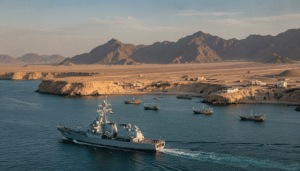
Trump mentioned minesweepers and a “certain type of boat” to keep lanes open. In Hormuz geopolitics, this is key. Even small attacks or suspected mines can slow traffic and increase insurance costs.
- Minesweepers to clear or confirm safe channels
- Specialized patrol craft to escort tankers and deter small-boat threats
- Shared communications and rules that help ships respond in the same way under stress
Timing and feasibility: Trump says cooperation should start “immediately,” but will “take a little time.”
Trump said cooperation should start “immediately,” but admitted it will “take a little time.” The challenge is turning promises into action. This includes setting up schedules, crews, and clear command lines.
Even with close partners, making everything work smoothly takes time. Planning, training, and making sure everyone is on the same page can be slow. This is true even when the need is urgent.
Diplomatic leverage: possible Xi summit delay and warnings about NATO’s future if members don’t help in the Strait
Trump also used diplomacy to push for help. He said a summit with China’s Xi Jinping might be delayed if Beijing doesn’t help. He warned NATO members that the alliance’s future looks “very bad” if they don’t step up.
This pressure comes in a world where security promises are being made and tested. A look at these negotiations can be found in coverage of security guarantee talks related to Ukraine. It shows that words can move faster than actions.
Conclusion
President Trump wants NATO and big energy buyers to help protect the Hormuz Strait. This is because tanker traffic is tight and risks are high. He says if you use this route, you should help keep it safe.
The Hormuz Strait is very important. It carries about one-fifth of the world’s oil. Any problem here quickly affects oil prices and supply chains. This is why UNCTAD’s analysis shows the big impact of disruptions.
What happens next depends on coalition talks with several countries. They need to provide ships and rules to keep the Strait open. The longer we wait, the more ships will change their routes or pay high premiums.
Trump also puts pressure on Beijing, since much of the oil and LNG goes to Asia. China is the biggest buyer. His approach to using both force and diplomacy is sparking a big debate. The real test is whether these actions will quickly make shipping through the Strait reliable again.