Iran War: Where We Are Now Entering Week Five
Stay informed about the Iran War: and its current status, exploring impacts on international relations and regional stability in the Middle East.

Iran War: Where We Are Now Entering Week Five
The Iran War is moving into a new, uncertain phase. This is testing the region’s stability every day. For those in the U.S., the conflict in Iran is now affecting our daily lives. We see it in higher prices, shipping delays, and increased tension in the Middle East.
At the White House, officials believe the Iran War will last four to six weeks. This shows they expect ongoing fighting, not a quick end. But the reality is different, with daily attacks and growing risks in the area.
Markets are feeling the impact. Oil prices are over $115 per barrel, up nearly 60% from a month ago. Brent crude is near $107.72. For families, the cost is clear: gas prices have risen by about $1. This affects delivery drivers, ride-share workers, home health aides, and real estate agents.
Big companies are responding differently. Uber and Instacart don’t cover gas costs. But they have offered some short-term help as prices continue to rise. The Strait of Hormuz is a key point, with weeks of disruptions and incidents. This has stranded ships and caused global supply chain worries.
The human toll is growing. Over 3,000 people have been killed in the Middle East in five weeks. This includes more than 1,900 in Iran and over 1,200 in Lebanon. Deaths have also been reported in Israel and among U.S. forces. Diplomacy is ongoing, with Tehran asking President Donald Trump to help stop the fighting and push for a ceasefire, as reported in the ceasefire talks.
Iran War Week Five: Key Takeaways
- The Iran War is accelerating into a higher-stakes stage, raising concerns about regional stability.
- The White House says a four-to-six-week timeline for a war with Iran is in place.
- Oil prices around $115 and Brent near $107.72 are driving market volatility and higher household costs.
- U.S. gas prices have risen by about $1, affecting those who drive for work.
- Uber and Instacart do not reimburse gas, but some short-term incentives are available.
- Disruptions in the Strait of Hormuz are worsening energy and supply chain worries due to Middle East tensions.
- Deaths have climbed past 3,000 across the region, showing the conflict’s growing impact.
Iran War: Where We Are Now
The Iran War is shaped by messages and missiles. U.S. officials aim to control Iran’s nuclear program. They also want to limit the war’s impact on the region.
Trump signals “great progress” on a possible deal as Tehran dismisses the optimism
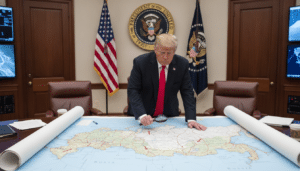
President Donald Trump believes “great progress has been made” in talks with Iran. He says the U.S. is in “serious discussions” with a new Iranian government. But Tehran calls U.S. demands “unrealistic” and “unreasonable”.
Trump has threatened to attack Iran’s energy and water if no deal is reached. He wants the Strait of Hormuz open. The U.S. military is ready, with capabilities beyond Iran’s imagination.
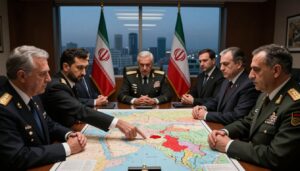
Negotiations are complex. Trump claims talks involved Iran’s parliament speaker, but Qalibaf denies it. This has made international relations tense. Official resigns over Iran war policy.
Iranian warnings to U.S. forces heading to the region, including threats to “dismember” troops
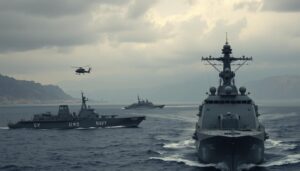
As more U.S. troops arrive, Tehran warns it’s ready for a ground invasion. Iran has threatened to “dismember” U.S. troops. This raises the stakes for any military action.
War dynamics are entering a fifth week with no clear end state and continued strikes and counterstrikes
The conflict is in its fifth week, with no end in sight. Israel has attacked 170 Iranian sites in 24 hours. These actions keep the Iran War tied to the nuclear program debate.
Regional tensions are growing. Israel plans to expand its campaign in southern Lebanon. Lebanon has seen over 1,200 killed and 3,680 wounded. Worldwide travel bans over Iran War fears.
War of attrition indicators: sustained attacks, expanding deployments, and rising political stakes
The war is becoming a long-term fight. Attacks keep coming, and more troops are being deployed. Turkey has seen NATO assets defend against Iranian missiles. Iran warns against attacks on civilian infrastructure. has seen NATO assets defend against Iranian missiles. Iran warns against attacks on civilian infrastructure.
Energy risks are high, with the Strait of Hormuz key to prices. The Federal Reserve is watching for inflation risks from energy shocks. The Iran War is testing alliances and international relations.
Conflict in Iran expands as Middle East tension hits campuses, shipping lanes, and global supply chains
The conflict in Iran is now affecting more than just military actions. It’s impacting classrooms, ports, and daily life. This has caused problems in the U.S. with higher fuel costs, shipping delays, and business uncertainty.
As tensions in the Middle East grow, leaders and families see the same warning signs. These include tighter security, mixed information, and fast-changing rules for travel and work. This has led to a wider set of impacts, affecting education and commerce. Soaring Oil prices due to the Strait of Hormuz blockades.
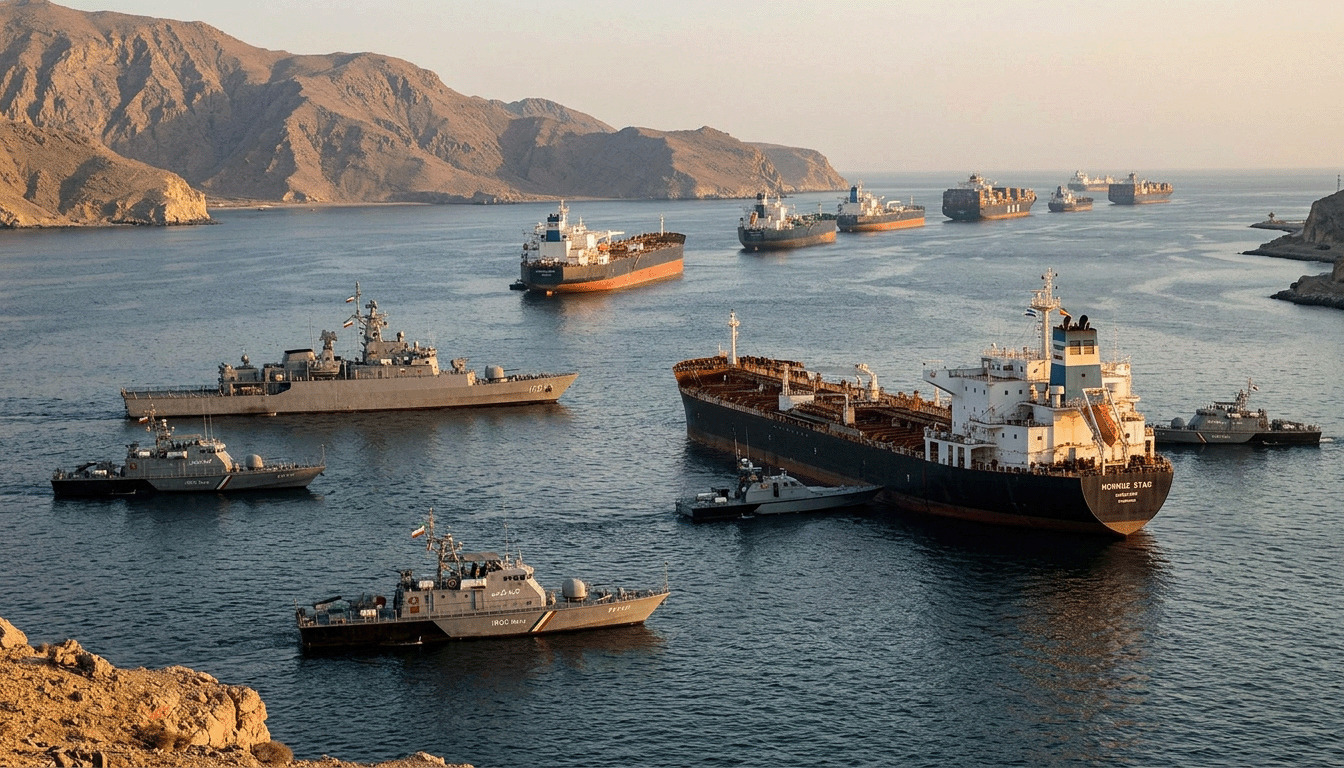
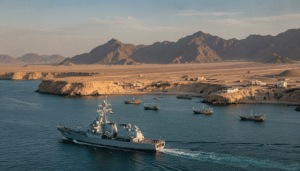
The Strait of Hormuz is a key reason for the quick spread of shock. It’s only 21 miles wide at its narrowest point, with shipping lanes just 2 miles wide. This makes it a critical chokepoint for energy and cargo.
Reports of stranded vessels and sporadic crossings have made insurers and operators more cautious. This strain affects global supply chains, causing delays, higher premiums, and complications in delivering critical inputs for U.S. manufacturing and transportation.
For those tracking the effects of a wider war on trade, global supply chain risks are often tied to oil price spikes and limited reserve options. Even small shifts in maritime traffic can ripple into freight rates and consumer prices.
Iranian military and IRGC threats against “American universities in West Asia” are considered “legitimate targets.”
The Iranian military and IRGC have threatened “American universities in West Asia” as “legitimate targets.” This raises concern, as it pulls educational spaces into the broader threat picture. Even when campuses are focused on teaching and research.
Diplomats and host governments are balancing public calm with tighter protective steps. The worry is not just physical harm but also the damage to regional stability when civil institutions become part of the pressure cycle.
Strikes reported on Iranian universities, with damage shown at Iran University of Science and Technology and Isfahan University
Strikes tied to university-linked sites have also entered the public narrative. Damage has been shown at the Iran University of Science and Technology and in Isfahan. There are competing assertions about whether certain facilities had military connections. Will troops be deployed for combat and recovery missions in Iran?
Israeli statements have included allegations of IRGC activity embedded within Imam Hossein University in Tehran. They describe it as a cover for weapons-related work. These claims and counterclaims add to uncertainty, affecting students and faculty who have little control over the conflict’s direction.
U.S. university branch campuses in Qatar, the UAE, Lebanon, Iraq, and Egypt face heightened risk and contingency
U.S.-linked branch campuses in Qatar, the UAE, Lebanon, Iraq, and Egypt have moved into a higher-alert posture. Security reviews, coordination with local authorities, and contingency planning have become routine. Administrators are trying to protect people while keeping instruction on track.
- Access controls may tighten, including badge checks and limits on large events.
- Travel guidance may change quickly for visiting faculty, researchers, and students.
- Continuity plans may shift around utilities, banking access, and communications.
These precautions reflect how the conflict in Iran can alter risk calculations far from any front line. When education hubs feel exposed, the sense of regional stability can weaken, even in places not directly hit.
Remote learning shifts and emergency measures: examples include campuses in Baghdad, Beirut, and Abu Dhabi
Some campuses have leaned on remote learning and short-notice emergency measures, including in Baghdad, Beirut, and Abu Dhabi. Plans include temporary closures, hybrid schedules, and rapid housing support for students who cannot travel safely.
In parallel, residents in parts of the region have described internet disruptions, checkpoints, and anxiety over strikes on key services. The same disruptions that complicate campus life can also slow global supply chains, as commerce depends on power, ports, and reliable communications.
“When people cannot count on the basics—power, water, and a stable connection—schools and businesses both lose time, and families lose options.”
Shipping risk adds another layer, including the Red Sea corridor, where the Houthis ‘ movement capabilities have kept maritime traffic on alert. Together, these pressures test regional stability and keep U.S. economic expectations tied to events unfolding thousands of miles away.
Iran War Week Five Conclusion
The Iran War is now in its fifth week. It’s filled with fresh strikes and counterstrikes, with no clear end in sight. The conflict is spreading across Lebanon, Gulf states, and Turkey, making regional stability a big question.
This uncertainty is affecting international relations. Countries are thinking about defense, diplomacy, and how to protect their economies.
Diplomacy and escalation are occurring simultaneously. Donald Trump says talks are making great progress. But Tehran has said U.S. terms are unrealistic. Contacts are shifting across Iranian power centers.
There’s pressure to reopen the Strait of Hormuz and warnings about attacks on energy and water systems. Military intervention risks are growing, along with the geopolitical impacts of sudden miscalculations.
For the United States, the costs are immediate. Oil price swings can raise gas prices and add volatility. This can worry investors, even when energy prices stabilize later.
Federal Reserve Chair Jerome Powell has warned about the effects of repeated supply shocks. These can unanchor inflation expectations, keeping domestic policy debates tied to global events.
The main goal is to stop Iran from getting a nuclear weapon and limit its nuclear program. Iran’s parliament is reviewing steps that could include leaving the NPT. This has been publicly mentioned by Foreign Ministry spokesperson Esmail Baghaei, adding urgency and doubt to negotiations.
The longer arc also matters. This includes the U.S. exit from the JCPOA and what followed. The Trump Iran deal timeline shows Washington and its allies searching for a durable path. They aim to lower the risk for U.S. forces and support regional stability.