Iranian Foreign Minister Abbas Araghchi opens the Strait of Hormuz
Iranian Foreign Minister Abbas Araghchi announces the strait of Hormuz is open, reinforcing its significance as a vital maritime chokepoint for global trade.

Iranian Foreign Minister Abbas Araghchi opens the Strait of Hormuz: Iranian Foreign Minister Abbas Araghchi said the Strait of Hormuz is open for shipping. This news is important for traders and insurers. The Strait is a key route that connects the Persian Gulf to the rest of the world. Trump gives Iran 48 hours or else!
This announcement came after days of high tension. The Strait of Hormuz was a key point in negotiations and caused market swings. President Donald Trump also spoke up, saying Iran controls the passage. Tehran said it was open again for commercial traffic.
For U.S. importers and energy buyers, the Persian Gulf corridor is critical. Even small threats can affect global trade confidence. Regional diplomacy, including pressure for a ceasefire, keeps the waterway in the spotlight.
Strait of Hormuz open: Key Takeaways
- Abbas Araghchi said the Strait of Hormuz is open for shipping.
- The Strait of Hormuz is a maritime chokepoint linking the Persian Gulf to global trade routes.
- Recent conflict dynamics raised the stakes and fed market volatility.
- Donald Trump publicly acknowledged Iran’s control claim as the route reopened.
- Energy pricing and cargo insurance often react fast to any shift in Hormuz risk.
- U.S. businesses monitor the Persian Gulf route for supply timing and cost impacts.
What Abbas Araghchi Announced and Why It Matters for Global Trade
Iranian Foreign Minister Abbas Araghchi opens the Strait of Hormuz. For those following global trade, Tehran’s latest news came quickly. It also included important details for planning, pricing, and routes.
Tehran says the waterway is “completely open” during the remaining period of the ceasefire
Iran’s Foreign Minister Abbas Araghchi said the Strait of Hormuz is open for all commercial vessels during the ceasefire. He made it clear this is a temporary situation, not a permanent change.
He also mentioned a “coordinated route” by Iran’s Ports and Maritime Organization. This is key for operators who need predictable transit times and clear instructions.
The Iran-U.S. ceasefire is set to last two weeks, ending on April 22. For U.S. readers, understanding the policy stakes is important. An explainer on how a war with Iran could affect the U.S. underscores the importance of timely, clear signals.
Why the Strait is a maritime chokepoint for the Persian Gulf oil shipping route
The Strait of Hormuz is a critical waterway connecting the Persian Gulf to the open sea. It’s the main route for oil tankers heading to refineries and storage hubs worldwide.
Any changes here affect shipping firms’ insurance, crew safety, and convoy practices. Even small delays can cause big problems in port queues, demurrage costs, and cargo arrival times.
Immediate implications for global trade flows and energy market confidence
Markets reacted fast. Brent crude fell below $90 a barrel after being above $98 earlier. U.S. benchmark NYMEX light sweet crude also dropped.
This price drop boosted energy market confidence, at least for now. Traders tend to expect fewer disruptions when the Persian Gulf transit looks stable. Recent history shows how sensitive prices are: Brent was just under $70 before the conflict, then climbed to over $119.
- Ship operators watch routing guidance, escort posture, and timing rules tied to the maritime chokepoint.
- Importers track how the oil shipping route affects freight rates, delivery dates, and spot pricing.
- Investors watch how quickly headlines reshape energy market confidence and broader global trade flows.
U.S. Reaction: Trump’s Truth Social Post and the Iran Controls Claim
The U.S. quickly reacted after Abbas Araghchi said the Strait of Hormuz was open. This led to a messaging battle in the United States. It was about who controls safe passage and its market impact.
Trump’s all-caps post: “IRAN HAS JUST ANNOUNCED THAT THE STRAIT OF IRAN IS FULLY OPEN…”
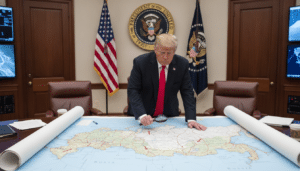
Donald Trump made the news bigger with a Truth Social post in all caps. He framed it as a full reopening. This highlighted Iran’s power to control access.
He then posted more, keeping the focus on the shipping lane. The tone was important, showing Washington’s readiness to act.
What Trump left out: the ceasefire caveat included in Araghchi’s statement
Araghchi mentioned a ceasefire limit: the route was open for a set time. Trump’s initial post didn’t mention this, affecting how the U.S. saw the news.
Later, Trump added his own condition, tied to U.S. policy. This shift focused from navigation to leverage. It blurred the line between diplomacy and deterrence.
Why U.S. audiences are watching the naval presence and Middle East tensions closely
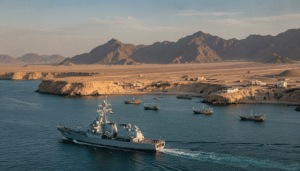
The naval presence is now a key part of the story. When officials talk about blockades and escorts, tensions rise. Shipping firms then price in uncertainty.
An Iran-controlled claim spreads fast, even when the waterway is open. The U.S. reaction shows how quickly a post, a caveat, and a deployment can change expectations.
Strait of Hormuz Update: Security Risks, International Waters, and Recent Closure Reports
Shipping companies and energy traders watch the Strait closely. Small changes can cause big waves. When it’s open or closed, they must balance security with schedules and fuel needs.
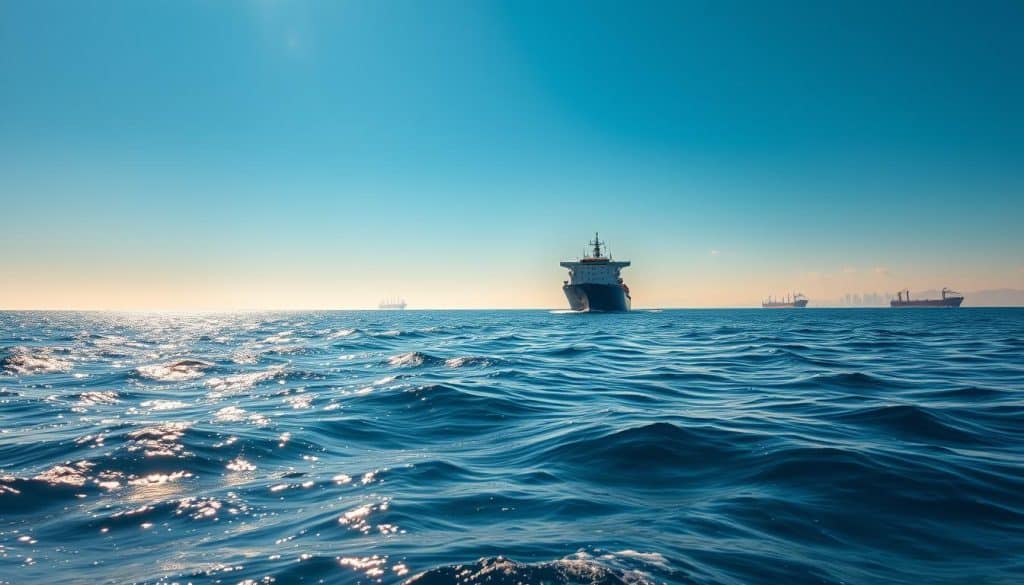
Context from reporting: Iran’s military declared it was closing the Strait amid ships reporting coming under fire
Iran’s military said the Strait was closed, with ships under attack. This made the situation urgent. Details in recent closure reports linked it to U.S. blockade language and negotiations.
Even a short closure can raise insurance and charter costs. These higher costs can quickly show up in freight rates, affecting tankers with tight deadlines.
What “open for shipping” means operationally for vessels transiting international waters
“Open for shipping” means strict screening and slower convoys. Operators follow maritime law and traffic rules. They also watch local orders and radio warnings.
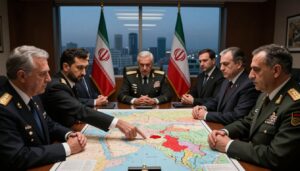
Iran talks about a coordinated route with port and maritime authorities. This affects how ships plan their routes, including speed and where to wait.
Ongoing geopolitical significance in the Hormuz Strait for commercial routing and risk premiums
The Strait is critical because of the oil it carries. A small mistake can have big consequences. When peace seems fragile, the market worries about future trouble.
Shipowners and cargo interests face big decisions. They must balance security with delivery promises. They also wonder how long risk premiums will stay high. These choices affect routes across the region, even for ships far from the Strait.
Strait of Hormuz open Conclusion
Abbas Araghchi said the Hormuz Strait is open for business, easing worries. This news is key for global trade, as the Strait is a major energy route. Oil prices dropped as traders expected fewer disruptions in the near term.
In the U.S., Donald Trump also welcomed the news on Truth Social. But the exact timing got lost in the initial posts. He later stated that a U.S. naval blockade would stay until a deal is fully done. This kept tensions high in the Middle East.
The reopening of the Strait was not smooth, with some ships moving while others turned back. Iran’s Revolutionary Guard claimed control over the route. India also had concerns after an incident involving Indian-flagged vessels, showing the dangers at sea.
For more on the shipping situation and disputes, check Al Jazeera’s reporting.
The Hormuz Strait is a critical spot where security, naval presence, and international laws affect markets. Even with the Strait open, companies are planning for the worst. They are adding extra time, insurance, and routes to their plans. As the ceasefire deadline approaches, global trade will continue to be affected by Middle East tensions.