Conflict With Iran Will Continue After Trump Says NO to The Agreement
Conflict with Iran is set to escalate as tensions rise, particularly after Trump’s rejection of a new agreement, raising concerns over regional instability.

The Conflict with Iran Will Continue after Trump turns down latest Iranian Proposa
Conflict with Iran will continue: President Donald Trump has made it clear that a deal with Iran is unlikely. On Friday, he stated he was “not satisfied” with Iran’s latest offer. He didn’t specify which terms were unacceptable. White House Blocks Strait of Hormuz in Dramatic Move.
At the White House, Trump told reporters: “They’re asking for things that I can’t agree to.” This message comes amid tensions between the US and Iran. It also affects security talks in the region.
The White House chose not to comment on the negotiations. This leaves the status of talks unclear for many. It adds to the challenges Washington faces in its foreign policy.
The rejection is significant, given the current conflict. It has already affected shipping lanes and energy flows. The administration’s tough stance, including the cancellation of meetings with Iran, suggests a pause in engagement.
Trump’s rejection and Iran’s warnings of possible fighting are key. Reports on Israeli military readiness and the Strait of Hormuz also play a role. These elements show how quickly tensions can escalate from diplomacy to risk management. Iranian Cyberattack Targets US Infrastructure.
Conflict With Iran Key Takeaways
- Trump said he was “not satisfied” with Iran’s latest proposal.
- He told reporters: “They’re asking for things that I can’t agree to.”
- The White House declined to comment, leaving talks in limbo.
- The conflict with Iran is unfolding alongside shipping and energy strain.
- Iran-US tensions are rising as regional military planning remains active.
- Foreign policy challenges are growing as the US weighs next steps.
Trump rejects Iran’s latest proposal as Iran-US tensions rise
Talks about an Iran nuclear deal hit a snag when President Donald Trump said no to Iran’s latest offer. This move comes as tensions between Iran and the US are growing. Every statement made by both sides can make things harder and limit options.
The Gaza crisis is also affecting diplomacy. Tehran has asked Washington to help in the ceasefire talks. A recent report on Trump’s role in ceasefire talks shows how regional issues can impact nuclear negotiations. This adds more challenges to foreign policy for both countries.
Trump says he is “not satisfied” and claims Iran is asking for terms he “can’t agree to”
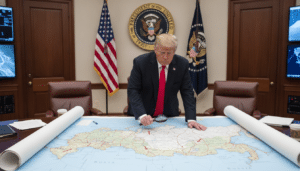
On Friday, Trump told reporters at the White House that he was “not satisfied” with Iran’s latest proposal. He didn’t say which parts he disagreed with, leaving many to wonder.
He bluntly said, “They’re asking for things that I can’t agree to.” This public statement shows how quickly talks can stall when they become public debates.
White House declines to comment on the state of negotiations
The White House chose not to talk about the negotiations. This leaves many questions unanswered. Is the pause temporary, or are talks failing due to rising tensions?
Washington’s silence can be a strategy, but it also creates uncertainty. This can make it harder for the US to communicate clearly to its allies in Europe and the Gulf.
What Washington says it wants: blocking Iran from ever obtaining a nuclear weapon
US officials say their main goal is to stop Iran from getting a nuclear weapon. Trump has used this reason to justify military actions in February, even while talks were ongoing.
They want any deal to have strict limits, strong checks, and lasting enforcement. Without these, they believe easing sanctions too soon would be premature.
Iran’s position: nuclear program is peaceful, and talks should recognize its right to enrich for peaceful purposes
Tehran believes its nuclear program is for peaceful use. It wants talks to recognize its right to enrich uranium for civilian purposes.
Even if Iran agrees to suspend enrichment, it wants this principle written down. The differing demands keep tensions high and add to the challenges facing both countries.
Conflict with Iran and the risk of renewed strikes in the Middle East conflict
Four weeks have passed, and the United States and Israel have paused their bombing. Yet, the Iranian crisis remains open. The public debate over terms has kept everyone on edge, even with a ceasefire in place.
Iranian media report that a senior Iranian official has warned that renewed fighting is “likely.”
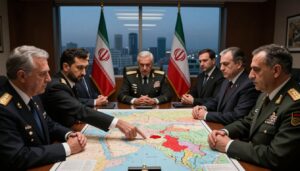
Iranian media reported Saturday that a senior official warned fighting with the US was likely to resume. This warning came after President Donald Trump expressed dissatisfaction with Tehran’s latest proposal. It added more pressure to the conflict with Iran.
Fars cites Mohammad Jafar Asadi, saying a renewed conflict between Iran and the United States is likely.
Iran’s Fars news agency reported that Mohammad Jafar Asadi, a senior military figure, said a renewed conflict is likely. His statement highlights how quickly tensions can escalate in the Middle East conflict.
This risk also comes with a cost. Analysts have warned of a possible protracted frozen conflict. This would involve periodic strikes and long periods of strain.
Kan reports the IDF is preparing for the possibility that the US could resume strikes on Iran.
In Israel, Kan reported that the Israel Defense Forces is preparing for the possibility that the United States could resume strikes on Iran. This planning shows the reality of the Middle East conflict. Even a pause can feel temporary when both sides keep military options open.
Recent tensions have also brought US bases in the Gulf back into the conversation. This includes Iran’s missile attack on Al Udeid in Qatar. It has caused concerns for travel and regional logistics.
Four weeks after the US and Israel paused their bombing campaign, no deal has ended the Iranian crisis.
No agreement has ended the Iranian crisis, and Trump’s rejection of Iran’s terms has left little room for quick compromise. With Iran’s warning and Israel’s readiness planning now in view, the conflict with Iran looks more exposed. It is more likely to see misreads, sudden escalations, and renewed action across the Middle East conflict.
Strait of Hormuz shipping, blockades, and regional instability are driving geopolitical tensions.
Shipping through the Strait of Hormuz is a daily challenge for global trade. The ongoing Middle East conflict affects decisions at sea. Energy markets react quickly to any warning.
Disruption to global energy supplies: war linked to the biggest disruption ever reported in energy flows
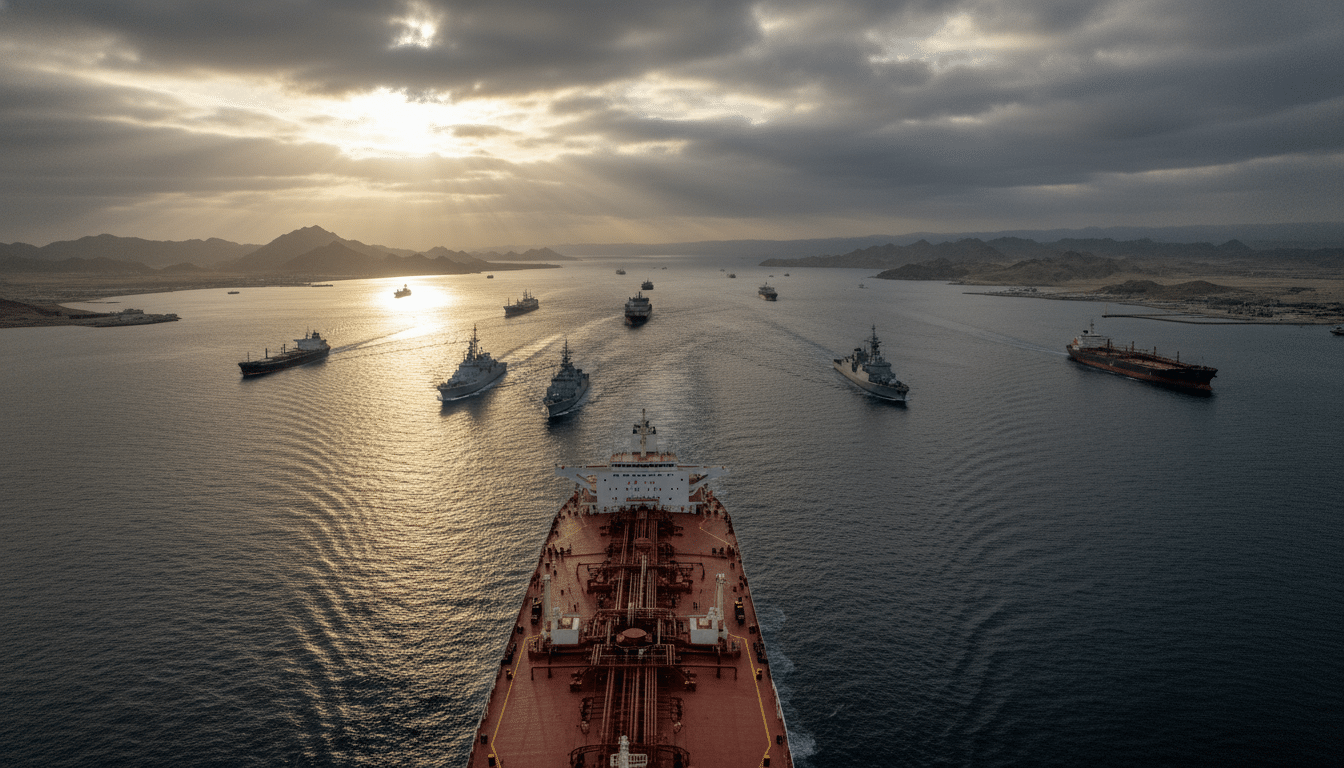
The Strait of, and the stakes are huge. About 20% of global oil shipments go through it. Even a small military action could make transit unsafe and sharply raise prices.
Early moves can send oil prices up 50% to 100% in weeks. If fighting continues, prices stay high. Rerouting ships adds days, fuel, and crew time. Insurance costs can also skyrocket.
These costs affect groceries, manufacturing, and transport. They add to tensions beyond the Gulf.
Shipping pressure points: Iran has blocked nearly all Gulf shipping except its own for more than two months
Iran has blocked most Gulf shipping except its own for over two months. This creates uncertainty in supply chains. It raises fears of disruptions beyond oil.
Security concerns extend beyond Hormuz. Attacks by the Houthis pose risks to nearby routes. Coalition patrols try to maintain security.
A closer look at the Red Sea escort effort is in the context of maritime security operations in the Red Sea. Deterrence and rapid response are now routine.
US response: Washington imposed a blockade on ships from Iranian ports last month
Washington imposed a blockade on ships from Iranian ports last month. This deepened the standoff. It made commercial operators rethink schedules and cargo timing.
This action heightened geopolitical tensions. Enforcement became a moving target on open water.
There are limits to how long governments can offset shocks. Strategic stockpiles can help, but not replace steady tanker flows. The wider risk picture, including proxy networks and regional instability, is outlined in a breakdown of how a war with Iran could affect the US.
Reuters details Iran’s rejected proposal: reopen shipping in the Strait of Hormuz and end the US blockade first.
Reuters reported on an Iranian proposal that was rejected. It aimed to reopen shipping in the Strait of Hormuz and end the US blockade first. Nuclear talks would be pushed to later stages.
A senior Iranian official described it as a shift to create a calmer setting. The plan linked a halt in the war to guarantees against future attacks. It also included opening the Strait and ending the US blockade.
After that, talks would cover limits on Iran’s nuclear program for sanctions relief. Iran sought recognition of its right to enrich uranium for peaceful purposes. Reuters and other outlets reported that the timeline was included in a formal proposal delivered through mediators.
Conflict With Iran: Conclusion
President Donald Trump has turned down Iran’s latest offer. He said he’s “not satisfied” with it. This shows the conflict with Iran is far from over.
He believes Iran wants terms he can’t accept. This makes it hard to see a quick end to tensions. Many think a diplomatic solution is unlikely in the near future.
The White House hasn’t spoken about the talks. Their silence only adds to the mystery. With no clear plan, things can change quickly.
This uncertainty makes the situation unstable. It also increases the chance of mistakes. Such mistakes could lead to more problems.
Reports suggest things might get worse. Iranian media says war is likely. Israeli forces are getting ready for possible US attacks.
Iran has threatened to hit US bases. The US has increased its presence in the area. This makes things even more unstable. For more on this, see new threats tied to U.
Even though there’s been a break in fighting, no deal has brought lasting peace. The Strait of Hormuz issue is a big worry for oil. Blockades and risks to ships keep markets nervous.
Until real progress is made in talks, the conflict with Iran will likely continue. It will stay tied to U.S.-Iran tensions and wider instability in the region.