U.S Fights To Open Strait of Hormuz From Iranian Blockade
In the Iran War, the U.S. is working to secure the Strait of Hormuz against an Iranian blockade, ensuring vital maritime routes remain open.

The Iran War has moved back to the water, with the Strait of Hormuz blockade putting pressure on a key oil route. From Dubai, United Arab Emirates, AP reported that the U.S. military is working hard to keep shipping moving. This is after Iranian attacks on ships raised the risk of a wider conflict. Also see: White House Blocks Strait of Hormuz in Dramatic Move.
U.S. Central Command said American forces fired on Iranian forces to reopen the Strait on Monday. This move aims to calm markets and reduce fears of supply shocks. It also tests maritime security at a time when Tehran claims ceasefire violations after a truce in early April.
The stakes are high, with fuel prices rising and shipping firms and insurers facing new dangers. For U.S. readers, the latest moves show how quickly a sea lane can become central to world politics. This is detailed in this AP report on ceasefire violations.
Strait of Hormuz Key Takeaways
- The Iran War is increasingly defined by the Strait of Hormuz blockade and its impact on a global oil route.
- The U.S. military response aims to restore safe passage for Persian Gulf shipping after Iranian attacks on ships.
- U.S. Central Command says the push to reopen the Strait began Monday amid rising maritime security threats.
- Iran argues the new U.S. operation reflects ceasefire violations following a truce that started in early April.
- Energy price swings and shipping delays are spreading economic anxiety well beyond the Middle East.
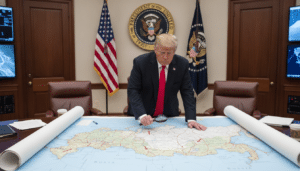
- Political attention in the U.S., including Donald Trump’s rhetoric about the Strait of Hormuz, is returning as tensions grow.
U.S. military moves to reopen the Strait of Hormuz after Iranian attacks
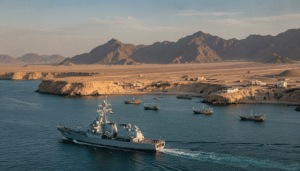
The U.S. has reopened the Strait of Hormuz lane. This move comes with a stronger naval presence and clear routes for ships. The area is narrow and crowded, making it a key node in global fuel flows. Even small clashes here can ripple into prices, insurance, and delivery schedules.
About one-fifth of the world’s oil shipments go through the Strait. This has led to higher premiums and slower voyages. A recent article on global oil shipments through the Strait of Hormuz highlights the risks.
AP-reporting context from Dubai as the Strait becomes the new flashpoint
AP Dubai reporting has shown the Strait of Hormuz as a key conflict zone. There are more radio checks and stricter rules at night. Ships are queuing near the lanes.
A Joint Maritime Information Center advisory has directed ships to a safer route. It aims to reduce confusion and prevent accidents. The goal is to keep traffic flowing smoothly.
U.S. Central Command says helicopters sank six Iranian small boats targeting civilian ships
U.S. officials have reported attacks by Iranian small boats and cruise missiles. Iranian mines are also a concern. These threats can halt passage.
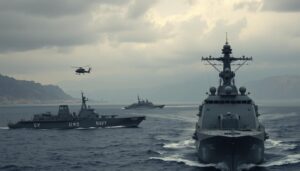
Brad Cooper at CENTCOM explained U.S. actions as aimed at protecting commercial traffic. Helicopters have sunk six Iranian small boats targeting civilian ships. This has increased safety for vessels under U.S. protection.
“Project Freedom” and the U.S. initiative escorting commercial shipping through the waterway
The U.S. has launched Project Freedom to escort commercial ships. This includes surveillance and convoy windows. The goal is to keep the route open for global trade.
President Donald Trump has vowed to defend the passage against Iranian attempts. Shipowners and insurers are reassessing coverage as risks change.
Two American-flagged merchant ships successfully transited the Strait under U.S. protection.
U.S. forces have escorted two American-flagged ships through the Strait. This is a test of the convoy rhythm. The move follows new security measures to reduce surprise contacts.
For ships waiting offshore, the main concern is whether escorts can maintain schedules. Iranian mines and small boats are a risk. Until traffic normalizes, companies are watching routing updates closely.
Iran War escalates pressure on U.S. allies as UAE reports missile and drone strikes.
The Iran War is causing tension among Gulf allies. Iran has launched strikes against the UAE, ending a calm period. This has raised concerns about shipping, oil storage, and air travel.
UAE says it was attacked for the first time in weeks
The UAE has been hit for the first time in weeks, officials say. The UAE Foreign Ministry called the attacks a dangerous escalation. They urged Iran to stop immediately. Iranian Foreign Minister Abbas Araghchi opens the Strait of Hormuz. In good faith until peace talks with President Trump failed.
Gulf states are watching closely. The same routes carry fuel, food, and fertilizer. For context, see Iran’s retaliation timeline related to U.S. bases in Qatar.
UAE air defenses engage 15 missiles and four drones, with multiple shelter alerts issued nationwide
The UAE’s air defenses fought off 15 missiles and four drones. The country issued shelter alerts for the first time in weeks.
Flights between Dubai and Abu Dhabi were disrupted. Some planes turned back midair. Travelers faced delays and reroutes.
Fujairah oil facility fire after a drone strike, with three Indian nationals wounded
A drone strike in Fujairah caused a fire at an oil facility. Three Indian nationals were hurt. The damage is not yet clear.
Security teams are working to control the fire. They aim to keep port operations running smoothly. Officials are focused on restoring normalcy without being distracted by the bigger threat.
British military reports two cargo vessels ablaze off the UAE coast
Two British cargo vessels are on fire off the UAE coast. This has raised concerns among shipowners and insurers. They must balance risk and the need to keep cargo moving.
With missiles, drones, and sea incidents, regional partners are on high alert. They are considering public messages and diplomatic actions. Officials promise to keep sharing updates as the situation changes.
Global energy and shipping disruption as Iran seeks to maintain control of the chokepoint
The Strait of Hormuz is now much quieter, with traffic down by about 94%. It’s like a gate that opens only a few times a day. This tight flow keeps global oil prices on edge, making shippers choose between speed and safety.
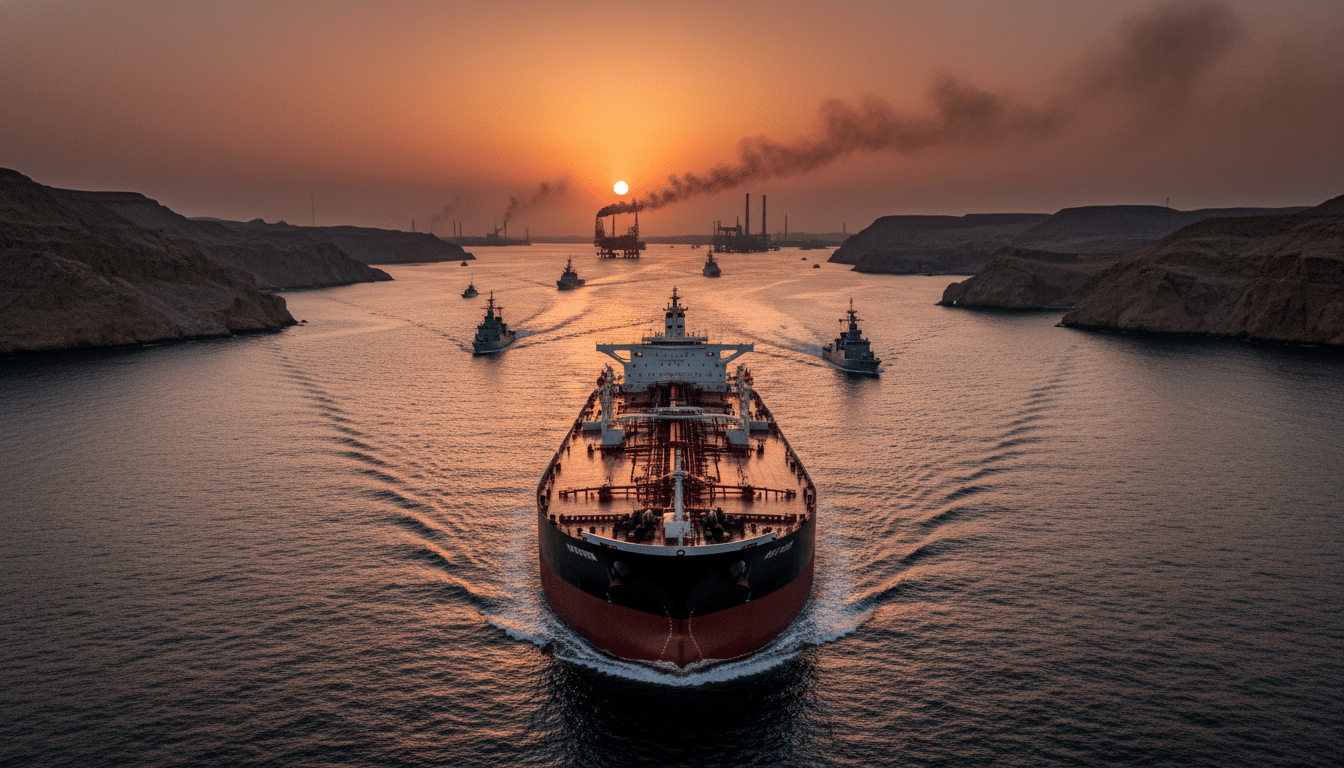
Why the Strait of Hormuz matters for oil and gas flows between Iran and Oman
The Strait of Hormuz is a narrow waterway between Iran and Oman. Before the fighting, it carried about 20 million barrels of crude a day. Now, with traffic down, the shock spreads fast through trading desks and fuel terminals.
Rerouting is possible, but not simple. Voyages around the Cape of Good Hope can add 10–14 days. This raises charter costs, fuel burn, and delivery risk. Legal and contract friction also rises, including sanctions for transit payments.
Fuel price spikes and broader economic fallout for Europe and Asia, dependent on Persian Gulf exports
Brent’s jump near $119 a barrel has put pressure on refineries and consumers. In the United States, AAA tracked regular gasoline at close to $4 a gallon in late March. This sharpens the pressure on freight and food prices.
For Persian Gulf exports to Europe and Asia, timing is as important as volume. Port calls around the Arabian Gulf dropped sharply. Crude shipments from key ports west of the Strait plunged. When QatarEnergy declared force majeure on LNG, utilities and buyers faced a tighter market.
Insurer and shipowner risk calculus amid reports of continued missile, drone, and small-boat attacks
Shipowners make decisions voyage by voyage, with security updates changing by the hour. Reports of tanker attacks, drones, missiles, plus small-boat harassment make even insured runs hard to price. Some vessels wait at anchor, others turn back, and more sail longer routes that avoid the chokepoint.
Costs also stack up through shipping insurance and war risk. Some insurers have canceled coverage for transits, while others have raised premiums. Many operators now rely on guidance from the Joint Maritime Information Center’s security area and legal briefings, including shipping disruptions and legal risks, to reduce surprises.
Pressure from Washington adds another layer. U.S. officials have warned carriers about sanctions for transit payments, while also tightening enforcement tied to the U.S. naval blockade of Iranian ports. Central Command has said it instructed dozens of commercial ships to turn back, a move that can protect crews but also break delivery chains.
Iran’s warning that foreign forces approaching the Strait will be targeted, per state media
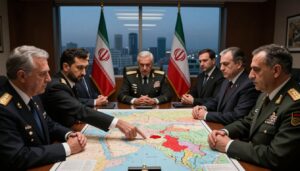
Iran’s messaging has aimed to set clear, hard boundaries for foreign navies near the waterway. In an IRIB Ali Abdollahi warning, the senior commander said forces approaching or entering the Strait would be targeted. This raises the stakes for escorts and patrols.
The security picture has stayed unsettled. South Korea has reported an explosion and fire on a South Korean-operated ship anchored in the Strait off the UAE, with no injuries confirmed. The UAE has alleged a drone incident involving a tanker linked to ADNOC. Those reports, along with political claims traded in public, keep traders, insurers, and crews braced for the next shift in access and risk.
Strait of Hormuz Conclusion
The latest developments in the Iran War are rapidly changing the region’s shipping map. U.S. commanders focus on keeping a safe lane open after Iranian attacks. They’ve sunk six Iranian small boats and protected two American-flagged merchant ships.
For many carriers, U.S.-escorted shipping is now the only safe choice. Threat reports keep coming in, making it hard to navigate.
The effects of these attacks are felt far beyond the Strait. The UAE missile drone attack report says air defenses stopped 15 missiles and four drones. There were also shelter alerts across the country.
There was a fire at a Fujairah oil facility that hurt three Indian nationals. UKMTO also reported two cargo vessels on fire off the UAE coast.
These strikes are hitting global energy markets hard. They’re driving up fuel prices and raising concerns about supply chains. Insurers, shipowners, and governments are now weighing costs against risks.
At the heart of the standoff is a clear message from both sides. CENTCOM Brad Cooper stresses the importance of freedom of navigation. Iranian state media warns that foreign forces near the Strait may be targeted.
As new alerts come in, the situation is getting more tense. Updates like regional shipping security coverage show how quickly a single incident can escalate into a larger conflict.