Trump Administration pushes for State election changes
The Trump Administration advocates for State election changes, aiming to modify voting rules and enhance electoral reform across the United States.

The Trump administration is threatening to withhold federal homeland security grants, CNN reports. This is if states don’t make certain state election changes. Election offices are gearing up for the next cycle, and that means they will need more staff, training, and security.
Is the Iran Deal beneficial for the American people? What you should know
President Donald Trump and his backers say they want to “root out” voter fraud. But studies show fraud is very uncommon. This raises the question of the real reason for pushing electoral reform.
This is part of a bigger fight between the federal government and the states. States have enacted laws to restrict federal intrusion into elections. At the same time, Washington is trying to get more control of how elections are run.
This article explains how the DHS funding is leveraged. It will also address the modifications to state elections being sought. We will look at how these changes relate to a wider agenda of electoral reform. And we’ll discuss the practical implications for equipment, audits, and more.
Iran peace deal confirmed? Latest Updates and Facts
New State election changes Key Notes
- CNN reporting describes a plan that could tie homeland security grants to state election changes.
- The administration frames the effort as anti-fraud, though studies say fraud is rare.
- The strategy would expand federal influence over local election administration.
- States that limit federal involvement may face a direct policy conflict.
- Proposed electoral reform could touch voter rolls, equipment, audits, and staffing rules.
- An update to voting rules could trigger legal battles and major compliance costs for states.
Trump administration ties homeland security grants to election policy shifts
The Trump administration is exploring a new method to speed up state election changes. They plan to link these changes to homeland security grants. This approach could make states adopt new election rules as part of their grant requirements.
DHS grant programs are set to receive more than $1 billion this year. The funds help states and local areas fight terrorism, protect key infrastructure, and prepare for disasters. Even small changes in eligibility can have a big impact on election offices and emergency managers.
Internal papers seen by CNN and sources describe a funding threat
Applicants used to have a clear rule: spend at least 3% on election security. Now, the Trump administration wants to make some policy changes mandatory. States that don’t comply could lose 20% of their grant, potentially millions of dollars.
There are ongoing concerns about threats to the 2024 elections, including misinformation and cyber risks. These concerns are similar to those mentioned in warnings about major threats to 2024. The proposal aims to leverage this security context to push for voting changes that go beyond technology alone.
“When federal dollars move, state capitols listen—and so do local election administrators.”
How the DHS grant guidelines would work
The new guidelines would keep the election-security spending floor but add new compliance checks. States can apply, but their award could be reduced if they don’t meet the required changes. The new rules are expected to be announced later this month, according to CNN.
- States submit applications tied to security needs and planned spending.
- DHS applies new conditions that could trigger voting modifications as part of eligibility.
- Noncompliance leads to a 20% cut, not just a warning or slower reimbursement.
A DHS spokesperson said no changes are official until they are formally announced. The spokesperson emphasized election security as a core national security priority. The strategy aligns with Trump’s pattern of using federal funding to influence state policies, similar to efforts on immigration and diversity, equity, and inclusion.
State election changes the administration is pushing, including voting modifications
The administration wants to change how states run elections using federal power. Supporters say it’s to make voting safer. Critics fear it could mess up local systems and create new problems.
States are also dealing with disputes over election rules. Lawsuits and changes in how ballots are handled show how fast rules can change. This is detailed in election-day rule disputes.
Ballot procedure revisions and equipment mandates
One big change is to eliminate some electronic voting systems. States must switch to hand-marked paper ballots. They have to tell the federal government when they will make this change. DOJ Fund: Lawmakers are Pushing to Cancel DOJ Due to Misuse
About 30% of U.S. voters use systems that aren’t paper-based. Places like Delaware and Georgia need to switch. This means new rules for local officials, like buying new equipment and training poll workers.
Voter roll and polling regulations modification proposals for the new state election changes
Another change is to check voter rolls against a federal database. Critics say this could wrongly remove eligible voters. They worry about the accuracy of the database.
Some states already use this database, while others don’t. The federal government is pushing for all states to comply. There’s also a plan to make sure poll workers are U.S. citizens.
Election regulations adjustment through audits and oversight rules
The plan also makes federal rules stronger after polls close. It requires manual audits using methods from the Trump administration. This affects how results are checked and reported.
This could take away from other important work. It adds more rules, which might slow down the process. These changes affect the work after Election Day.
Legal, political, and cost impacts of the proposed electoral reform and voting rules update
Any big change in voting rules faces a key rule: states run elections in the U.S. Congress can set national standards, but courts say the president has limited authority to force state changes alone. This leads to quick lawsuits as new voting rules meet state laws and local practices.
Election lawyers think judges will check if federal pressure is too much. David Becker, a former Justice Department lawyer, believes the new rules will face court blocks. Past fights over federal funding and state policy show how fast election changes can get caught in court battles.
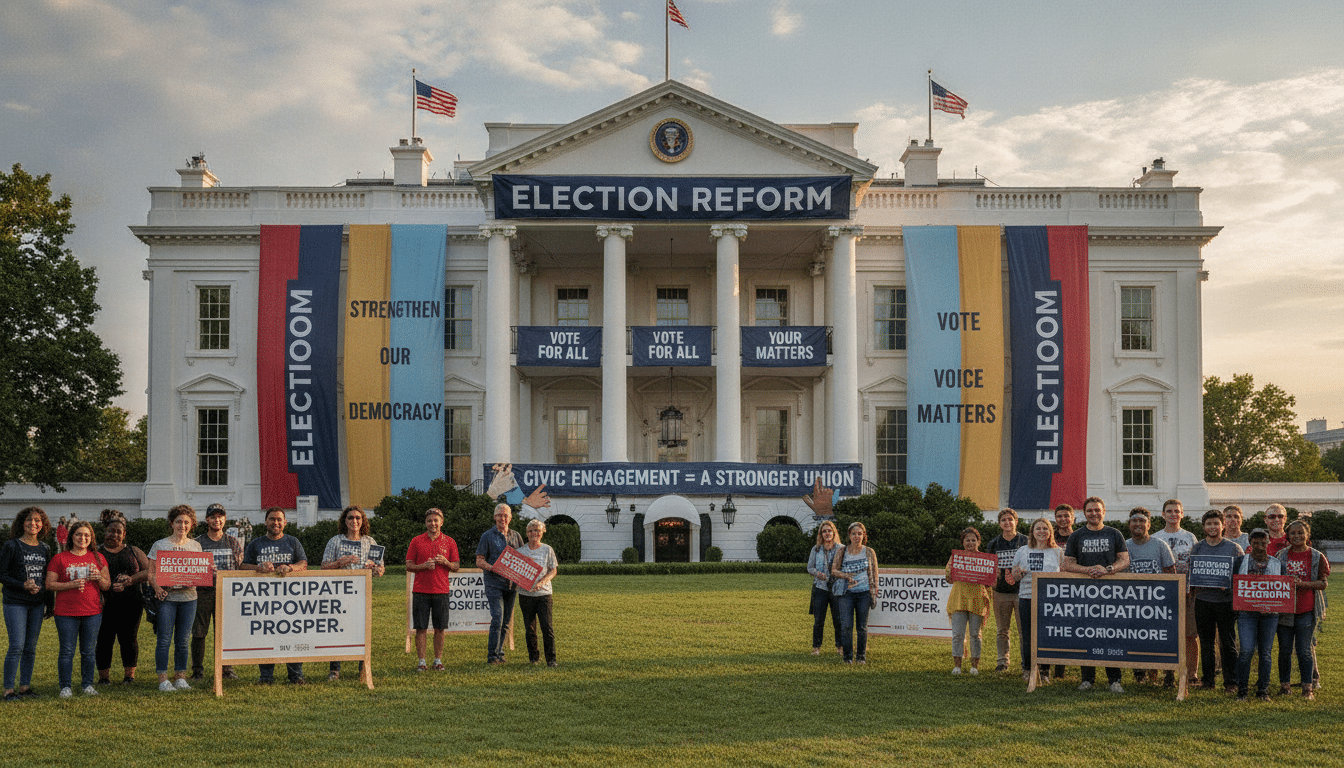
The politics are very tense. Several states have passed laws to limit federal election involvement. This means conflicts can hit a governor’s desk and a courthouse at the same time. Even small changes can seem like a big power fight.
- State officials may argue that election control is a core state power, not a grant condition.
- Federal officials may frame the update to voting rules as a security and integrity measure.
- Local administrators often end up managing the public confusion and the deadlines.
Then there’s the cost. Upgrading election equipment to meet new standards could cost $2.7 billion nationwide. In Georgia, after lawmakers required hand-marked paper ballots, the cost was estimated at $66 million. This shows that changing election rules can be very expensive for counties.
Funding can also be tricky. Homeland security grants are for terrorism prevention, not voting rules. States can request additional support, but the gap between what they receive and what they need can cause problems.
For those interested in how laws shape big changes, think of debates over judicial change. Process, votes, and constitutional limits are as important as the policy goal. The same is true for electoral reform, where timelines and court calendars play a big role.
New State election changes: Conclusion
CNN reports that homeland security grants might be tied to big changes in state elections. States that do not follow these changes could see a 20% cut in funding. This affects how votes are cast, counted, and checked.
The plan calls for states to use hand-marked paper ballots and to enforce strict rules for election workers. It also suggests using the Department of Homeland Security’s SAVE system for voter-roll reviews. Plus, it proposes manual audits based on Trump administration methods.
Another key point is requiring poll workers to prove their citizenship through a government-approved system. This could change how counties hire and train election staff.
These changes come at a time when public health and voting participation are key issues. Studies show that flexible voting rules can lead to higher turnout and fewer COVID-19 cases after elections. This is detailed in a peer-reviewed COVID-19 voting study.
The draft guidelines are set to reach states by the end of the month. States might have to make quick decisions. If they don’t agree, there could be court battles and urgent budget choices for local election boards.
The debate over these changes will be closely watched. It will include discussions of voter sentiment, as reflected in current poll results.