The U.S. engaged with Iranian Forces in Hormuz today as this never-ending war continues
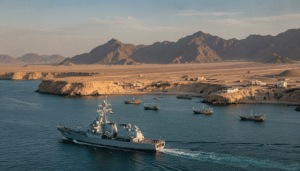
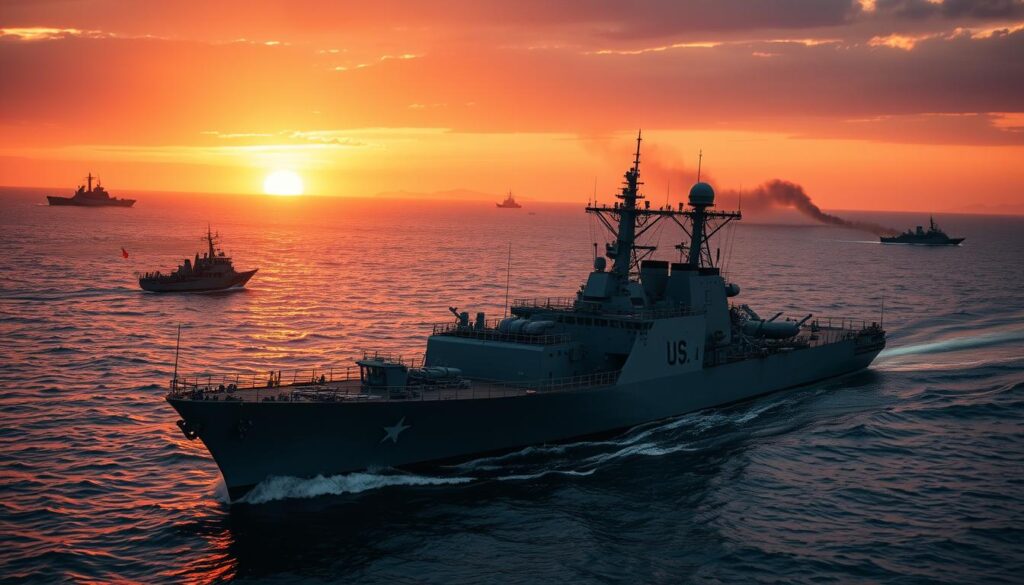
In the ongoing Iran War, U.S. ships are actively engaged with Iranian forces in the strategically vital Hormuz Strait, amplifying regional tensions.

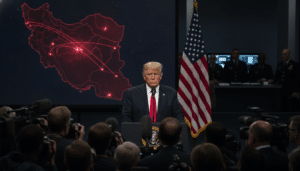
New strikes early Wednesday show the Iran War is pulling the U.S. deeper into conflict. U.S. Central Command said the action was to punish Iran for targeting commercial ships in an international waterway.
Voting Reform Advances in the United States Today
Just hours before, three merchant ships were hit in the Strait of Hormuz. This raised fears of more instability and threatened a deal to calm the fighting and keep shipping lanes open.
In a statement, U.S. Central Command called Iran’s actions “unwarranted, dangerous, and a clear violation of the ceasefire.” This shows the U.S. involvement is now about protecting civilians and trade routes, as well as deterring attacks.
This exchange follows a familiar pattern. A similar burst of maritime attacks and U.S. retaliation flared late last month. This reinforces the sense of a grinding cycle with no clear end.
Top air conditioning tips to save energy and stay cool
Diplomacy seems paused amid Iran’s leadership transition after Ayatollah Ali Khamenei’s death. Iranian state media said his body was flown to Qom for ceremonies near the Jamkaran Mosque. Processions are planned in Najaf and Karbala in Iraq, and a burial is set for Thursday at the Imam Reza shrine in Mashhad.
Iranian state TV reported ceremonies began Saturday in Tehran. Ayatollah Mojtaba Khamenei, Iran’s new Supreme Leader, has not appeared publicly. He is believed to be in hiding after reports that he was wounded in the strike that killed his father. This adds uncertainty to talks on reopening the Strait, rolling back Tehran’s disputed nuclear program, and ending the Iran War launched Feb. 28.
Key Notes
- U.S. strikes followed merchant ship hits in the Strait of Hormuz, deepening the United States’ involvement.
- U.S. Central Command said the goal was to punish attacks on commercial crews in an international waterway.
- The latest military intervention echoes a similar late-month cycle of attacks and retaliation.
- The escalation heightens the risks to shipping security and global trade posed by the Middle East conflict.
- Funeral events for Ayatollah Ali Khamenei are shaping the timing of diplomacy.
- Ayatollah Mojtaba Khamenei’s low profile adds to regional instability and uncertainty in negotiations.
Latest escalation in the Strait of Hormuz and Middle East conflict
The recent surge in attacks at sea shows how quickly war can disrupt trade. Three merchant ships were hit in the Strait of Hormuz, the most in a day in late April, the U.N. said. This narrow channel is key for global trade, and even a few attacks can cause big problems.
Energy market risks grew as sailors wondered whether to keep moving or wait. Normally, about a fifth of all traded oil and gas goes through this route. Delays here can affect everything from fuel prices to grocery costs. For more on these disruptions, many have looked at the 2026 Strait of Hormuz crisis.
U.S. military strikes after merchant ships are hit near Oman and the UAE
UKMTO and a U.K. agency said the attacks were near Oman or the UAE. The ships were using a route closer to Oman, making them a target. This route has been watched closely during the conflict.
The U.S. saw these attacks as a ceasefire violation and responded with military action. Many were trying to get shipping back to normal, but these attacks threatened to block traffic again. This raised tensions even more.
Why commercial shipping attacks raise global security and energy market risks
Commercial ships are more than just cargo. They are key links in a supply chain. When they are attacked, it raises concerns about global security and energy markets. Markets react quickly to uncertainty, affecting fuel prices.
Kpler said at least 108 ships passed through the strait last weekend. This shows the demand to keep trade flowing, even with war risks. Each crossing is a gamble.
- Higher war-risk premiums can price smaller operators out of the route.
- Longer detours tighten tanker availability and lift delivered fuel costs.
- Unclear attribution keeps geopolitical tensions elevated and decision-making slower.
Ceasefire pressure points and renewed exchanges of fire
The attacks happened at a sensitive time, with ceasefire talks struggling. Each attack made the conflict seem to be spreading, putting pressure on those who rely on Gulf energy.
Washington’s actions were influenced by scenarios of a wider conflict. This includes how it would affect U.S. forces and logistics, as seen in this overview of a war with Iran. The risk is that sea incidents could lead to more military actions, testing global security.
On-the-water details: tanker fire, reported projectiles, and drone strike
UKMTO said a liquefied natural gas tanker off Oman caught fire after being hit. A tanker carrying liquefied natural gas was struck by a projectile in its left engine room, causing a fire. Qatar identified the vessel as Al Rekayyat.
Majed Al-Ansari, Qatar’s Foreign Ministry spokesperson, called it an “unacceptable attack” on international navigation and energy security. He said Qatar holds Iran “fully legally responsible,” increasing tensions related to the Iran war.
A U.K. agency also reported another oil tanker was hit on its left side as it left the strait near the Omani-Emirati border. The same agency said a third tanker was hit by a drone off Oman. The other two ships had damage but no injuries, and both continued their journey.
Routing disputes added to the tension. Tehran says only its approved route through the strait is safe. The Joint Maritime Information Center, overseen by the U.S. Navy, told shippers the route around Oman “has been expanded and remains available for all traffic,” as operators balanced energy market risks against the need to keep supplies moving.
- Ships going north on the Iranian route must register with Tehran.
- Ships going south coordinate with Oman and the United States.
Iran War developments shaping U.S. foreign policy and military intervention
New attacks at sea are quickly changing U.S. decisions. Each attack adds pressure to balance goals with military action. The U.S. involvement is closely watched.
Interim deal under strain: U.S. revokes the Iranian oil sales license after attacks
Hours after three tankers were hit, the U.S. took a big step. They revoked a license for selling Iranian oil. A U.S. official said Iran’s actions were unacceptable and needed consequences.
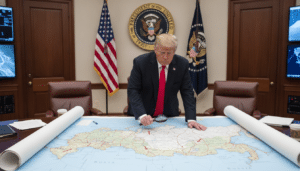
The license allowed oil sales until Aug. 21. This move tightened U.S. involvement in the crisis. Military leaders were considering what to do next.
Iran’s response: claims the revocation and new strikes violate the interim agreement
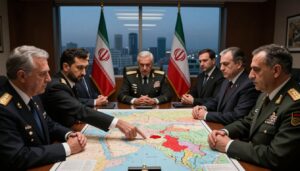
Iran’s Foreign Ministry called the revocation a breach of the deal. They said, “The U.S. government bears responsibility for the consequences of this breach of commitment.” Iran’s deputy foreign minister, Kazem Gharibabadi, also said that new U.S. attacks violate the agreement.
Both sides disagree on a key point: a 60-day deal for ships to pass without charges. Iran wants to control routes and charge fees, which the U.S. and Gulf Arab states oppose.
Nuclear proliferation concerns and the push to roll back Tehran’s disputed program
Renewed fighting makes talks harder. It complicates efforts to reopen the strait and roll back Tehran’s nuclear program. Nuclear proliferation is a big concern, along with sanctions and inspections.
When the license was issued, U.S. Vice President JD Vance was hopeful. He said talks with Iranian officials in Switzerland were promising. Readers often consult foreign policy briefings to understand shifts.
Regional instability and geopolitical tensions following late-April-style escalations
U.S. sanctions on Iranian oil have been in place for decades. They shape today’s foreign policy decisions. After the war began, the U.S. allowed temporary sales of Iranian oil as an incentive.
There’s a pattern: Iranian attacks and U.S. retaliation happened before. The latest incidents are the most severe in months. These events deepen tensions, complicate commercial planning, and tie U.S. involvement to quick military decisions.
- Repeated ship attacks raise pressure on patrols and escorts, even as diplomats push to stabilize passage rules.
- Disputes over routing authority and future fees fuel regional mistrust and the risk of escalation.
- Nuclear proliferation worries remain woven into every proposal for de-escalation.
Iran War: Conclusion
The Iran War is ongoing, and recent events show how quickly things can escalate. Commercial ships were hit near Oman and the UAE, leading to U.S. strikes. This has put the Middle East conflict on high alert.
These actions also risk an interim ceasefire effort. Officials are working hard to ensure safe passage through the Strait of Hormuz.
Hormuz is a key spot for global security because of the energy trade that passes through it. A tanker fire or reports of projectiles can cause major concerns within hours. Such incidents can affect fuel prices and increase regional instability.
Washington is using both military force and foreign policy steps. They have decided to revoke the Iranian oil sales license. Tehran sees this as a breach of the interim deal, adding to the tension.
For those following the situation, new threats and warnings about the base show how quickly things can change from words to actions.
The near future looks uncertain, with no clear end in sight. Disputes over shipping routes, renewed fighting, and diplomatic delays are all slowing things down. Until things calm down, the Iran War will continue to test global security and shape U.S. foreign policy.