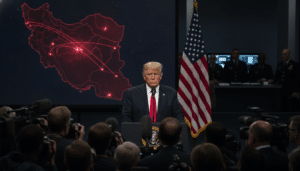
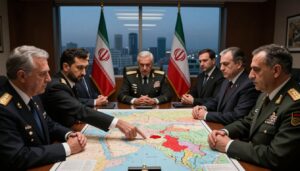
Russia Claims U.S. Supported Recent Ukraine Attacks
Russia Claims U.S supported recent Ukraine Attacks, as officials debate the allegations and their impact on international security and diplomatic efforts.
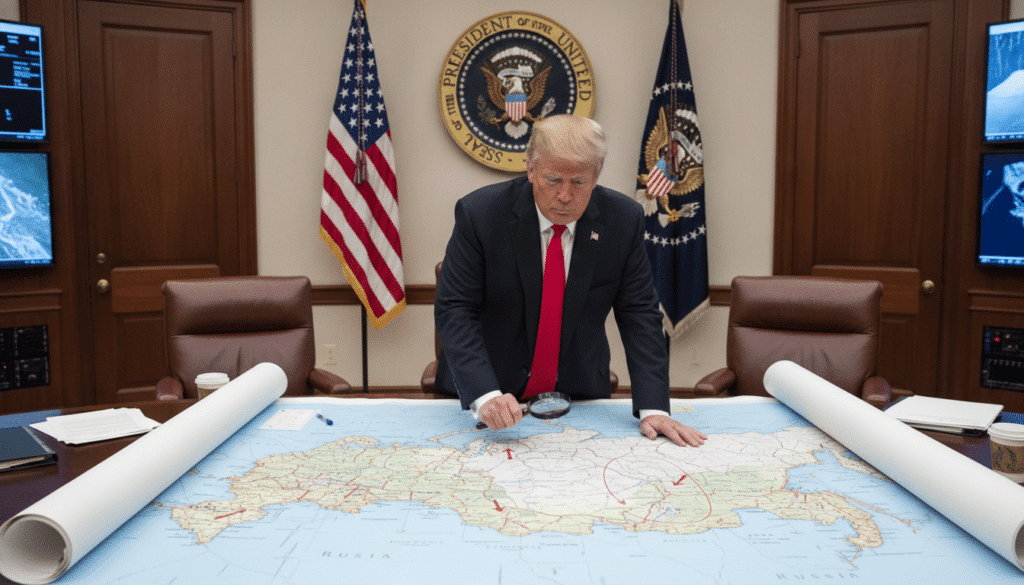
Russia Claims U.S. Supported Recent Ukraine Attacks: In a Reuters report from Moscow on August 14, Russian Foreign Minister Sergei Lavrov made a claim. He said Russia believes the United States is involved in Ukrainian attacks on Russian territory. However, no evidence has been presented to prove this claim.
Lavrov stated that Moscow has formally expressed its concerns to Washington. This move puts more pressure on already tense diplomatic relations. It could also impact military aid, security plans, and future talks on the war.
For U.S. readers following long-range missile warnings, these claims add to a bigger dispute. Russia and the U.S. have different views on supporting Ukraine. Ukraine is also entitled to defend itself, as it has stated.
This news story now focuses on how this dispute might affect U.S.-Russia relations. It raises questions about whether it will make talks harder or weaken their contacts.
Key Takeaways
- Lavrov said Russia believes the United States is involved in attacks inside Russia.
- The Russian allegation has not been independently verified.
- Moscow said it raised the matter directly with Washington.
- The dispute could deepen tensions over military support for Ukraine.
- Claims of direct involvement may further complicate peace efforts.
Russia Claims U.S. Supported Recent Ukraine Attacks
Russian officials say the U.S. was involved in Ukraine attacks. This puts more pressure on diplomatic talks. Washington and Moscow disagree on the war and on regional security.
Lavrov Says Moscow Raised Questions With State Department
Foreign Minister Sergey Lavrov spoke on Russian TV. He said Russia asked the U.S. State Department about its claims. They wanted an official answer.
Lavrov mentioned intelligence data Russia believes came from the U.S. He also asked about the U.S. role in planning and executing strikes.
Russia Alleges Intelligence Support for Strikes
Lavrov said the U.S. was far more deeply involved in attacks in Russia than admitted. He claimed these attacks hit civilian targets. But Russia didn’t share evidence to back up its claims.
This incident adds to the debate on Ukraine’s long-range strikes and Western military aid. It also shows the big stakes of U.S. policy in Eastern Europe.
No Immediate Response Reported From U.S. Side
No public statement from the U.S. was available after Lavrov’s comments. The issue remains unresolved publicly. Tensions between Russia and the U.S. over the war, arms, and security continue to escalate.
There’s also debate in Washington about using U.S. weapons in Ukraine. This issue has raised concerns.
Russia-U.S. Relations and Allegations of U.S. Involvement in Ukraine Attacks
Russia-U.S. relations have gotten worse with the war. Moscow sees Western aid to Ukraine as direct involvement. The U.S. and its allies say their support helps Ukraine defend against Russia’s invasion.
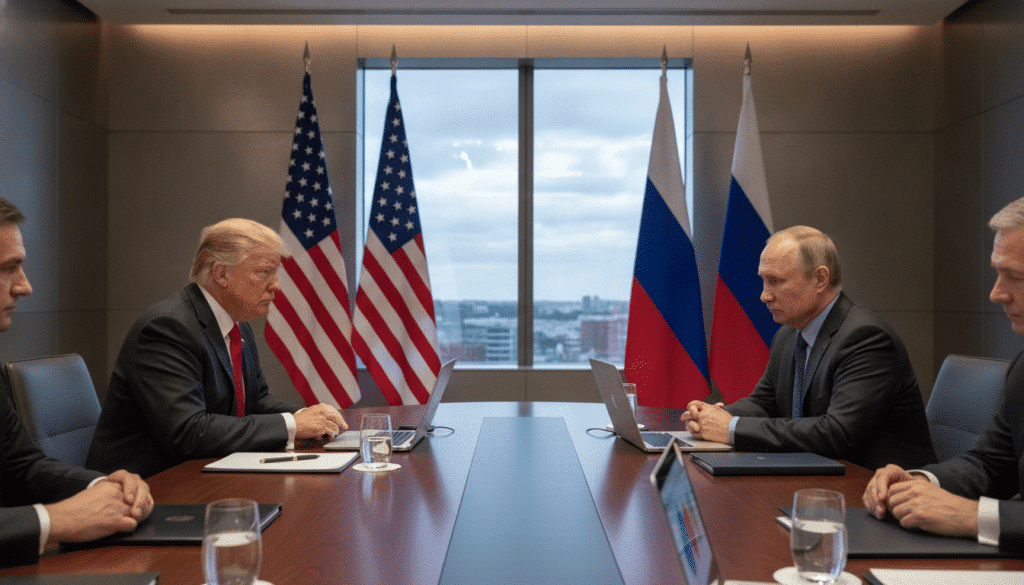
Foreign Minister Sergey Lavrov made claims about U.S. intelligence support and help for strikes inside Russia. These claims remain unproven, and the U.S. has not responded immediately.
The limits on U.S weapons use near Russia add to the tension. The conflict is raising security concerns in Eastern Europe. International relations news is closely watching decisions about military aid.
Ukraine Conflict Update: Peace Talks, Western Military Supplies, and Political Tensions in Eastern Europe
This Ukraine conflict update shows a tense time for diplomacy and defense. Peace efforts are uncertain as military pressure grows across the region.
Diplomatic efforts remain stalled after talks halted in February.
Reuters reported that no Ukraine peace talks have taken place in months. U.S. mediation between Moscow and Kyiv stopped due to the U.S. war with Iran.
The pause has increased political tensions in Eastern Europe. Officials are worried about the war’s security risks. A Ukraine peace framework is waiting for clear terms and reliable enforcement.
Lavrov cites Putin’s past discussion of U.S. peace proposals with President Trump.
Foreign Minister Sergey Lavrov said Vladimir Putin discussed U.S. peace proposals with President Donald Trump. Putin accepted the proposals but noted some issues needed compromise.
Secretary of State Marco Rubio said they did not reach an agreement. He believes if a deal existed, the war would have ended.
Lavrov also said Putin was open to receiving Trump’s envoys. The main question was what proposals they would bring, a key test for U.S. foreign policy in Eastern Europe.
Moscow signals tougher action against Western equipment supplied to Ukraine.
Lavrov warned that Russia would intensify efforts to destroy Western weapons and supplies sent to Ukraine. He said Moscow would use “much tougher” methods against what it calls support for Kyiv’s war machine.
This threat makes battlefield needs and diplomacy equally important. The geopolitical impact of the Russia-Ukraine conflict depends on how allies manage weapons deliveries, deterrence, and ceasefire talks.
Ukraine continues to receive allied aid while facing shortages of missile interceptors.
In the fifth year of the war, Ukraine continues to receive military aid from Western partners. Yet, its forces face chronic shortages in key systems, like missile interceptors used against Russian missile attacks.
Air-defense gaps increase the risk. Stalled talks, Russian warnings, and allied deliveries shape security decisions across Eastern Europe.
Russia Claims U.S. Supported Recent Ukraine Attacks: Conclusion
Russia says the U.S. backed recent Ukraine attacks. This puts a spotlight on Washington’s role in strikes within Russian territory. Foreign Minister Sergey Lavrov asked the U.S. State Department for answers about alleged support.
The U.S. gave no immediate response.
Russia sees the Ukraine crisis through the lens of security, military pressure, and stalled talks. Western aid keeps flowing to Ukraine, but Moscow threatens to target foreign-supplied equipment. Ukraine is also facing a shortage of missile-defense interceptors.
The claims of U.S. involvement in Ukraine attacks could strain relations between Moscow and Washington. Reports on the Kursk Region attack show the human and economic costs of the conflict.
With peace talks stalled, public claims and unclear answers make a solution harder to find. The conflict impacts regional security, energy markets, and major transport routes across Europe and Asia.