Trump threatened Iran over ongoing war as tensions rise
Trump threatens Iran over ongoing war as tensions rise, raising fears of wider conflict and renewed military intervention, deepening the Middle East crisis.
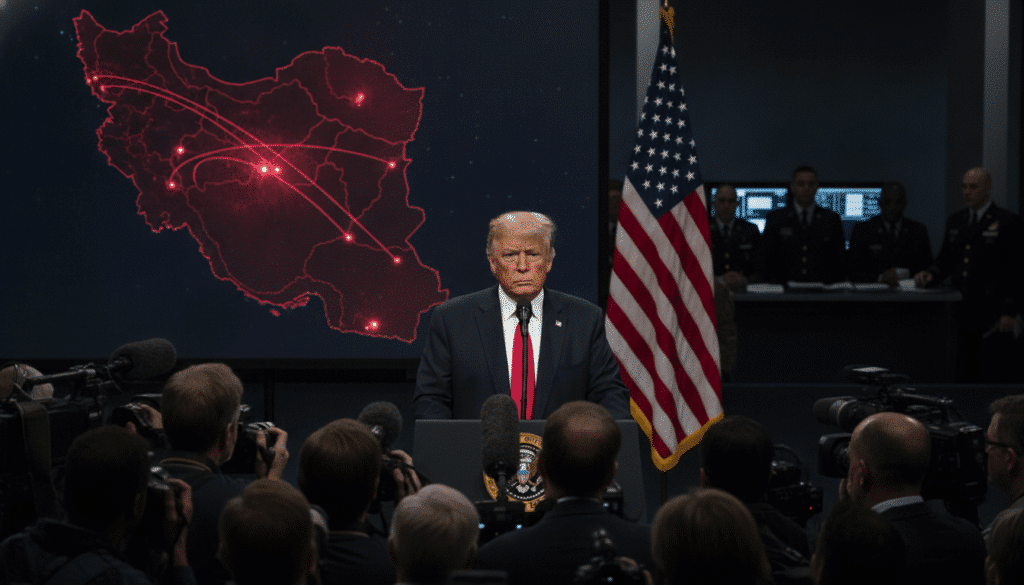
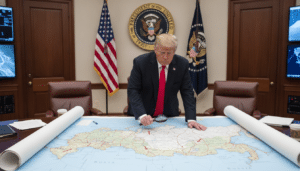
Trump threatened Iran over ongoing war: At the United Nations on September 22, President Donald Trump defended his approach to the conflict with Iran. As Trump threatened Iran, he said his administration had stopped Tehran from gaining a nuclear weapon.
Trump warned that the Islamic Republic could face severe action if leaders reject an agreement. The agreement would end the ongoing war. He described a choice between a deal that lets Iran rebuild and what he called its rapid destruction.
The remarks followed canceled Iran meetings amid rising unrest and military pressure. Trump said he expects a peace deal after the November 3 U.S. midterm elections.
As Trump threatens Iran, allies and rivals are watching for signs of direct talks. The ongoing war has raised fears of a wider regional clash. Meanwhile, Iran’s call for U.S. action adds to the diplomatic strain.
Key Takeaways
- Trump used his U.N. speech to defend his policy toward Iran.
- He said Tehran was blocked from obtaining a nuclear weapon.
- He warned of harsh action without an agreement.
- Trump framed diplomacy as an alternative to escalation.
- He predicted a peace agreement after the November 3 midterms.
- International concern is growing over a wider Middle East conflict.
Trump threatens Iran over ongoing war
President Donald Trump used his United Nations address to pressure Tehran. The United States faced rising political tension over the war. His 37-minute speech came before meetings with leaders from Britain, Ukraine, and Japan.
Trump’s UN General Assembly Warning to Tehran
Trump urged nations to isolate Iran through economic pressure and push for talks. He said shared sanctions could limit Tehran’s choices during the conflict.
His message followed reports of more threats and military exchanges, described in the latest Iran strike reports. Outside UN headquarters, demonstrators called for democracy in Iran and condemned its government.
The gathering showed political tension beyond the battlefield. For the United States, the dispute now involves military risks, oil supply concerns, and pressure from allies.
Peace Deal Expectations After the November Midterm Elections
Trump rejected claims that the November midterm elections would change his approach. He said he would remain in office for another two and a half years. He would not let campaign politics guide security decisions.
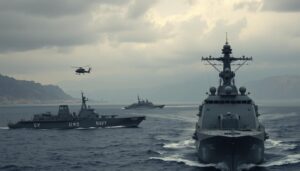
That stance drew attention as Iran targets U.S. bases across the region. The United States must balance its military response with calls for talks.
Trump warned strikes could return if Iran continues uranium enrichment, as outlined in his warning on future action. With political tension still high, expectations for a peace deal remain tied to events in Washington and Tehran.
United States diplomacy and international relations during the Middle East crisis
Diplomacy stayed active as the Middle East crisis brought leaders and envoys to the United Nations. Trump said U.S. officials held a “very good” three-hour meeting on September 22. Regional pressure continued to shape international relations.
Reported Talks Involving Iranian Mediators
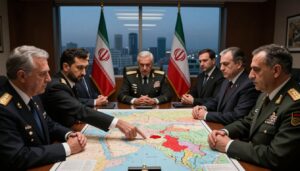
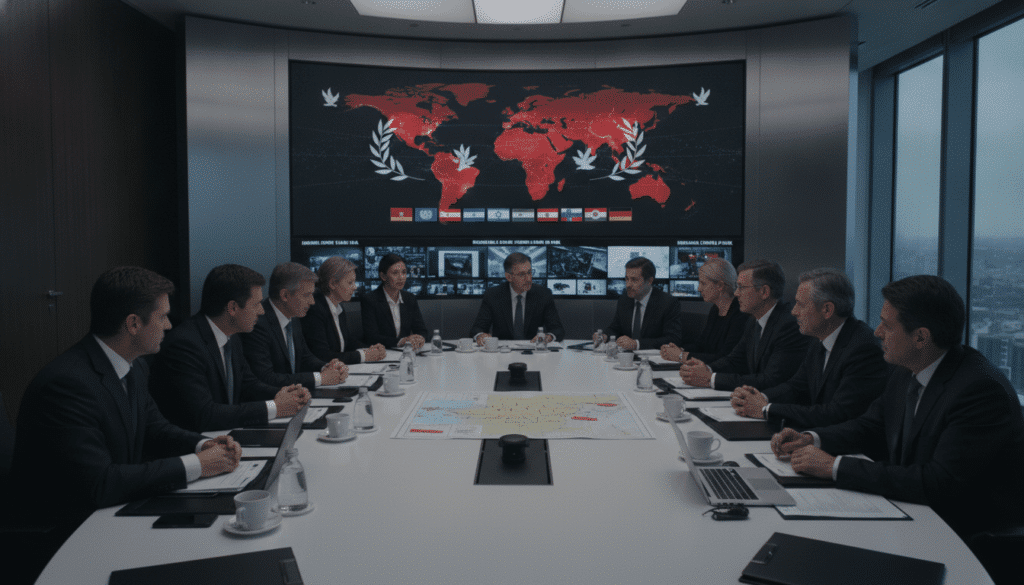
Trump later said Steve Witkoff and Jared Kushner met Iranian mediators, not Iranian officials directly. The talks created a communication channel as both sides weighed the risks of further conflict.
Iranian officials also turned to partners such as Qatar and Pakistan to carry messages. Coverage of the U.S.-Iran conflict has focused on whether these contacts can lower tensions over nuclear policy and regional security.
Global Reaction and Concerns Over Military Intervention
The Middle East crisis raised serious questions about military action and civilian safety. A United Nations fact-finding mission found reasonable grounds to believe U.S. forces committed war crimes. One strike hit a primary school in Minab.
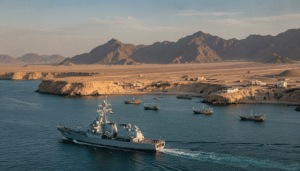
European officials pressed for open sea routes through the Strait of Hormuz and Bab al-Mandeb. Their calls reflected fears that fighting could disrupt trade, raise oil costs, and strain international relations beyond the region.
Saudi Arabia, the United Kingdom, Turkey, and Pakistan remained part of a wider security debate. Their talks covered defense support, Yemen, and the need to protect commercial shipping near key waterways.
Trump’s Wider Foreign-Policy Message at the United Nations
Trump said the war had removed the danger of a nuclear-armed adversary. He said U.S. action in Venezuela showed threats to America could not gain a foothold in the Western Hemisphere.
At the United Nations, he renewed criticism of its bureaucracy and the International Criminal Court. He said U.S. military personnel would not face the court’s authority, heightening tensions in international relations.
Trump was scheduled to meet more than a dozen leaders as wars in Ukraine and the Middle East continued. His discussion with Volodymyr Zelenskiy addressed a possible end to Russia’s war. Meetings involving Japan and China showed how the Middle East crisis fit a wider global security picture.
For a broader regional view, reports on rising tensions between Israel and Iran have tracked concern over escalation.
Trump Threatened Iran: Conclusion
Trump framed economic pressure, mediated contacts, and a possible post-election deal as paths toward conflict resolution with Iran. Yet he kept military intervention in view, leaving allies and rivals unsure what comes next.
His United Nations message placed the Iran war within a wider agenda. He linked it to U.S. policy on Venezuela, Ukraine, Cuba, global institutions, and influence in the Western Hemisphere.
The outcome may depend on whether private talks reduce risk before public threats harden positions. The debate over Trump’s war powers also shows Congress closely watching military intervention.
For now, conflict resolution remains uncertain. Diplomacy could still create room for a deal, but each warning raises the cost of failure for the United States, Iran, and the region.