
Global Measles Outbreak Tops 11 Million Cases
Stay informed on the Global Measles Outbreak surpassing 11 million cases. Learn prevention strategies and the latest updates on this health crisis.
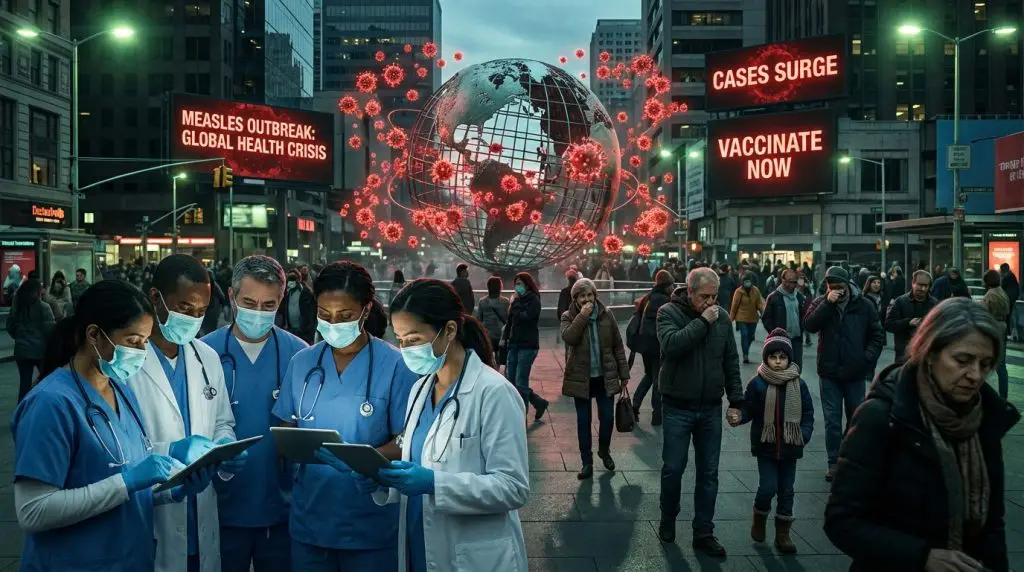
The Global Measles Outbreak has reached 11 million cases, underscoring how quickly measles can spread. The World Health Organization says measles deaths fell by 88% from 2000 to 2024. This saved nearly 59 million lives thanks to vaccines. Yet, 95,000 people, mostly kids under 5, died in 2024, showing we can do better.
See more information on the outbreak here in the WHO article on the Measles Outbreak. And the CDC posts on the Measles.
Measles spreads through the air and on surfaces, making quick action key. Most people get better in about 10 days without lasting issues. But young kids and those with weak immune systems face serious risks. A safe vaccine can stop measles and reduce cases worldwide if everyone gets vaccinated. Other health-related news.
In the United States, measles has been rare for over 20 years thanks to vaccines. Current outbreaks often start with travel and spread in unvaccinated groups. Following public health advice, trusting verified info, and sticking to rules are critical. Small mistakes can lead to outbreaks, just as missed travel windows or trust issues in other areas can.
This report will follow measles statistics, share prevention tips, and link global trends to local risks. It will also explain how to manage symptoms to prevent complications and why staying up to date with vaccinations is key to protecting families and communities.
Global Measles Outbreak Tops 11 Million Cases: Key Takeaways
- The Global Measles Outbreak has surpassed 11 million cases, with measles cases worldwide continuing to rise in under‑vaccinated areas.
- WHO reports an 88% drop in measles deaths from 2000 to 2024, with nearly 59 million lives saved by vaccination.
- Despite progress, about 95,000 people died in 2024, primarily young children, highlighting the need for rapid prevention.
- Measles spreads easily through the air and on surfaces; most people recover in about 10 days, but complications can be severe.
- In the United States, outbreaks are often imported and cluster among the unvaccinated.
- Staying current on vaccines and following public‑health guidance are the best tools to prevent infection and protect communities.
What to Know Now: Measles Symptoms, Risks, and Treatment
In the United States, families are closely watching the global measles outbreak. This guide offers simple facts on measles symptoms and treatment. It also discusses how the illness spreads and the warning signs to look out for.
Measles basics: what rubeola is and how it spreads through air and surfaces
Rubeola is a very contagious virus. It spreads through tiny droplets when someone breathes, talks, or coughs. These droplets can remain in the air and on surfaces, allowing them to spread quickly in places like planes and buses.
To reduce spread, it’s essential to get fresh air, wash hands often, and stay home when sick. Vaccination is key in stopping measles from spreading across schools, workplaces, and state lines.
Typical course: recovery timeline of about 10 days and common symptoms
Most people get better in about 10 days. Early signs include fever, cough, runny nose, and red, watery eyes. A rash often starts on the face and spreads down.
While it can be uncomfortable, rest and supportive care usually help. Knowing the symptoms and treatment helps families know when to see a doctor.
Serious complications: why young children and people with weakened immunity face a higher risk
Young children under five and people with weakened immune systems are at higher risk. They can face serious complications like ear infections, pneumonia, dehydration, and encephalitis.
Because of this, it’s essential to get them vaccinated quickly. Schools and caregivers need to act fast if there’s a suspected case.
Care approach: managing symptoms and preventing complications
There’s no cure for measles, but care focuses on hydration, fever control, and watching for complications. Doctors may check for bacterial infections and treat them.
Households can help by following isolation rules, notifying contacts, and attending follow-up visits. These actions, along with good treatment advice, protect vulnerable people and reduce complications.
Global Measles Outbreak
They are watching a global measles outbreak grow as routine childhood immunization lags and travel rebounds. Health desks track measles outbreak updates to map clusters that cross borders and seed new chains. Patterns echo the 2019 measles epidemic, when gaps in coverage allowed case counts to surge across continents.
Today’s totals reflect sustained transmission in regions with interrupted services and uneven catch-up work. Measles cases worldwide rise when time-bound controls slip: isolation windows, contact tracing intervals, and post-exposure prophylaxis deadlines. Missed steps turn a single exposure into many.
Travel dynamics shape speed and scale. Tight schedules, such as fixed departure hours in busy ports like Costa Maya, Mexico, demonstrate how timing rules prevent cascading effects. Public-health teams use similar clocks to close exposure gaps and keep measles outbreak updates precise and actionable.
Information quality matters. When vaccine myths spread, communities see pockets of low immunity. These clusters can ignite local flare-ups that feed into the global measles outbreak. Clear guidance from the CDC and the World Health Organization helps align eligibility, dosing, and follow-up.
Surveillance must look beyond obvious hot spots. Broad datasets, not only school reports or single-country logs, capture hidden links. The lesson from considerable, multi-center research in other fields applies here too: broader sampling can overturn assumptions and sharpen risk maps for measles cases worldwide.
With case counts surpassing 11 million, the arc of transmission follows areas with thin coverage and high movement. The reference point remains the measles epidemic 2of 019, a reminder of how fast trends can tilt. Frequent, transparent updates on measles outbreaks keep planners and families alert to changing conditions.
Prevention and Vaccination: Strategies to Curb Measles Cases Worldwide
They face a clear choice: raise immunity or risk avoidable spread. Strong coverage and smart planning keep communities open, schools steady, and travel safer, even as measles cases worldwide continue to rise.
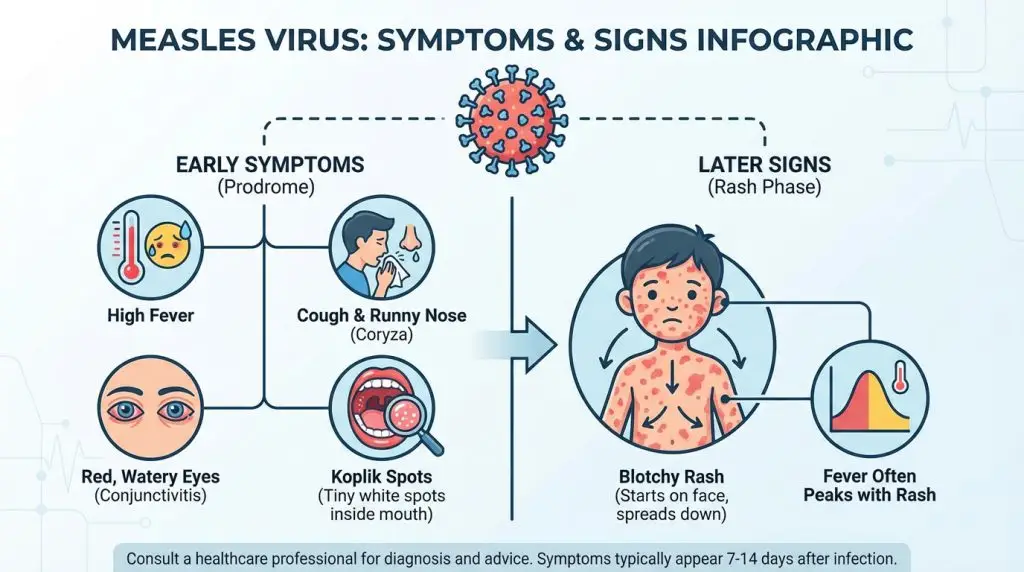
Measles vaccination information: how the vaccine prevents infection
The MMR vaccine trains the immune system to block the virus at the door. With on-time doses, it prevents infection and onward transmission, turning short exposures into dead ends.
High coverage acts like a firebreak. This core measles vaccination information explains why doctors advise routine shots for children and an extra dose for travelers heading to outbreak zones.
Measles immunization campaigns: boosting coverage to stop transmission
Catch-up drives close gaps that fuel surges. Data-driven measles immunization campaigns focus on neighborhoods with missed doses and make clinics convenient with extended hours and early scheduling.
Teams that plan outreach before school or travel deadlines reduce last-minute rush and hesitancy. When campaigns stay inclusive and timely, chains of spread can’t take hold.
Measles prevention strategies at home, school, and during travel
Simple steps work. Verify vaccine records, improve airflow, clean high-touch surfaces, and stay home when sick. These measles prevention strategies protect infants and people with weakened immunity.
Before trips, confirm immunity, review local health advisories, and set reminders for exposure timelines. Reliable alerts keep travelers in sync with guidance and cut the chance of bringing infection home.
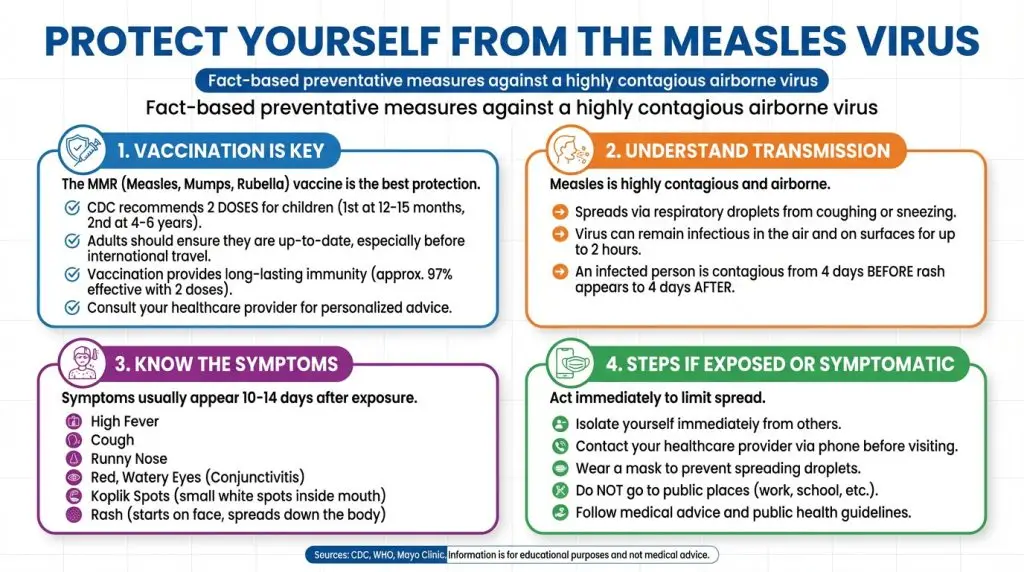
United States context: why cases are often imported, and outbreaks occur among the unvaccinated
In the United States, most introductions start abroad, then spread in under-immunized clusters. Schools, places of worship, and events see a rapid spread when vaccination lags.
Rapid diagnosis, contact tracing, and post-exposure protection are vital. Consistent reporting clarifies patterns in measles cases worldwide and helps local teams target the right blocks at the right time.
Global Measles Outbreak Tops 11 Million Cases Conclusion
The global measles outbreak has seen over 11 million cases. This shows how quickly a virus can spread when people aren’t vaccinated. Measles is preventable, and most people get better in about 10 days.
But, kids under five and those with weak immune systems are at higher risk. Getting vaccinated on time and managing symptoms are key. Keeping up with measles updates helps families act quickly.
In the U.S., strong vaccination efforts help control the virus. But cases brought in from abroad can start outbreaks among the unvaccinated. It’s important to check vaccination records, watch for rash and fever, and follow CDC and local health advice.
Simple steps at home, school, and while traveling can help prevent measles. These steps protect those most at risk.
Knowing the signs of measles and how to treat it is important. Rest, fluids, and fever control are key. If symptoms worsen, seek medical help right away.
Public health works best when it’s data-driven. Intense surveillance, quick response, and targeted vaccination are essential. These efforts slow the virus and keep communities safe.
Staying informed about measles outbreaks and using prevention strategies is key. Checking vaccination status, avoiding contact when sick, and supporting clinics can help worldwide. The way forward is clear: keep up with vaccinations, recognize symptoms early, and work together globally.


