Gardening Tips: Grow a Beautiful and Bountiful Garden
Discover essential Gardening tips to cultivate a thriving, picturesque garden. Your guide to planting, botanical care, and landscape artistry.
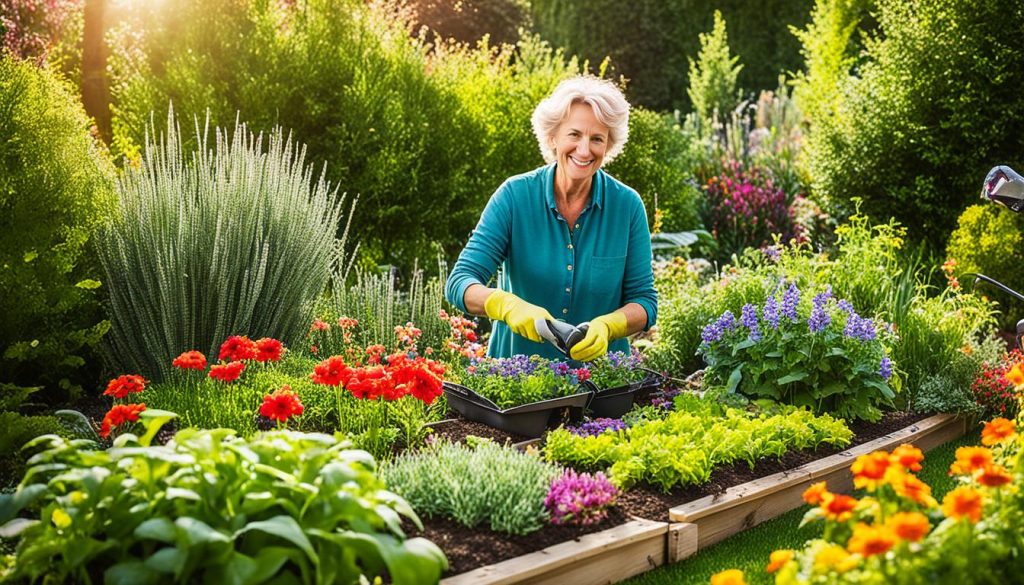
Gardening Tips: Grow a Beautiful and Bountiful Garden
Gardening Tips: Grow a Beautiful and Bountiful Garden: Gardening brings both beauty and useful food into your life, making it a great hobby for everyone. Over the past 18 months, we’ve seen a 15% jump in the number of people buying flower seeds. This shows more people are into gardening, especially for flowers. Also, spending on food gardens has gone up by 20%, highlighting a trend of growing veggies during tough times. Gardening tip for beginners: Tips and Tricks to Get Started
Interest in gardening has actually followed a history of peaks and lows, according to Ed Hume from Hume Seeds. He points out that America catches up with gardening trends in Europe about 5 years later. This change has brought back the love for cutting gardens. They offer beautiful flowers to cut and also attract bees and butterflies.
To start, making a garden full of rich plants requires learning some basic gardening skills. You might start with food, or just to make your place look better. Either way, the gardening journey brings happiness through lovely blooms and possibly even food. Also see The secrets to growing a successful garden.
Gardening Tips Key Takeaways
- Flower seed sales have increased by 15% in the past 18 months.
- Vegetable gardening has seen a 20% rise in expenditures.
- Gardening trends in the USA often follow European practices with a five-year delay.
- Planting a variety of flowers attracts pollinators and benefits the ecosystem.
- The renewed interest in cutting gardens offers both aesthetic and practical rewards.
Choosing the Right Location for Your Garden
Your garden’s success depends a lot on where you put it. The best spot uses both beauty and practical needs. We will discuss how to find the perfect garden spot.
Importance of Sunlight
Vegetable gardens usually need 8 hours of sun a day. Sunlight is key for plants to make food, which helps them grow well. Different veggies need various amounts of sun. For example, leafy greens are fine with just 4-6 hours of exposure. But root veggies need more, about 6-8 hours. Knowing this can help you choose the right plants for your garden’s light conditions. For more help on picking the best spot for your garden, check out this detailed guide.
Avoiding Shaded Areas
Too much shade can hurt your plants. Big trees and buildings can block sunlight. This stops plants from getting enough light, moisture, and nutrients. A sunny, south-facing spot is usually best. It gives plants lots of sunlight all day. To learn more about avoiding shaded areas, check out this informative article.
Proximity to Water Sources
Having water nearby is also important. Plants do best with a regular inch of water each week. So, it helps to place your garden close to a water source. This makes watering easier. It’s also key to think about how water flows. You don’t want your soil to get too wet. Good drainage is vital. For tips on choosing plants that require specific water conditions, check out this guide to plant selection.
Getting enough sun and easy access to water are crucial for a great garden. By picking the right spot, you bring together beauty and practical needs. This leads to a garden that not only thrives but also looks beautiful.
Planning Your Garden Layout
Good garden planning helps you understand what looks good and what you need. You might choose flowers for their colors or veggies for cooking. Your decisions will make your garden both useful and pretty.
Designing with Personal Preferences
Your own tastes are key in garden design. Decide what colors and shapes you like best. Do you enjoy a messy, natural look or something neater and more formal? Think about how you’ll use the garden, like for quiet spots, fun, or flowers. Considering these things will help create a garden that’s both useful and beautiful.
Documenting Seasonal Changes
Tracking seasonal changes is vital for a garden that’s pretty all year round. Keep a record of how your garden looks in each season. This will help you keep a floral display going year-round. Figure out which plants do best in spring, summer, fall, and winter. Then plan when to plant them. This way, your garden will look good and suit your cooking or playing needs.
| Season | Recommended Plants | Garden Planning Tips |
|---|---|---|
| Spring | Tulips, Daffodils, Lettuce | Focus on early bloomers and cool-season crops. |
| Summer | Roses, Zinnias, Tomatoes | Plant heat-tolerant varieties; ensure adequate watering. |
| Fall | Mums, Asters, Kale | Start cool-season crops and perennials. |
| Winter | Pansies, Hellebore, Spinach | Create frost protection; focus on hardy plants. |
By carefully tracking and matching seasonal changes, your garden can stay lively and useful all year.
Enhancing Soil Quality
More than 40 percent of the world’s farm soil is either degraded or very degraded. It’s key to improve soil quality for productive gardens and healthy plants. The best soil contains the right amount of water, air, mineral particles, and microorganisms.
The first step is a soil test to find what’s lacking. These tests often show low levels of essential nutrients such as calcium, potassium, and phosphorus. They also reveal if there’s lead or too little organic matter. Adding compost helps a lot. It improves soil for plants by enhancing its structure and composition.
Improving poor soil is a must. Using things like worm casting, alfalfa meal, and bone meal can really help. These add nutrients, such as nitrogen and phosphorus. They also play a part in building healthy soil by helping good microbes grow.
Keeping the soil healthy means doing certain things regularly. Mulch holds moisture and prevents weeds. No-till gardening is another great idea. It keeps the soil healthy for tiny, good-for-plants creatures. No-till gardening is good for the soil and the environment.
Rotating crops helps keep the soil rich and helps fight plant diseases and pests. Cover crops, such as legumes, improve soil by adding nutrients and enhancing its structure. It’s better to use old manure than fresh. Fresh manure can do more harm than good.
You can also add mineral stuff to boost soil health. Sand, lime, and clay minerals can improve soil for plants. Wood charcoal is great for very poor soil. Ground-up rocks add important trace minerals. It’s vital to keep the soil’s pH between 5.5 and 7.0 for plants to do well.
Using natural things and organic fertilizers is key to soil health. Avoiding harsh chemicals can help the soil and plants. For more on how certain plants can improve soil, check out plants that improve soil quality.
To sum up, good soil needs regular checks, the right changes, and caring methods. Adding compost and choosing organic fertilizers makes a world of difference. This way, your garden can be a perfect place for plants to grow strong.
Cultivating a Cutting Garden
Starting a cutting garden is a fun way to have fresh flowers all year. You just need a good plan to see different flowers each season. By mixing both annuals and perennials and taking care of the soil, your garden will bloom beautifully.
Favorite Flowers for Cutting Gardens
Choosing the best flowers for cutting is key to eye-catching, long-lasting bouquets. Annuals such as zinnias, dahlias, and cosmos are great because they bloom a lot and are easy to care for. Also, it’s good to plant perennials like purple coneflowers, hydrangeas, and lavender for a garden that keeps giving.
If you like tall flowers for your vase, consider roses, snapdragons, and lilies. These add elegance inside. Don’t forget sweet peas and peonies for their beautiful scents.
Organizing Your Cutting Garden
Organizing your garden smartly makes a big difference. Grouping plants that need the same light makes caring for them easier. For example, grow sunflowers and celosia together.
Good soil and keeping weeds away are very important. Start with organic fertilizers to help your plants grow strong. Leave enough space between plants so you can cut your flowers without hurting them. Adding plants like artemisia and coleus can make your bouquets even more special.
Plan a year-round garden full of flowers. Mix early bloomers, like amaranth, with mid-season choices, such as dahlias. Cutting flowers often makes them bloom more. This keeps your garden looking lively.
For help on creating your cutting garden, check this complete guide.
Making a cutting garden is rewarding. With careful selection and placement of plants, your garden will bring beauty and scents to enjoy both inside and outside.
Starting Seeds Indoors
Starting seeds indoors is a smart way to kick off your garden’s growing season. It also makes sure your plants are strong and healthy. Gardeners get to enjoy more weeks of growing thanks to this method.
Benefits of Indoor Seed Starting
Some vegetables need an early start indoors. This early start helps you get off to a strong start and grow well. It also means they will be big and ready for outside planting sooner.
Older seeds might not all sprout if you wait too long to plant them. Fresh seeds have a better chance of all growing. You can even keep some seeds for the next year if you store them right.
Getting the environment right is key to seed success. Warm soil is a must for seeds to sprout. But soil that’s too cold can harm seeds. And too much heat and dry soil can also hurt them.
Best Practices for Seed Starting
A guide on when to plant seeds can be found here and is quite useful. In places like Minnesota, flowers and veggies like tomatoes, peppers, and eggplants start in early spring.
Don’t forget about light for your seeds. Some seeds need light to sprout. Plants, in general, need lots of light daily for strong growth. Make sure the lights are close enough to the seeds, about 2-3 inches away.
Making sure your seeds are not too wet or too dry is crucial. Keeping the soil lightly damp is the goal. Warmth from below can stop a common seedling problem called damping off.
Here is a month-by-month guide for planting various vegetables:
| Month | Vegetables |
|---|---|
| January | Arugula, Lettuce, Onions, Scallions |
| February | Broccoli, Kale, Peppers, Tomatoes |
| March | Broccoli, Corn, Parsley, Swiss chard |
| April | Basil, Cucumbers, Pumpkins, Zinnias |
To start your seeds off right, use plastic seedling trays. They are easy to clean and can be used again. A good seed-starting mix or regular potting soil works well. Just avoid soil from your yard.
Give your seedlings food and air once they’re growing well. Removing excess sprouts and using a fan and a heat mat help your plants grow strong.
Growing your own plants indoors is a great way to plan out your garden. It also lets you keep planting new things all season. And, it makes your plants stronger.
Selecting the Right Plants
A great garden needs the right plants for your spot and tastes. Picking plants should fit your location, soil, and climate zones. Consider what makes you happy, be it veggies or blooms.
Choosing Suitable Vegetables and Flowers
Choosing veggies depends on what you like to eat and your garden’s climate. Look into Cercis canadensis (Redbud) and Amelanchier arborea (Juneberry) for pretty and helpful garden additions. Start with easy choices for new gardeners, and then try more as you get the hang of it.
Adding in trees like Cladrastis kentuckea (Yellowwood) and Halesia tetraptera (Silverbells) can make your space more diverse and nice-looking. These trees are often used in landscaping for their beauty and use.
Understanding Climate Compatibility
It’s crucial to match plants with your area’s climate zones. This includes checking the USDA zones, water, and soil. In wet areas, plants like Taxodium distichum (Bald cypress) and Ilex verticillata (Winterberry) do well, underscoring why it’s so vital to choose the right plants.
For drier spots, plants like Ginkgo biloba (Ginkgo) and Ulmus parvifolia (Lacebark elm) can thrive. Thinking about these points helps your garden do well year-round.
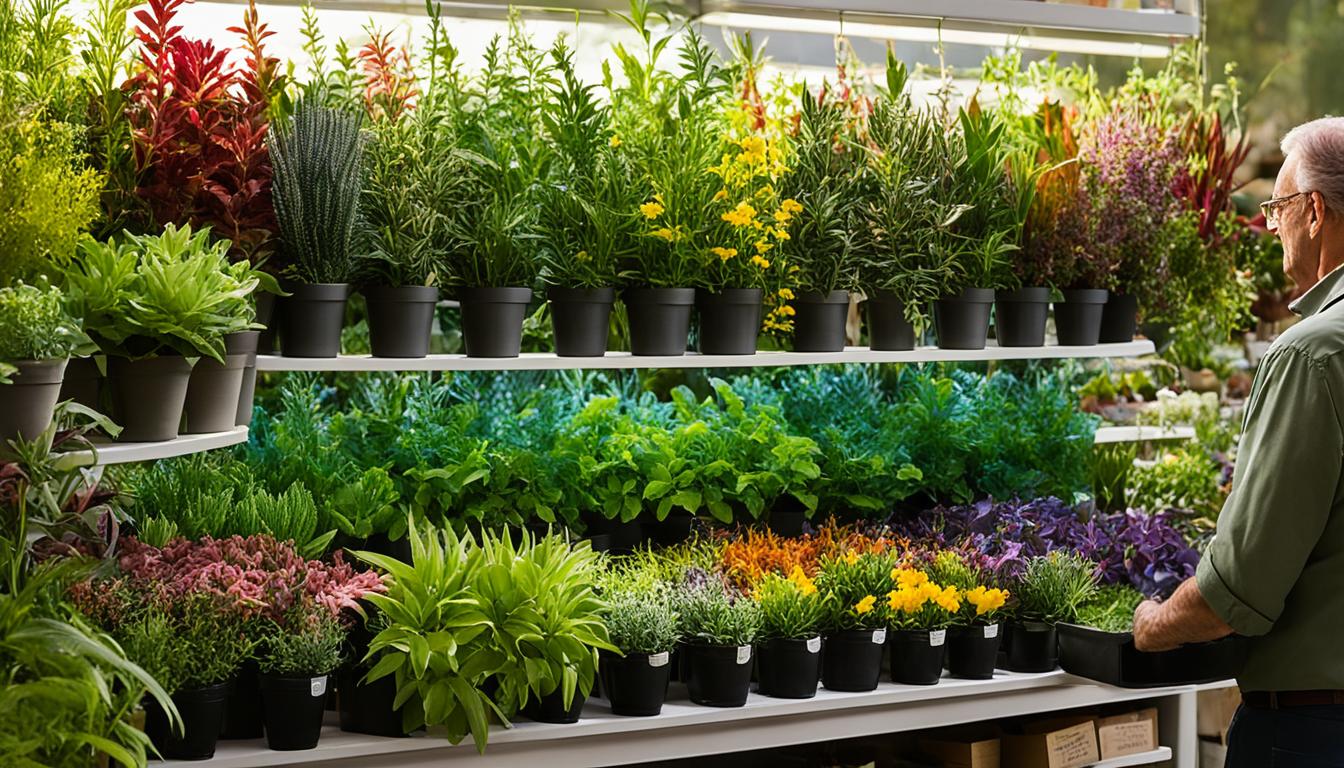
Here is a brief look at the best tree types for different garden spots:
| Tree Type | Species | Common Names |
|---|---|---|
| Small Shade Trees | Acer buergerianum, Acer palmatum | Trident Maple, Japanese Maple |
| Medium Shade Trees | Acer rubrum, Aesculus carnea | Red Maple Cultivars, Red Horsechestnut |
| Large Shade Trees | Betula nigra ‘Cully’, Platinus x acerifolia | Heritage™ River Birch, London Planetree |
| Small Flowering Trees | Cercis canadensis, Amelanchier arborea | Redbud, Juneberry |
| Medium Flowering Trees | Cladrastis kentuckea, Halesia tetraptera | Yellowwood, Silverbells |
| Large Flowering Trees | Prunus sargentii, Magnolia acuminata | Sargent Cherry, Cucumber Magnolia |
For more advice on what plants need, look at guides like this plant selection guide. It helps match plants to your place and tastes.
Using Raised Beds for Improved Growth
Raised garden beds are changing the world of urban gardening. They let gardeners grow more in a smaller area. The key lies in their excellent drainage and soil control for intensive planting.
One big plus of raised garden beds is their deep soil. This deep soil helps roots grow strong, a major benefit in urban settings where the ground soil isn’t great. Raised beds also stop soil from getting too compact, ensuring roots get the air they need to grow well.
The choice of materials for raised beds affects both their strength and appearance. Cedar wood is a top pick because it resists rot and bugs. This means a longer life for your beds without the need for harmful chemicals. Here is a look at different materials:
| Material | Benefits | Drawbacks |
|---|---|---|
| Cedar | Durable, resistant to rot and insects, aesthetically pleasing | Higher initial cost |
| Pine | Affordable, readily available | Less durable, prone to rot without treatment |
| Recycled Plastic | Long-lasting, low maintenance, eco-friendly | Potentially higher cost, less natural appearance |
Adding raised garden beds can make a huge difference in your gardening efforts. They’re great for tackling the problems of gardening in cities. This includes issues such as space limitations and poor soil, which allow you to plant more efficiently.
Watering and Feeding Your Plants
Watering and feeding your plants correctly is key to their health. Using proper irrigation techniques helps keep the soil moist but not too wet. This is important for strong growth. Remember, too much water can cause root rot, and plants can’t get the nutrients they need if they’re too dry.
It’s important to think about the water you use. Mixing tap and rainwater helps keep the right balance of salts and minerals. This is good for the soil’s pH. Using irrigation techniques like soaker hoses helps prevent problems from too much water.
It’s also key to feed your plants at the right times. Different plants need different nutrients. For example, Nitrogen boosts the growth of green leaves and stems. Phosphorus makes roots and flowers strong. Potassium helps plants stress less.
- Nitrogen: Promotes green leaves and stems.
- Phosphorus: Encourages strong roots and vibrant flowers.
- Potassium: Helps plants withstand stressors.
Plants like tomatoes and peppers benefit from feeding every 7 to 14 days. Use the right food for the best results. Flowers should get food that makes their blooms bigger and roots stronger.
Many home gardeners use kitchen scraps to feed their plants. While some things like food scraps and sugar water are good, drinks like beer and soda contain harmful substances.
Looking for signs that your plants lack nutrients, like yellow leaves, fewer flowers, or slow growth, is important. Knowing what your plants need is the first step to keeping them healthy.
Weeds must be kept in check. They take moisture and nutrients away from your plants. Pulling them out lets your plants grow strong.
| Plant Nutrient | Pertinent Effect | Frequency of Application |
|---|---|---|
| Nitrogen | Green leaves and stems | Every 7-14 days |
| Phosphorus | Strong roots, vibrant flowers | Continuous feeding |
| Potassium | Stress tolerance | As needed |
Implementing Mulch for Weed Control
Mulching is key to a weed-free, healthy garden. It reduces weeds by smothering them. It also keeps the soil moist and improves its quality.
During summer, weeds like crabgrass and foxtail are common. Mulch helps control these. It also keeps weeds like pigweed in check.
Using things like grass clippings works well for some weeds. But tougher weeds might need a mix of stuff like plastic and fabric. These materials let water and air reach the soil while keeping weeds at bay effectively.
The way you spread mulch is important. You should lay it 2-4 inches thick. In hot weather, a 2-inch layer can cut water loss and soil heat. This helps plants grow better.
For larger areas, use 4-6 inches of coarse mulch. This stops weed seeds from sprouting. Plus, it keeps your soil healthy.
- Organic Mulch: Ideal for controlling annual weeds and improving soil structure
- Inorganic Mulch: Effective for annual weeds, but may hinder soil oxygenation
- Geotextiles: Balances weed control with soil moisture and oxygen penetration
Recycled materials make great mulch. They help with natural weed suppression. And they make your garden look better.
Leaving some natural leaf litter around is good for soil health. Spread at least 2 inches of mulch throughout to keep weeds at bay.
An in-depth look at different mulches shows:
| Type of Mulch | Advantages | Disadvantages |
|---|---|---|
| Organic (Grass clippings) | Good for soil structure and annual weed control | Less effective on perennial weeds |
| Inorganic (Black plastic) | Effective for annual weeds | Restricts water and oxygen penetration |
| Geotextiles | Allows water and gases through; controls annual weeds | May require proper installation |
In the end, mulching is great for a beautiful garden. It naturally suppresses weeds and retains soil moisture. Picking the right mulch boosts both the health and look of your space.
Preventing and Managing Garden Pests
Keeping your garden free of pests is key to healthy plants and good harvests. Many garden pests can be controlled without using harmful chemicals. This is a big win for your health and the planet.
For sustainable pest control, try integrated pest management (IPM) techniques. These focus on lasting solutions that are less risky for people and nature. Various smart device apps can help spot and treat plant issues early.
Using pest-resistant plants can significantly reduce pest attacks. Some studies show up to a 75% reduction in pests on these kinds of plants. The University of Minnesota offers tips on how to beat bugs, weeds, and disease.
Pest control starts with sealing cracks and keeping food out of reach of bugs. Moisture management also helps keep pests away. Stick to these steps to cut down on critters.
Organic pesticides are a good option, but use them with care. Follow the instructions and dispose of them correctly. Healthy plants are less likely to get sick, which helps ward off pests. Botanical data suggests a big decrease in bugs on strong plants.
While homemade pest control is common, it may not be suitable for all plants. Take care to use only safe, approved products. Stick to organic pest solutions for a healthy garden.
Placing pots off the ground can reduce pest numbers by 80%. Adding physical barriers, like meshes, stops almost all bugs. Changing which plants grow where helps lower pest numbers and keeps the soil rich.
Preventing garden pests is also about making your space welcoming to helpful bugs. Combining different plants and smart gardening tricks is key. This supports a natural balance in your garden.
Regularly checking for pests is crucial. This lets you spot problems early and stay in control. A watchful eye helps protect your garden’s health and productivity.
Pruning and Harvesting for Optimal Growth
Taking good care of your garden means pruning and harvesting correctly. This helps keep plants healthy and growing well. Doing this boosts your plants’ health and the amount they produce.
Pruning Techniques
Pruning removes dead parts and helps a plant grow better. Each plant type requires a specific pruning method for optimal growth. Here are a few methods:
- Crown thinning: Helps air and light reach the plant more effectively by removing branches.
- Pinching: Makes plants grow bushier by trimming the tops off young ones.
- Deadheading: prolongs flower life by removing old blooms.
By pruning often, you can make your plants healthier and reduce the risk of sickness. It also lets air move freely around the plant.
Harvesting Methods for Different Plants
To get the best crop, it’s important to know when and how to harvest. Each plant is different. They need to be picked at the right time. Here are some examples:
| Plant Type | Optimal Harvest Time | Methods |
|---|---|---|
| Tomatoes | Ripe when fully colored | Cut from the vine with a sharp knife |
| Carrots | At mature size, before overly large | Pull from the ground gently using hands or tools |
| Herbs (e.g., basil, cilantro) | Before flowering for the best flavor | Snip leaves or stems with scissors |
Watching your plants’ harvest times closely improves the garden’s output. Using the right harvesting methods is crucial to keeping your plants healthy and productive.
Gardening Practices for Sustainability
Sustainable gardening lets us enjoy beautiful gardens while helping the earth. It involves using methods that are good for the planet. These methods save resources and help plant and animal life. It isn’t just a way of gardening; it’s a promise to work with nature.
Organic Farming Methods
Organic farming means using fewer harmful chemicals. This choice is better for us and our environment. For example, mulching stops weeds and keeps the soil moist, lessening the need for harsh chemicals and extra water.
Turning green scraps into compost improves soil without the use of chemical fertilizers. It’s good for the earth. Picking plants that are native to or can grow well in your area saves water and time. It also helps the environment around you.
Using manual or electric tools for your lawn is better than using gas. It’s an easy way to lower your impact on the planet. It also makes your home healthier.
Permaculture Principles
Permaculture views gardening in a broad sense. It’s about making farming work like nature does. For example, xeriscaping uses plants that require little water. This saves water.
Keeping seeds from your plants can save you money and help keep plant types alive. It’s a smart move for your garden.
Water needs to be used carefully. Most gardens are fine with a little water. Drip systems and hoses can help prevent water waste. Using rain barrels can capture rainwater. This means you use less water from the city.
To keep your garden looking great and kind to the earth, keep learning. Staying up to date and applying these methods makes for a lasting, pretty garden. Some information and tips can be found online.