What is Cancel Culture? Meaning, Examples & Debate.
what is Cancel Culture-Explore the meaning of Cancel Culture, key examples, and its contentious impact on society today. Uncover the angles in the cancel culture debate.
What is Cancel Culture?
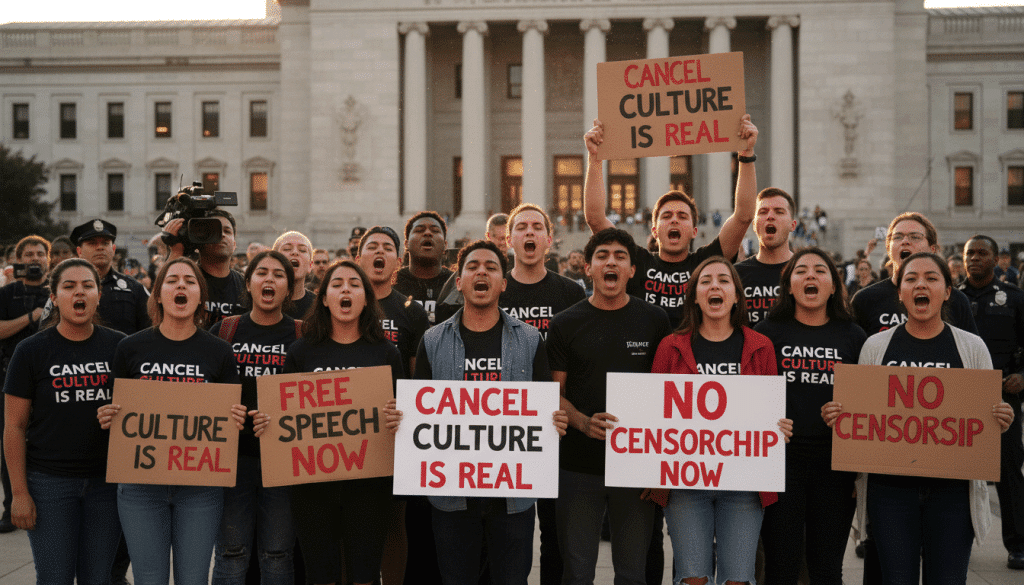
“Cancel culture,” what is cancel culture? It is about stopping your support for someone or something. This happens when you think they did or said something wrong. In 2019, it was the word of the year in Australia. It’s like a kind of public boycott, and it has hit big stars and brands. For example, R. Kelly lost fans and money because of abuse reports, and Pepsi faced backlash over an ad. This ad was seen as making light of a serious issue.
Cancel culture is strongly linked to social media. It makes people’s anger spread quickly and calls for change. While it aims for fairness, it has sparked a big debate. People wonder whether silencing others’ voices hurts free speech and social balance.
What is Cancel Culture? Key Points
- Cancel culture means refusing to support those who upset us, because we think they did something bad.
- In 2019, Australia’s Macquarie Dictionary picked it as the word that described the year the best.
- Big instances include R. Kelly losing money and fans, and Pepsi was in trouble for an ad.
- Social media is a key part of how cancel culture started and is spreading.
- Some worry that cancel culture might be hurting how freely we can talk and the way society works.
Introduction to Cancel Culture
Cancel culture is a big deal now. It’s when people stop supporting someone because of something they did or said. Social media, especially Black Twitter, helped cancel culture grow fast. It affects many areas, like media, entertainment, and schools.
Definition of Cancel Culture
The definition of cancel culture centers on public shaming. If someone does something bad, others call them out online and step back from supporting them. This happens a lot because of how social media can quickly blow up stories. For example, fake news led to stars like Cole Sprouse and Justin Bieber being wrongly shamed at first.
But cancel culture can also do good. It fights for fairness and better behavior. Younger people, particularly Gen Z, are big on using social media for these causes.
Origins and Evolution
Cancel culture started becoming a thing in the 2010s. But the word “cancel” itself goes back to the ’90s in a movie called New Jack City. As it grew, major social movements like #MeToo and #BlackLivesMatter strengthened it. They pushed for accountability and changed how we talk about things.
Now, cancel culture is more than just stopping support for someone. It shows how our culture is changing. Even if stars like Kanye West or Camila Cabello get called out, their fans might still stand by them. This shows that cancel culture isn’t always black-and-white.
What is Cancel Culture
Cancel culture is a form of social ostracism towards individuals or groups. It aims to dismiss them from the community. This practice involves ongoing discussions about their wrongdoings, often fueled by social media.
Many people are against cancel culture. They say it makes it hard for people to speak openly. Also, they doubt its effectiveness in creating real change.
Understanding the Term
In the late 2010s and early 2020s, “cancel culture” became a popular term. Particularly among conservative groups in the U.S. since late 2019. Even Barack Obama and Pope Francis have criticized it.
The views on cancel culture are mixed. When asked, 49% thought it was about holding people accountable. At the same time, 14% saw it as a form of censorship.
Role of Social Media
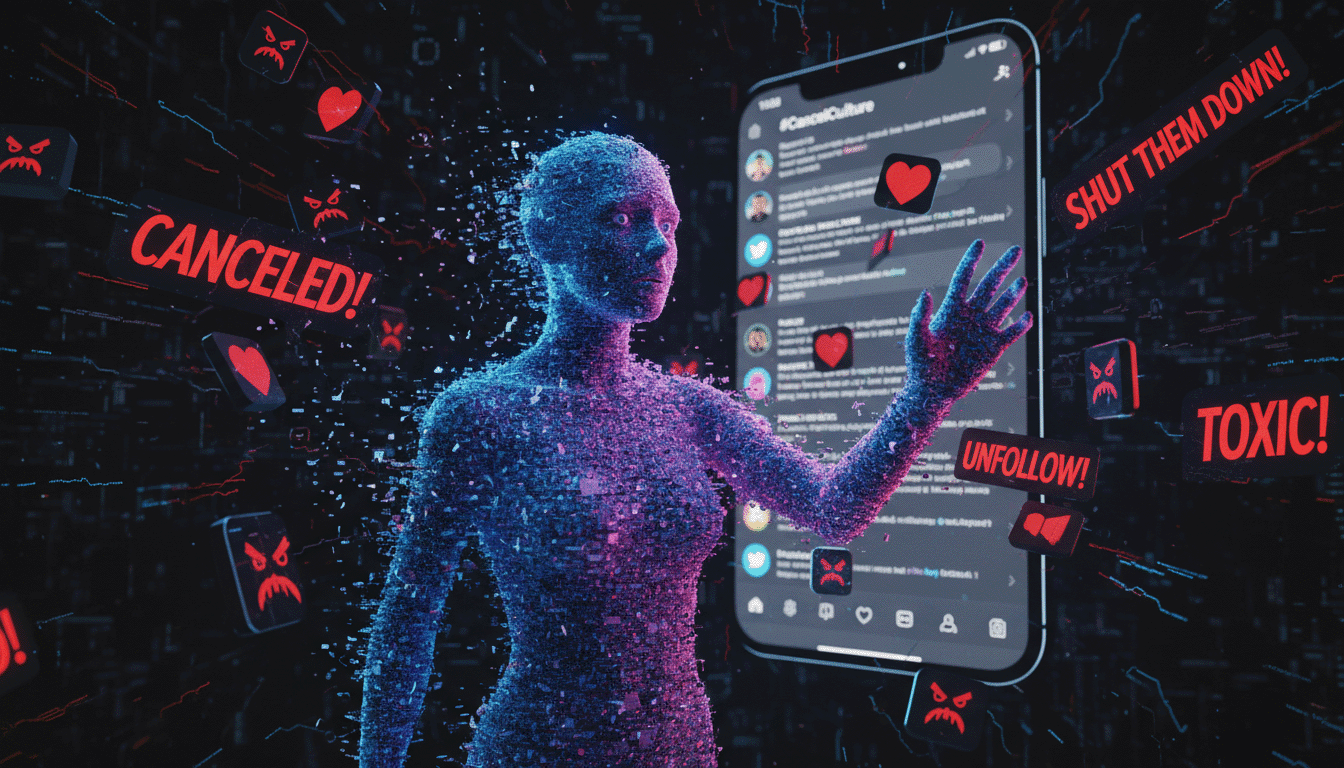
Social media plays a big role in cancel culture. Platforms like Twitter are key venues for discussions and announcements. This aspect is changing how we use and understand cancel culture.
Experts say social media is making cancel culture stronger. It has also affected free speech and the ability to debate openly. In today’s digital world, many Americans think calling people out on social media is a good way to keep them accountable. But others believe it can also harm those who don’t deserve it.
This shows how important the internet is when thinking about cancel culture. The online world has changed how this phenomenon works and affects us.
Historical Background of Cancel Culture
Cancel culture has its origins in ancient public shaming and exclusion. Throughout history, societies enforced their rules by ostracizing those who broke them. This form of punishment has greatly impacted how cancel culture works today.
In the early 2000s, China saw the rise of “human flesh searches”. This started as a sort of people-powered search engine. It quickly turned into a way to target those seen as wrongdoers. This change paved the way for what we now know as cancel culture.
While cancel culture became more well-known in the West through online incidents, its fundamentals are ancient. These include cases of what appears to be internet-based vigilantism. Yet the core idea draws on historical practices of public shaming.
The digital age and social media have transformed cancel culture. Now, movements and boycotts can quickly become global news. Cases like a tech executive’s outburst or accusations against a pop star’s father have sparked major public reactions.
The rise of social media gave cancel culture the power to shape public opinion. This made it a driving force in upholding moral standards. The ability to quickly and widely share information drastically changed how we handle societal norms.
Cancel culture doesn’t just affect the famous. Its reach is broad, touching various aspects of life. It includes actions aimed at seeking an apology or bringing public embarrassment. This merger between old and new has complex implications for the history of cancel culture.
Some call cancel culture “accountability culture” to emphasize its role in ensuring people and groups keep their word. The use of technology has made these actions quicker and more visible. However, the main goal has always been about community standards.
Origins of Cancel Culture
Cancel culture started taking shape on Black Twitter around 2015. People used it to point out wrongs and take action together. It gave a voice to those often left out, making cancel culture a powerful force. By late 2019, it was all over the news, becoming a mainstream topic.
The Role of Black Twitter
Black Twitter played a big part in how cancel culture works today. It lets users quickly share stories and stand against what they saw as unfair. The #MeToo and #BlackLivesMatter movements showed the might of social media action. They helped make cancel culture a big part of how we approach fairness and accountability now.
Influence of Social Movements
Social movements have expanded how cancel culture is used, making it more than just a community thing. By 2020, the term “cancel culture” was being used all over, online and offline. These efforts showed real-world changes were possible through online action.
Famous activists like Patrisse Khan-Cullors highlighted that online work is just a part of it all. They remind us that cancel culture is deeply tied to the push for real social change.
| Year | Event | Impact |
|---|---|---|
| 2015 | Widespread use of cancellation on Black Twitter | Initial formation of the cancel culture roots |
| 2019 | Increased conversations about cancel culture | Growth into mainstream social discourse |
| 2020 | Ligaya Mishan’s article in The New York Times | Expanded understanding and application of cancel culture |
Examples of Cancel Culture in Media
Cancel culture has greatly affected famous people and ad campaigns. This shows the power of shared anger and its reach through social media.
Celebrity Cancellations
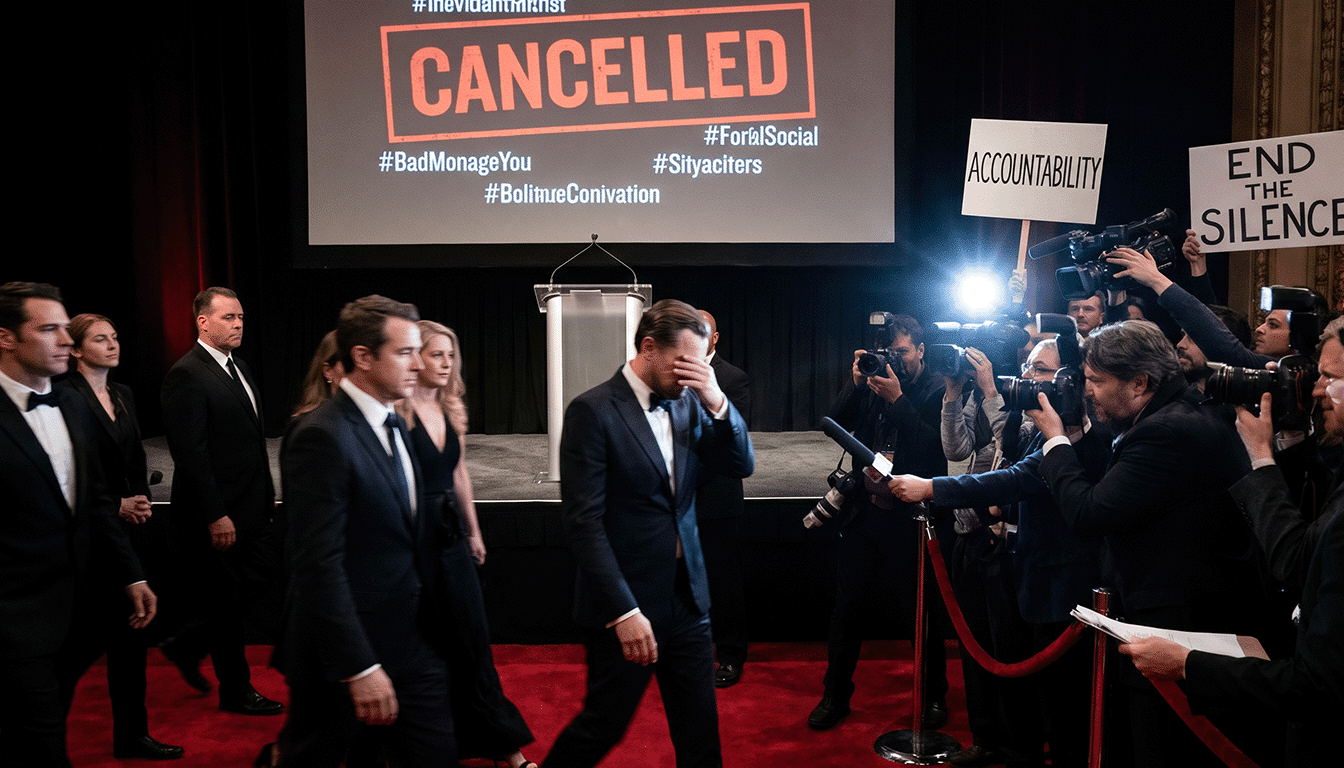
High-profile celebrities have faced the tough results of cancel culture. The #MuteRKelly movement caused a big financial hit to R. Kelly. He was later convicted of child pornography and got a 20-year jail sentence.
Celebrities like Woody Allen, Louis C.K., and Kevin Spacey also saw a lot of negative attention. This was because of claims and problems they were involved in. In 2022, Kanye West lost contracts with brands like Gap, Adidas, and Balenciaga, making him one of the year’s most canceled celebrities.
Controversial Advertisements
Advertisements have not been immune to cancel culture. Balenciaga was heavily criticized for using child models and controversial pictures in an ad. Tampax was also criticized for a tweet that seemed to make fun of tampons. This led to the hashtag #BoycottTampax. Heineken faced its own backlash for an ad saying “lighter is better,” which people found racist.
These events show how big an impact public opinion and social media can have. Whether it’s with big names in the industry or advertising, cancel culture is powerful and far-reaching.
Impact of Cancel Culture on Celebrities
Since COVID-19 began, cancel culture has grown significantly as more people use social media. It has hurt the careers of many famous people, such as JK Rowling, Lana Del Rey, and Jenna Marbles. They got in trouble for things they said or did. This led them to lose jobs and deals quickly.
Career Consequences
The effects of cancel culture can last a long time. JK Rowling, for example, faced a lot of criticism for speaking out against trans people. This led to her quickly losing fans and popularity. Finding forgiveness from the public after such criticism is very hard.
Public Backlash
Sometimes, people online can act like a mob when they’re criticizing someone. This trend can be tough for celebrities to bounce back from. Fans expect them to show they’re sorry and be better. Not doing this can hurt their career and standing a lot. Jameela Jamil believes we should balance holding celebs responsible with giving them a chance to improve.
| Celebrity | Reason for Cancelation | Career Impact |
|---|---|---|
| JK Rowling | Anti-trans remarks | Ostracized by fans, loss of endorsement |
| Lana Del Rey | Anti-feminist lyrics | Controversial public standing |
| Jenna Marbles | Offensive early videos | Ceased content creation, public apology |
Cancel Culture vs. Free Speech
The debate over cancel culture looks at its effects on accountability and free speech. Supporters say it holds powerful people accountable, making them answer for their wrong actions. But critics warn it could lead to silence and less open discussion, out of fear of punishment. This fear is real, as 45% avoid speaking up, and nearly half won’t post their political views online.
Debate Overview
Cancel culture is seen by some as a tool for justice, yet others worry it silences differing opinions. Stories about people losing their jobs due to online reactions show the big impact it can have. So, is cancel culture a good way to keep people accountable, or does it hurt free speech?
Arguments For and Against
Supporters say it helps make society better by giving a voice to those who are often unheard. They point to cases like Kathleen Stock leaving her job as a success. Over a third of people don’t think canceling controversial figures is wrong. But opponents argue that spreading fear isn’t the way to encourage a variety of opinions. They highlight how it can twist public views overall. Also, nearly a third are just not sure if canceling is right, showing that many see shades of gray in this debate.
A letter signed by famous authors, like Salman Rushdie and Margaret Atwood, recently criticized how cancel culture may harm the open exchange of ideas.
In the end, finding the right balance between cancel culture and free speech is a major challenge. It’s about ensuring people are held responsible, while keeping our conversations open and positive.
Cancel Culture and Mental Health
Cancel culture can really affect people’s mental health, especially those under its attack. It makes people feel alone and more anxious. This can make their existing mental health issues worse.
Studies show that stepping away from social media, where cancel culture thrives, can make people feel less lonely and sad. This highlights how harmful online negativity can be.
Many people think cancel culture is good because it makes people face the consequences of their actions. Yet a large group believes it’s too harsh on those who don’t really deserve it. This shows people have very different opinions on the outcomes of cancel culture, adding to its negative impact.
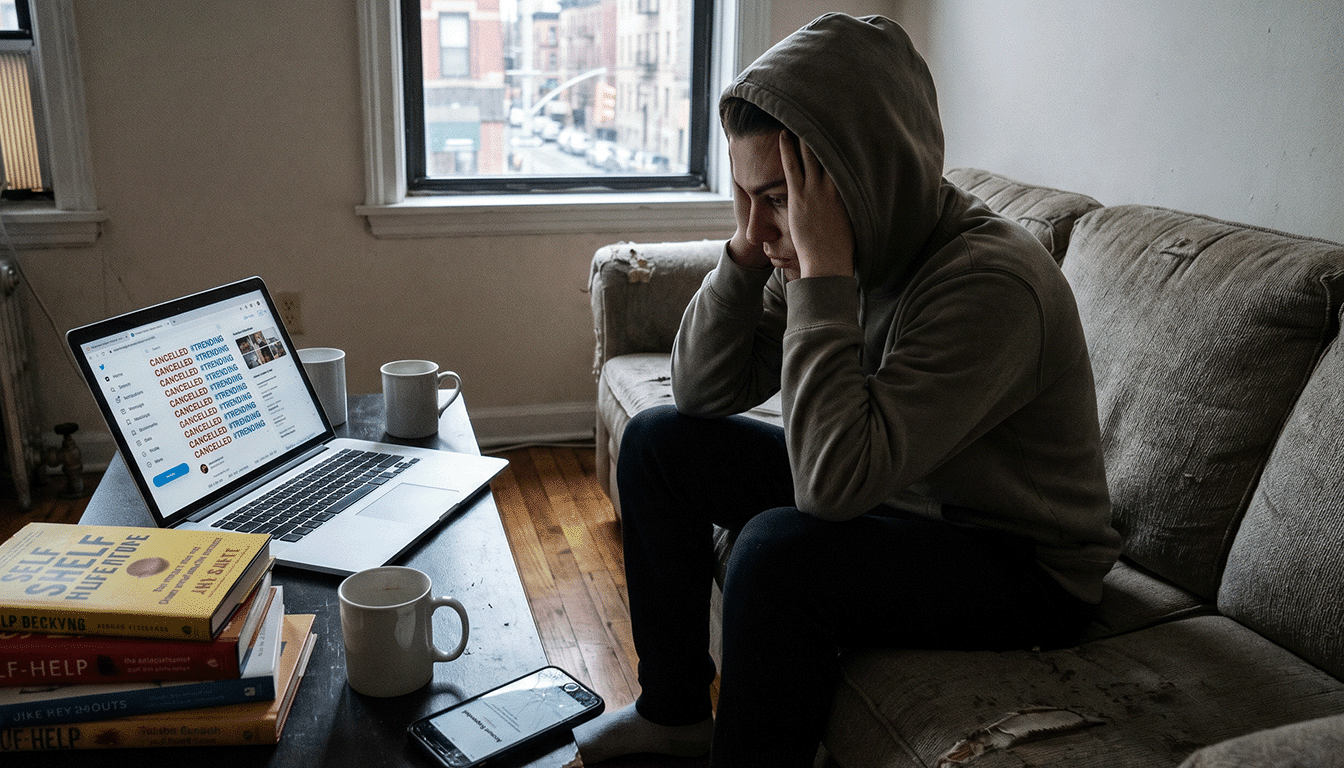
People who cancel others can also feel down. If their actions don’t lead to the changes they hoped for, they may feel disappointed. The complexities of cancel culture and mental health call for a deeper look at this topic. If you want to know more about its effects on mental health, click here.
| Key Insight | Percentage |
|---|---|
| Belief that cancel culture holds individuals accountable | 58% |
| The perception that cancel culture punishes undeserving individuals | 38% |
| Decrease in loneliness and depression from reducing social media use | Based on the study |
Call-Out Culture vs. Cancel Culture
Call-out culture and cancel culture are often conflated, but they differ in their aims and motivations. It’s important to know these differences to see their real effects on how we act and what we think.
Key Differences
Call-out culture mainly wants to point out and fix mistakes. It does this by talking about these mistakes in public. It hopes people will admit when they’re wrong, learn, and get better. Cancel culture, however, aims to kick people out and cut them off. This stops them from getting back in and doing better. The big gap between the two is that call-out culture leaves room for change, while cancel culture often closes that door.
Impact on Behavior
Call-out culture can push for personal growth and help society move forward. It’s all about discussion and taking responsibility. This can make people do better and give back. Cancel culture, on the flip side, can make individuals feel cut off and hopeless. This often makes real change harder to achieve. When these harsh outcomes occur, they affect everyone emotionally and mentally.
Reasons for Cancel Culture’s Popularity
Cancel culture has quickly become popular for a few key reasons. These include a push for social justice, people feeling empowered, and the use of social media. Social media is especially important because it makes collective actions and outrage visible to everyone.
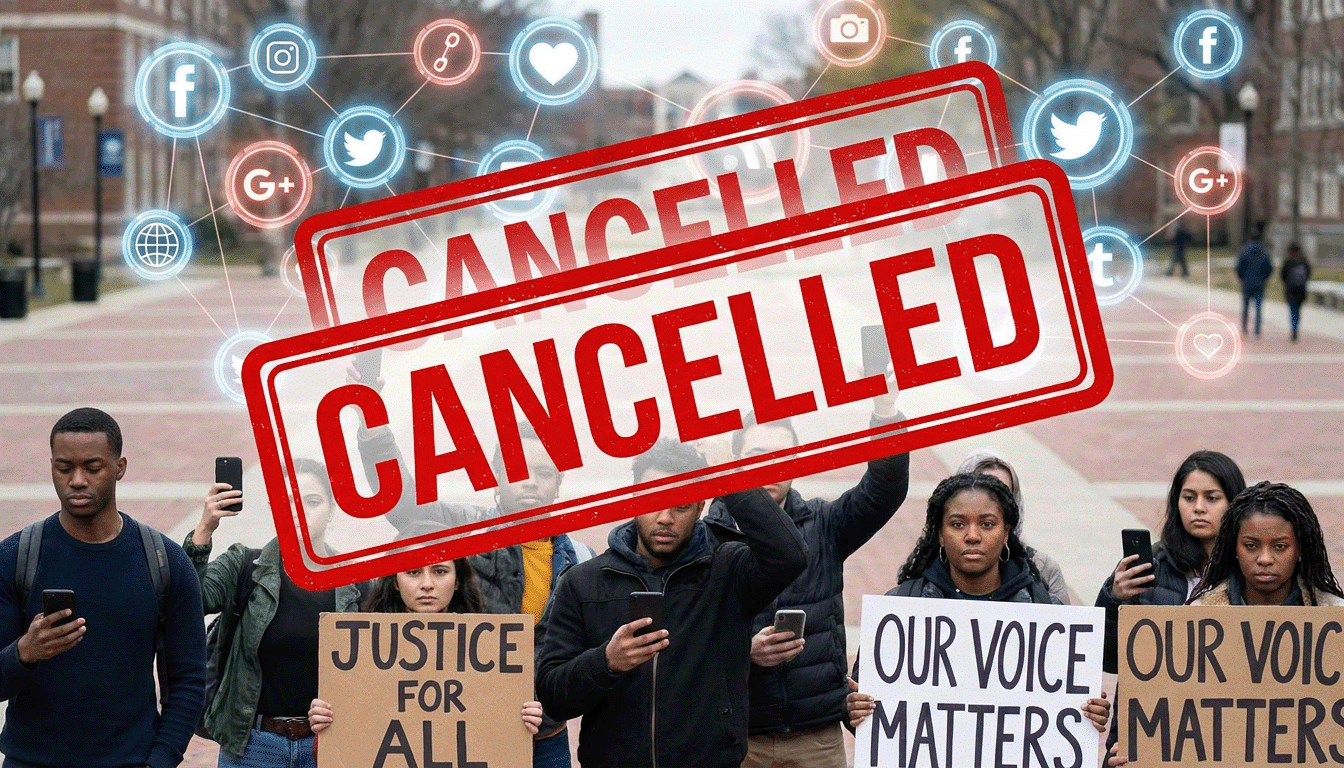
Its roots go back to movements like #BlackLivesMatter. These raised awareness about racial injustice and police violence globally from 2014 onwards.
Celebrities are often at the center of cancel culture conversations. For example, social media’s reaction to Harvey Weinstein’s sexual abuse allegations played a major role in his conviction as a sex offender in 2017.
Social media simplifies complex social problems into quick posts and videos. This makes it easy for people to react instantly but harder to discuss issues in depth.
Public shaming has a long history of enforcing societal rules. Today, digital platforms have made shaming possible on a larger scale and much faster. This has fueled the popularity of cancel culture.
The accountability social media enables is another major factor in the rise of cancel culture. Almost half of the people know about cancel culture and see it as a way to keep others accountable. More than half of U.S. adults agree that social media can help hold people accountable.
Understanding cancel culture also means looking at who supports it. It’s often liberal Democrats, especially those with more education. They believe it is important to hold people accountable.
Many people today are aware of cancel culture. Most young adults and a good number of middle-aged people know about it. Even some older adults are familiar with the term.
The quick and powerful actions seen through cancel culture attract people to it. Digital platforms help individuals come together to demand accountability. It also influences social norms and behaviors by using the strength of group opinions and connections.
| Demographic | Percentage Familiar with Cancel Culture |
|---|---|
| Adults under 30 | 64% |
| Adults aged 30 to 49 | 46% |
| Adults aged 50 and older | 34% |
Criticism of Cancel Culture
Cancel culture has drawn a lot of criticism. Some people say it leads to censorship. They feel it makes people afraid to speak freely out of fear of getting attacked. This fear can hurt creativity and stop people from openly sharing their thoughts.
Claims of Censorship
Many critics point to censorship within cancel culture. A Pew Research study found that 4% see cancel culture as a form of censorship. They believe this limits free speech and hides different ideas. This might make people scared to talk openly in public.
Allegations of Overreaction
Others say cancel culture can be too harsh. They think that the punishments don’t always fit the wrongdoing. A good number of U.S. adults, around 38%, feel that calling people out on social media can unfairly punish rather than teach them a lesson. This can lead to quick, one-sided judgments.
This view of overreaction changes with politics and age. For instance, more young Republicans, about 58%, think social media call-outs unfairly punish. This number is slightly lower, 55%, among older Republicans. It shows how cancel culture affects different groups in complex ways.
To sum up, censorship and overreaction are key criticisms of cancel culture. By examining these points, we can better understand how cancel culture affects society.
Academic Perspectives on Cancel Culture
Looking at cancel culture from an academic angle reveals its many facets and profound effects. It affects how people talk in public and might quiet minority voices with its quick, harsh judgments. This type of public shame has been with us from the very start, but now thrives in the online world.
Studies and Analyses
In academia, they study how cancel culture shapes our behavior in society. Thanks to social media, cancel culture has grown rapidly. Platforms like Twitter and TikTok make it easy to spread small bits of information, allowing cancel culture to spread quickly around the world. Academics warn about the downsides of cancel culture, but also see the value in online activism when done well.
Views of Scholars
When it comes to cancel culture, scholars have different opinions. Jonathan Haidt talks about the rise of “safetyism” on campuses. Too much focus on feeling safe can stop real conversations. Some suggest that instead of publicly shaming people, we should educate and learn together, making communities stronger.
Debates among scholars continue to help us better understand cancel culture. Their insights can help us use cancel culture more wisely. The goal is to find ways to keep people accountable while still fostering open, welcoming discussions.
Legal Perspectives on Cancel Culture
Legal views on cancel culture often mix with the First Amendment’s complex rules. Some cases show the need to distinguish between public responsibility and maybe silencing people. Surprisingly, over 4 in 10 individuals (45%) sometimes hold back on their thoughts because they fear punishment. This shows how real the fear of bad outcomes is and how it affects speech today.
Also, a large majority of Americans, 84%, see the silence caused by fears of backlash as a major issue 13. This makes it tough to strike a balance between holding people responsible and protecting the right to speak. Among legal experts, there is a debate. They question whether cancel culture is a kind of free speech protected by the First Amendment. Or if it actually limits the rights of those who want to express controversial ideas without facing severe criticism or losing their job.
The Freedom Forum’s research found that nearly half of us, 49%, never share our political views online. This shows how cancel culture’s fear can freeze public discussions. However, about 37% of people do believe that boycotting or canceling is okay when it comes to inflammatory comments. This difference in opinion suggests that not everyone agrees on how to deal with controversial statements.
People affected by cancel culture often find it hard to get a lawyer, as these attorneys may worry about their own reputation. This issue has come up in significant cases. For example, the cancellation of Bill Cosby’s show after accusations of sexual assault. These events affect both legal cases and professional situations in big ways.
Cancel Culture’s Impact on Society
Cancel culture has deeply changed how we all interact, whether at work or in our personal lives. It began in Black culture and grew significantly after a 2014 moment on “Love & Hip-Hop: New York.” This behavior change was further driven by increased social media use during COVID-19, which rose by about 40%.
Social Dynamics
This new way of holding people accountable has made everyone’s actions and words subject to intense review. Almost half of the U.S. sees it as a good way to make people answer for what they do. But it can make life really hard for those targeted, leading to anxiety and making them feel alone. The way people feel a need to align with their groups, and the theories around it, help explain why we see this cancel culture issue.
Changes in Public Discourse
Cancel culture is really changing how we talk to each other. Platforms like X, Facebook, and Instagram spread these calls for action really fast, sometimes making it hard to tell what’s private or public. A lot of people in the U.S. think these actions are good for keeping each other in check, but some see them as unfair punishment. It’s like the internet has become a battlefield where new rules are set, but there are still big disagreements on what’s right.
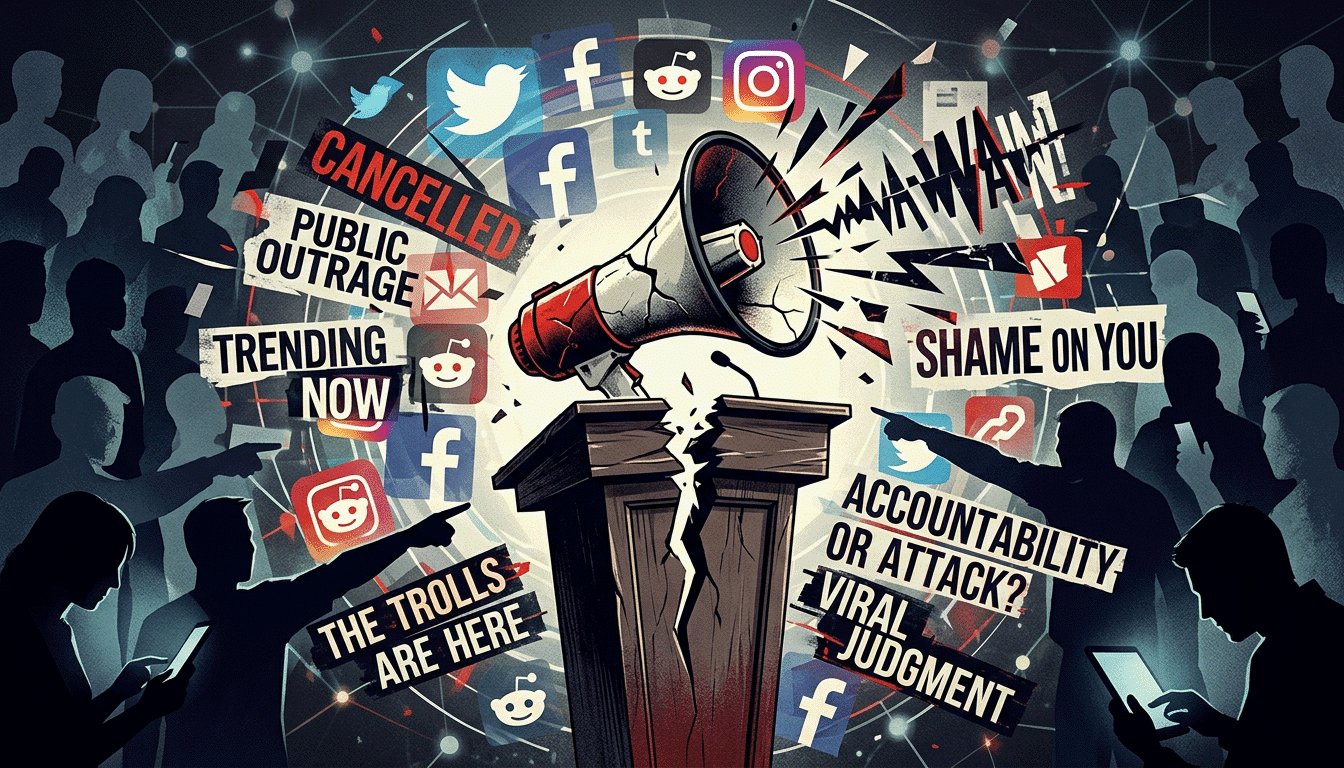
#MeToo showed the power of this kind of public pressure, especially when it comes to sexual misconduct. But debates continue, and most teens and young adults know about cancel culture, compared to about a third of those over 50.
This cancel culture is driving rapid changes in how we talk as a society, powered by the internet and a new desire for justice. It’s a big part of our current experience, showing how much we care about fairness and knowing what’s right in our interconnected world.
What is Cancel Culture? Conclusion
Cancel culture is a big deal today. It impacts how we talk about responsibility, free speech, and what we think is right. It has changed the way we see famous people and big companies. This change comes from listening more to those who are usually not heard much. These include groups supporting #BlackLivesMatter and the use of the internet. So, cancel culture’s voice is louder and broader than ever before.
The more time we spend online recently, especially when we’re alone and upset, the more we see cancel culture at work. The widespread use of the internet has made public shame very common today. This is a lot like how people were treated in the past, such as with stocks in Europe and tarring and feathering in America. A good example of cancel culture’s power is the #MuteRKelly movement. After the movement started, more people listened to R. Kelly’s music online, showing that cancel culture has a strong effect.
Although cancel culture can support justice and hold people accountable, it also raises questions about fairness and the possibility of making things right again. An open letter was published in Harper’s Magazine by 153 well-known people, including J.K. Rowling. This letter discusses the ongoing debate over cancel culture, its impact on free speech, and how we talk about what’s right and wrong. Cancel culture is always changing, as social media fuels it. It makes us keep thinking about how to balance justice and second chances in our online world fairly.
For more about how cancel culture affects society, check out this in-depth analysis. It looks at how effective and far-reaching cancel culture really is. The ongoing discussion shows that we need to keep talking about cancel culture in today’s world12.
What is Cancel Culture? FAQ
What is cancel culture?
Cancel culture occurs when people or groups are shunned for things they say or do that are deemed unacceptable. It leads to a big online uproar, and people stop supporting them.
How did the term “cancel culture” originate?
People first started talking about “cancel culture” on Black Twitter. It started as a way to point out and react together against behavior that’s not okay.
Can you provide some examples of cancel culture?
Sure. Cases like the one against R. Kelly after claims of sexual abuse made headlines. Also, Pepsi faced a lot of criticism for its ad that tried to show support for protests but missed the mark.
What is the impact of cancel culture on celebrities?
Celebrities can lose jobs and their place in the public’s eyes because of cancel culture. The damage can happen quickly and last a long time. It affects their careers and how people view them.
How does cancel culture affect free speech?
This topic sparks debates on free speech. Some see it as holding people accountable, while others feel it stops real discussions because people are scared of being publicly shamed.
What are the mental health effects of cancel culture?
Being the target can make people feel lonely and anxious. Even those doing the canceling might not feel better if they don’t see results, leading to complicated emotional effects.
How does call-out culture differ from cancel culture?
Call-out culture is about learning and getting better, while cancel culture often doesn’t give someone a chance to make up for their mistakes. It focuses on excluding the wrongdoer completely.
Why has cancel culture become so popular?
It mixes justice with the power of social media. This combo brings quick consequences for what’s seen as bad behavior. Many find this way of dealing with things empowering.
What are the criticisms of cancel culture?
Critics say cancel culture can lead to self-censorship and can sometimes go too far. Some think the punishment doesn’t always match the offense. It’s argued to limit open discussions.
What are some academic perspectives on cancel culture?
Academics examine the effects of cancel culture on society and digital activism. They explore ways to deal with issues constructively, such as through “calling in.”
How does cancel culture intersect with legal principles?
There’s a debate over whether cancel culture harms people’s free speech. Some worry it could affect the ability to get a fair trial without risking one’s career.
What is the societal impact of cancel culture?
Cancel culture changes the way we talk and what’s considered okay. But it also shows how digital anger might not always lead to real-world change.
Source Links
- https://axis.org/blog/an-introduction-to-cancel-culture/
- https://en.wikipedia.org/wiki/Cancel_culture
- https://www.pewresearch.org/internet/2021/05/19/americans-and-cancel-culture-where-some-see-calls-for-accountability-others-see-censorship-punishment/
- https://stories.uq.edu.au/momentum-magazine/2020/celebrities-can-be-cancelled/index.html
- https://www.freedomforum.org/cancel-culture/
- https://debatingmatters.com/topic/cancel-culture-is-a-threat-to-freedom-of-speech/
- https://scholarship.law.bu.edu/cgi/viewcontent.cgi?article=4347&context=faculty_scholarship
- https://therapygroupdc.com/therapist-dc-blog/the-psychology-of-cancel-culture-impacts-on-mental-health/