Justice Department Attorneys Quit Over Political Interference
Justice Department Attorneys resign citing concerns over government interference in legal process and law enforcement integrity.
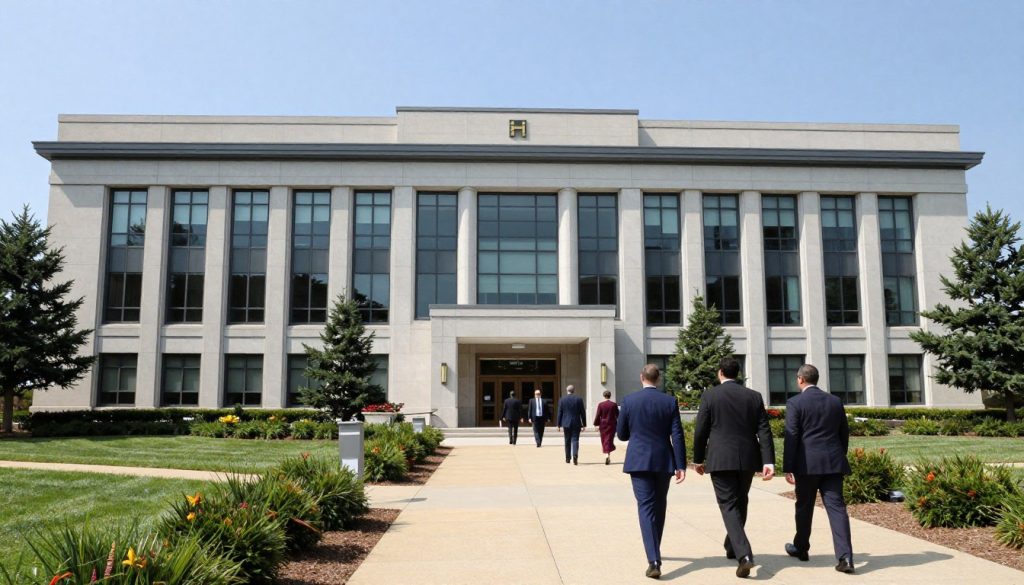
Justice Department attorneys are leaving their jobs due to government interference. They worry that politics, not facts, guide important decisions. For them, the law should always be fair, no matter who benefits.
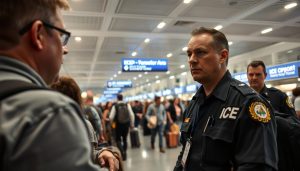
U.S. Immigration and Customs Enforcement shot and killed Renee Good, a 37-year-old mother, in Minneapolis. The Department of Justice’s refusal to investigate led to a surge in resignations. Lawyers are questioning whether the government is changing the rules for its own gain. The Minnesota prosecutor’s resignation details this incident.
In Washington, the situation is even more tense. Senior officials in the Civil Rights Division have left after being told not to pursue certain cases. This has fueled the debate on political interference and how laws are applied. The details are in departures from the Civil Rights Office.
Recently, hundreds of DOJ employees have left, creating gaps on key teams. This is part of a larger shake-up. The country has seen other high-profile resignations, like one in Congress.
There’s a big debate going on. DOJ leaders say they follow strict standards to protect law enforcement and keep cases within federal limits. But critics, including some DOJ attorneys, see it as government interference. This debate also touches on immigration issues, like the White House pushing DHS to deport people faster, as reported in efforts to speed up deportations.
Justice Department Attorneys Key Takeaways
- Justice Department attorneys are stepping down amid claims of political interference and shifting enforcement priorities.
- The Department of Justice’s decision not to open a criminal civil rights case in the Renee Good shooting has intensified scrutiny.
- Resignations have spread beyond Minnesota, with reports of senior departures from DOJ civil rights leadership roles.
- Legal professionals cite worries about the integrity of charging decisions and how federal jurisdiction is being used.
- Resigning lawyers are leaving amid broader attrition, with hundreds pushed out or departing voluntarily across the DOJ.
- The article’s core tension is whether this is lawful discretion or government interference in the legal process.
Justice Dept Attorneys Quit Over Political Interference
In Minnesota, more and more Justice Department attorneys are leaving due to political interference. About half a dozen federal prosecutors have quit. This is causing concern about politics influencing a federal agency that should remain impartial.
First Assistant U.S. Attorney Joe Thompson is one of the key figures who left. He was leading an investigation into fraud schemes across the state. At least four other prosecutors in Minnesota also quit, making it harder for them to manage complex cases.
Sen. Amy Klobuchar called the resignations a loss for public safety. She believes prosecutions should not be influenced by politics. Gov. Tim Walz expressed concerns about the pressure on career staff, fearing White House intervention in their decisions.
Supporters of the resigning attorneys say they are part of a larger trend. They claim that changing priorities and pressure are affecting how cases are handled. For more on this, see reports of political influence in Minneapolis.
The resignations are happening in a busy news cycle. There are also claims and counterclaims about White House intervention in other cases. In Minnesota, the immediate effect is a heavier workload for the remaining prosecutors. There is growing concern about whether the agency can remain independent amid political pressure.
The Minneapolis shooting of Renee Good and the Justice Department’s Civil Rights Division decision
The Minneapolis killing of Renee Good has become a major test for law enforcement and the legal system. It raises questions about how a federal agency should act when trust is low. The Department of Justice’s response and the ICE investigation have sparked debate about integrity and political influence.
What the DOJ said about a criminal civil rights investigation
Deputy Attorney General Todd Blanche said Tuesday there’s no basis for a criminal civil rights investigation into Good’s killing. This was first reported by CNN. The Department of Justice did not explain why they believes a new case is not needed.
A top official also said there’s no basis for a criminal civil rights investigation. This stance has upset legal professionals who wanted a clearer explanation. They are concerned about law enforcement integrity and the legal process.
What is being investigated
An FBI probe is ongoing, despite internal disagreements over roles. Lawyers in the Civil Rights Division were told they won’t be involved “at this time.” This was revealed by two people familiar with internal discussions, who spoke anonymously.
Federal officials say the officer acted in self-defense. They also call the driver’s actions “an act of domestic terrorism.” This framing has raised concerns about political influence and government interference.
How does the present administration differ from past administrations?
Keeping the Civil Rights Division out of the Renee Good matter is a sharp departure from past practice. In the past, the department often quickly assessed possible civil rights offenses after shootings. This was done to reduce community anger while the legal process unfolded.
Minneapolis has seen examples of this. During the first Trump administration, the Department of Justice opened a civil rights investigation into the 2020 death of George Floyd. Under the Biden administration, the Minneapolis Police Department faced a separate “pattern or practice” investigation into systemic violations.
Kristen Clarke, who led the Civil Rights Division under President Biden, said the “grief, tension, and anxiety” in Minnesota is understandable. She believes the public loses when the federal government doesn’t act neutrally. Many legal professionals are watching the fallout from the resignation and wondering about the role of political influence.
Internal division, turmoil, and departures in Washington
In Washington, several supervisors in the Civil Rights Division’s criminal section have given notice of their departures. This is amid turmoil over the probe. Resignations in that section, including its chief, were announced to staff on Monday, days after attorneys were told they wouldn’t be involved.
The Department of Justice said the prosecutors had requested to participate in an early retirement program before the Minnesota events. They denied any suggestion of government interference. The resignation wave has sparked discussions about law enforcement oversight and the Department of Justice.
The timeline has also raised concerns about political influence and the speed with which narratives can form during an ICE investigation. Discussions about public safety pressure and community stressors have appeared in law enforcement integrity conversations. Others point to how fast online attention cycles can steer debates about a federal agency’s role and the Department of Justice’s messaging, as seen in political influence analysis.
Resigning lawyers and remaining staff are now under sharper scrutiny. The resignation and public statements have made coordination between law enforcement, prosecutors, and investigators feel exposed. Law enforcement integrity is now part of the story as much as the facts of the shooting.
Justice Department Attorneys Conclusion
Two big stories are now happening together at the Department of Justice. In Minnesota, lawyers are leaving because of political pressure. This makes people worry about government control in important cases.
At the same time, the DOJ decided not to open a criminal case into Renee Good’s death. This choice is getting a lot of attention. It seems different from what happened in the past.
In the past, the Civil Rights Division acted quickly after police shootings. This showed they were watching and trying to keep trust. Now, there are questions about if politics is influencing the DOJ’s actions.
The resignations of Minnesota prosecutors have made these concerns even stronger.
Now, there are fewer experienced people to handle investigations. This could make it harder to maintain fair, consistent decisions. Critics say this could let government control grow in law enforcement.
Sen. Amy Klobuchar and Gov. Tim Walz say trust in justice drops when politics gets involved. A report from the Brennan Center on the DOJ also highlights the importance of fair oversight. With the Renee Good case and concerns about politics, many are watching to see how the DOJ will act.
White House intervention is a big concern now. If the DOJ wants to be trusted, it must show it’s making decisions based on facts, not politics. This issue is important because lawyers are leaving, and the DOJ faces challenges.