
Trump Cuts State Dept Staff & Ambassador Roles
Explore the implications as Trump cuts State Dept. staff & ambassador roles, reshaping U.S. foreign policy and diplomatic relations globally.

#image_title
Trump Cuts State Dept Staff & Ambassador Roles: The Trump administration has started recalling nearly 30 career diplomats. They are leaving ambassador and senior embassy posts. This marks a significant change in foreign policy.
The Associated Press was the first to report this. Chiefs of mission in at least 29 countries will leave in January. The State Department says ambassadors are the president’s personal envoys. They must follow America First goals, affecting international relations. See more Political news here.
Africa is hit the hardest, with 13 ambassador recalls. Other regions, such as Asia, Europe, the Middle East, and South and Central Asia, are also affected. Politico was the first to notice these departures.
The American Foreign Service Association is worried about diplomatic continuity. State Department layoffs add to the urgency of this debate. It’s about how these changes will shape U.S. foreign policy.
The department says the recalls are routine during transitions. But the scale and timing suggest a significant shift in priorities. Readers interested in Trump’s changes will watch closely. They will see how these changes affect daily diplomacy and international relations.
Trump Cuts State Dept Staff: Key Takeaways
- Nearly 30 career diplomats are being recalled from ambassador and senior embassy roles.
- The Trump administration cites America First goals as the driver of foreign policy changes.
- Africa faces the most recalls, with additional shifts across multiple regions.
- The State Department says ambassadors serve at the pleasure of the president.
- Concerns from the diplomatic community highlight the impact on international relations.
- Related staffing cuts intensify the scope of Trump’s Cuts to the State Dept. Staff & Ambassador Roles.
Overview of State Department Staff Reductions and Ambassadorial Recalls
Washington is quickly reshuffling its diplomatic staff. This is part of a bigger effort to reorganize the government. Last week, career diplomats and senior embassy leaders got messages about changes.
These changes are meant to support an America First agenda. This move comes after some political appointees were let go. It raises questions about how these changes will affect international relations—Trump’s new economic message to America.
What the recalls involve and why they’re happening
Nearly 30 career diplomats are being recalled to ambassadorial and senior roles. This will happen in January. The messages from Washington said it’s to align with the White House’s priorities and make operations leaner.
Some see this as a normal rotation. Others worry it could disrupt important work at key posts. The administration says it’s about making policy clearer and more direct.
The administration argues that rotating leadership helps agencies carry out policy more directly and clearly. Before, the focus was on removing political appointees. Now, career officers who took on roles during the last term are being affected.
Scope of changes across regions and countries
The changes affect at least 29 countries. Africa is the most affected, with countries like Burundi and Nigeria. Asia, Europe, the Middle East, and the Western Hemisphere are also seeing changes.
For more on the broader reassignments and domestic cuts, see this report on State Department layoffs.
How ambassadors serve at the pleasure of the president
Ambassadors are the president’s representatives and usually serve for three to four years. They can be recalled at any time. Those affected keep their Foreign Service status.
Many are expected to return to Washington for new roles. This helps adjust staffing to match policy goals and limit disruption abroad.
Officials say this flexibility is essential to carry out the strategy in real time, even when timelines compress. This shows the government’s restructuring efforts.
Response from the State Department and diplomatic community
The State Department says recall cycles are normal across administrations. They highlight the president’s right to shape his team. Some former envoys and the American Foreign Service Association worry about the impact on international relations.
Coverage first appeared in Politico. Updates noted changes in Africa, Europe, Asia, the Middle East, and the Western Hemisphere. A related overview of ambassador moves is in this news report on recalls.
Trump Cuts State Dept Staff & Ambassador Roles
Washington is making big changes in diplomacy. Trump is cutting staff and ambassador roles. He’s also changing posts to fit new foreign policy goals.
Officials describe a targeted realignment aimed at making teams more efficient. As noted in this AP report, many career officers will move to Washington.
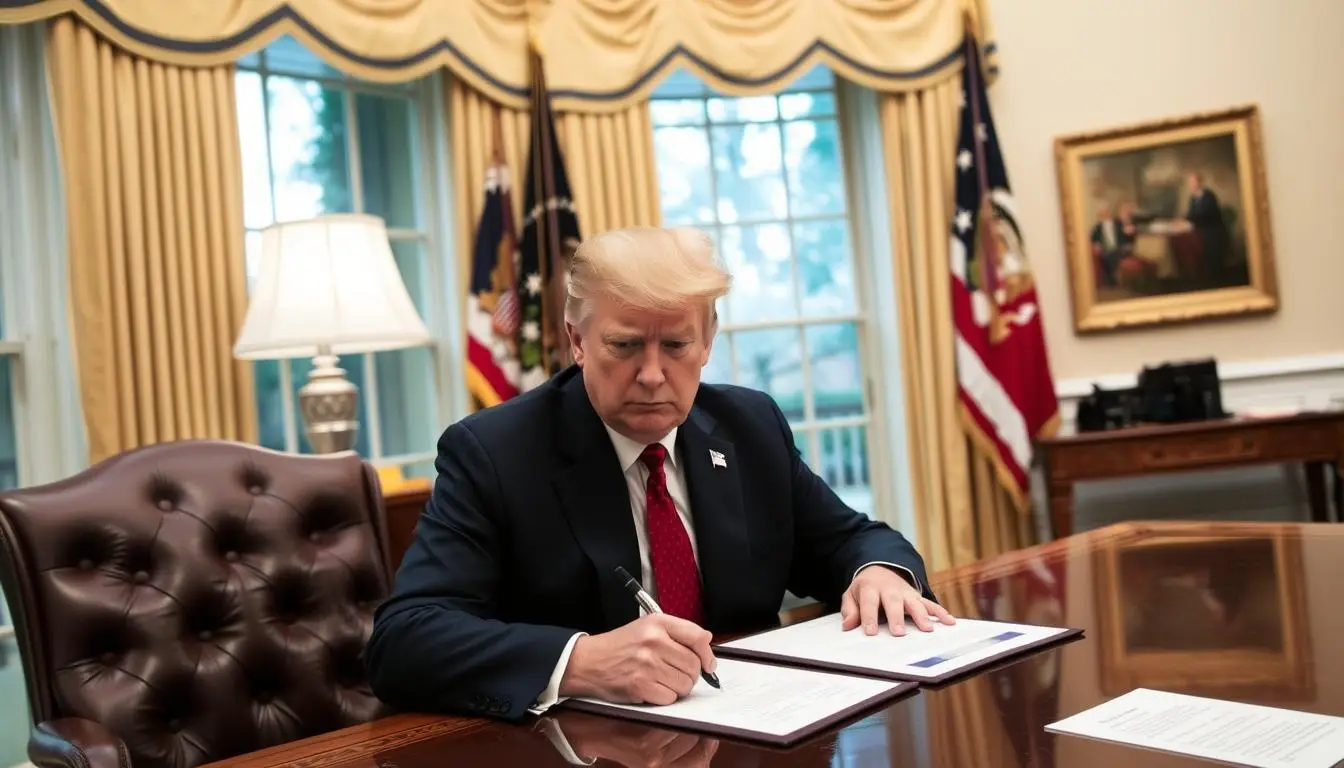
Nearly 30 career diplomats were recalled from ambassador and senior embassy posts.
Midweek, many got end-of-tenure notices. Chiefs of mission and senior embassy officials will leave in January. They are career diplomats who have stayed through tough times.
The State Department says this is normal to keep up with foreign policy. Reassignments are part of a bigger plan to change the government.
America First priorities and reshaping the U.S. diplomatic posture
The White House wants diplomats who focus on trade, security, and migration. This change aims to make policy execution clearer and faster.
Supporters say this makes things clearer. Critics worry about losing regional knowledge. They say this could harm diplomacy.
Countries affected: Africa, Asia, Europe, the Middle East, South/Central Asia, the Western Hemisphere
At least 29 countries will see new ambassadors. This change affects many regions, showing shifts in foreign policy and resources.
- Africa: 13 posts
- Asia: 6 posts
- Europe: 4 posts
- Middle East: 2 posts
- South and Central Asia: 2 posts
- Western Hemisphere: 2 posts
Politico first reported the recalls. This has raised concerns from lawmakers and the American Foreign Service Association. The department says many career officers will be reassigned, not fired.
Africa most impacted: Burundi, Cameroon, Cape Verde, Gabon, Ivory Coast, Madagascar, Mauritius, Niger, Nigeria, Rwanda,
Also, Senegal, Somalia, and Uganda are affected. Africa’s security and economic hubs will see changes in their posts.
In Asia, Fiji, Laos, the Marshall Islands, Papua New Guinea, the Philippines, and Vietnam will see changes. Europe’s group includes Armenia, Macedonia, Montenegro, and Slovakia. The Middle East includes Algeria and Egypt; South and Central Asia include Nepal and Sri Lanka; and the Western Hemisphere includes Guatemala and Suriname. These changes reflect new government priorities.
Trump Cuts State Dept Staff Conclusion
The Trump administration has recalled nearly 30 career envoys and cut staff. Ambassadors work for the president, and these changes aim to align with America First goals. Posts in Africa, Asia, Europe, the Middle East, and more have seen changes, with Africa being hit the hardest.
Supporters say these changes are needed to streamline and focus on key priorities. Critics, though, fear it could harm international relations. They worry about the impact on work, security, and aid.
The State Department has been undergoing a significant overhaul. The goal is a leaner department for quicker decisions and clearer authority. Whether this will work or hurt expertise is yet to be seen.
As embassies adjust and new leaders come in, Congress will keep a close eye. Stronger alliances, effective deterrence, and successful programs will measure success. If these goals are met, the changes will be seen as beneficial. But if not, critics will say the removal of political appointees was a costly mistake.


