Accused Antifa Terrorists Convicted in Texas Case
Read about the terrorists convicted in Texas Antifa case, marking a significant milestone in the state’s battle against domestic terrorism.
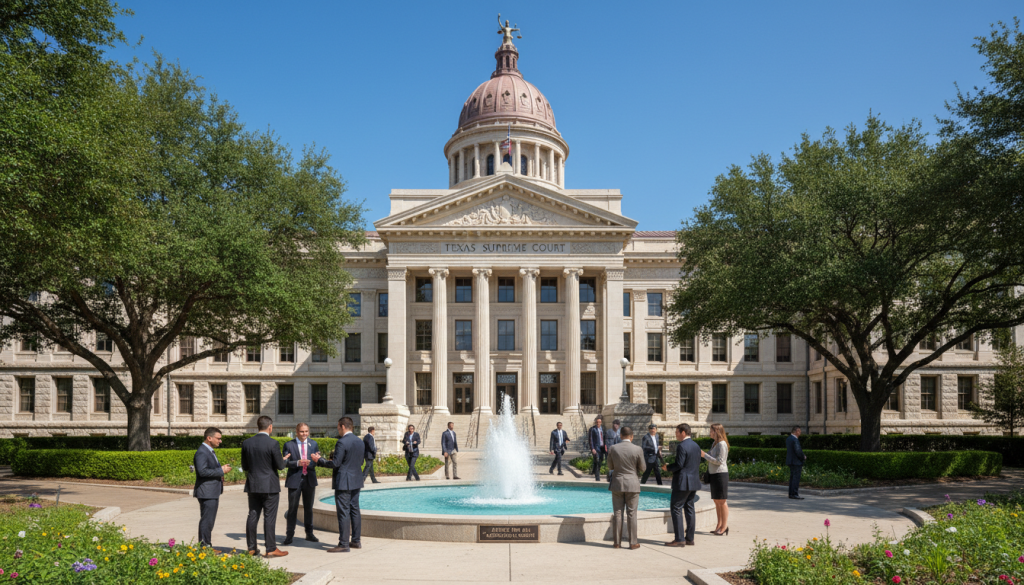
Accused Antifa Terrorists Convicted: DALLAS (AP) — A federal jury found eight people guilty on Friday. They were charged with terrorism related to a shooting at a Texas immigration facility. This verdict is at the heart of a big debate on protest tactics, border enforcement, and safety. Other law and court-related news.
The incident happened on July 4, 2025, outside the Prairieland Detention Center in Alvarado, Texas. Prosecutors said one defendant fired shots as officers arrived. Alvarado Police Lt. Thomas Gross was hit in the shoulder and neck.
Federal authorities called the defendants part of a North Texas “Antifa cell.” They said it was a terrorism case. But defense lawyers argued the group wasn’t antifa. They claimed it was a peaceful protest to support detained immigrants during the Trump administration’s deportation efforts.
The case drew attention to the events outside the facility. There were fireworks, property damage, and shots fired at police. More details are in this report on the Texas terrorism trial outcome.
Accused Antifa Terrorists Convicted: Key Takeaways
- The texas antifa terrorism case verdict came from a federal jury in North Texas.
- Prosecutors tied the July 4, 2025, incident to the Prairieland Detention Center in Alvarado, near Dallas.
- Alvarado Police Lt. Thomas Gross was shot while responding to the scene.
- The U.S. Department of Justice described the group as a North Texas “Antifa cell.”
- Defense lawyers said the event was a “noise demonstration” meant to support detained immigrants.
- The ruling is being watched as the Terrorists convicted in the Texas Antifa Case move toward sentencing and appeal decisions.
Texas antifa case update: jury verdict in the Prairieland Detention Center shooting
A federal jury in Fort Worth recently made a decision in a case involving violence outside an ICE detention site in North Texas. This case is at the heart of a big debate about domestic terrorism in Texas. Both sides have different views on what the group planned to do that night.
Where it happened and what prosecutors alleged
The attack happened near the Prairieland Detention Center in Alvarado, Texas, south of Dallas. Prosecutors called it a 2025 “ambush” on an ICE facility. They said people came in black, military-style clothing and face coverings.
In court, the government said the group used fireworks, damaged buildings and vehicles, and fired at officers. They found signs of planning, such as firearms, first-aid kits, and body armor. This, they said, showed intent for violence.
Benjamin Song faced the most serious allegation. Prosecutors said he shouted “get to the rifles” and opened fire as an officer arrived, wounding Alvarado Police Lt. Thomas Gross.
Defense attorneys argued it was meant to be a noise demonstration, not a coordinated assault. They said the government was stretching the facts to label protesters as terrorists. Don Lemon, Court case of Temple Terror Attack.
What the jury decided and when sentencing is scheduled
The jury delivered its verdict around 2:30 p.m. on a Friday after about a day and a half of deliberations. Federal prosecutors said antifa affiliates found guilty in Texas included Song, who was convicted of attempted murder tied to the shooting of Lt. Gross.
Eight other defendants were convicted on counts that included providing material support to terrorists, rioting, conspiring to use and carry explosives, and using explosives during a riot. Daniel Estrada was convicted of concealing records and conspiracy to conceal documents, and Maricela Rueda was convicted of conspiracy to conceal documents.
Sentencing dates were not set out in the verdict announcement, but the convictions moved the Texas domestic terrorism case into the penalty phase. Prison exposure can vary sharply by count.
Trial scope and evidence presented
The trial began on February 23, 2026, and ran for 12 days. More than 45 witnesses and over 210 exhibits were presented. Prosecutors said the defendants were part of a North Texas “Antifa cell,” and the Justice Department highlighted nine convictions connected to the incident.
For readers tracking the Texas Antifa case, a detailed summary of the proceedings is in this report on the Fort Worth case. The evidence record included scene photos, damage reports, and testimony about gunfire and explosions. The courtroom focused on what happened minute by minute.
As the case record stands, antifa affiliates found guilty in Texas now face the next stage in federal court. Lawyers continue to argue over intent, organization, and what the jury should take from the night’s chaos.
Terrorists convicted in the Texas Antifa Case: charges, defendants, and Texas terrorism trial outcome
The federal verdicts were about a July 4 attack at an ICE detention site in Alvarado. The court followed what jurors accepted and what they didn’t. This case is notable for its violence, allegations of rioting, and document-related counts. Also see the Alex Pretti Protests over ICE Enforcement.
Key convictions and the Texas terrorism prosecution results
Eight people were found guilty of terrorism-related charges. They were charged with supporting terrorists, rioting, and using explosives. The case also involved a shared-responsibility theory, even though only one person fired a shot.
Benjamin Song was found guilty of attempted murder for shooting a police officer. Other defendants faced charges related to attempted murder and discharging a firearm. This mix of counts will influence how they are sentenced.
Who was convicted: antifa members convicted in Texas, and co-defendants named in court coverage
Nine people were found guilty: Cameron Arnold, Zachary Evetts, Benjamin Song, and others. They were called antifa members convicted in Texas by federal officials.
Daniel Rolando Sanchez-Estrada was convicted of hiding records and conspiracy. Maricela Rueda was found guilty of concealing documents. These convictions were different from the terrorism charges against the others.
Statements and reactions after the verdict
After the trial, Attorney General Pam Bondi said similar cases would continue. ICE Director Todd M. Lyons praised the jury’s decision. Defense attorney Cody Cofer criticized the prosecution and announced plans for an appeal.
One report on the verdict is available here. It highlighted the difference between explosive and records-related charges. This distinction was important for understanding the verdict and its implications.
Why this Texas domestic terrorism case drew national attention
Federal officials linked the defendants to the antifa movement. They called it domestic terrorism. The setting, an ICE detention facility, made the story more than just local crime.
The group wore dark, military-style clothing and masks. A police officer was shot, and explosive devices were used. These facts, along with the terrorism charges, kept the trial in the national spotlight.
Accused Antifa Terrorists Convicted Conclusion
This texas antifa case update ends with a clear jury call. On March 13, 2026, a federal jury found eight defendants guilty on terrorism-related counts. These counts were tied to the July 4, 2025, attack outside the Prairieland Detention Center near Dallas.
Benjamin Song was also convicted of attempted murder. He was found guilty of shots that wounded Alvarado Police Lt. Thomas Gross. Lt. Gross later fully recovered.
The Texas terrorism trial outcome now moves to sentencing. The judge is set to impose penalties in June 2026. This hearing will decide prison terms and other consequences for the eight people found responsible.
For readers tracking terrorists convicted in the Texas Antifa Case, coverage of the Prairieland Detention Center shooting is available. It explains how the terrorism counts were applied and why prosecutors said the group’s actions showed intent.
Prosecutors argued the defendants acted as one unit. They used concealment and coordination, then tried to erase traces after the shooting. This framing underpins the texas antifa case update and the government’s push to treat the plot as a terrorism case.
A detailed account of the verdict and counts appears in this report on the guilty findings.
Defense lawyers and civil liberties advocates see the verdict as a test. They question how far terrorism statutes can reach when politics and street protests collide. This debate will shape public reaction to the Texas terrorism trial outcome as sentencing and appeals unfold.
For now, the terrorists convicted in the Texas Antifa Case. June will determine what that label means in years.