Venezuelan Ship Strike: Border Defense or War Act?
Explore the impacts of the Venezuelan Ship Strike on maritime labor, international trade, and global shipping dynamics amid escalating tensions.
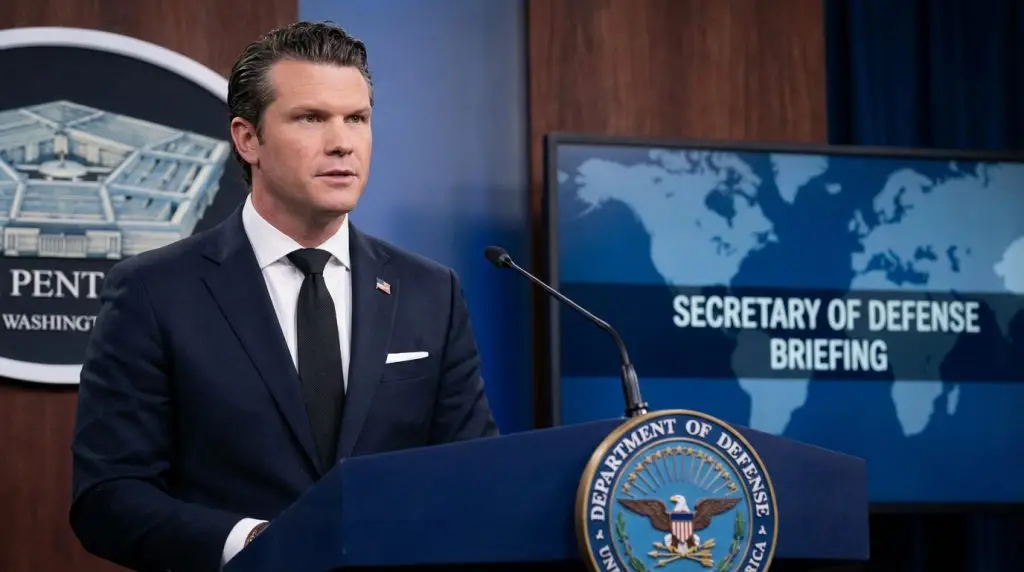
Venezuelan Ship Strike
The reports from Sept. 2 ask what line, if any, separates defense from war. The Venezuelan Ship Strike started with a “kinetic strike” on a suspected drug boat. Then, a claim of a spoken order to “kill everybody” was made by Defense Secretary Pete Hegseth, according to the Washington Post.
Two men clung to wreckage on a live feed. A second strike, according to early accounts, ended their lives. If border defense becomes a war act at sea, what happens to the people in the middle?
The White House press secretary, Karoline Leavitt, acknowledged that more than one strike occurred. She said Adm. Frank Bradley acted within his authority and in accordance with the law. President Donald Trump stood by Hegseth.
Hegseth rejected the reporting as “fake news” and vowed more action against “narco-terrorists.” Lawmakers in both parties called the alleged follow-up strike a possible war crime. Protocols were reportedly changed to prioritize rescue.
In this moment, the Venezuelan ship strike sits at the edge of global shipping dynamics. A protest at sea and a maritime workers’ strike are not the same as a firefight, yet risk being read through the same lens.
What counts as protection when survivors float in open water? Independent analyses raise legal alarms about the necessity and proportionality of the measures. They question whether such force fits any recognized self-defense claim.
For deeper context, see this legal overview that questions the path taken. Coverage of the wider buildup and aims appears in regional reporting and ongoing assessments of escalation risks. I keep wondering: if our intent is to protect, where do we place the human beings adrift in that water?
Venezuelan Ship Strike Key Takeaways
- The Venezuelan Ship Strike blurs the line between border defense and a war act, raising urgent legal and moral questions.
- Reports allege a second strike killed survivors clinging to wreckage, prompting bipartisan calls for oversight.
- Karoline Leavitt said Adm. Frank Bradley acted within his authority; President Donald Trump defended Pete Hegseth.
- Pete Hegseth denied the reporting and framed the mission as lethal action against “narco-terrorists.”
- Critics argue the operation may violate the principles of necessity and proportionality, as well as protections for those outside the fight.
- Protocols reportedly shifted after Sept. 2 to focus on rescuing surviving suspects.
- The incident unfolds amid global shipping dynamics and debate over protests at sea versus combat operations.
Breaking Context: What Happened During the Sept. 2 Operation off Venezuela
I remember watching a grainy clip of a night sea. It made me think about how conflicts far away can affect us all. A single event can grow into a big problem, affecting shipping and jobs for months.
When violence happens at sea, it can lead to disputes on land. What happened that night, and why does it matter?
I keep asking myself: who bears the weight after a decision is made under pressure?
Sequence of Events: Initial Strike and Alleged Follow-up Attack
Reports say the U.S. struck a suspected drug boat off Venezuela on September 2. Then, major outlets shared a live drone feed of survivors in the water. An alleged second attack followed, causing widespread concern.
This story quickly grew, making everyone uneasy. It showed how one event can lead to larger problems, such as disruptions to shipping and jobs.
Key Figures: Defense Secretary Pete Hegseth, Adm. Frank Bradley, and White House Response
The Washington Post linked Defense Secretary Pete Hegseth to the decision to strike. Adm. Frank Bradley was in charge of the operation. The White House said Hegseth gave Bradley the green light to target “presidentially designated narco-terrorist groups.”
President Donald Trump later said Hegseth didn’t order the deaths. He also said he wouldn’t have wanted a second strike. Each statement added to the confusion, like waves that won’t settle.
Conflicting Accounts: Orders to “kill everybody,” denials, and confirmations of multiple strikes
The Post reported a directive to “kill everybody,” based on two sources. Hegseth denied the report but said the strikes were meant to be lethal. Trump doubted a second strike had happened. Leavitt said multiple strikes did occur and tied them to Bradley’s decisions.
Such conflicts affect more than just those at sea. They impact dockworkers, sailors, and families, leading to labor disputes.
Why It Matters Now: Oversight, changed protocols, and mounting bipartisan scrutiny
Members of Congress from both parties are now investigating. They include Reps. Mike Rogers and Adam Smith, and Sens. Roger Wicker and Jack Reed. Sen. Mark Kelly has promised public hearings with sworn testimony.
After September 2, new protocols were put in place to save survivors. But, the question remains: are these changes for the better, or a sign of something deeper?
The impact goes beyond one incident. It touches on the Venezuelan shipping crisis, threatens port disruption, and shows how conflicts can spread. For more on the legal aspects, see this analysis on international maritime law and its use.
Venezuelan Ship Strike
The phrase “Venezuelan Ship Strike” has a double meaning. It’s a sudden event at sea, but it also affects the daily work of sailors and ports. I imagine a ship’s deck at dawn, with creaking lines and crackling radios. What do sailors think when they hear the word “kinetic”?
Reports tell of a deadly campaign in the Caribbean, with over 80 deaths in early September. The investigation into the Sept. 2 action is on my mind as I look out to sea. A Venezuelan ship strike is more than a headline; it’s a feeling that spreads from the captain’s wheel to the docks.
The government sees narco-boat crews as enemies, using war laws. But I remember when the Coast Guard would board and arrest. This contrast is seen in the same waters where cargo ship labor strikes once affected paychecks and schedules. Now, the sound of missiles echoes through the lanes.
How do we balance risk when ships, trawlers, and patrols share the same sea? Global shipping dynamics seem fragile when rules change without warning. If a signal to fire replaces a call to board, where does trust go? The silence after an alarm bell is almost palpable.
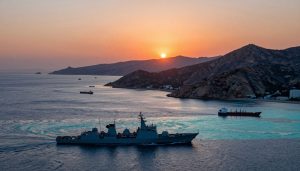
I hold two images at once: a suspected drug boat in flames and a tired crew watching from a distance. The Venezuelan Ship Strike is a story of tactics and people—hands on rails, eyes on swells, waiting for the next order.
What keeps commerce steady when fear is high? And when a Venezuelan ship strike becomes the day’s weather, who charts a path that keeps both justice and seamanship intact? The question hangs in every channel marker and port call.
- Working crews listen for updates while planning safe transits.
- Ports balance security checks with throughput goals.
- Insurers, shippers, and unions track routes, risk, and morale.
In the end, I stand at the rail and think about routes that cross more than water. Global shipping dynamics are routes of trust. A cargo ship labor strike would halt a pier; a lethal strike changes the air that everyone on that pier must breathe.
Legal and Political Fallout: War Crime Allegations, Oversight, and International Law
We are asking a simple question: when does a border fight become something else? The line between enforcement and armed conflict feels thin at sea. As the waves rise, so do war crime allegations, and the weight of international law presses on every decision.
Across decks and committee rooms, the tone has shifted. What began as interdiction now collides with a broader story about power, restraint, and duty. Even in a region used to protest at sea, this moment feels different.
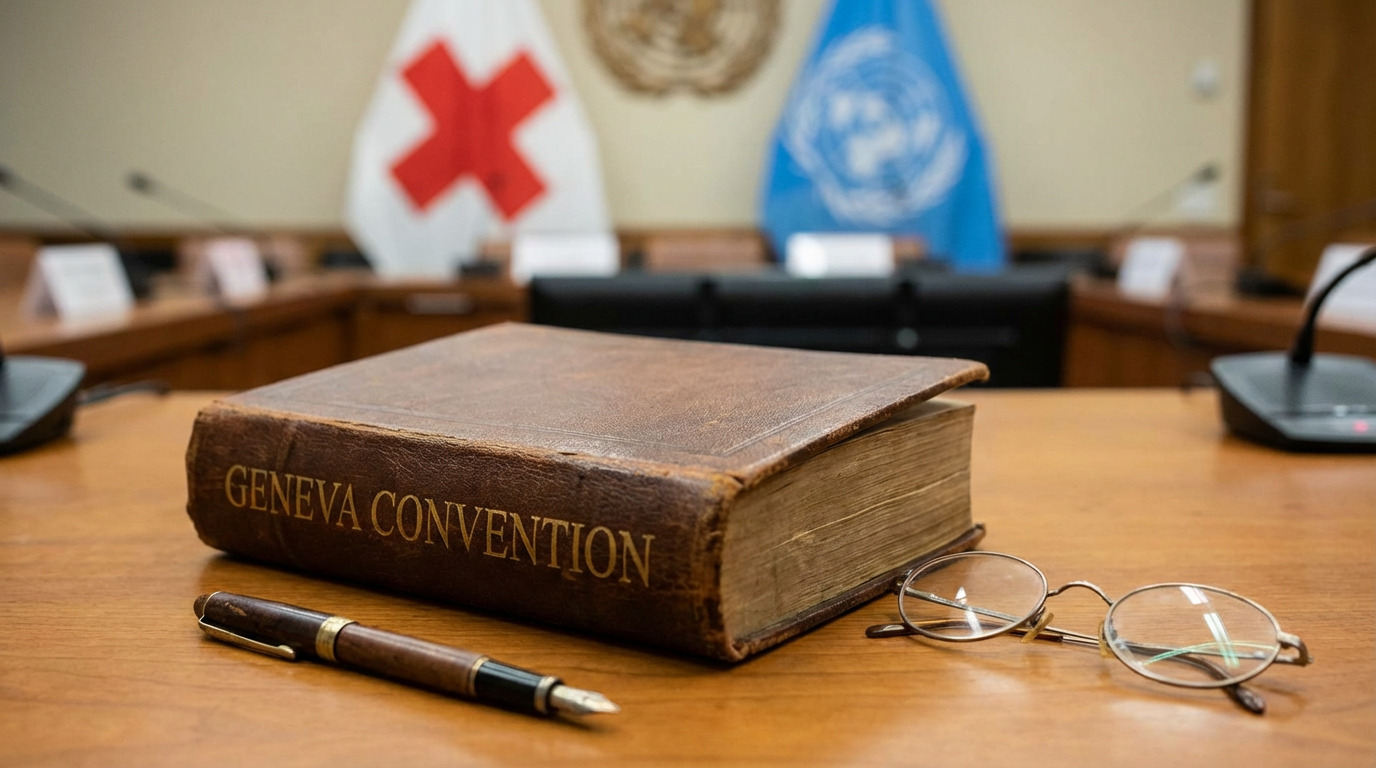
Possible Law-of-War Violations: Targeting survivors clinging to wreckage and what the Geneva Conventions say about War Crimes
The experts say that a person on wreckage is no longer a fighter. That image stays with me. If the trigger is pulled, then does mercy arrive too late? The shadow of the “show no quarter” idea hangs over the case, and international law demands answers.
Lawmakers cite rules everyone learns early at sea: rescue first. When that norm bends, the ocean itself feels colder.
Bipartisan Reaction on Capitol Hill: Promised investigations and public hearings
In the halls of Congress, I’ve watched bipartisan scrutiny grow by the day. House and Senate leaders—Mike Rogers, Adam Smith, Roger Wicker, and Jack Reed—have pressed for documents and briefings. Senators Mark Kelly and Chris Van Hollen want public testimony and full video, not fragments.
It is rare for both parties to speak in the same register. That unity signals a deeper worry: accountability that must match the stakes.
Expert Opinions: Hostilities threshold, “show no quarter,” and armed conflict claims.
Scholars challenge the very premise of an “armed conflict” against cartels. They argue the legal threshold for hostilities is high, and that commerce in illegal goods is not the same as an attack. I find myself turning to measured sources like the conflict tracker on Venezuela to trace how missions expand, and labels shift.
Words matter here. Once we say “war,” we inherit rules we cannot bend to fit the moment.
Administration’s Rationale vs. Precedent: Narco-terrorist designation vs. prior Coast Guard interdictions
The White House frames targets as “narco-terrorists,” and officials say the strikes were lawful. Yet past practice relied on the Coast Guard—boarding, arrests, and careful custody—rather than fire from the horizon. That contrast echoes through every briefing.
Even supporters of the campaign point to shifts after Sept. 2, including an emphasis on search-and-rescue. To me, that reads like an acknowledgment that the sea runs on customs older than any single order.
- International law sets the floor, not the ceiling.
- Bipartisan scrutiny tests whether that floor held.
- Mariners weigh risk alongside duty, especially amid a quiet shipping industry conflict and the rare maritime labor dispute that reminds us how fragile safety norms can be.
As I sift testimony and leaked accounts, I keep hearing the surf beneath the headlines. What do we owe to a castaway, even a suspect? And if our answer shifts with the tide, what does that do to us?
For a fuller sense of the emerging narrative and contested reporting around the command climate, I reviewed coverage that probes the alleged pre-mission orders and their aftermath in this news report. The questions linger like salt on the air.
Venezuelan Ship Strike Conclusion
I see two men in open water, gasping for air. They are lucky to be alive. The U.S. government sees cartels as enemies, using this to justify the Venezuelan Ship Strike. President Trump says he wouldn’t have wanted a second attack.
Experts say survivors of such attacks break old rules. “Show no quarter” is a rule we don’t follow. The U.S. changed its rescue protocols, which is both necessary and risky.
Congress is taking action. They are writing letters and planning hearings. They want unedited footage to see if the second attack was justified.
The crisis in Venezuelan shipping affects more than headlines. It impacts the lives of sailors and dockworkers. Each incident adds to the risk, causing delays and increasing costs.
When routes change due to fear, jobs are affected. The U.S. has a mission in the Caribbean, as reported by PBS NewsHour. We must consider what we owe each other and the sea when the crisis ends.
Mercy is not weakness. Law is not just a show. Our choices in this crisis will be felt in every harbor, affecting global shipping.