
Federal Travel Banned as Congress Demands Boat Strike Video
Embarking on federal travel is halted as the Pentagon faces Congressional pressure to release a critical boat strike incident video.
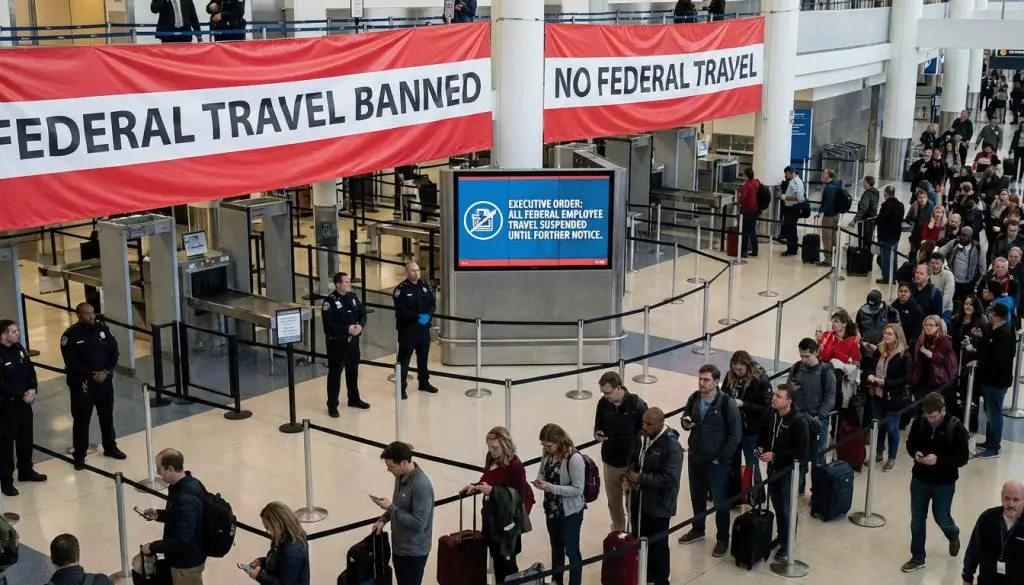
Federal Travel Banned: Congress is pushing for more openness. They’ve added a rule to the National Defense Authorization Act. This rule ties the Defense Secretary’s travel to showing unedited footage from the U.S. Southern Command.
One quarter of the Defense Secretary’s travel budget will be frozen. This is until the Pentagon shares the video with Congress. This move combines travel rules with a push for transparency.
The rule is in response to a September 2 strike. This strike killed two people after an initial attack. Top officials showed lawmakers the unedited footage.
Some Democrats questioned the Pentagon’s story, while Republicans supported the operation. President Trump said he’s okay with releasing the video. Secretary Hegseth warned of risks. For more on this, see this summary.
The NDAA also delays funding for overdue reports, such as lessons from Ukraine. This adds more restrictions. The travel ban is a way to get evidence and hold people accountable. It doesn’t affect the whole government.
Federal Travel Banned: Key Takeaways
- Congress uses a conditional travel ban to force the delivery of unedited strike footage to oversight panels.
- The NDAA withholds a quarter of the Defense Secretary’s travel budget until the Pentagon complies.
- Lawmakers seek clarity on a September 2 follow-up strike at sea that has raised legal concerns.
- Hegseth cites troop safety; Trump signals openness to release, underscoring internal tension.
- The measure ties travel regulations and transparency, expanding federal travel policy as leverage.
- Unedited footage from U.S. Southern Command operations is at the center of the dispute.
- Additional reports, including Ukraine lessons learned, are required before full funds are restored.
Why Congress Tied Travel Funds to Pentagon Boat Strike Video
Lawmakers tied travel funds to video access to ensure clarity, not just headlines. This move fits within current travel rules. It shows how restrictions can lead to disclosure without stopping missions.
With a federal travel ban for senior leaders until demands are met, the debate has grown. It now involves federal travel policy, official travel bans, and political restrictions. These changes are reshaping oversight.
What the defense bill requires from the Pentagon
Congress asked the Pentagon to share unedited videos of strikes against terrorist groups in the U.S. Southern Command area. They also need overdue reports, like lessons from the Ukraine war, before restoring the travel budget. These demands align with tools that prioritize timely, accurate information.
This approach uses government restrictions to get a clear record of anti-smuggling missions. It mirrors a focused official travel ban aimed at compliance, not punishment.
Withholding a quarter of the Defense Secretary’s travel budget: scope and impact
Congress has set aside 25 percent of Defense Secretary Pete Hegseth’s travel funds until the Pentagon complies. This limits high-level trips but keeps operations running. It’s a targeted restriction, not a blanket ban, but it tightens planning for global engagements.
This step shows how federal travel policy can be used for oversight. It’s not a complete federal travel ban, but it signals restricted travel until Congress gets what it wants. For more on budget standoffs and their effects, see this brief overview.
Focus on unedited footage from U.S. Southern Command operations
Lawmakers want raw footage to avoid spin and resolve targeting disputes. Sen. Roger Wicker has pushed for wider access after top leaders saw the footage. Rep. Adam Smith believes broader release would test partisan claims.
This effort aligns with travel rules that link senior trips to transparency. If the videos clarify intent and conduct, the ban could be lifted quickly. This would restore flexibility without weakening oversight.
The September 2 follow-up strike controversy and legal concerns
A September 2 strike killed two survivors of an initial attack, raising legal concerns. Some question if the action violated the law of armed conflict. Pete Hegseth supported the decision, but said Adm. Frank Bradley made the final call.
The debate has grown as the administration labeled targets “narco-terrorists,” with at least 87 deaths reported. These questions led Congress to link travel funds to disclosure. For more on policy friction during funding fights, see this update on benefits during a shutdown.
In short, the funding link aims to deliver unedited facts first, with travel restored once the record is complete and reviewed.
Federal Travel Banned: How the Conditional Travel Ban Shapes Policy and Accountability
Lawmakers created the Federal Travel Ban policy as a tool, not a shutdown. It links senior travel to the release of a specific video and overdue reports. This policy is part of federal travel rules, aiming to match oversight with clear goals.
Defining the official travel ban within the federal travel policy
This policy is a conditional ban on a part of the Defense Secretary’s budget. It’s not a ban on travel across all agencies. The goal is to get unedited footage from Southern Command. Congress uses this to push for accountability within federal travel rules.
The ban ties resources to a specific oversight request. It shows how government restrictions and travel regulations can guide actions without stopping important work.
Implications for restricted government travel and operational tempo
With 25 percent of the Secretary’s travel funds on hold, senior trips are limited. Core operations keep going, but planning must adjust. The ban encourages quicker video and report production, but limits high-level travel.
These restrictions focus on cost control and documentation. They also change how oversight visits and international meetings are planned. This shows that federal travel policy can support transparency and logistics.
Positions from key actors: Hegseth, Trump, Bradley, Caine, Wicker, and Smith
Pete Hegseth was concerned about troop safety but supported the decision to authorize the second strike. Donald Trump said he’d release the video, pushing for openness. Adm. Frank Bradley and Gen. Dan Caine briefed lawmakers with unedited footage.
Sen. Roger Wicker wanted more access to the footage for all members. Rep. Adam Smith argued the video contradicts GOP claims and called for public hearings. These views shape the debate on the official travel ban.
Competing narratives after lawmakers viewed unedited footage
After the briefing, some Republicans backed the administration’s story. Democrats pushed for wider release, saying the footage tells a different story. The disagreement continues to put pressure on the Pentagon, even as travel restrictions remain in place.
The debate over the September 2 strike and the counter-smuggling effort continues. The travel ban remains as a budget signal. It limits discretionary trips until Congress gets the unedited evidence it wants.
Federal Travel Banned Conclusion
Congress used the NDAA to link part of the Defense Secretary’s travel budget to unedited U.S. Southern Command footage and overdue reports. This created a narrow but real political travel restriction. It acts like a targeted travel ban for senior leadership without stopping operations.
This approach fits within federal travel policy. It shows how government restrictions can force disclosure when key evidence is inside the Pentagon.
The push grew stronger after the September 2 follow-up strike, which killed two survivors. This sparked fresh legal debate over labeling targets as narco-terrorists. Lawmakers who viewed the unedited video reached different conclusions, leading to calls for clarity.
As a result, restricted government travel became a way to resolve disputes and reinforce oversight standards. This was under the travel ban framework.
Inside the executive branch, Pete Hegseth cites troop safety, while Donald Trump has expressed openness to release. This shows internal differences. Adm. Frank Bradley and Gen. Dan Caine briefed top lawmakers.
Sen. Roger Wicker and Rep. Adam Smith pressed for broader access, further inquiry, and possible public hearings. Their stance matches reporting on the shift toward wartime authorities in the Caribbean. This includes contested strikes and legal scrutiny detailed in this armed-conflict approach.
By conditioning travel funds, Congress showed a measured tool, not a blanket shutdown. This model blends federal travel policy with targeted government restrictions. It aims to secure transparency while preserving core missions.
If sustained, this narrow political travel restriction could last as a template for oversight. It uses restricted government travel to compel facts and close the accountability gap under any future travel ban debate.
Federal Travel Banned FAQ
What does the defense bill require the Pentagon to deliver to Congress?
The National Defense Authorization Act asks the Pentagon to give Congress unedited videos of strikes against terrorist groups in the U.S. Southern Command area. This includes operations in Latin America. It also demands overdue reports, like lessons from the Ukraine war, before travel funds are fully restored. This is to ensure accountability.
How does withholding a quarter of the Defense Secretary’s travel budget work?
Congress will withhold 25 percent of Defense Secretary Pete Hegseth’s travel funds. This is until the Pentagon sends the unedited videos and reports to Congress. This move is intended to enforce compliance without halting military operations.
Why are lawmakers focused on unedited U.S. Southern Command footage?
Lawmakers want unedited footage to clear up any confusion about recent missions. Adm. Frank Bradley and Joint Chiefs Chair Dan Caine showed it to lawmakers. But Sen. Roger Wicker wants everyone to see it. This push is part of travel rules that link senior travel to transparency.
What are the legal concerns around the September 2 follow-up strike?
The second strike on September 2 killed two survivors of the first attack. Some say it could be a war crime, depending on the survivors’ status. This controversy, along with 87 deaths in the anti-smuggling campaign, is why Congress wants the unedited video and reports before releasing travel funds.
Is this an official travel ban under federal travel policy?
It’s a conditional travel ban on part of the Defense Secretary’s travel budget. It’s not a total travel ban. Instead, it’s a targeted restriction in the NDAA. It links access to travel resources to compliance by delivering the required video and reports.
How will the conditional travel ban affect operations and senior engagements?
The ban limits high-level travel flexibility. It affects planning for international meetings, oversight visits, and working with allies. It’s a measure to force disclosure without disrupting military operations. The pace of operations stays the same, but senior travel is restricted until the Pentagon complies.
Where do key figures stand on releasing the video?
Defense Secretary Pete Hegseth supports the second strike, citing safety concerns. President Donald Trump says he’d release the video without hesitation. Sen. Roger Wicker wants more people to see the video. Rep. Adam Smith says the footage contradicts Republican claims and calls for a full investigation.
Why do interpretations of the unedited footage differ among lawmakers?
After Bradley and Caine showed the video, some Republicans said it backed the administration’s story. Democrats disagree and want it shared more widely. This shows why Congress tied travel funds to evidence delivery—a way to ensure transparency and settle disputes.


