JD Vance Eyes Minnesota for Day Care Fraud Concerns
Explore the proactive steps taken by JD Vance as he focuses on investigating and preventing Day Care Fraud in Minnesota’s childcare services.
JD Vance Eyes Minnesota for Day Care Fraud Concerns
A viral video has brought Day Care Fraud into the national spotlight. The footage shows empty daycares in Minnesota. It raises questions about how public child care dollars are used.
Nick Shirley posted a video online that shows empty sites listed as day cares. Critics say this is a sign of fraud. They point to possible problems with licensing and payment systems.
Vice President JD Vance has spoken out about the need for better oversight. The FBI is also getting involved. This adds urgency to the debate on fraud in Minnesota.
Minnesota is already working on reforms. Gov. Tim Walz supports criminal actions and audits. He also wants more power to enforce laws, as reported by coverage of the viral daycare video.
Day Care Fraud Key Takeaways
- The dispute centers on daycare fraud claims triggered by a widely shared video from Minnesota.
- Nick Shirley’s footage shows locations that look inactive despite being listed as licensed providers.
- Critics say the images suggest possible fraudulent daycare centers and financial misconduct in child care.
- Vice President JD Vance’s reaction added pressure for faster day care fraud investigations.
- Federal attention is growing as Minnesota faces wider scrutiny over public program spending.
- Gov. Tim Walz’s office says the state is expanding audits and backing prosecutions to prevent daycare fraud.
Viral Minnesota Video Triggers Federal Attention and Political Response
A viral video from Minnesota has made day care oversight a national issue. People are discussing daycare scams and how they are checked. They wonder about licensing, attendance records, and public payments. More political news.
Nick Shirley’s on-the-ground footage of allegedly abandoned licensed day cares.
Nick Shirley’s video shows him approaching several sites labeled “licensed day cares.” These places seem empty, with dark windows and locked doors. Yet, they are linked to public funding.
The video has sparked debates about daycare fraud. People are questioning enrollment counts and whether staff and kids are really there when records say they are. See the archive of state laws that might affect you.
How the video spread: posted Dec. 26 and has surpassed 100 million views on X
The 42-minute video was posted on Dec. 26 and quickly got over 100 million views. It turned local concerns into a national debate. Some say it shows illegal daycare practices, while others urge caution until the facts are confirmed.
This attention comes as Minnesota debates fraud and accountability. The issue is part of a larger discussion, as seen in a recent Minnesota fraud court fight.
JD Vance’s public reaction and praise of the video as “useful journalism.”
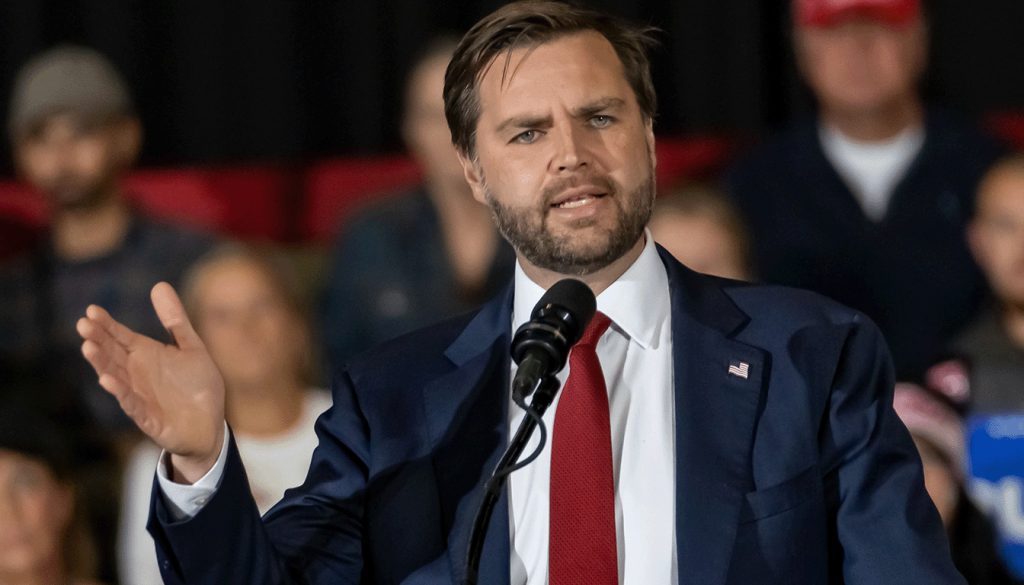
JD Vance shared the video on social media, calling it “useful journalism.” His support brought more attention to the allegations. Supporters say the claims need urgent review.
Shirley has received both praise and criticism. He has been praised for his work but has also faced backlash for false claims, such as a debunked flag redesign story by Reuters.
FBI response: Director Kash Patel says the bureau is aware and has surged investigative resources
On Dec. 28, FBI Director Kash Patel said the FBI is looking into the Minnesota allegations. He believes it might be just the start of a considerable investigation. Agents will follow the money and protect children, he said.
This scrutiny is part of a larger effort to combat social services fraud in Minnesota. It includes reports on big investigations and oversight gaps, as discussed in a broader Minnesota welfare-fraud breakdown.
Day Care Fraud Concerns in Minnesota Amid Wider Social Services Fraud Scrutiny
As Nick Shirley’s video spread, Minnesota became more cautious about oversight. The talk around daycare fraud is not just about one clip. It points to a bigger worry about tracking and verifying public dollars.

What the video alleges
The video bluntly alleges that several sites shown on camera appear closed or empty during regular hours. Yet they were described as licensed to care for dozens of children and as receiving public funds. This raises fears of phantom operations and gaps that can hide child care financial misconduct—more on the latest law articles here.
Those images also sharpen questions about records, attendance logs, and inspections. When a door stays locked, critics say it becomes harder to tell whether staffing and enrollment claims match reality, especially if fraudulent daycare centers learn how to blend in.
How does this fit a broader pattern?
The day care claims arrive while Minnesota faces overlapping federal scrutiny tied to social services programs. Reporting in the broader pressure includes federal agents on the ground and calls for stricter enforcement. This adds momentum to daycare fraud investigations and debates over how agencies respond when warnings surface.
One snapshot of the political and enforcement climate appears in coverage of the Minnesota fraud scandal. It describes mounting concern about suspected networks and oversight breakdowns. The same atmosphere shapes how quickly the state and federal partners may move on new referrals.
Context from prior cases
Minnesota’s recent history includes the Feeding Our Future prosecution. Federal prosecutors have charged 78 people since 2022 in a $250 million federal nutrition aid fraud scheme, with at least 60 convictions. In that case, oversight failures were a recurring theme, and it became a reference point for how fast questionable payments can scale.
A separate look at how the money rose over time is detailed in a chart on Feeding Our Future. It shows sharp jumps during the pandemic period. For many Minnesotans, the lesson is that fraud risks can spread across programs, from meal aid to child care systems.
Newer claims from prosecutors
On Dec. 18, Assistant U.S. Attorney Joe Thompson said more than $9 billion may have been stolen across more than a dozen Medicaid-funded programs in Minnesota. This includes initiatives aimed at child hunger and housing insecurity. He said the fraud is “swamping Minnesota and calling into question everything we know about our state.”
Thompson did not detail how authorities calculated the $9 billion estimate. The figure is far higher than the amounts publicly tied to defendants charged so far. He cited it during a press conference announcing charges against five people accused of defrauding the Medicaid-funded Housing Stabilization Services program.
Federal prosecutors said Gov. Tim Walz shut down Housing Stabilization Services in October after it was found vulnerable to fraud. In a statement posted on X, Walz praised the arrests and said, “Today’s charges are exactly the type of strong action we need from prosecutors to put fraudsters behind bars.” He added, “We will not tolerate fraud, and we will continue to work with our federal partners to ensure fraud is stopped and fraudsters are caught.”
Walz’s spokesperson has also said the state strengthened oversight and launched investigations into the specific facilities referenced in Shirley’s footage. One facility was already closed. For families and providers, the open question is how quickly those checks can confirm what is real, what is paperwork, and whether suspected fraudulent daycare centers are exploiting the same blind spots seen in other cases.
Day Care Fraud Conclusion
Nick Shirley’s Dec. 26 video brought Minnesota into the spotlight. He filmed day care sites that looked empty but were still licensed and funded by taxpayers. The video quickly got over 100 million views on X.
JD Vance shared the video, calling it a warning about daycare fraud. He urged for better fraud prevention in public programs. This sparked a chain reaction.
Federal officials took the claims seriously. FBI Director Kash Patel said the agency is boosting staff and resources in Minnesota. They aim to follow the money and protect children.
Daycare fraud often goes unnoticed until audited. It’s hidden in paperwork, not visible harm. This makes tracking payments crucial.
At the state level, officials are taking action. They are conducting audits and making oversight changes. They are also working with prosecutors to address concerns.
Reports have raised questions about specific facilities and funding. For example, a case in state funding concerns has been highlighted. If true, it could lead to stricter enforcement against illegal practices.
Minnesota is still under scrutiny after a $250 million nutrition aid fraud case. Seventy-eight people were charged, and at least 60 were convicted. Prosecutors now say Medicaid losses could be over $9 billion.
As new updates on Minnesota fraud come in, the pressure is on. Officials must prove that safeguards are adequate. They need to ensure payments align with genuine care and that families are protected.
Day Care Fraud FAQ
What sparked the latest Minnesota day care fraud concerns?
A viral video by Nick Shirley showed empty day care locations in Minnesota. These places were licensed to serve dozens of children and received public funding. The video raised questions about possible scams and oversight gaps.
What do viewers see in Nick Shirley’s video about abandoned day cares in Minnesota?
Shirley visited sites that looked shut down. It’s alleged that some day cares were licensed but not really open. This could mean they were scams.
How widely did the video spread, and why does that matter?
The video garnered over 100 million views on X and turned a local issue into a national concern—this increased pressure on state and federal agencies to act.
What did Vice President JD Vance say about the video?
JD Vance praised the video on social media. He said it was more useful than some Pulitzer Prize winners. His support made the issue more political.
What has the FBI said and done in response?
FBI Director Kash Patel said the FBI is looking into the allegations. He called it a big problem and promised to follow the money and protect children. The investigation is ongoing.
Why are these allegations being linked to wider fraud scrutiny in Minnesota?
The day care claims come during a time of fraud scrutiny in Minnesota. There are federal probes into social services programs. Officials are focusing on child protection and tracking public funds.
What is the connection to the 250 million federal nutrition aid fraud case?
There’s a 250-million-nutrition-aid-fraud case. Seventy-eight people have been charged, and 60 have been convicted. It shows how fraud can exploit public programs.
What did prosecutors recently claim about losses across Medicaid-funded programs in Minnesota?
Prosecutors said over a billion might have been stolen from Medicaid programs. This includes programs for child hunger and housing. The exact figure is not precise.
What are Housing Stabilization Services, and why does it matter to this broader fraud story?
Housing Stabilization Services helps people with disabilities find housing. It’s a Medicaid-funded program. Prosecutors say it was shut down due to fraud and estimate losses of over a billion dollars.
How has Gov. Tim Walz responded to fraud concerns, including the daycare allegations?
Gov. Tim Walz has taken steps to fight fraud. He’s hired auditors and supports criminal cases. He’s also launched investigations into the day cares in question.
What did Tim Walz say publicly about recent fraud arrests?
Walz praised the arrests in a statement. He said it’s a decisive action against fraud. He vowed to keep working to stop fraud and catch fraudsters.
Are Nick Shirley’s reports widely accepted as accurate?
The Trump administration has praised Shirley’s videos. But he has also made false claims. For example, he said Minnesota’s flag looks like Somalia’s, which is not true.
What are common signs that a day care may be involved in day care fraud or child care embezzlement?
Look for signs like a facility that looks closed but is still licensed. Also, watch for sudden changes in hours or billing that don’t match attendance. These can be signs of fraud.
What does “follow the money” mean in daycare fraud investigations?
It means tracking where public funds went. Investigators examine who controlled the accounts and whether the claims match the services they claim to provide. This can reveal scams.
What can families and communities do to support daycare fraud prevention?
Families can check a provider’s license and ask about staffing. They should report any suspicious conditions to the state or law enforcement. This helps stop scams and protects children.