National Guard Exit From LA, Portland, and Chicago Raises Security Questions
Exploring the impact of the National Guard’s withdrawal from LA, Portland, and Chicago on local security and emergency response.
National Guard Exit From LA, Portland, and Chicago Raises Security Questions
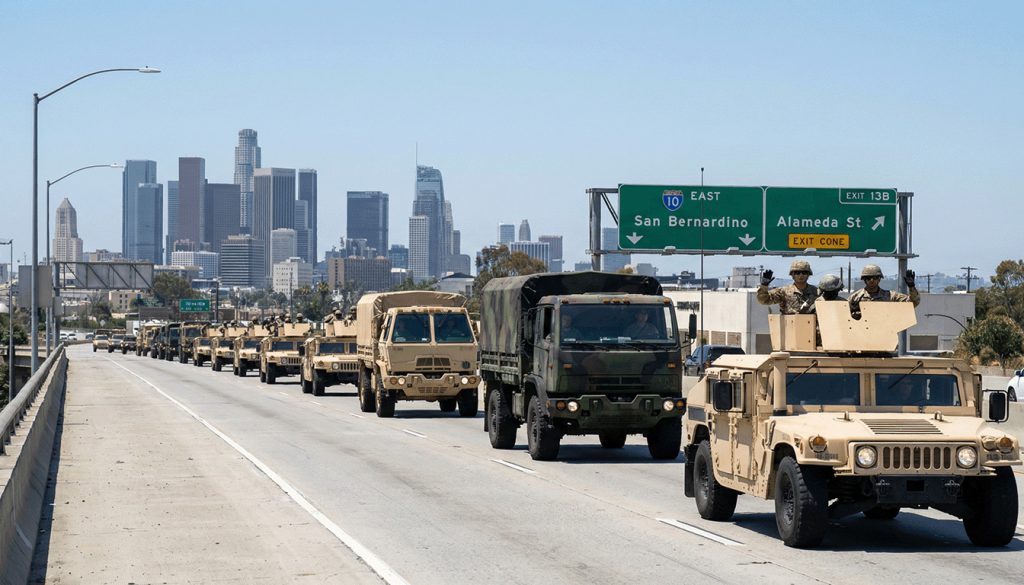
National Guard troops have left Los Angeles, Chicago, and Portland, Oregon. Military officials say this marks the end of federal operations in these cities. This change affects how local leaders and residents plan for security.
The move is more than just news for many. It means cities must now focus on emergency plans and disaster responses. They also need to determine how a state militia will operate without federal support.
The deployment was always a topic of debate. Local officials and courts questioned its legality. News outlets have closely followed the troop withdrawals and court decisions.
Although troops have left these cities, not all have left. Thousands remain in Washington, D.C., Memphis, and New Orleans. This keeps the debate on emergency plans and the role of a state militia alive.
The big question is: who will step in when the National Guard leaves? How fast can cities adjust without mixing civilian policing with homeland security?
National Guard Key Takeaways
- National Guard troops have fully left Los Angeles, Portland, and Chicago, ending federalized missions there.
- The pullout forces cities to rethink homeland security planning and day-to-day public safety coverage.
- Emergency preparedness and disaster response roles may shift back toward local agencies and state control.
- Legal rulings and state opposition helped shape the outcomes of the deployments.
- Large deployments continue elsewhere, including Washington, D.C., as well as state-led missions in Memphis and New Orleans.
- The debate now focuses on limits, oversight, and how a state militia should be used inside U.S. cities.
What Happened: Federalized Troops Fully Withdraw From Los Angeles, Portland, and Chicago
The federal mission in three major cities has ended. This change affects families, city leaders, and service members. It affects their daily routines, pay, and military schedules.
Withdrawal timeline confirmed by U.S. Northern Command
U.S. Northern Command said troops departed on Jan. 21, and the announcement was posted on its website. It marked the end of federal troops in Los Angeles, Chicago, and Portland.
The number of troops varied by city. Los Angeles had over 5,000, Chicago had about 500, and Portland had roughly 200. Many units will now return to weekend drills and regular duties.
White House response and initial reporting
The White House didn’t comment on the troops’ departure. The news first came from The Washington Post. People wondered what would happen next.
President Donald Trump had hinted at this move in December. He said it was to reduce crime. Trump also said troops could return if crime increases, according to initial reporting on the pullout pledge.
Why were these three cities part of the federal mission
Los Angeles was the first city to protest in June, due to protests over immigration raids. This was the first time the National Guard was federalized without a governor’s request.
Later, the administration deployed troops to other cities. In Los Angeles, Chicago, and Portland, it was for protest-related unrest. Elsewhere, it was for public safety and local plans.
- Los Angeles: large-scale federal presence tied to protests and protection of federal facilities.
- Chicago: deployment plans collided with court scrutiny, shaping the later withdrawal announcement.
- Portland: smaller numbers, but the same federal footing under Title 10 orders.
National Guard and the Legal Fight Over Domestic Deployments
The national guard’s pullback from Los Angeles, Portland, and Chicago didn’t end the legal battles. It shifted focus to what the national guard can do at home and who decides. This is key for homeland security, where federal and local missions often overlap.
Title 10 federalization and limits on law enforcement actions
In Los Angeles, Portland, and Chicago, the National Guard worked under Title 10. This meant they were under federal control. They were not authorized to conduct direct law enforcement, such as arrests or searches.
This rule is clear on paper, but gets tricky near protests, federal buildings, and immigration areas. It’s distinct from state-controlled missions, in which governors have greater authority. Memphis and New Orleans showed how state forces can detain people more freely, depending on state rules.
Supreme Court block on Chicago deployment
In Illinois, the fight over sending troops to Chicago went to the Supreme Court. The Court blocked the deployment, saying the administration lacked authority to use the National Guard there. They stated, “At this preliminary stage, the Government has failed to identify a source of authority that would allow the military to execute the laws in Illinois.”
This ruling has officials watching closely, as it limits federal action. It also sparks a bigger debate on homeland security missions and enforcement. More on the Chicago case is in coverage of the Supreme Court order.
Ongoing court battles in other states
Legal challenges have followed almost every deployment, except New Orleans. Judges have ruled many mobilizations unlawful. The administration has won and lost appeals, leaving cities and states in limbo.
- In Oregon, the 9th Circuit overturned one temporary restraining order tied to Portland, while another remained in place as the district court reviewed whether to dissolve it.
- In December, a federal appeals court allowed Guard troops to remain in Washington, D.C., reversing a lower-court decision that had called the deployment unlawful.
- Appeals of rulings in Chicago and Oregon remain pending, keeping the legal landscape unsettled.
- In Tennessee, the Tennessee Court of Appeals is expected to hear arguments in March on whether to sustain a lower court order blocking the use of the National Guard in Memphis.
These cases raise the same questions: who controls the facts, how courts measure federal necessity, and where the limits of domestic operations lie. The answers shape how state defense forces or militias can support homeland security without crossing federal lines. More on Portland and Chicago is in the reporting on the ongoing legal cases.
Security, Crime Trends, and the Cost of Military Reserve Deployments
The national guard’s role is a topic of debate. It involves safety, proof, and cost. These missions may appear to be public safety work, but they also affect disaster response and emergency preparedness.
This tradeoff is important. It affects units in the military reserve and the Army Reserve pipeline.
Crime claims versus broader city trends
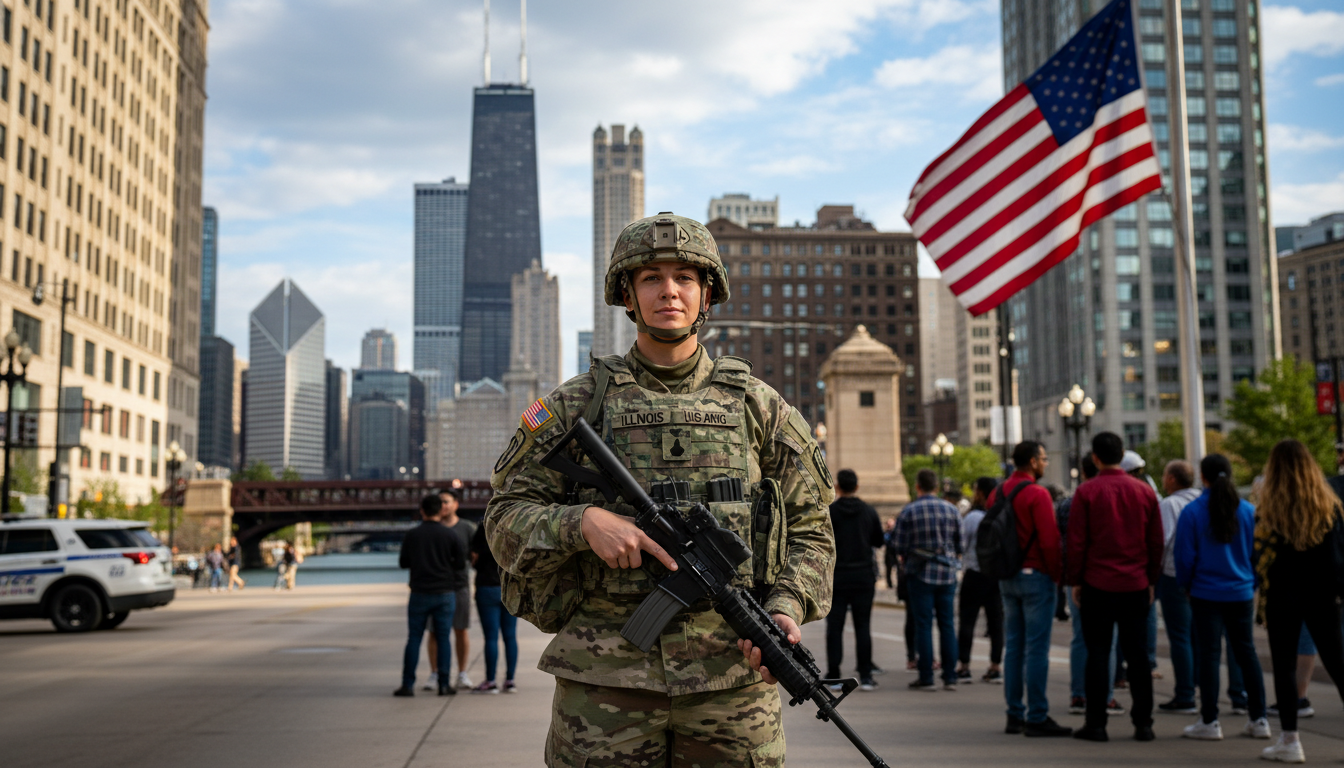
President Trump said that National Guard deployments helped reduce crime. But local data show crime was already declining in some areas before troops arrived. This makes it difficult to determine whether troops caused the drop in crime.
This issue raises questions about the effectiveness of military reserve missions. It also raises questions about whether these missions distract from emergency preparedness needs.
In Washington, D.C., troops made many arrests. They were seen in tourist and transit areas, as reported in coverage of the D.C. crackdown. But it’s hard to link these moments to lasting changes in the city.
Where troops remain deployed and what their missions look like
Thousands of National Guard troops are deployed in Washington, D.C., Memphis, and New Orleans. Their missions vary, depending on who gives the orders.
In Washington, D.C., they perform tasks such as picking up trash and patrolling train platforms. These tasks can be seen as support, but they also raise questions about the role of military reserve forces.
In November, a gunman attacked two deployed troops near the White House. He killed Army Spc. Sarah Beckstrom and seriously hurt Air Force Staff Sgt. Andrew Wolfe. This shows that even “presence” missions can be dangerous.
In Memphis and New Orleans, troops have more authority to detain people. This changes how locals see the operation. Louisiana officials said 350 soldiers in New Orleans would leave by February. But, nearly 3,000 troops in Washington, D.C., will stay until the end of the year, with no exit date for 1,500 in Memphis.
Operational and homeland security considerations
How troops are controlled affects their training and capabilities. When they’re on city missions, they might not be ready for disasters back home.
Deployments have also been linked to immigration raids. This can make communities feel under surveillance and less willing to assist with investigations.
There are also questions about how troops are monitored and whether they respect civil liberties. A Senate investigation found issues with software and social media monitoring. It warned that clearer rules are needed, as detailed in the Senate National Guard report.
Taxpayer cost and budget pressure
The cost of these deployments is a big issue. The Congressional Budget Office said they cost about $496 million in 2025. Another year would cost over $1.1 billion.
Washington, D.C., is the most expensive. The military budget shows it costs over $1.8 million per day. The CBO estimates another year in Washington would cost about $55 million per month, or $660 million for the year.
These costs add to local budget pressures. Critics wonder if the National Guard is the best choice for public safety. Supporters say visibility and surge capacity can help, but the money and time could be used for emergency training.
National Guard Conclusion
The national guard mission in Los Angeles, Chicago, and Portland has ended. This happened on Jan. 21, as announced by U.S. Northern Command. This move marks the end of a big chapter in federal deployments. But it doesn’t solve the bigger debate on homeland security.
Major operations are ongoing in other areas. The country is trying to figure out what works best. It’s looking at what costs too much and what stretches the mission too far.
The retreat followed political and legal challenges. The Supreme Court blocked the Chicago deployment. Lawsuits in other states added more pressure on leaders.
Even those who support tougher enforcement are questioning the military’s role. Many believe police are better for everyday safety. This is based on a CSIS analysis.
It’s hard to measure the impact of the National Guard. Crime was already going down in many places. It’s unclear if the guard’s presence made a difference.
This uncertainty is important. Commanders need to keep the Guard ready for emergencies. Their training and equipment are better suited for disaster response than routine law enforcement.
The national implications are far-reaching. Thousands of troops are deployed in Washington, D.C., Memphis, and New Orleans. This is costing hundreds of millions of dollars.
There’s a risk of exceeding $1.1 billion if deployments extend. A stronger federal immigration push has led to more arrests and detention. This raises civil-liberty concerns and affects public trust.
Ultimately, the U.S. might do better with a well-staffed police force and a capable state defense force. The National Guard should focus on emergency preparedness and disaster response.