Skyrocketing Food Costs: Examining the Impact of Trump Tariffs.
Explore the effects of Trump tariffs on skyrocketing food costs and how they’re shaping grocery prices and household budgets across the US.
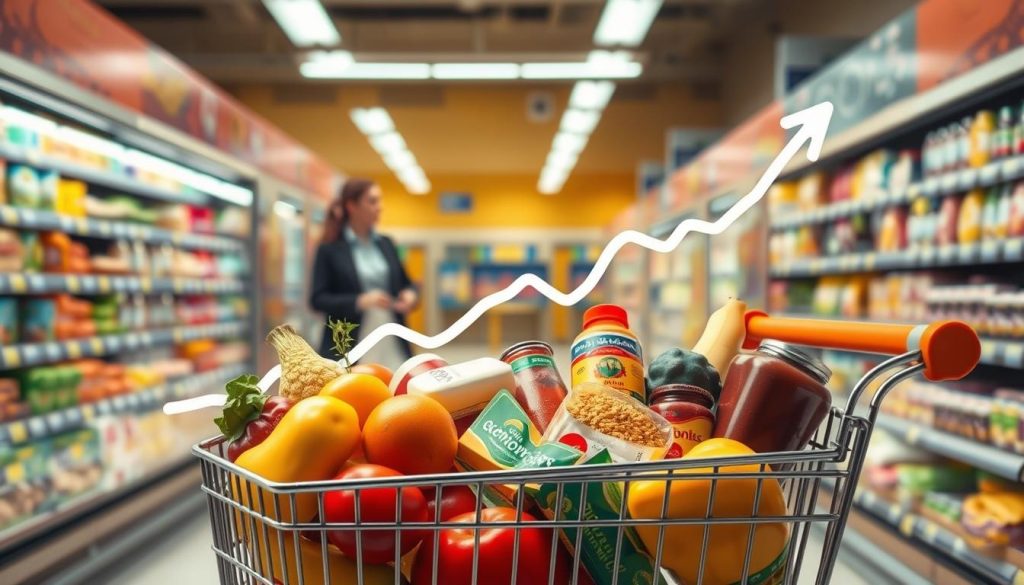
Many U.S. families are feeling the pinch of high food costs. These costs are influenced by several factors, including tight supplies, strong demand, and policy changes. These changes can quietly increase what we pay for groceries.
President Donald Trump recently told the Detroit Economic Club that grocery prices are falling. Yet, just hours before, new U.S. data showed a big jump in food prices, the largest in over a year.
This discrepancy makes it hard to see why food costs seem so high. In December, the U.S. Bureau of Labor Statistics reported big increases. Coffee prices went up nearly 20% in a year, and ground beef rose by 15.5%.
This article explores the data and experts’ views on rising grocery bills. Tariffs, or import duties, are collected at U.S. ports and added to invoices. This can increase costs for wholesalers, retailers, and eventually, consumers. For more on tariffs and their impact, see this breakdown of tariffs on Americans.
At the same time, economic stress can also affect households and communities. This includes farm markets and programs that help with food costs. The recent government shutdown has shown how budget issues and slower growth can strain finances. This can lead to higher food expenses over time, affecting aid and demand, as reported in coverage of the government shutdown’s economic impact.
Food Costs Key Takeaways
- Food costs remain high, even as some leaders argue prices are easing.
- New federal data showed the biggest monthly jump in food prices in over a year.
- Staples are climbing: coffee rose nearly 20% year over year; ground beef rose 15.5%.
- The cost of food is driven by supply limits, demand, and policy pressures working together.
- Tariffs are paid at the point of entry and can cascade through the supply chain into retail prices.
- Food expenses can also be affected by wider economic disruptions that squeeze budgets and markets.
What the Latest Data Shows About Rising Grocery Prices in the United States
New inflation reports can quickly change how we talk about food. Grocery prices haven’t moved in just one direction. This mixed picture is part of today’s food pricing trends.
Shoppers might find a good deal in one aisle but a surprise in the next. It’s all about the ups and downs.
Trump’s claim vs. the numbers: “Grocery prices are starting to go rapidly down.”
At the Detroit Economic Club, Donald Trump said grocery prices were “starting to go rapidly down.” But the same day, the government’s measurement told a different story. This added tension between talking points and the data that guides food pricing trends.
Naomi Blohm of Total Farm Marketing said it clearly: “Prices at the grocery store continue to be high… We’re all feeling it.” Many households notice this when the cart total rises more than expected.
BLS snapshot: the largest monthly jump in food prices in 2022
The Bureau of Labor Statistics reported the largest monthly jump in food prices in 2022. This shows that grocery prices can surge even when broader inflation looks calmer. For many shoppers, this means fewer extras, more store brands, and tighter meal planning.
Current inflation is 2.7%, below the 3% rate recorded in January. Yet, it’s above the Federal Reserve’s 2% target. This gap helps explain why food pricing trends are sticky at the checkout.
Year-over-year reality: grocery prices up 2.4% through December
Over the 12 months ending in December, grocery prices rose 2.4%, based on BLS figures. This year-over-year view is often what households feel most. It reflects what changed across many trips, not just one week’s sales cycle.
The USDA’s Food Price Outlook summary adds more detail. It shows how categories can rise at different speeds. This is why food pricing trends rarely move as a single number.
Household staples getting pricier: coffee up nearly 20%, ground beef up 15.5%
Some staples are doing the most damage to budgets. Coffee prices jumped nearly 20% in December versus a year earlier. Ground beef climbed 15.5% year over year. Beef steaks were also up 17.8%, keeping pressure on grocery prices for families that lean on beef for quick dinners.
- Category spikes can push the whole bill up, even if only a few items are surging.
- Beef and coffee increases can reshape weekly plans, not just monthly totals.
At the same time, the report showed areas of relief. Egg prices were down 20.9% year over year. Tomato and potato prices fell, and dairy edged slightly lower. This split helps explain why grocery prices feel uneven, and why food pricing trends can look confusing from aisle to aisle.
Those ups and downs also matter for people who depend on assistance. With more than 42 million relying on SNAP, even small shifts can change demand patterns. A recent report on SNAP suspension risk highlights why stability matters when budgets are already tight.
Food Costs and the Real-World Drivers Behind Higher Food Expenses
Food prices can seem random, but experts say they’re driven by supply and demand. Weather and steady demand keep prices high, even when some items drop. This makes finding affordable food a challenge.
Many say tariffs don’t fully explain the price hikes. Yet, a smart comparison of food prices is key. Knowing what drives prices helps.
Supply and demand pressures shaping food pricing trends
Harvests shrinking or transport issues tighten supply fast. Steady demand for staples squeezes prices. This makes planning meals on a budget tough.
Recent reports show how fast prices can change. Grocery price drivers reveal the impact of weather, imports, and global markets.
Beef as a case study: drought-driven herd reductions and today’s tight supply
David Ortega, a food economist, links today’s beef prices to drought. In 2022, drought raised cattle-feed costs. Ranchers sold more animals to cut expenses.
Ortega says this sell-off hurt future beef supply. Now, herd levels are low, keeping prices high. Ground beef is up 15.5% and steaks 17.8% year-over-year, BLS data shows.
Demand staying strong: why beef and coffee prices are hard to cool quickly
Beef prices stay high due to strong demand, Naomi Blohm says. This makes finding affordable food swaps hard.
Coffee faces similar challenges. Global supply issues and steady demand keep prices steady. Finding savings becomes a challenge.
Beyond beef: coffee and cocoa constraints influencing candy and pantry prices
Coffee and cocoa face their own supply issues. These affect the prices of candy and packaged treats. Even when wholesale costs drop, prices may not follow suit, making budget meals harder to afford.
Blohm warns of ongoing price hikes. Farmers and manufacturers face shortages. Households adapt by being flexible with their grocery plans, using simple staples and rotating affordable ideas, like these budget-friendly meals.
How Trump Tariffs Can Raise the Cost of Food Through Packaging and Imports
When we talk about food costs, we often think of what’s grown or made here. But tariffs can affect us too, because many items use imported parts. This makes it hard to guess food prices, even for local brands.
Packaging is a quiet pressure point. If packaging costs go up, so does the product price. A detailed look at how tariffs impact food prices is in this tariffs and food prices analysis.
Steel and aluminum tariffs and the hidden “can cost” behind grocery prices
50% tariffs on steel and aluminum can raise grocery prices. Cans, lids, and foil-lined packaging are used in many items. This includes soup, veggies, coffee tins, pet food, and shelf-stable meals.
- Higher metal prices can raise manufacturers’ packaging bids.
- Those increases can flow into contracts for labels, cartons, and shipping materials.
- Retailers may face higher delivery costs, complicating affordable food goals.
Wholesale signals: steel can prices up 16% over the past year
Wholesale data shows steel prices have risen by 16% over the past year. This shows that food costs aren’t just about ingredients. The packaging and supply chain also play a big role.
How higher packaging costs move into shelf prices (with a lag)
Jason Miller, a professor at Michigan State University, said manufacturers are paying more for packaging. “Prices are going up,” he noted. But shoppers might not see these changes right away.
Ortega said these pressures take months to show up in prices. This delay can make it hard for consumers to see the impact of tariffs. It can also make affordable food seem out of reach when prices rise suddenly.
Trade agreement framework with Latin American countries: These trade agreements aim to lower tariffs. This could help lower prices for goods like bananas.
But timing is everything. Ortega said changes can take months. Banana prices have risen nearly 6% over the past year. Policy uncertainty can also affect buying and shipping decisions, as seen in this government shutdown update.
Food Costs Conclusion
Talk of grocery prices “rapidly” falling does not match the latest numbers. The newest BLS update showed the biggest monthly jump in food prices. Grocery prices were up 2.4% year-over-year through December. For many households, that keeps food costs front and center when they map out the week.
Shoppers feel it in everyday staples, not just in one-off splurges. Coffee is up nearly 20%, while ground beef is up 15.5% and beef steaks are up 17.8%. This makes quick dinners harder to keep cheaply. That is why budget-friendly meals often start with a clear comparison of food prices across brands, store labels, and sizes.
There is also a mixed picture that can be easy to miss. Eggs are down 20.9%, and some produce like tomatoes and potatoes has been cheaper. Dairy is slightly lower, too. But, a few price drops do not erase the broader cost of food squeeze many families at checkout.
Economists point to supply constraints, including drought-driven cattle reductions, and to demand that has not cooled much. They also warn that tariff-linked input costs can creep in over time. For example, steel prices can rise by 16%, which can later lift shelf prices. This worry surfaces in the Pennsylvania affordability debate, and it aligns with the view that elevated food costs may persist for the next couple of years.