
Emergency Preparedness and Essential Tips for any Disaster
Unlock life-saving strategies with our guide on Emergency Preparedness, offering essential tips for disaster readiness and safety.
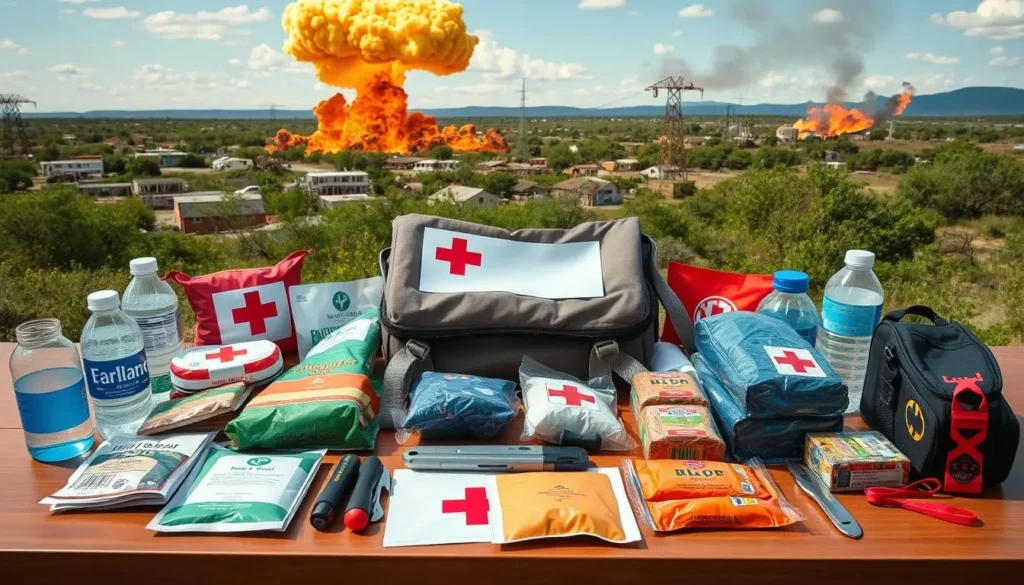
Emergency Preparedness and Essential Tips for any Disaster
Tips for any Disaster: Life is full of surprises, and being ready for emergencies is key. What does it mean to be truly ready? It’s about having food, safety, and sanity when disaster strikes.
Below is an extensive list of resources, clickable links with printable emergency checklists, emergency contact cards, and other emergency plan resources.
Having a strong emergency kit with food, water, and medical supplies is a must. Learning first aid and CPR also helps. Being ready means we can face challenges head-on and be self-sufficient for at least three days.
It’s important to store 1 gallon of clean water per person per day. This means 3 gallons per person over a 3-day period. Also, make sure your insurance is up to date, and your home is secure.
Practice evacuation routes and ensure everyone knows how to contact one another under the emergency preparedness plan. This shows we care about our community and ourselves. In case of a power outage, have enough food and fill tubs and washing machines with water.
Disasters affect us emotionally and mentally, too. Keeping calm means having the right supplies and staying in touch with loved ones.
Our goal is not just to survive but to thrive in tough times. This journey is about ensuring safety and resilience for everyone.
Emergency Preparedness Resources.
- Ready.gov – Be informed
- Make a Preparedness Plan
- Build an Emergency Kit
- Emergency Supply Check List (printable PDF)
- Low and No-Cost Preparedness
- Shelter Tips
- Red Cross – Emergency Contact Cards (download and print)
Essential Tips for any Disaster
- Being self-sufficient for at least three days during an emergency is key.
- Store at least 1 gallon of water per person per day for at least 3 days.
- Regularly practice evacuation routes and disaster plans with family members.
- Ensure your home’s structural integrity to withstand possible disasters.
- Update your emergency preparedness plan and supplies annually to keep them current.
Be Prepared for any Emergency
Emergency kit essentials: When storms or earthquakes threaten us, having emergency tips and kit essentials is key. Disasters affect hundreds of thousands yearly, making readiness critical.
Water Storage
How much water do we need in chaos? Experts say one gallon per person per day for drinking and hygiene. It’s important to keep it clean and fresh. Change stored water every six months for safety. For more on water storage, check FEMA’s General Preparedness guide.
Food Storage
Non-perishable food is key in emergencies. Keep a three-day food supply for your family. Store food in airtight bags in cool, dry places. For more tips, read emergency preparedness tips.
Medical Supplies
Health is vital when help is far away. Include prescription meds and a first aid kit in your kit4. About 50% of Americans take daily meds, making this essential. Also, have over-the-counter meds, sanitation items, and a medical history list. Make sure everyone knows where these are.
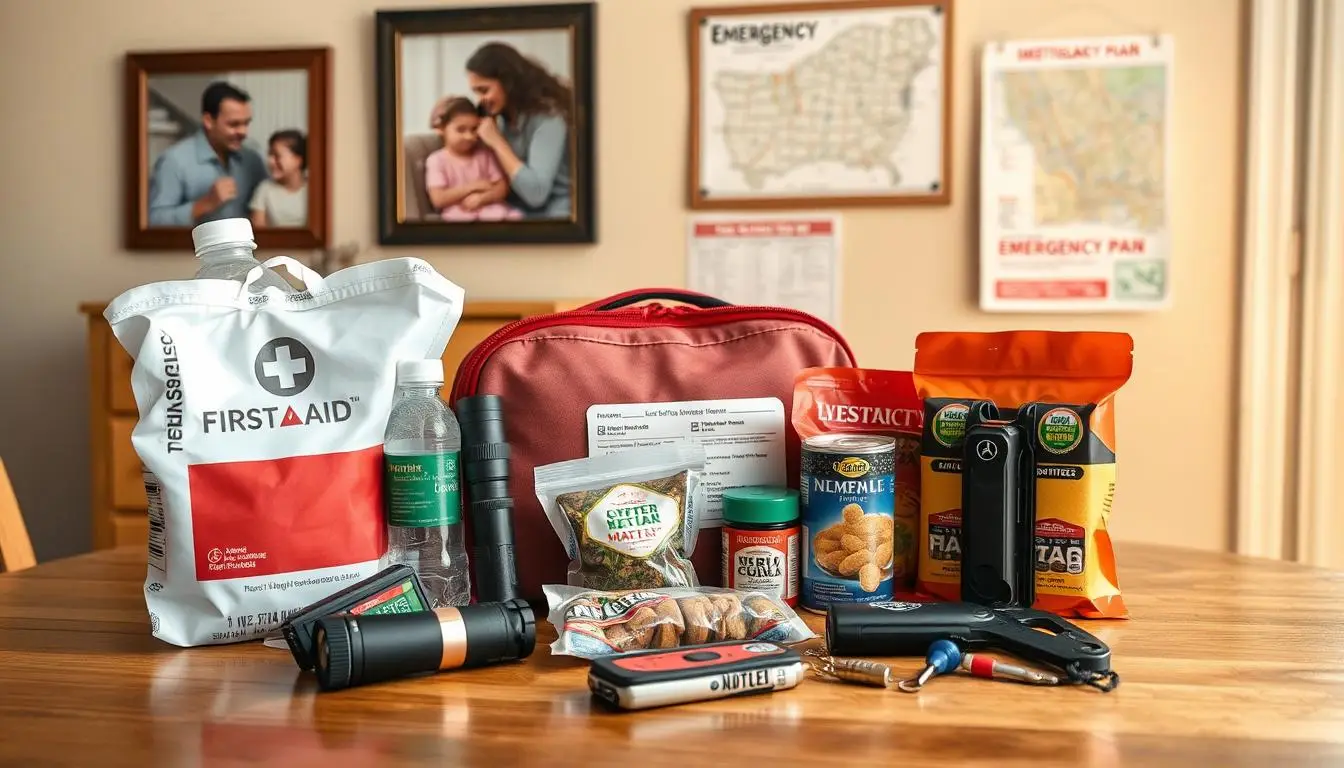
How to Create an Emergency Preparedness Plan
Making a detailed emergency plan is more than just being prepared. It shows we truly care about keeping everyone safe. This plan helps us face life’s unknowns, showing our dedication to protect and persevere.
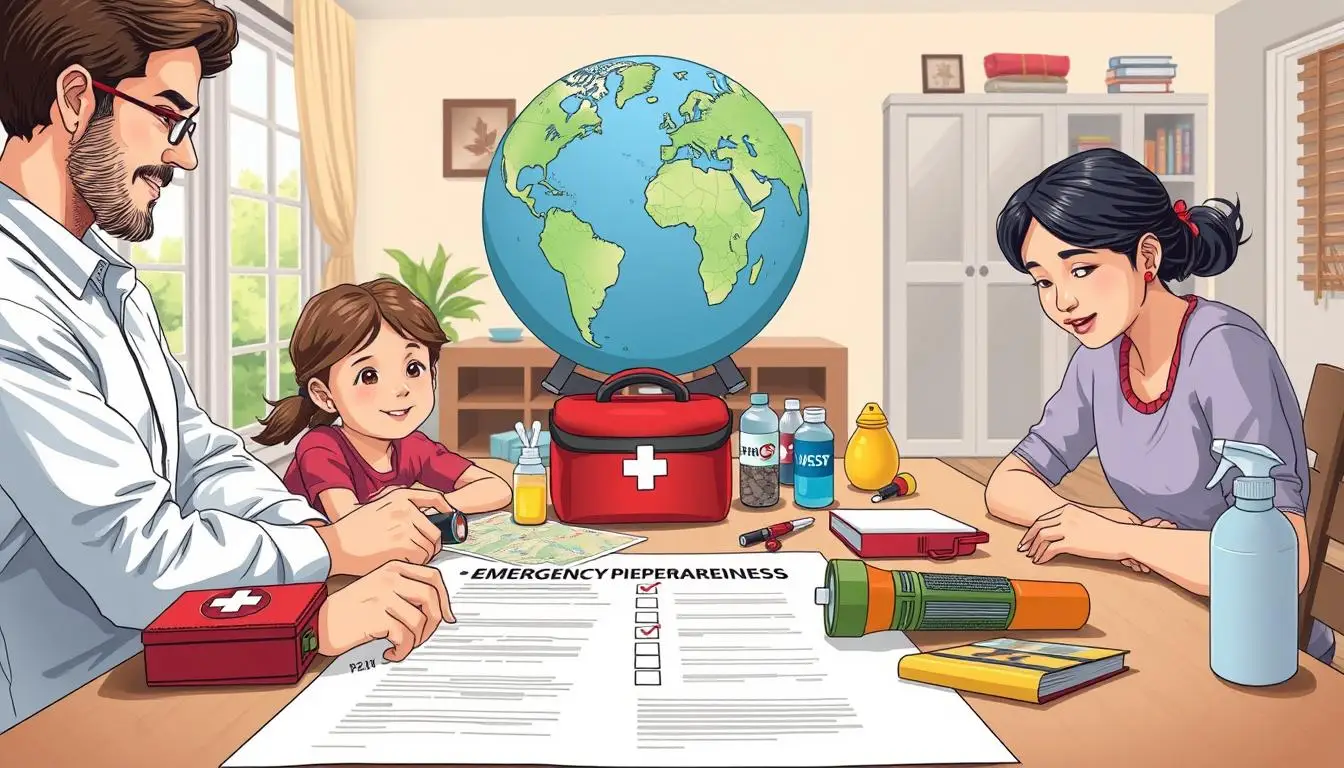
Identifying possible emergencies in your area
Emergency planning: First, know the risks in your area. Are you worried about hurricanes, earthquakes, or floods? Knowing these dangers helps us prepare better, up to 50%5. Sadly, about 60% of adults in the U.S. haven’t practiced for disasters.
Using emergency resources and local training can help a lot. They bridge the gap in preparedness.
Steps to develop an evacuation plan
Creating an evacuation plan is wise and caring. Start by picking safe routes and meeting spots. Practicing these twice a year boosts your readiness by 60.
It’s shocking that only 13% of households have plans for pets during evacuations5. This shows how important it is to include all family members. The Red Cross templates can help make a solid plan.
Communication strategies during a disaster
During a disaster, staying in touch is key. In areas prone to disasters, good planning can lead to a 70% faster recovery5. But 39% might struggle to text or call because of busy lines.
Using radios or emergency apps is vital. Also, having an out-of-area contact is important, as 30% of families lack one.
Our emergency plan is more than a document. It shows our commitment and care. By identifying risks, practicing evacuations, and ensuring communication, we navigate through tough times. For more help, check out the Network World News for emergency tips.
Essential Emergency Kits and Supplies
Our survival often depends on the tools and supplies we have ready. In an emergency, having a well-stocked kit is key. From flashlights and first aid supplies to personal items, every piece is important.
Experts say each person should have at least three days’ worth of water, about one gallon a day. This is more suitable for warm climates or for those with special needs, like children and nursing mothers. Also, a three-day supply of non-perishable food is essential, focusing on items that don’t need cooking or refrigeration. But to truly be ready, we must think beyond just the basics.
Basic Emergency Kit Essentials
The core of any emergency kit is about safety and basic needs. A flashlight with extra batteries and a battery-powered radio for updates are must-haves. A good first-aid kit is also key, with items such as sterile gloves, dressings, and non-prescription drugs like aspirin.
For families, having a full change of clothes for each person, including jackets and sturdy shoes, is important for facing the elements. Kits like the Compact 1-Person, 3-Day Survival Kits, priced at $37.99, are a good starting point.
Special Considerations for Pets and Special Needs
Our pets and family members with special medical needs need extra planning. For pets, this means packing food, water, and any vet meds. For those with special needs, a list of prescription meds, extra glasses, medical insurance cards, and necessary equipment are vital7.
The American Red Cross stresses the importance of adapting kits for unique family needs, ensuring everyone’s safety. For larger families, Deluxe Emergency Kits, like the 4-Person Deluxe Kit in a backpack, priced at $154.99, are available.
Seasonal and Location-specific Items to Include
Being adaptable is key in emergency preparedness, considering the season and geographical risks. In cold climates, include extra blankets, hand warmers, and snow tools. Those in hurricane zones might need waterproof containers for documents and tarps for protection.
In summer, more water is needed to avoid dehydration. This readiness is not just about survival; it’s about keeping our dignity and humanity even in tough times. For more details and tips, check out the National Weather Service and the Nevada Division of Emergency Management.
Essential Tips for any Disaster FAQ
What are some key emergency preparedness tips for disasters?
Key tips include having a well-stocked emergency kit. This should have non-perishable food, water, and medical supplies. Learning first aid and CPR is also important.
Practice evacuation routes and ensure you have proper communication channels. Updating your insurance is also a vital step.
How much water should I store for an emergency?
Store at least one gallon of water per person per day. Make sure the water is stored safely and kept clean for health.
What should be included in an emergency kit?
An emergency kit should have flashlights, radios, and non-perishable food. Include water, sanitation supplies, and first aid kits. Don’t forget items for pets, prescription medications, and seasonal and location-specific items.
How can I identify potential emergencies in my area?
Research your area’s history with natural disasters. Use community resources, government websites, and local news for information.
What steps should I take to develop an evacuation plan?
Map out accessible routes and identify safe meeting points. Make sure all family members know the plan. Practice the plan to ensure everyone knows their role.
Why are communication strategies important during a disaster?
Communication strategies are key to staying connected and informed. Use battery-powered radios and emergency apps. This helps keep in touch with loved ones and authorities.
What special considerations should I make for pets and family members with special needs?
Include food, water, medication, and comfort items for pets and those with special needs. Think about their unique needs to ensure their safety and comfort.
What seasonal and location-specific items should be included in an emergency kit?
Include blankets for cold weather and rain gear for monsoon conditions. Add extra water or cooling methods for extreme heat. Adapting your kit to the seasons and threats shows thoughtful preparedness.
What role do medical supplies play during an emergency?
Medical supplies in your kit are a safety net when medical help isn’t available. Include prescriptions, over-the-counter medications, and a first aid kit. This ensures health and safety in emergencies.
Source Links
Emergency Preparedness Articles
- https://ors.od.nih.gov/ser/dem/emergencyPrep/Pages/Disaster-Preparedness-Tips.aspx
- https://blog.ugies.com/community-safety-first-essential-tips-for-emergency-preparedness
- https://sheriff.deschutes.org/divisions/special-services/emergency-management/before-a-disaster-emergency-preparedness/
- https://www.ready.gov/kit
- https://www.redcross.org/get-help/how-to-prepare-for-emergencies/make-a-plan.html?srsltid=AfmBOorOatp8dWr-qhJ9TwgnzguAmWTHNh36Xsvam1Bklwl0bW61EzIZ
- https://www.grangeinsurance.com/tips/7-tips-for-creating-a-home-emergency-plan


